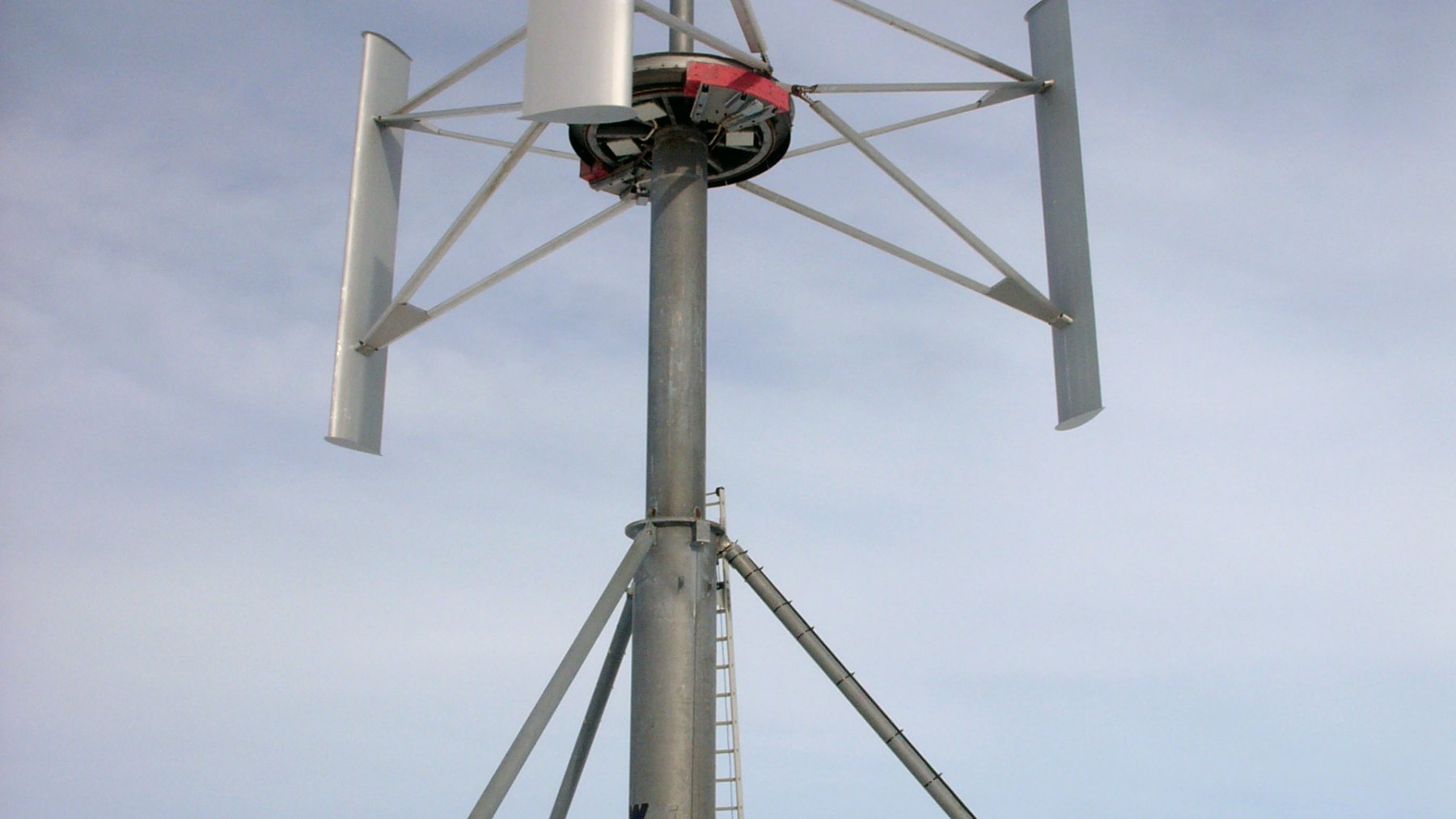
On a frozen ridge of Ross Island, three wind turbines turn above American McMurdo Station and New Zealand’s nearby Scott Base. Their electricity flows into a shared energy system, allowing two national programs to draw renewable power from the same polar wind. Could clean energy really survive here?
The answer has been spinning for more than a decade. The world’s southernmost wind farm has only 990 kilowatts of installed capacity, but its impact is hard to ignore. Official estimates say it cuts annual diesel use by about 122,000 gallons (463,000 liters) and reduces carbon dioxide emissions from the two bases by 1,242 metric tons.
Why Antarctica still depends on diesel
Keeping people warm, fed, connected, and able to conduct science on Ross Island requires dependable power around the clock. Winter brings months of darkness, bitter cold, and long periods when major repairs or fresh supplies cannot simply arrive the next morning.
That is why diesel dominated Antarctic stations for so long. A generator can run through calm weather and blizzards alike, while every gallon of fuel can be stored for later, but that reliability carries a price in shipping, storage, emissions, and spill risk. In a place this remote, the electric bill is measured in far more than money.
Three machines built for the polar wind
Construction began in 2008, and the Ross Island wind farm became fully operational in 2009. The three Enercon E33 turbines each have a rated capacity of 330 kilowatts and stand on Crater Hill, one of the island’s few ice-free areas, where the average annual wind speed at hub height is about 17.7 mph (7.9 meters per second).
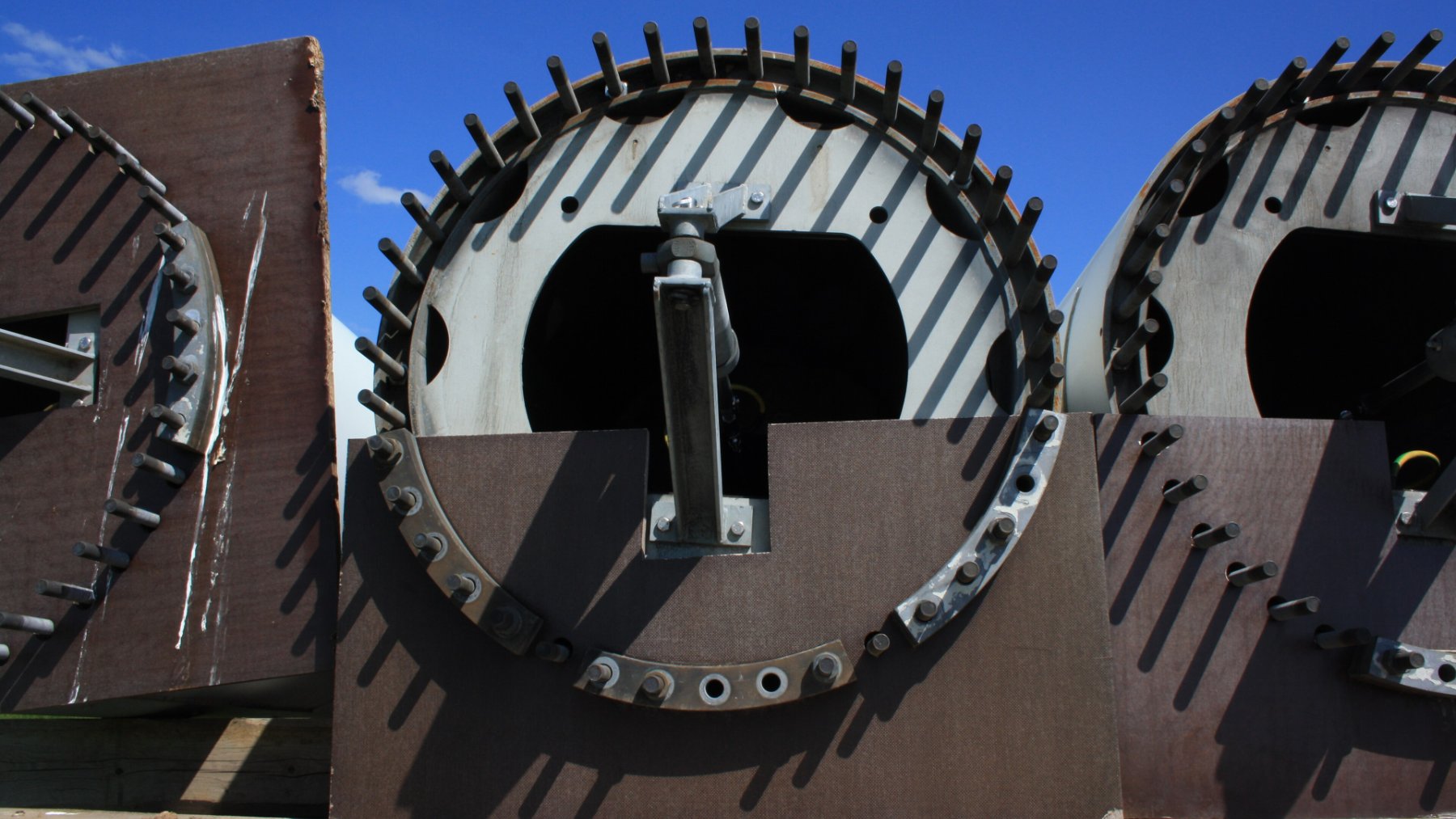
Getting them there was its own engineering challenge. Large components had to travel thousands of miles by sea, then be assembled during the short Antarctic summer, when crews had daylight and somewhat less punishing conditions. Ordinary equipment would not last long here, so the system was designed around extreme cold, strong gusts, and the reality that replacement parts are never close by.
One shared grid crosses a national boundary
The most unusual part of the project is not the turbines themselves. It is the way the Ross Island Wind Energy Network links Scott Base with the neighboring American McMurdo Station, creating a wind and diesel microgrid that serves both operations.
The two bases also use different electrical frequencies, with New Zealand equipment operating at 50 hertz and the US system at 60 hertz. A frequency converter allows power to move between them without requiring either station to rebuild its entire electrical network. When the wind is strong, the turbines reduce the load on diesel generators, and when it fades, conventional generation keeps the heat and lights steady.
The fuel savings tell only part of the story
Meridian Energy, which built the wind farm with Antarctica New Zealand, says the system has reduced annual fuel consumption by approximately 463,000 liters. That is roughly 122,000 US gallons, enough to matter in a place where fuel must be carried across the Southern Ocean and carefully handled in a protected environment.
The reported reduction of 1,242 metric tons of carbon dioxide closely matches the direct emissions expected from burning that amount of diesel. Still, the official figure should not automatically be read as a full life-cycle calculation, since it does not spell out every emission linked to refining, shipping, and storage. The broader environmental gain may be different, but the immediate result is clear enough, less fuel burned and less fuel placed at risk on the ice.
The next Antarctic wind system will be much larger
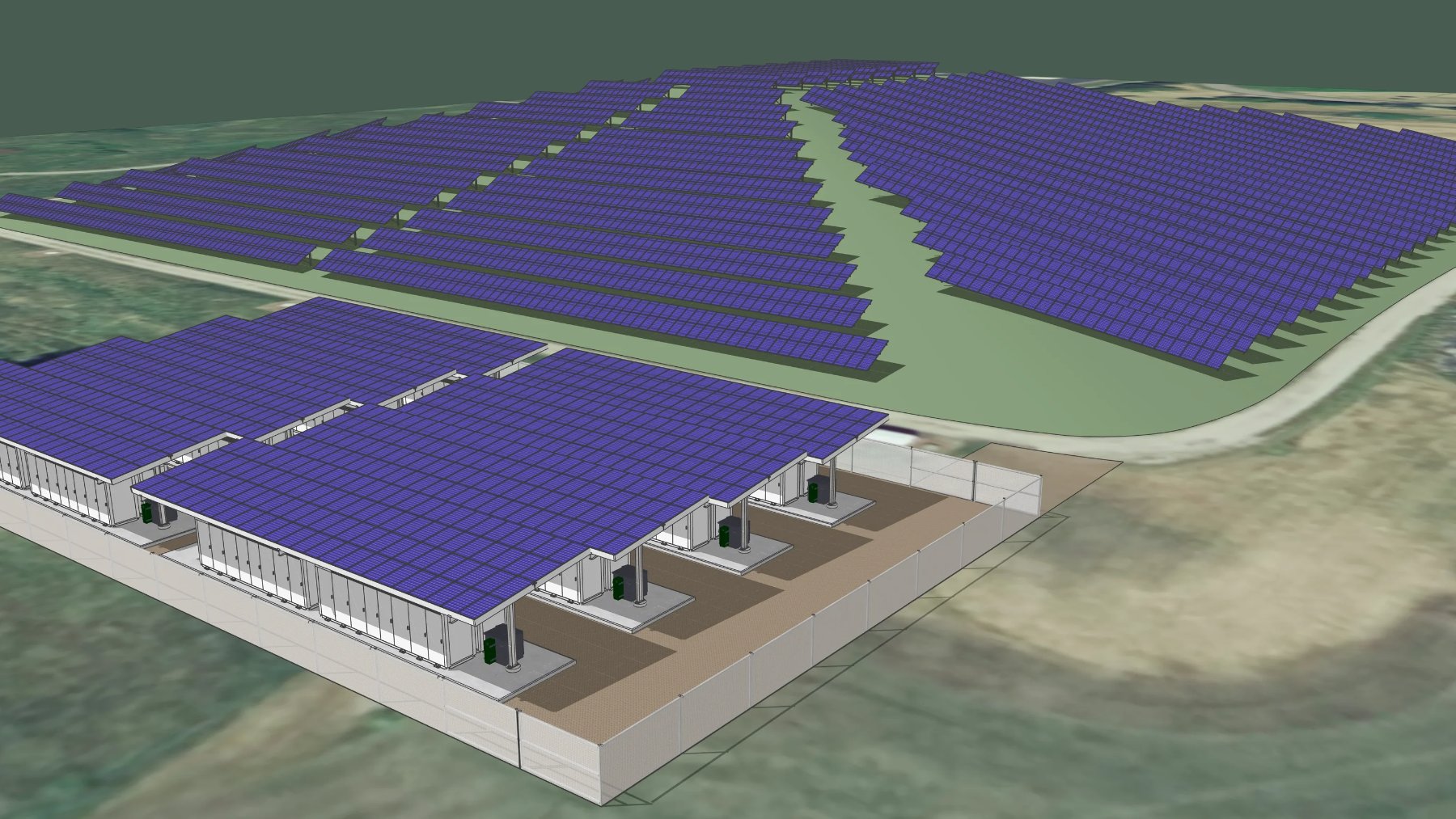
The original turbines are now approaching the end of their planned design life in 2030, and Antarctica New Zealand is preparing a major upgrade. Three larger turbines and a battery energy storage system are planned, while the high-voltage network and other power infrastructure will also be modernized. “Antarctica is one of the world’s most challenging construction environments,” Antarctica New Zealand chair Leon Grice said when the wider redevelopment entered delivery in July 2026.
What happens when the wind drops? A battery can store excess electricity during strong conditions, release it when output falls, and help stabilize a grid where even a brief interruption can become serious. Antarctica New Zealand says the first foundation for a new turbine was completed during the 2024 to 2025 season.
Practical completion of the wider redevelopment is scheduled for 2030. This is not proof that every remote community can copy the Ross Island system exactly, since the site has unusually strong wind and highly specialized logistics, but it shows that renewables and diesel can work together in one of the harshest inhabited environments on Earth.
The official statement was published on Antarctica New Zealand.