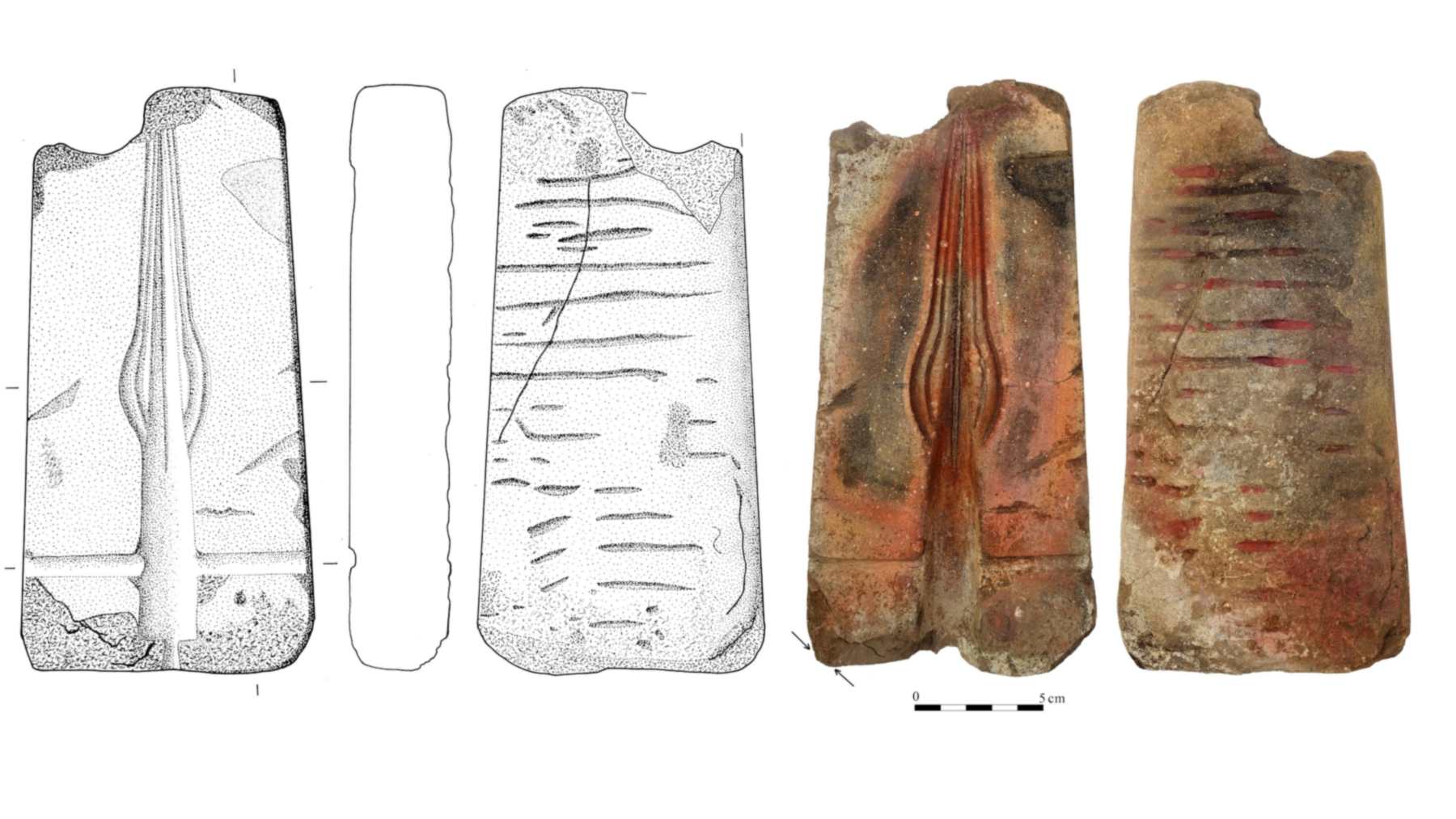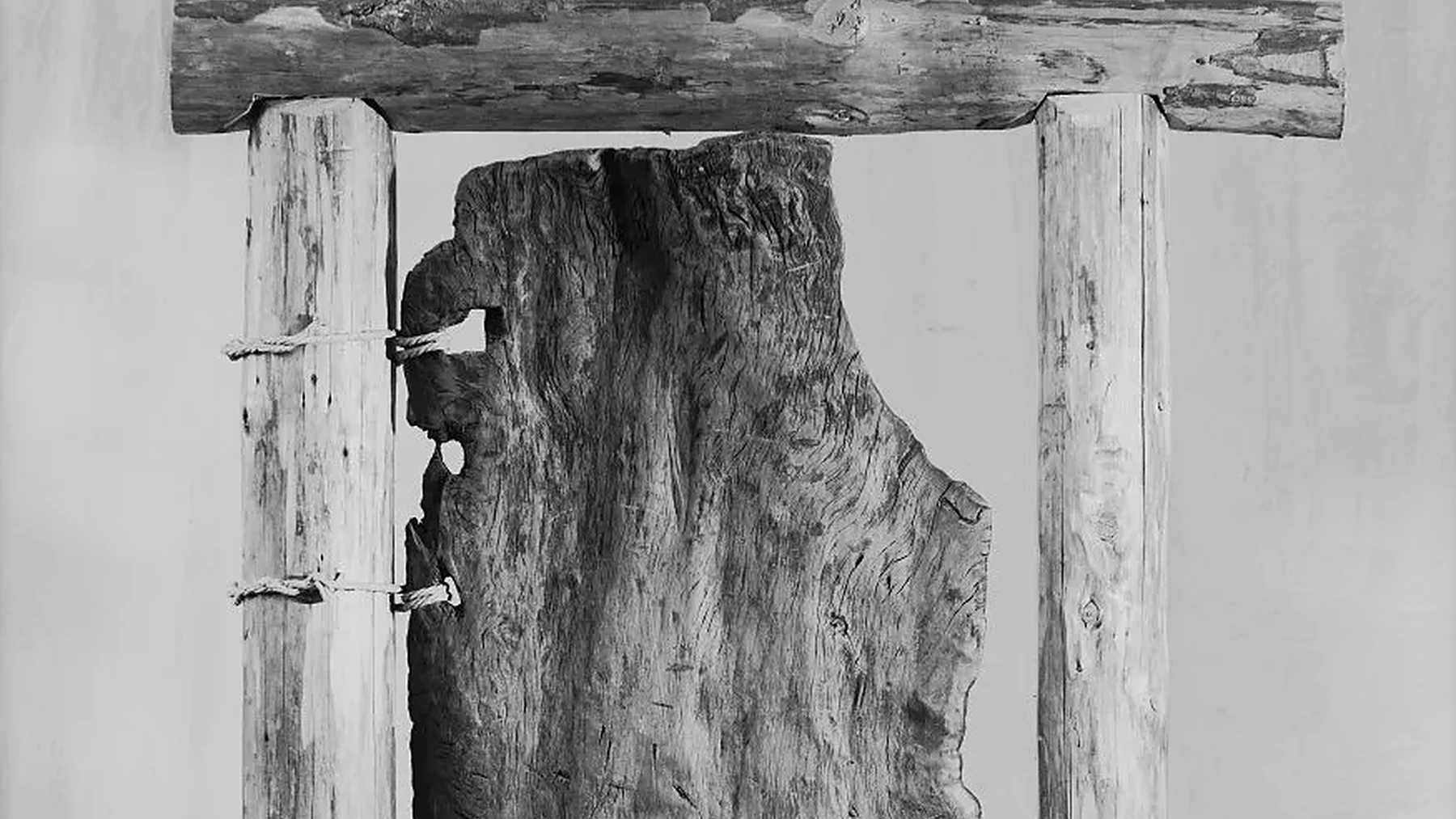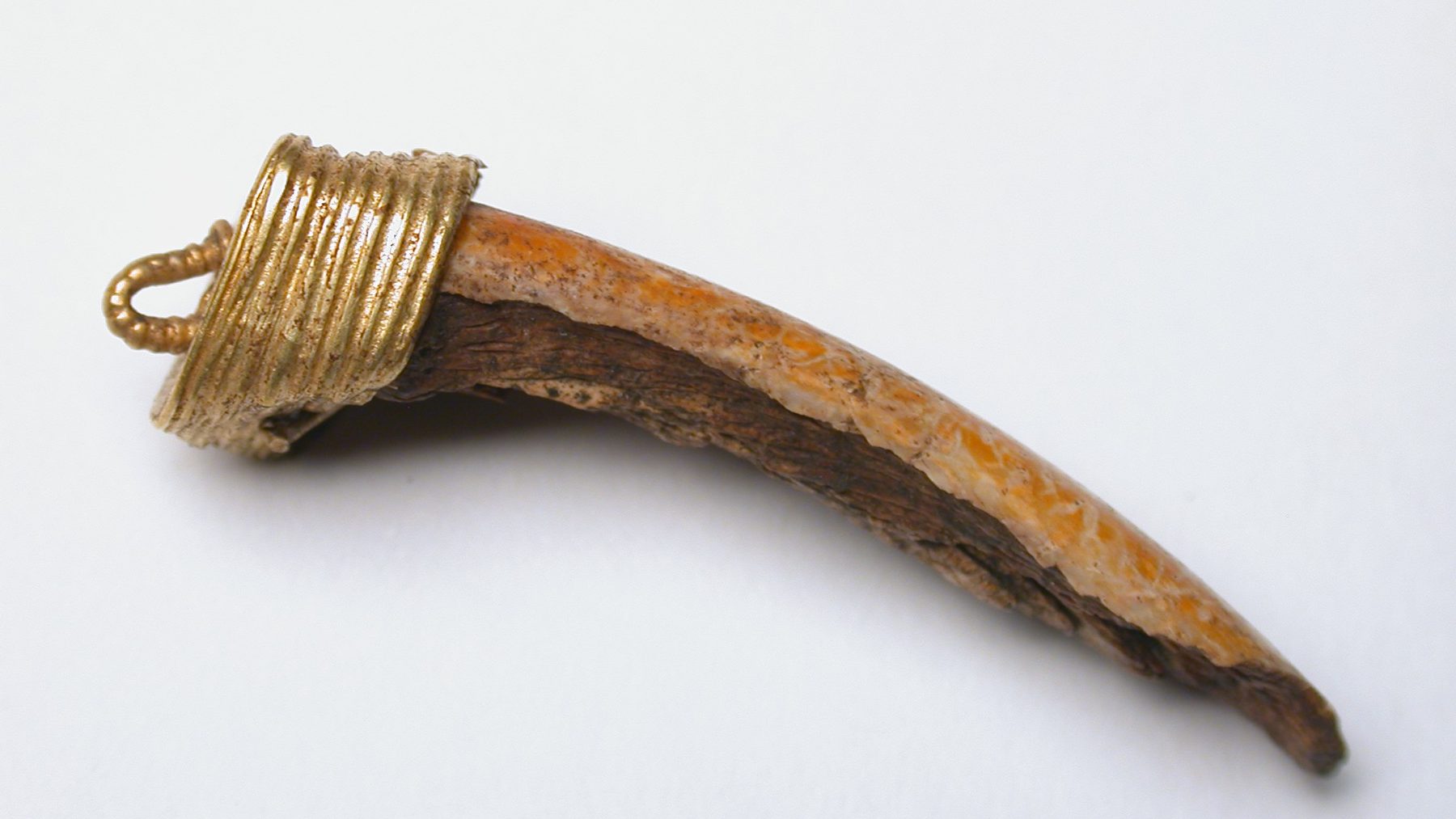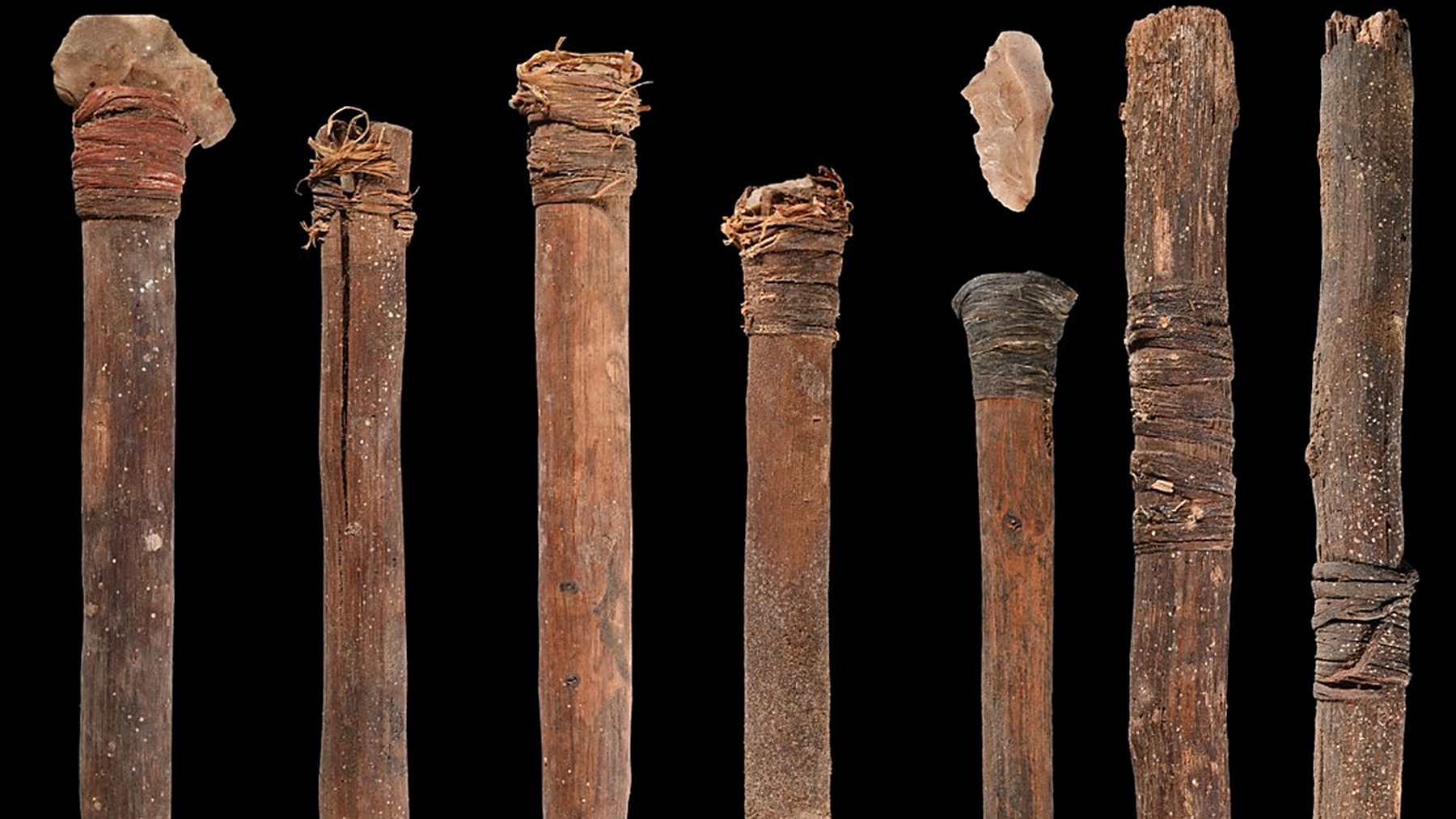
Parts of a hunting kit from the San Esteban Rockshelter, south of Marfa in Presidio County, Texas, are more than 6,000 years old. Texas Parks & Wildlife Magazine calls it potentially North America’s oldest full weapon system. The Center for Big Bend Studies at Sul Ross State University found it with University of Kansas colleagues.
According to the magazine, an Indigenous hunter built a small fire deep in the cave and reworked his damaged gear. Why the pieces stayed behind is still an open question for the team.
Five kinds of broken gear
The magazine’s inventory starts with four dart nock ends, six stone-tipped foreshafts and four hardwood foreshafts. It adds a straight-flying boomerang and part of an atlatl, a hand-held spear-thrower for launching long darts.
Foreshafts are short front sections that slot into a dart’s main shaft and carry the point. A hunter could swap a damaged one without rebuilding the whole weapon. Two of the six stone-tipped examples still hold their points.
All four nock ends, the cupped tails that sit against the atlatl, broke in the same place. Center director Bryon Schroeder pictures the scene: “A person came to the back of the cave and went through their hunting gear piece by piece.”
No component is complete, even though nearly every part of a dart system turned up. Devin Pettigrew, an assistant professor at the center, says the socket ends and the atlatl’s handle are still missing.
Boomerangs bent over hot coals
Most boomerangs were built to fly straight at a target, while returning versions served as toys or for hunting birds. The magazine calls this one among the oldest known finds of its kind.
Pettigrew explains how they were made: “They heated a green branch or sapling over hot coals until boiling sap and steam came out both ends.” The maker then bent the wood around a form to cool and dry.
Repeated impacts eventually split such weapons in half along the pithy center of the wood. A better-preserved boomerang at the Museum of the Big Bend broke the same way.
Thirty years behind Utah
Pettigrew and Schroeder described the atlatl in a 2023 paper in the Journal of Big Bend Studies. Their abstract calls it the oldest directly dated specimen in North America, at over 6,000 years.
That title did not last, since the magazine says an atlatl found in Utah is slightly older, by 30 years. Similar weapons have helped researchers trace spearthrower darts in ancient Peru and the arrival of the bow in North America.
Darts and foreshafts from the shelter have their own dates. The Kansas Geological Survey places six of them near 6,200 calibrated years before present. It says they could be the earliest atlatl cache in the Americas.
A pronghorn hide, neatly folded
About 2 inches (5 centimeters) above those weapons, excavators uncovered a pronghorn hide capped with a stone grinding slab. The survey reports an uncalibrated radiocarbon age of 5,621 years, about 600 years younger than some of the darts.
Schroeder recalled it for the magazine: “Somebody folded that hide up and sat that right on top of this rock. And nobody touched it for 6,000 years.”
Spaced holes around the edge suggest someone tied it to a frame for softening. The hide still had its hair and original color, although Schroeder says it has been losing hair since he found it.
Looted shelter, intact pockets
San Esteban sits along Alamito Creek, a tributary of the Rio Grande, behind a spring-fed rock pool called a tinaja. The Kansas survey says shelter and permanent water probably made it an important stop for Indigenous people.
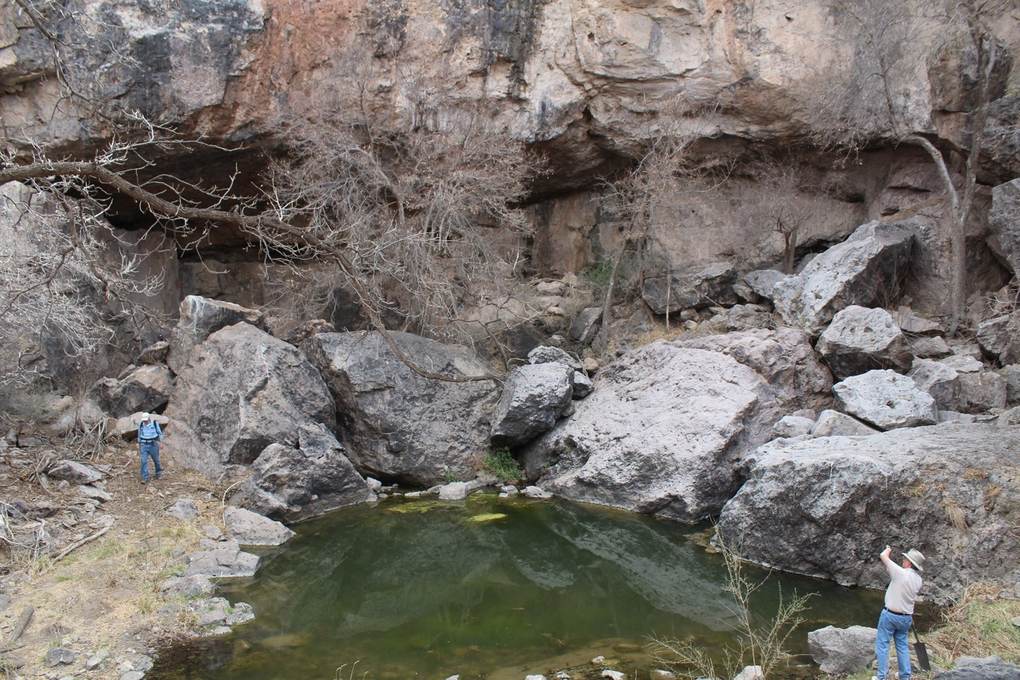
Amateur diggers disturbed much of the site, but boulders fallen from the ceiling preserved pockets of intact sediment. Work began in 2019 through a partnership between Sul Ross and Kansas’s Odyssey Archaeological Research Fund.
Deeper layers hold a burned feature whose samples returned uncalibrated ages from about 9,890 to 12,789 years. The survey said more work was needed to explain that spread. Across the Atlantic, melting ice has exposed prehistoric arrows in Norway.
Poison and ritual stay unproven
Schroeder’s own wording leaves room for doubt: “If it really is a contemporaneous kit, it’s a pretty monumental finding.” The 2023 paper covers a single atlatl, so its direct date does not extend to everything found nearby, and no peer-reviewed publication of the whole kit has been located.
Poison is another open question, because the magazine says only that the hardwood foreshafts might have delivered it. Pettigrew notes that caves were often special places in Indigenous American cultures. Even so, “we aren’t sure to what extent the deposit of these broken components in the rock shelter had a symbolic or spiritual purpose.”
Replicas Pettigrew has built for field tests are meant to show how the weapon worked in hunting and warfare. The atlatl study was published in the Journal of Big Bend Studies, Volume 34.
Photo: Kansas Geological Survey / Odyssey Archaeological Research Fund