Erik Marsh studies when people around the Andes picked up the bow and arrow. In the Palpa valleys of southern Peru, he and his colleagues found a place where people apparently never did, through four centuries of raids and fighting.
The team measured 200 obsidian projectile points from five Paracas sites and compared them with points still attached to their shafts. Every one of the 122 complete points came out as a spearthrower dart, with median probabilities of 95% to 99%, they reported Sept. 18 in the Journal of Archaeological Method and Theory. The paper calls the bow “a uniquely human and purportedly superior projectile technology that no one bothered with during these violent centuries.”
Marsh is a researcher with Argentina’s national research council, CONICET, at the Laboratorio de Paleoecología Humana in Mendoza. His co-authors include Johny Isla Cuadrado of the Nasca-Palpa Management Plan at Peru’s Ministry of Culture and researchers at the University of Western Australia and the University of Bonn.
Testing a common idea
New weapons such as the bow “often emerge alongside rising population densities and interpersonal conflict,” the authors write. The Final Formative period, about 400 to 1 BCE, was a violent time in this part of Peru, which made it a good place to test that idea.
They began with 406 objects and set aside 206 that were not points or were too asymmetrical, broken, reworked or recycled. The 200 that remained were all obsidian, most of it from the Quispisisa source, 63 kilometers (39 miles) from the highland site of Cutamalla. The nearest site is 55 kilometers (34 miles) from the coast, so the authors rule out harpoons for hunting sea animals.
Radiocarbon models from four sites show a clear sequence. The lowland site of Jauranga was occupied from about 460 to 250 BCE, and Cutamalla from about 240 to 40 BCE, roughly 420 years in all. Even among the 200 points that remained, 138, or 69%, were badly fractured or had been recycled into other tools, but the dart result held for those fragments too.
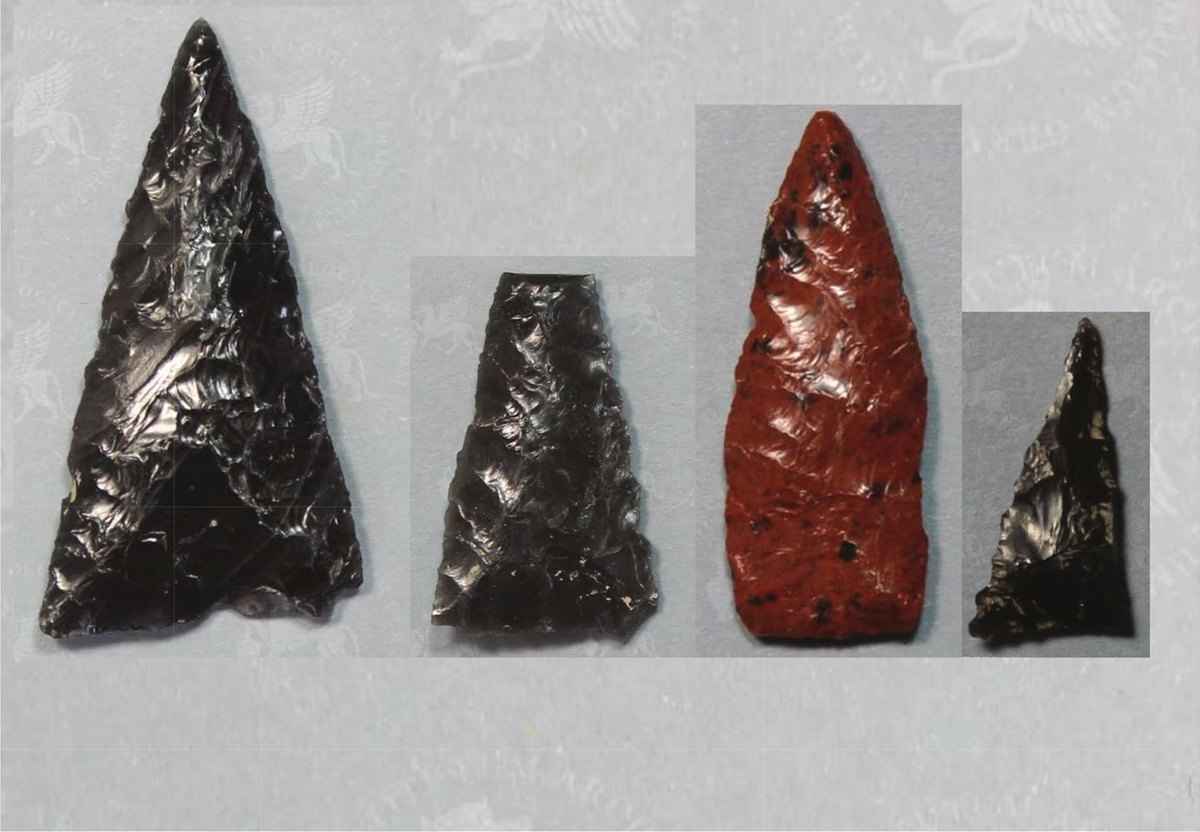
A spearthrower, or atlatl, is a hand-held lever that launches a long dart. The finding “agrees with the lack of bows in Paracas burials and in imagery on ceramics and textiles,” the authors write.
Raids, not war
The team also compiled 53 sites in the Palpa valleys with walls, weapons or defensible locations. Of the 165 Late Paracas sites, two-thirds had neither walls nor weapons, and only 54 had potential evidence of conflict. The clearest cases were larger settlements with both. Walls turned up at 26 sites, and slingstones or mace heads at just eight. Conflict “was limited to small-scale raids,” the authors conclude.
To see where people hunted, they mapped where guanacos, vicuñas and Andean deer live today. After keeping only one record every 50 kilometers, they had 58 points, 7 guanacos, 38 vicuñas and 13 deer, which they compared with 19 climate variables. One dominated: the temperature of the wettest quarter, with a 69% contribution to the model. That is “the growing season for pasture, the primary attractor for animals and hence hunters and herders,” the paper says.
Based on spatial correlations, the authors found that conflict did not drive where people settled. Hunting grounds, herding pastures and farmland did.
Why no bows?
The authors list possible reasons. The riverside woods are dominated by acacia and mesquite, which they describe as “too inflexible and knotty to be suitable for bows and too heavy for arrow shafts.” They add that bows might still have been made from such woods, since mesquite and willow were used for tools.
Old weapons often lasted. “The spearthrower was still in use when Europeans arrived in Alaska, Mexico, Patagonia, and the southwestern US,” the paper notes.
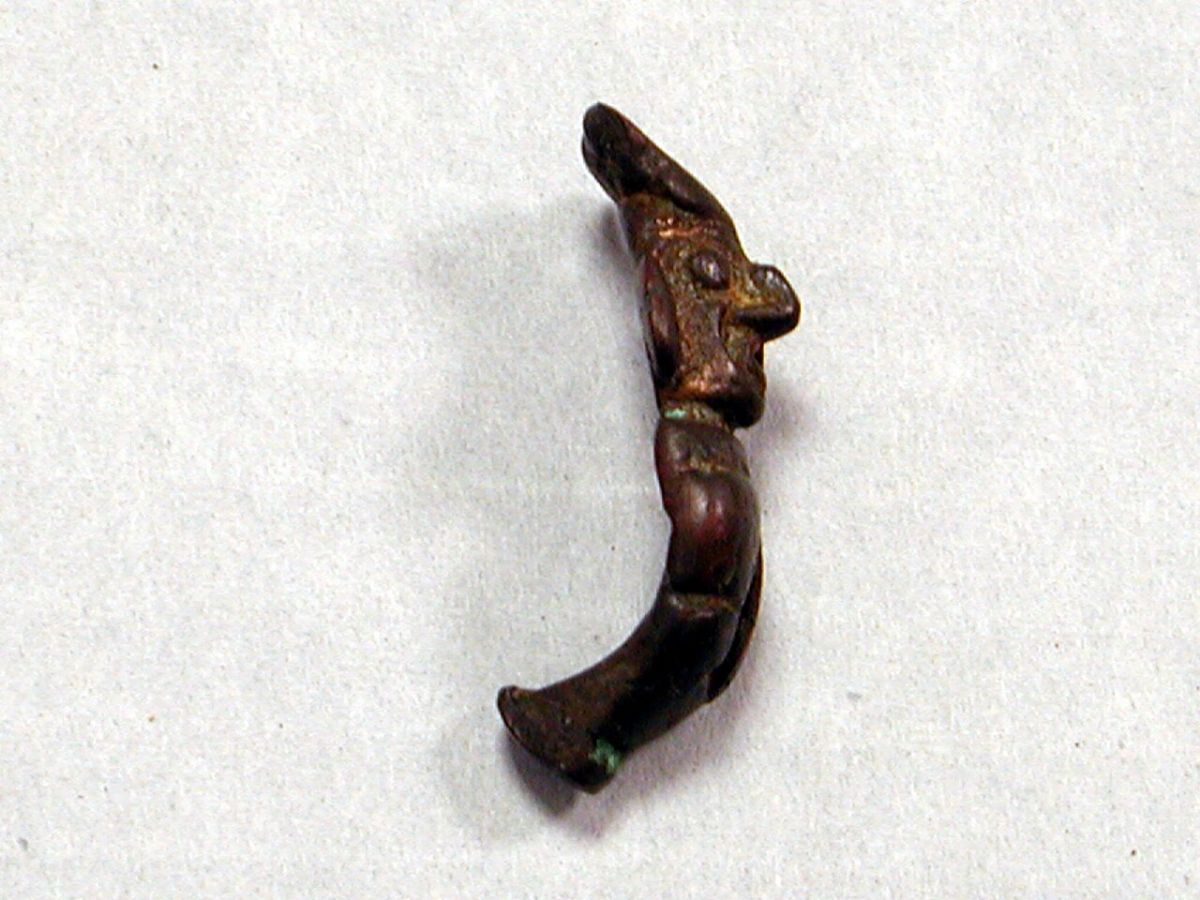
In North America the atlatl itself may be younger than thought. A June study in the Proceedings of the National Academy of Sciences, led by Metin Eren, used 66 radiocarbon dates from directly dated atlatls and darts to place its first appearance in western North America about 10,000 years ago, after the Clovis culture. Other research has tried to pin down when the bow and arrow reached North America.
What the study doesn’t claim
“We should be wary of generalizing an absence of evidence to other regions or periods,” the authors write. “For now, we only have evidence for the bow’s absence during the Final Formative occupation of the Palpa valleys.”
Pending more research, they suggest the lack of the bow may extend to the later Nasca, Moche and Chimú populations. The prey map relies on where animals live today, not where they lived 2,000 years ago.
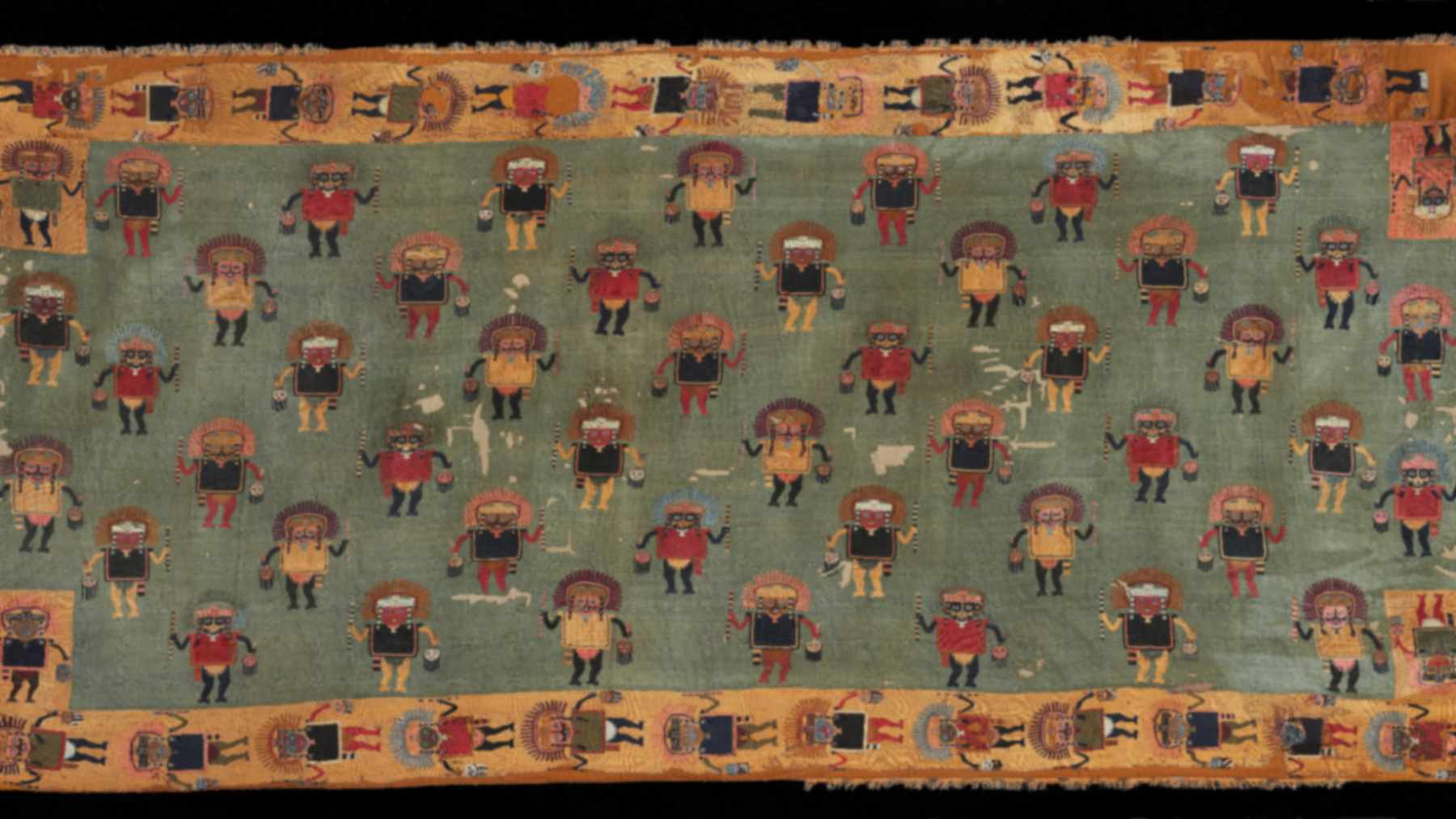
Image: Google Art Project / Wikimedia Commons (public domain)