What does a shrinking ice patch have to do with one of history’s biggest hunting upgrades? A new study in PNAS Nexus, published March 17, 2026, says the connection is direct because melting and dryness can preserve wooden weapons that normally disappear.
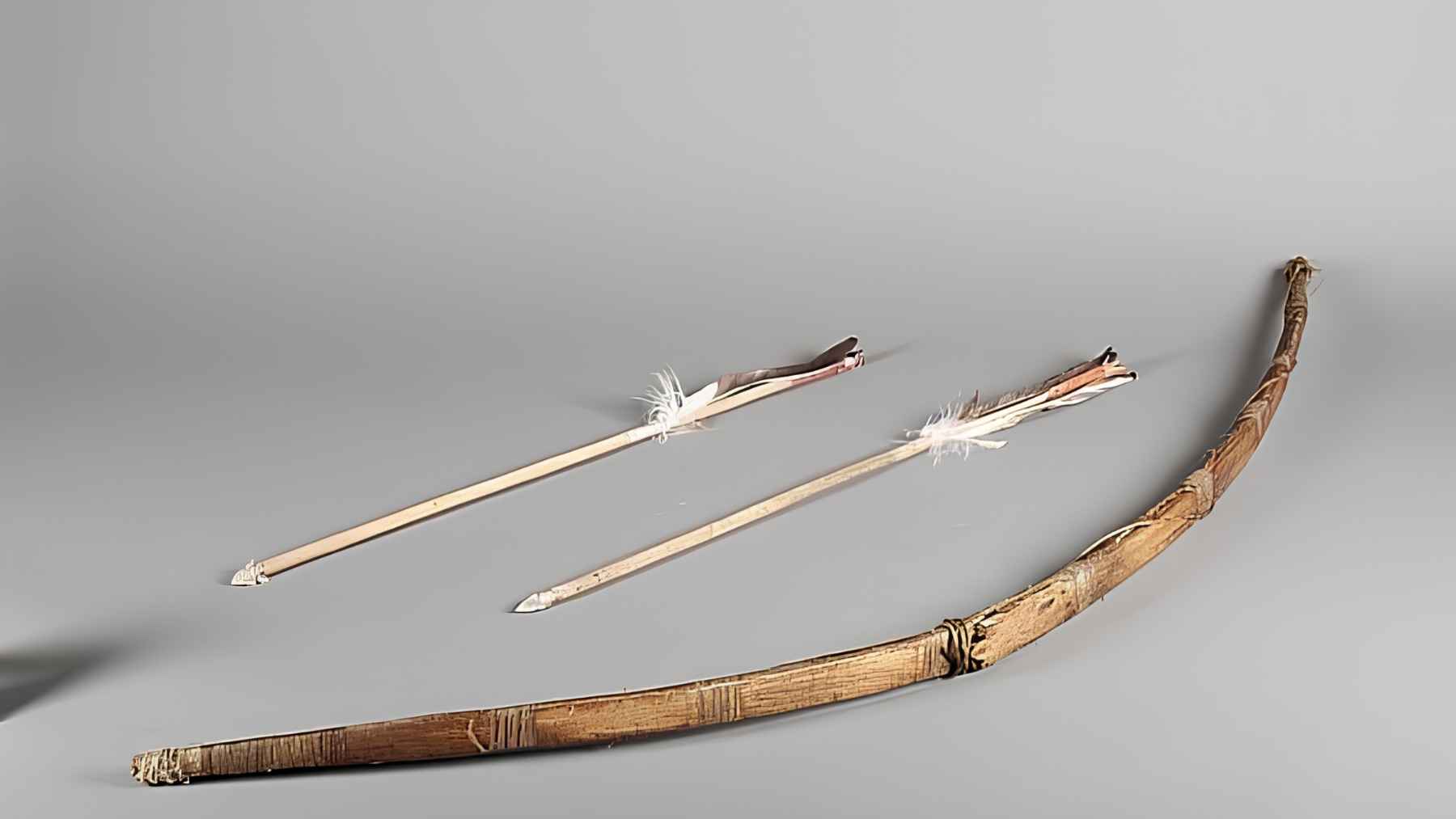
By analyzing those rare finds, researchers report that bows and arrows appear across western North America about 1,400 years ago, then take off in sharply different ways depending on the region.
South of the 55th parallel, the bow seems to have pushed the older atlatl (a spearthrower) and dart out of routine use almost immediately. North of that line, the bow arrived but the atlatl stayed in the toolkit for more than a thousand years, which the authors link to the realities of living with higher ecological risk and less room for error.
Where the evidence came from
Bows, arrows, atlatls, and darts are built mostly from wood, sinew, and plant fibers, so they usually rot away long before archaeologists arrive. That is why many timelines are reconstructed indirectly from stone points, even though the same point can sometimes work with different weapon systems.
To cut through that uncertainty, the team compiled 140 radiocarbon dates from 136 well-preserved organic weapons, including 86 atlatl or dart specimens and 50 bows or arrows.
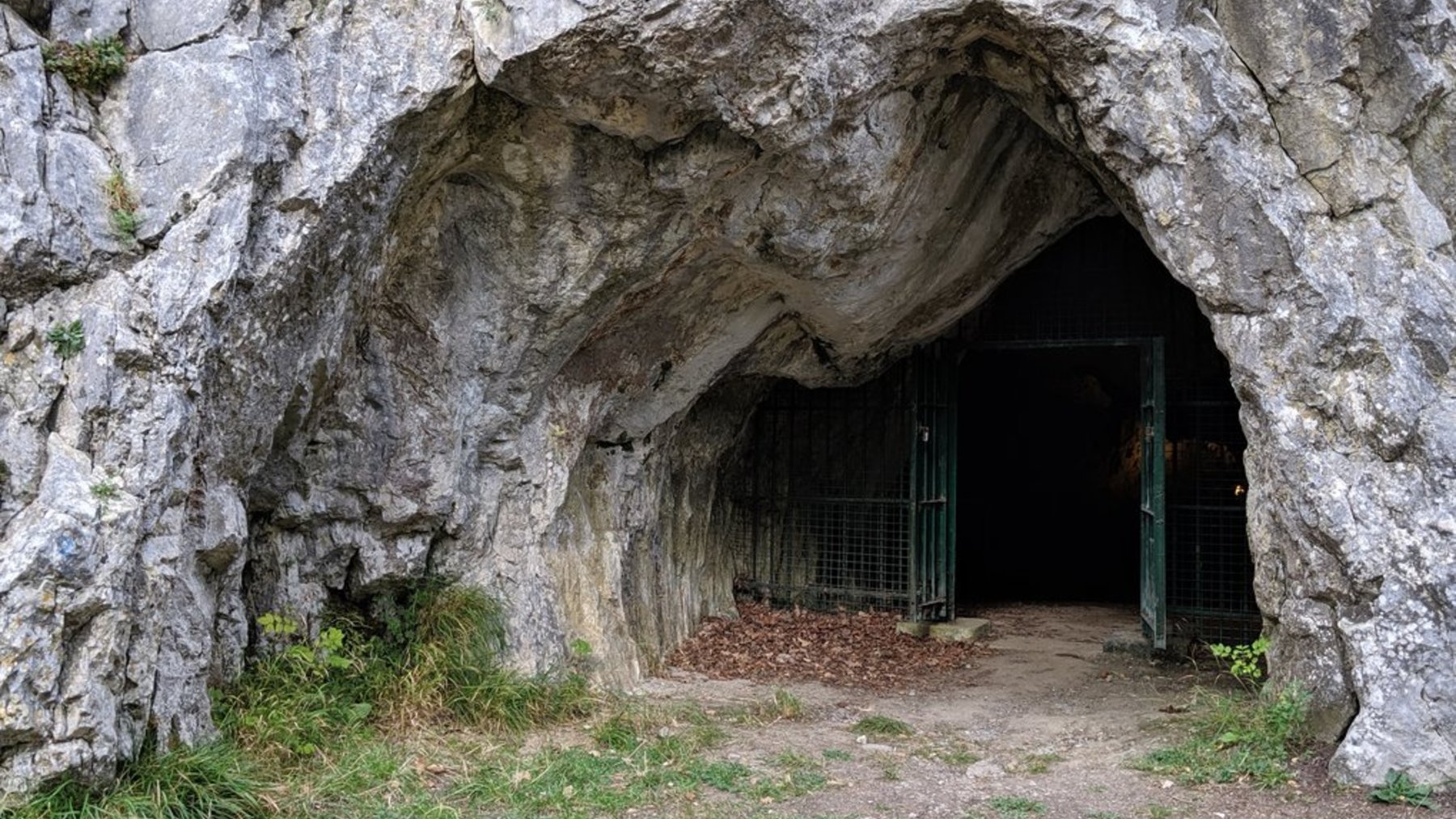
Many northern artifacts were recovered near the edges of glacial ice patches as the ice retreated, while many southern finds came from dry caves and rock shelters where organic materials can survive for centuries.
The dataset also carries a quieter ecological detail in the background. Where wood species were identified, the weapons drew on 16 different tree and shrub species, with birch and spruce showing up most often, a reminder that local plants were part of the technology as much as the hunters who shaped them.
A date that keeps resurfacing
The researchers used several statistical approaches, including chronological modeling, optimal linear estimation, and Bayesian logistic regression, to pinpoint when bows first appear in the record. Across both the northern and southern regions, the timing clustered around 1,400 years before present, which is roughly the mid-500s CE on the standard radiocarbon timescale.
Their optimal linear estimates land in the same neighborhood, with a mean around 1,396 calibrated years before present in the south and about 1,430 in the north. The spread of estimates shows some uncertainty, but the overall pattern is hard to miss, and it helps explain why earlier proposals for much older bows have been so contested.
The south switches fast
In the southern study area, stretching from northern Mexico through California and the American Southwest, the bow and arrow rapidly and almost completely replaced the atlatl and dart. The paper describes this as “technological disruption,” meaning the new tool did not simply join the lineup – it largely made the older approach obsolete.
So why the rush? Compared with an atlatl, which uses a lever to boost a thrown dart, a bow stores elastic energy and can offer higher accuracy, longer effective range, and faster shots per unit time. The authors also note tradeoffs like higher production and maintenance demands and weaker performance in certain weather, yet the swift shift suggests the benefits outweighed those costs for many communities.
The north keeps both
North of the 55th parallel, which crosses northern British Columbia and Alberta, the bow did not erase the atlatl right away. Instead, both technologies coexisted for more than 1,000 years, meaning people maintained an older solution alongside a newer one.
The authors suggest the atlatl may have kept advantages in colder months or for hunting certain prey, even after bows became known. In a place where seasonality bites hard, redundancy can be a form of resilience, and that mindset can shape what sticks around.
Ecology shapes what people keep
One of the study’s central ideas is that adoption is not only about which weapon is “better” in a general sense. At higher latitudes, where conditions can be harsher and more variable, hunter-gatherer toolkits tend to be more diverse, which can buffer against unpredictable resources.
In practical terms, that means multiple tools can overlap on purpose, even if they look redundant to modern eyes. A bow might excel in speed and stealth, while an atlatl might still shine in specific contexts, and keeping both can reduce the risk of being caught short when conditions change.
A rapid idea carried by human networks
Another striking result is how close in time bows appear in very distant parts of western North America. The authors say the near-synchronous emergence across a vast, contiguous region is most simply explained by a rare invention event followed by rapid diffusion through “cultural transmission networks,” even if today’s data cannot pinpoint a single starting point.
It is an old story with a modern feel. When an innovation works, people copy it, teach it, and adapt it, and it can spread quickly through social connections, trade, and travel in ways that leave a surprisingly tight archaeological timestamp.
The environmental thread running underneath
This research also underlines a less comfortable fact about discovery. Many northern weapons were found where ice patches are receding, and organic artifacts only survive as long as their protective conditions last.
For readers, the bigger point is that environmental preservation is fragile, and there can be a narrow window to document objects once they surface, much like wood that cracks once it dries out.
The study was published in PNAS Nexus.