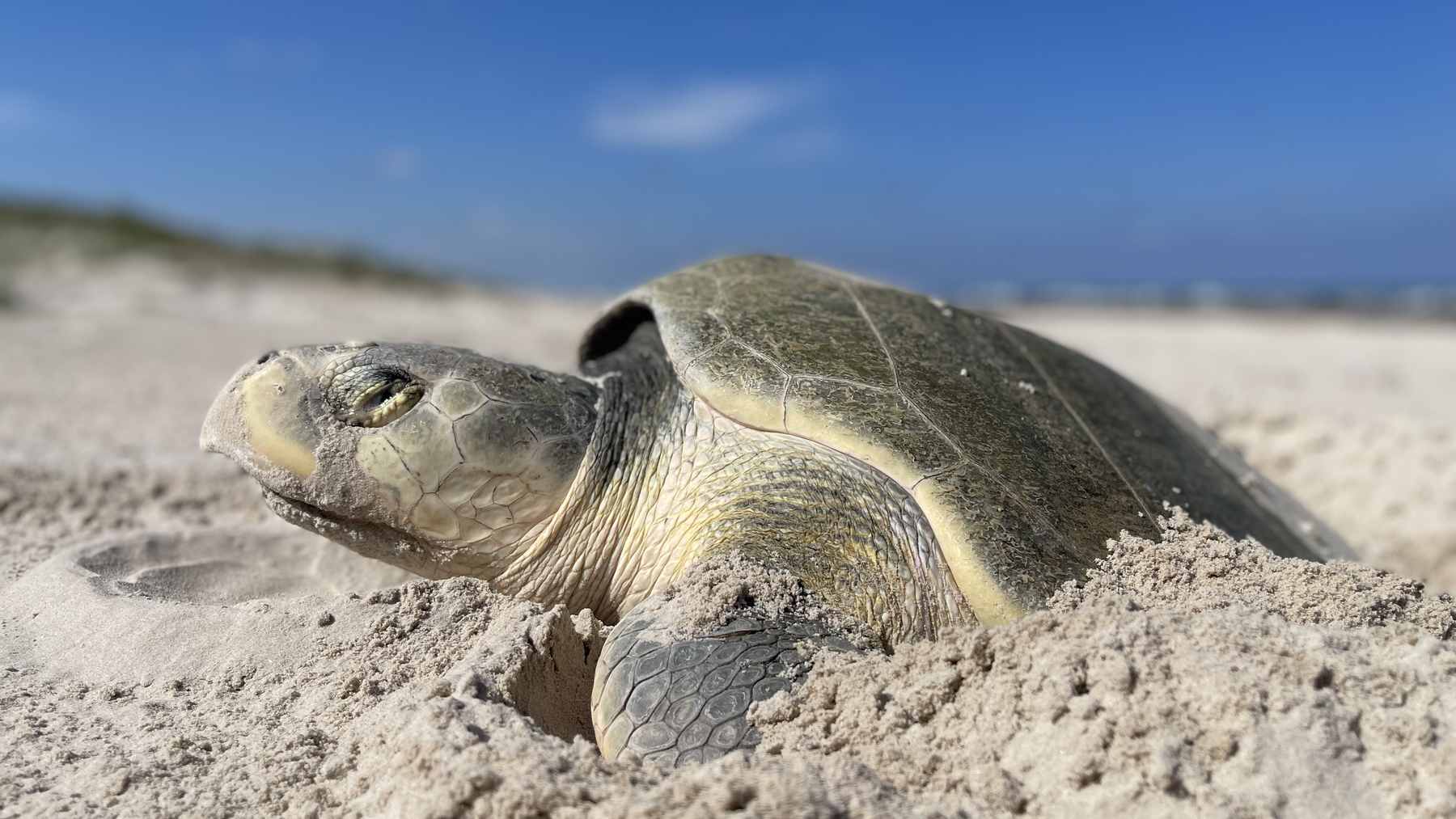
Kemp’s ridley sea turtles dug 697 nests on the Texas coast during the 2026 nesting season. That is a 55 percent jump from the 449 nests found in 2025, according to the U.S. Fish and Wildlife Service and the National Park Service.
The two agencies announced the count in a joint news release on November 9. They called the Kemp’s ridley the world’s most endangered sea turtle. The rise, they said, builds on decades of conservation work.
From near extinction to 697 nests
Kemp’s ridleys probably once formed large nesting colonies across the western Gulf, according to the release. Egg collection, fishing bycatch and habitat loss then drove them to the edge of extinction.
In 1978, the Texas coast saw about one Kemp’s ridley nest every three years. This year’s count is nearly 700, a change Shaver credits to partners on both sides of the border.
The Kemp’s ridley is also the world’s smallest sea turtle, according to an April article from the Fish and Wildlife Service. It relies almost entirely on Gulf beaches in Texas and Mexico to replenish its numbers, and only about 1 in 1,000 sea turtles lives long enough to breed.
Mature females can nest up to three times a year on the Texas coast. Trained staff and volunteers find the nests on beach patrols and by answering reports from the public.
A cross-border rescue plan
The recovery began with a restoration plan aimed at saving the species from extinction. It brought together federal agencies, the Texas Parks and Wildlife Department and Mexico’s Instituto Nacional de Pesca.
Starting in 1978, the program collected part of the eggs laid on Rancho Nuevo beach. That stretch of Mexican coast is the species’ main nesting site. The eggs were taken to Padre Island National Seashore in South Texas and incubated there.
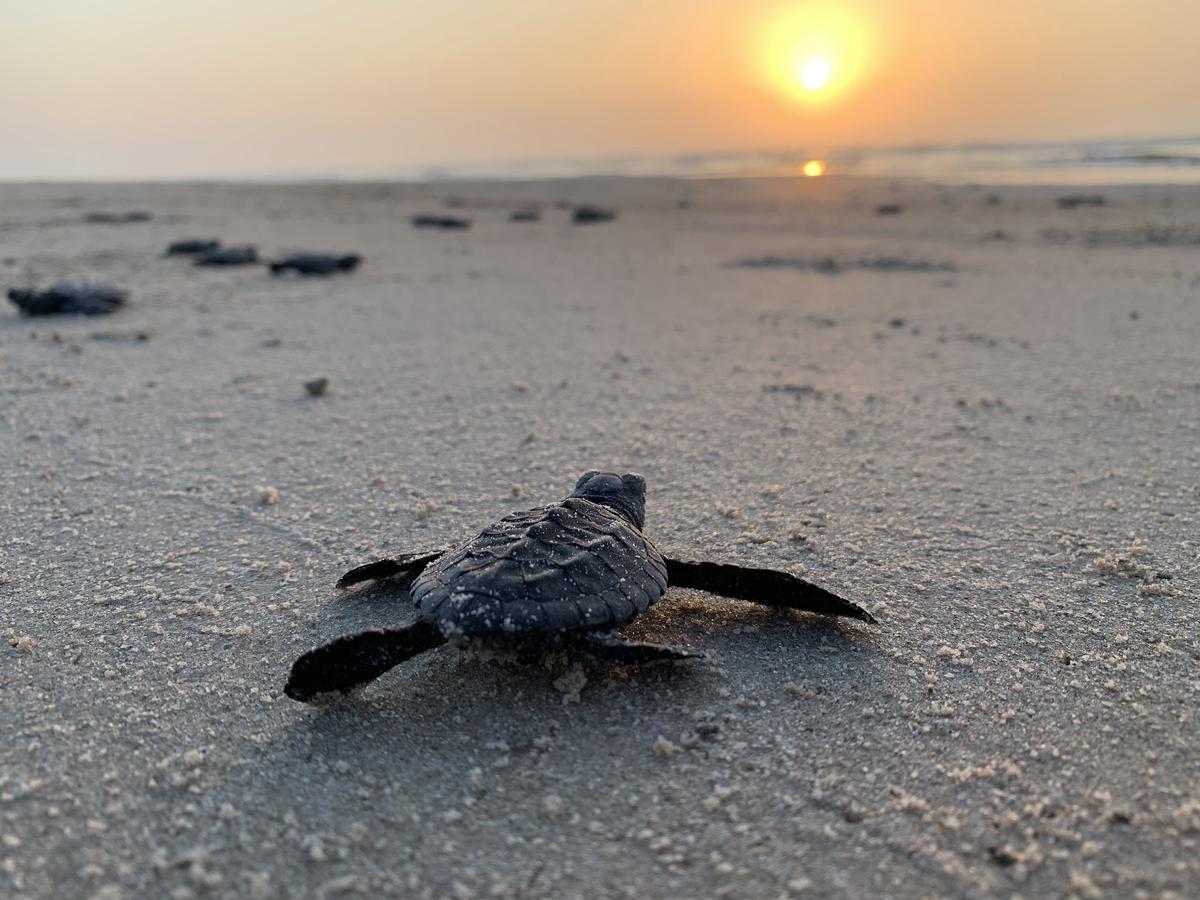
Hatchlings were released onto the Padre Island sand so they would imprint on it. The hope was that they would one day come back to nest. After a short swim they were recaptured and raised in Galveston, then tagged and released once they were big enough.
In 1996, the first tagged turtles were found returning to Padre Island to nest. This year’s nesting females trace their lineage back, in part, to those reintroduced turtles.
“A remarkable success story”
“What began as a conservation emergency has become a remarkable success story,” said Dr. Donna J. Shaver, Chief of the Division of Sea Turtle Science and Recovery at Padre Island National Seashore.
She said that growth needed decades of partnership among thousands of people and groups in both countries. Other states have had strong seasons too: Georgia beaches logged a record 4,292 sea turtle nests of all species in 2026.
Today, eggs from reported Kemp’s ridley nests are collected by trained professionals. They are incubated, hatched and released on Padre Island beaches to give the young turtles their best chance of survival.
How beachgoers can help
From March to September each year, the agencies say, beachgoers play a critical role as the turtles nest. They ask people to drive slowly on Texas beaches and to stay at least 100 feet from any turtle.
Anyone who sees a stranded, injured or nesting sea turtle, or its nest or tracks, can call 1-866-TURTLE-5. Reports of cold-stunned turtles matter too. One example is Pancake, an 11-pound turtle rescued on Cape Cod and released after rehab.
After calling, people should stay on site until a biologist arrives, the agency advises. If they cannot wait, they can mark a wide circle around the nest with natural debris such as small pieces of wood, without covering it.
Alicia Walker coordinates the state’s Sea Turtle Stranding and Salvage Network for Texas Parks and Wildlife. She said responsible fishing and protecting beaches help as well. “Sea turtles are a key part of a healthy Gulf ecosystem,” she said.
Still a long way to go
Biologists are optimistic about where the species is heading, according to the release. They point to progress toward the goals of the Binational Recovery Plan for the Kemp’s Ridley Sea Turtle.
“Seeing a nesting turtle is an amazing life experience, and by reporting them you help ensure the species’ future,” said Cynthia Rubio, a biologist with the Fish and Wildlife Service.
Partners keep working on the species all year so future generations can see these turtles on Texas beaches. Their relatives can surprise scientists elsewhere, too: in California, two olive ridleys laid the first sea turtle nests ever recorded on America’s West Coast.
Photo: Cynthia Rubio/USFWS (public domain)