Delaware pesticide contamination probe: high levels showed up in surface water near Chorman Airport, federal investigators are involved, and well owners within 5 miles are advised not to boil water
Delaware pesticide contamination: high levels showed up in water near Chorman Airport, and well owners within 5 miles are told not to boil water.

· 4 min read
State and federal investigators are looking into possible pesticide contamination around Chorman Airport, near Greenwood, Delaware. Preliminary tests confirmed on November eighteenth found high pesticide levels in surface water from a ditch on the airport property and from two spots about half a mile and two miles away. Officials say there is no evidence that people or animals have been exposed at harmful levels, but they do not yet know whether nearby private wells are affected. Well owners within five miles are asked not to boil their water, because boiling does not remove pesticides and may increase their concentration. Water will be available Saturday, November twenty-first, from nine a.m. to two p.m. at the Farmington Volunteer Fire Company. The state plans to start testing private wells in the coming weeks, and a call center opens Monday, November twenty-third, at noon. The Department of Agriculture is also investigating Chorman Spraying, LLC.
Key points
- Delaware pesticide contamination
- Chorman Airport
- private well testing
- EPA investigation
Delaware pesticide contamination concerns have triggered state and federal investigations. On November 20, state agencies said they are looking into potential contamination around Chorman Airport, near Greenwood.
The state inquiry runs alongside an investigation by the U.S. Environmental Protection Agency's Criminal Investigation Division and the Department of Justice. Federal investigators were the ones who notified the state about potential contamination around the airport, according to the joint announcement.
The key question now is whether private drinking water wells nearby have been affected. Officials say they do not know yet. Meanwhile, they are asking residents with wells to take precautions.
What the first tests found
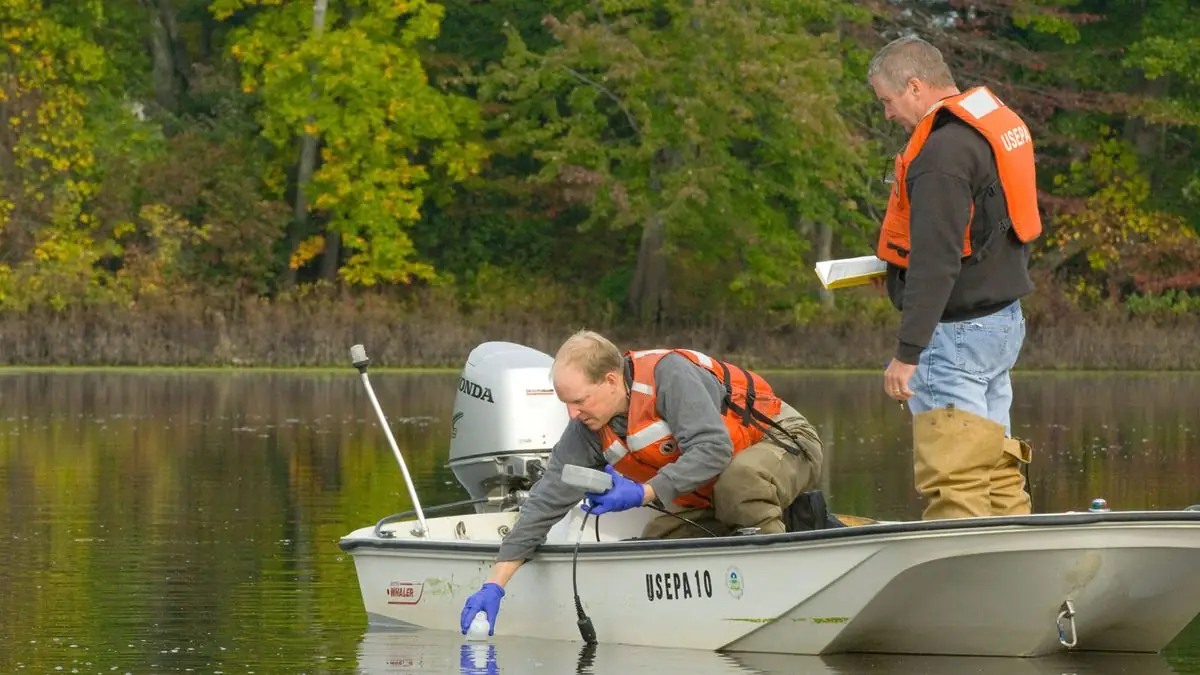
Preliminary testing, confirmed on November 18, detected high pesticide levels in surface water. The samples came from a ditch on the airport property and from two offsite spots, about half a mile and two miles away.
Some of the contaminants identified may pose risks to human and animal health at high levels, the agencies say. They add that there is no evidence at this time that any people or animals have been exposed at those levels.
The announcement does not name the pesticides involved, and testing is ongoing.
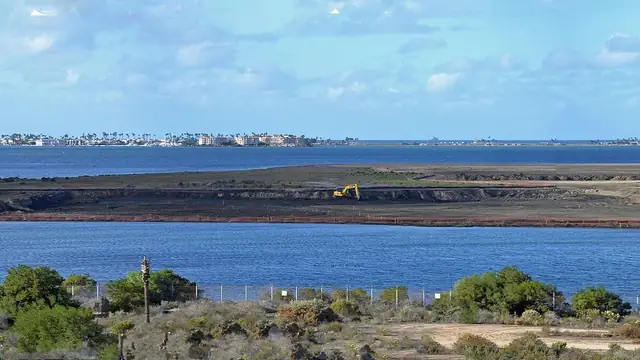
Three state agencies are working together on the inquiry. They are the Department of Agriculture, the Department of Natural Resources and Environmental Control (DNREC) and the Department of Health and Social Services.
Why wells are the worry
Drinking water in the area comes mostly from individual private wells. Pesticides have been detected in surface water, but further testing is needed to know whether any have reached those supplies.
Those wells are not regulated under the federal Safe Drinking Water Act, so owners are responsible for their own water, the EPA explains. Around 15 percent of the U.S. population, over 43 million people, rely on private wells.
The state plans to begin testing private wells in the coming weeks, choosing which ones to sample based on the environmental results. Well owners will receive their results along with guidance on any precautions or treatment options.
The closest municipal water source is about 3.8 miles from the airport, the agencies say. Municipal systems generally draw from deeper aquifers, which may be less affected by surface contamination, and are regularly tested.
Advice for people on wells
Residents with wells who live within 5 miles of the airport are asked to consider several precautions. Above all, they should not boil their water to try to remove the contaminants.
Boiling does not remove pesticides and may increase their concentration, the agencies warn. Instead, residents may choose other water sources for drinking, cooking, brushing teeth and preparing infant formula while testing is underway.
The state said water would be available on Saturday, November 21, from 9 a.m. to 2 p.m. at the Farmington Volunteer Fire Company. More dates may be added.
People can keep using their usual water for washing and bathing. There is no indication that this is unsafe.
A call center opens on Monday, November 23, at noon to answer questions about the investigation and the well testing. Residents can call toll-free at 1-866-408-1899 or locally at 302-672-6100.
Sampling around the airport
Initial tests of four pesticide monitoring wells, at depths of 13 to 16 feet below ground, did not detect pesticide contamination.
DNREC is starting an immediate sampling plan at about 30 locations within a 2.5-mile radius, Secretary Greg Patterson said. It covers soil, ditches, streams and available groundwater monitoring wells. The goal is to see whether chemicals have moved beyond the property and at what levels, and the area may be expanded.
Harrison Hines, Delaware's director of public health, said access to safe drinking water is essential. The priority is to identify any potential risks and make sure appropriate testing is done, he said. Officials also want to help residents understand what steps they may need to take.
A pesticide applicator under investigation
The Department of Agriculture is investigating the pesticide handling practices of Chorman Spraying, LLC. That investigation may result in legal action regarding the company's license, the agencies said. The release does not say whether the company is connected to the contamination.
Agriculture Secretary Don Clifton said his department cannot comment on the specifics of an ongoing investigation. Any applicator found to be breaking state rules will be held accountable under the law, he added.
Clifton also said the situation will affect farmers in the area, and that his department will work to give them accurate information.
State agencies will decide whether any state laws or regulations were violated and take enforcement action when warranted. They say more information will be shared as the investigation continues.
Photo: U.S. EPA
Glossary for this story
- Pesticides
- Chemicals used to kill pests, weeds or fungi on crops.
- EPA
- The Environmental Protection Agency: the U.S. federal agency in charge of protecting air, water and land and enforcing environmental laws.
- Aquifer
- An underground layer of rock or soil that holds water, which can be pumped out through wells.
Javier Niño
Writer at ECOnewsJavier Niño has been a Spanish National Police officer since 2017 and a journalist specialising in employment, labour law and Social Security, with more than seven years of writing experience. At ECOnews he covers environment, energy and sustainability news, focusing on how new regulations and court rulings affect people in their everyday lives.
More from Javier NiñoComments · 0
Rules ›No comments yet. Be the first to share your view.