Southern Resident killer whales are down to 74 in NOAA's new draft count, and the federal threshold for human-caused deaths in this endangered orca population is about one whale every seven years

· 4 min read
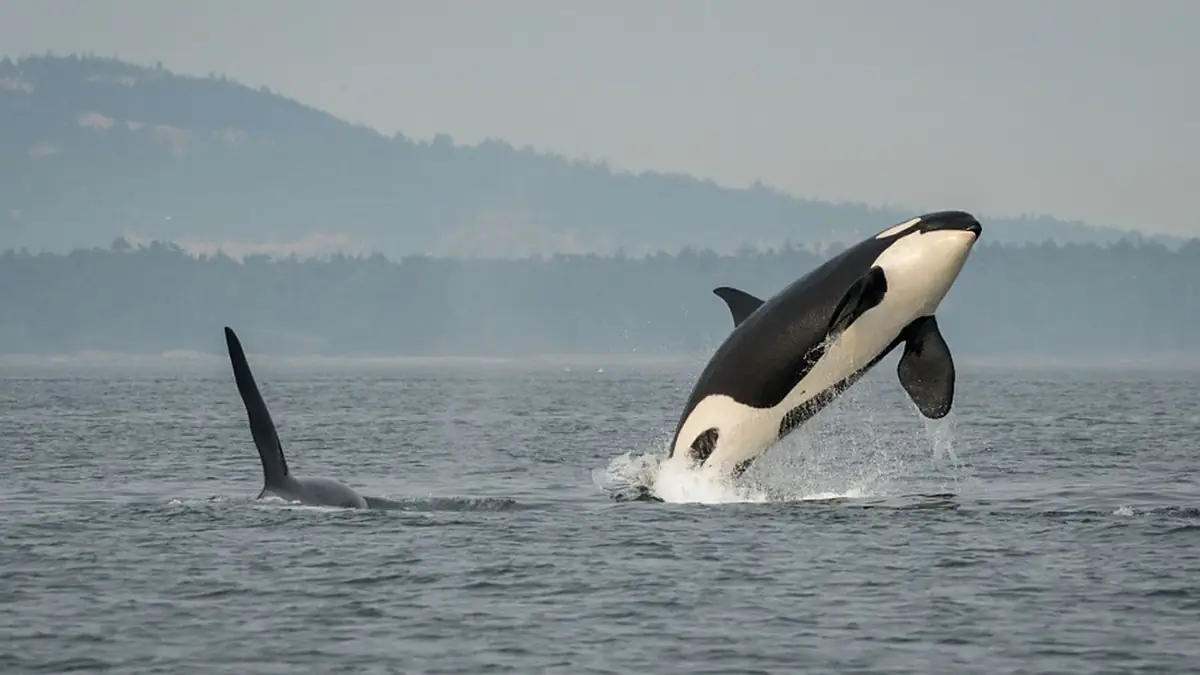
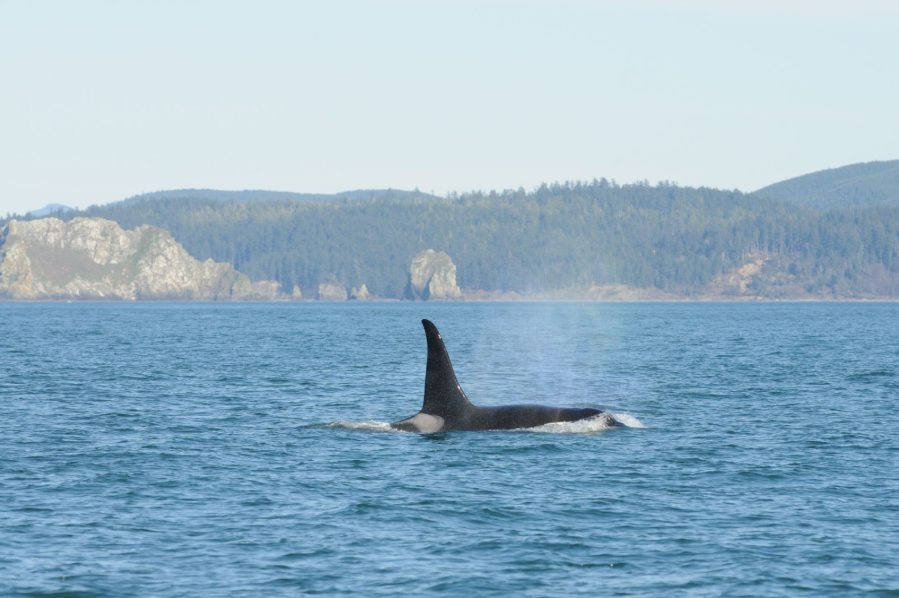
Southern Resident killer whales numbered just seventy-four animals in 2025, according to a new draft report from NOAA Fisheries. These endangered orcas live in J, K and L pods and spend part of the year in the Salish Sea. The latest census recorded four new calves, but two of them died, along with an adult male. The population peaked at ninety-nine whales in 1995 and has declined about one percent a year since. NOAA sets the limit for human-caused deaths at 0.13 whales a year, or about one animal every seven years. The agency points to limited Chinook salmon, vessel noise and contaminants as possible factors holding the whales back. A genome study also suggests inbreeding is limiting growth. NOAA will accept public comments on the draft until February eighteenth, 2027.
Key points
- Southern Resident killer whales
- orcas
- Salish Sea
- NOAA stock assessment
Southern Resident killer whales numbered just 74 animals in 2025, according to a new draft report from NOAA Fisheries. The figure appears in the agency's draft 2026 marine mammal stock assessments. NOAA opened them for public comment on November 20.
These orcas live in three groups known as J, K and L pods. They spend part of the year in the Salish Sea, the inland waters shared by Washington State and British Columbia. They are listed as endangered under the Endangered Species Act.
In winter, the whales also travel the outer coast off Washington and Vancouver Island. They have been documented as far south as central California and as far north as Southeast Alaska, the draft says.
The count is not an estimate based on a sample. Researchers identify every whale individually, so the 74 serves as both the best and the minimum estimate of the population, the draft says.
Four calves, three deaths
The latest census ran from July 1, 2024, to July 1, 2025. It recorded four new calves: a male, L128, and three females, J61, J62 and J63.
Two of those calves, L128 and J61, died, and a male, K26, died as well. Since that census ended, two more calves have been born, L129 and K47, according to the draft Pacific report.
Losses like these weigh heavily on such a small group. Every birth and death in the three pods shows up in the yearly total.
Fewer orcas than in the 1990s
The population has risen and fallen over the past five decades. The first complete census in 1974 identified 71 animals, and by 1993 the three pods totaled 96 whales.
The count peaked at 99 in 1995. Since then, the draft says, the population has declined by about 1% a year, falling to 79 whales in 2001 and 74 in 2025.
Live captures decades ago also took a toll on these pods. During a live-capture fishery from 1967 to 1973, an estimated 47 killer whales, mostly young animals, were taken from this population.
One whale every seven years
Each stock assessment sets a potential biological removal level, or PBR, for human-caused deaths. For the Southern Residents, NOAA calculates it at 0.13 whales a year, or about one animal every seven years.
The number is so low because the population is small and endangered. That status brings in a recovery factor of just 0.1. A single undetected fishery death would exceed 10% of that threshold, the agency notes.
The documented human-caused deaths and serious injuries for 2020 to 2024 were zero. Vessels remain a risk, though. J34, a young adult male found dead in 2016, had injuries consistent with a vessel strike, the draft says.
Salmon, noise and pollution
NOAA points to several factors that may be holding the population back. They include limited Chinook salmon, plus noise and disturbance, including from vessel traffic, that make feeding harder. High levels of contaminants such as PCBs and DDT are also on the list.
Salmon make up almost everything these whales eat. In fecal samples collected from 2006 to 2011, salmon accounted for more than 98.6% of the genetic sequences. Chinook salmon alone made up 79.5%.
The menu changes with the seasons. Chinook dominate in early summer, while coho salmon average more than 40% of the diet in late summer, according to the report.
The Salish Sea is also busy with whale watching boats, recreational boating and commercial shipping. Washington expanded its state rule for keeping vessels away from the whales to 1,000 yards in January 2025.
A small, isolated gene pool
The draft also cites a genome study suggesting that inbreeding is limiting the population's growth. That study predicts further decline if the whales remain genetically isolated and typical conditions continue.
A 2026 review led by a former NOAA scientist looked at how the Southern Residents overlap with other killer whale populations. The overlap could mean more competition. But it could also help if the whales ever interbred with those populations, according to NOAA Fisheries.
The timing of their summers is shifting as well. Their attendance in their core summer habitat in the Salish Sea has been well below average since 2018, and their arrival there has shifted later in recent years, the draft notes.
Public comments until February
The orca report is one of 42 stock reports NOAA revised or developed in the Alaska, Atlantic and Pacific regions this year. The data generally cover 2019 through 2023 or 2024, the Federal Register notice says.
NOAA will accept public comments on the drafts until February 18, 2027. After that, the agency will publish the final reports.
Killer whales elsewhere show how varied orca behavior can be. In the Gulf of California, orcas break apart dead sunfish so their young can eat. In Washington's waters, the question is whether 74 whales can start growing again.
Photos: NOAA Fisheries
Glossary for this story
- NOAA
- The National Oceanic and Atmospheric Administration: the U.S. agency that tracks weather, climate, oceans and fisheries.
- Endangered species
- A species at serious risk of disappearing. In the U.S., the Endangered Species Act protects those listed.
- Vessel strike
- A collision between a ship or boat and a marine animal, such as a whale. Such collisions often cause serious injury or death.
Jordi Company
Writer at ECOnewsJordi Company is a well-known figure in Catalan publishing and a pioneer of the free press model, with 40 years of experience in television, radio and print. He has founded and led several media groups and today heads ECOticias.com, an environmental news outlet read in Spanish and English around the world and an audience leader since 2004. He is a member of the International Network of Writers for the Earth (RIET), among other organisations.
More from Jordi CompanyComments · 0
Rules ›No comments yet. Be the first to share your view.