California wolves: biologists collared six more from the air in three days, including pups born this year, and one pack in Siskiyou County now carries seven GPS collars
California wolves: CDFW collared six more from the air in three days, including pups, and the Whaleback Pack now carries seven GPS collars.

· 4 min read
California state biologists spent three days capturing wolves from the air in Northern California and fitted six of them with GPS collars, the Department of Fish and Wildlife said on November 20. Crews tried in five packs and succeeded in three. The new collars went on pups born this year and on older wolves, including two wolves in the Long Valley Pack, one in the Ashpan Pack, and three in the Whaleback Pack in Siskiyou County. The Whaleback Pack now carries seven active collars, making it one of the most closely monitored packs in the state. The state now has fifteen active wolf collars. The collars log locations several times a day and usually send them to the agency once a day, so they do not give real-time tracking. Each wolf also gave a genetic sample, which a state lab will analyze to confirm identity and family ties.
Key points
- CDFW collared six wolves in three packs during a three-day aerial operation
- The Whaleback Pack in Siskiyou County now has seven active collars
- California now has 15 active wolf collars; one Harvey Pack wolf dispersed into Oregon
California wolves just got a lot easier to follow. State biologists spent three days capturing wolves from the air in Northern California and fitted six of them with GPS collars, the California Department of Fish and Wildlife (CDFW) said on November 20.
Crews tried for captures in five packs and succeeded in three. The newly collared animals include pups and young adults, according to the release published by CDFW.
With the new collars, the state now has 15 active wolf collars. The agency calls the captures an important milestone for its wolf monitoring work.
Three days, five packs
The operation began in Sierra County with the Long Valley Pack. Biologists captured and collared two wolves there, one pup born this year and one young adult.
Crews also flew over the Grizzly Pack in Plumas County but made no captures. The next day, the team focused on the Ashpan Pack in Shasta County, where one pup born this year received a GPS collar.
That brings the Ashpan Pack to two active collars. Flights over the Whitehorse Pack in Modoc County did not produce any captures.
The last day took place in Siskiyou County with the Whaleback Pack. Biologists collared three wolves there, two pups born this year and one older wolf.
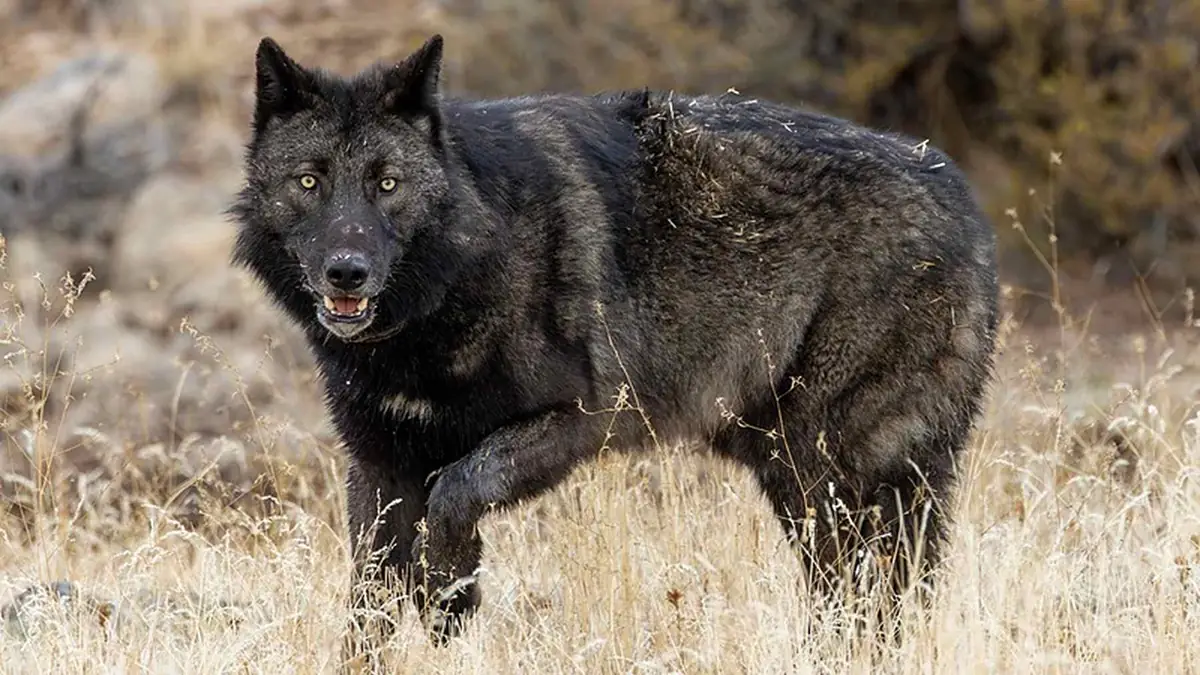
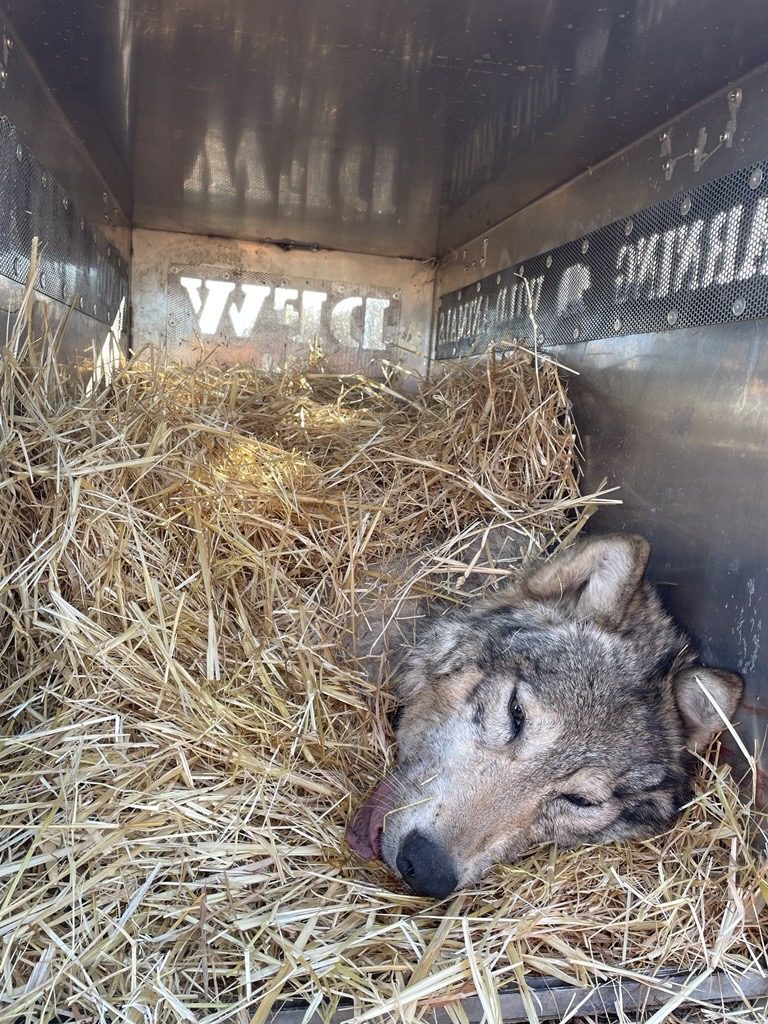
The Whaleback Pack now has seven active collars, which makes it one of the most closely monitored packs in the state, CDFW said. A photo the agency released shows a black wolf pausing as it is set free after being collared.
What the collars record
GPS collars are among the most important tools wildlife biologists have for studying California's wolves, according to the agency. The collars log the animal's location at scheduled intervals.
That data shows how wolves move, where young animals disperse and how packs behave. The collars do not provide real-time tracking, CDFW stresses.
In a February release about an earlier capture, CDFW explained that the collars gather several location points a day. They generally send those stored points to the agency once a day.
Each collar has an expected battery life of about two to three years. It is programmed to drop off the animal before the battery runs out.
Earlier captures this year
This is not the first capture effort of 2026. Between January 12 and 20, CDFW collared five gray wolves from the Whaleback and Harvey packs in Lassen, Modoc, Shasta, Siskiyou and Tehama counties.
In that operation, each wolf was flown to a nearby field site, collared and checked. Staff took body measurements, DNA and blood samples, then released the animals on public land close to where they were caught.
The work carries risk, the agency acknowledged at the time. A sixth wolf, an adult female from the Harvey Pack, died after capture, and CDFW said the factors contributing to its death were being investigated.
By February, CDFW had captured 38 gray wolves for collaring over the past decade, and 13 wolves carried active collars. After the November flights, the state has 15 active collars.
DNA and a public map
Every newly collared wolf also gave a genetic sample. CDFW's Wildlife Forensic Lab will analyze them to confirm each animal's identity and family relationships.
Those results should help biologists understand how the state's growing wolf population is connected. The public wolf location map will soon show the approximate locations of the new collars.
The collars also have practical uses. CDFW says the information helps guide management decisions and track the recovery and expansion of wolves across the state.
It can also help identify, and possibly ease, areas where wolves and livestock come into conflict.
One wolf crossed into Oregon
Not every collared wolf stays in California. One collared wolf from the Harvey Pack recently dispersed into Oregon, according to the agency.
The GPS part of another Harvey Pack collar recently stopped working. CDFW says evidence suggests that wolf is now in Oregon too.
Wolves crossing state lines is how the story began. CDFW says gray wolves were likely wiped out in California by the 1920s and began coming back on their own in late 2011, following the Oregon wolf known as OR-7.
A protected species
The state did not reintroduce wolves, as CDFW's gray wolf page points out. That makes California different from Yellowstone, where wolves were brought back by people in the 1990s.
In California, the gray wolf is listed as endangered under both state and federal law. In September, CDFW said it remains committed to endangered species recovery while the U.S. Fish and Wildlife Service studies whether to delist gray and Mexican wolves.
Tracking also keeps turning up surprises elsewhere. In northern Minnesota, scientists found that wolves likely spread blueberry seeds in their scat. For California's biologists, six more collars mean more chances to learn how these returning predators live.
Photos: California Department of Fish and Wildlife
Glossary for this story
- Endangered species
- A species at serious risk of disappearing. In the U.S., the Endangered Species Act protects those listed.
ECOnews Newsroom
Writer at ECOnewsA team of journalists specializing in socio-environmental news, sustainability, climate change, the environment, responsible consumption, and innovation. At EcoNews, we provide clear, reliable, and relevant coverage of the environmental and social challenges shaping our era.
More from ECOnews NewsroomComments · 0
Rules ›No comments yet. Be the first to share your view.