Bears and wolves
Wolves on Isle Royale have made a comeback from just a few individuals. In gardens, foxes and hedgehogs have been seen having a meal together. Rare small animals have also been located in surprising places.
29 stories · since 2026 · latest, November 16, 2026
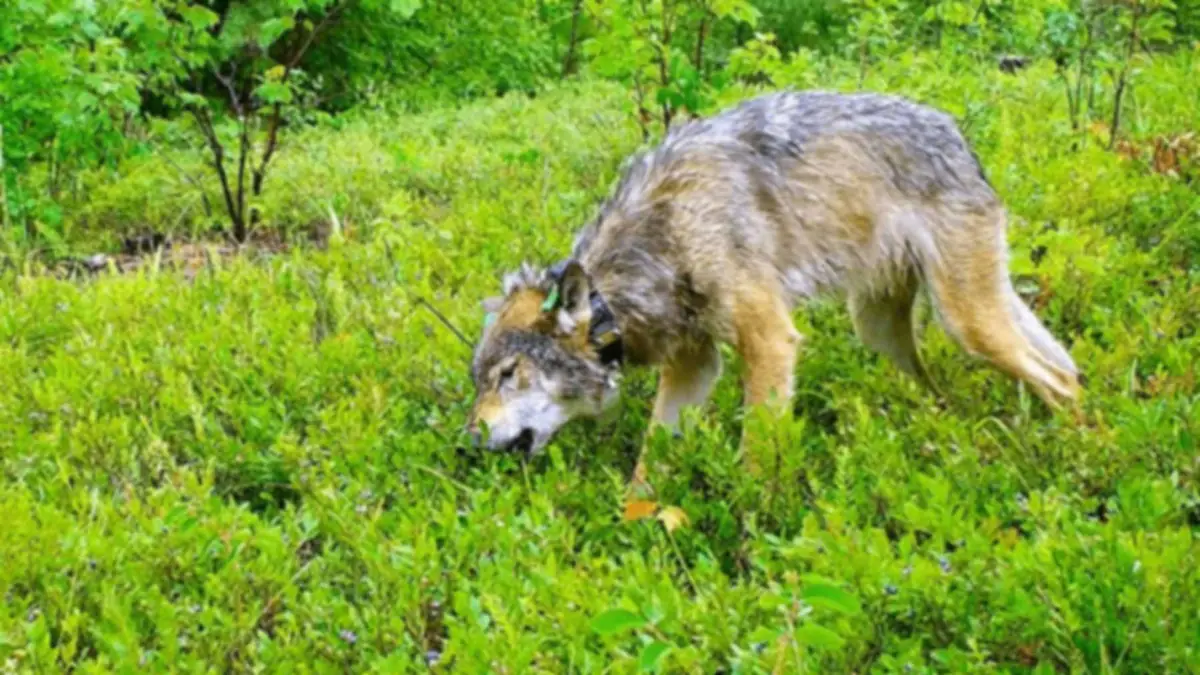
Wolves in northern Minnesota leave blueberry seeds in their scat, and when scientists planted them 96 percent sprouted, which hints at a job few people would expect from a predator
Blueberry seeds recovered from wolf scat in northern Minnesota sprouted at a rate of 96 percent in controlled trials. Seeds taken directly from the fruit…
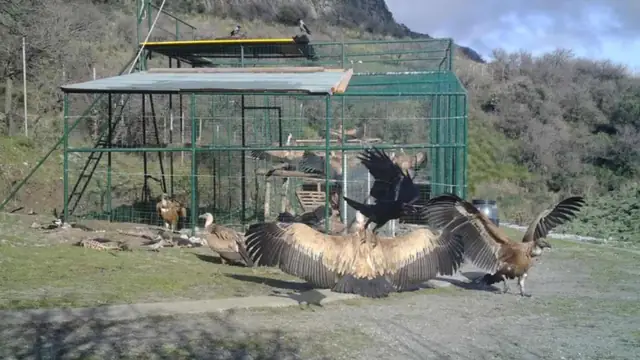
Poison set out for foxes emptied a Sicilian mountain range of griffon vultures, but after about 70 years two young birds have taken flight there and the park already wants a vulture that eats bones
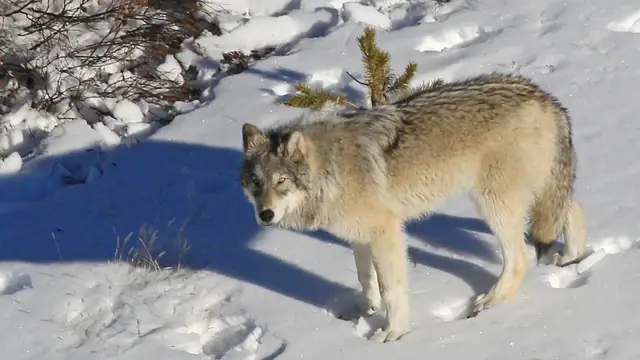
Yellowstone wolves number 84 across seven packs and one new group at the end of 2025, three decades after 41 were released, and researchers still disagree about how much the predators changed elk, willows and streams
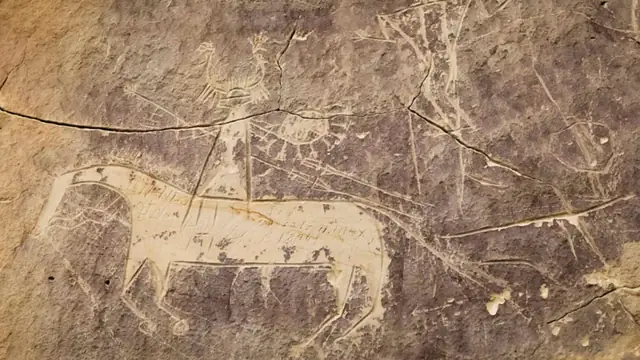
A foal buried beside coyotes in Wyoming shows Indigenous peoples were raising horses decades before the 1680 Pueblo Revolt, and a healed fracture in its skull suggests someone cared for it
Indigenous peoples were raising horses on the Great Plains and in the northern Rockies by the early 1600s. That puts them decades ahead of the Pueblo…
Adrian Villellas · November 9, 2026
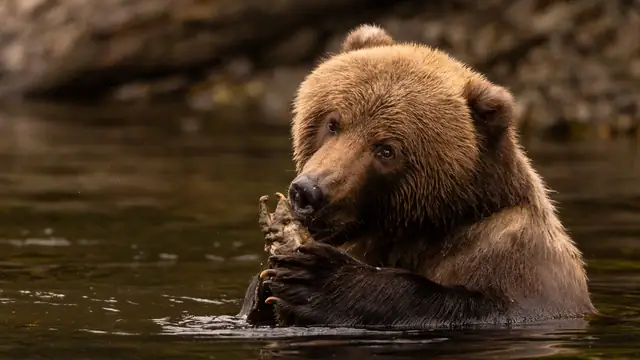
Do bears hibernate? Black bears in northern Alaska can stay dormant for seven to eight months without eating, drinking or urinating, yet Shenandoah National Park says they aren’t true hibernators, and a sleeping grizzly’s heart slows to 19 beats a minute
Bears do hibernate, and one brown bear in Alaska’s Brooks Range stayed curled up in its den for 233 days straight, eight days short of what National Park…
Javier Niño · November 5, 2026
In hibernation, a Yellowstone grizzly’s heart slows from 40-50 to as few as 8 beats per minute, and Alaska wood frogs get through winter frozen, without breathing or a heartbeat
Animals that hibernate cut their energy use so far that their bodies barely run through the winter. In Yellowstone National Park, a grizzly’s heart beats…
ECOnews Newsroom · November 1, 2026
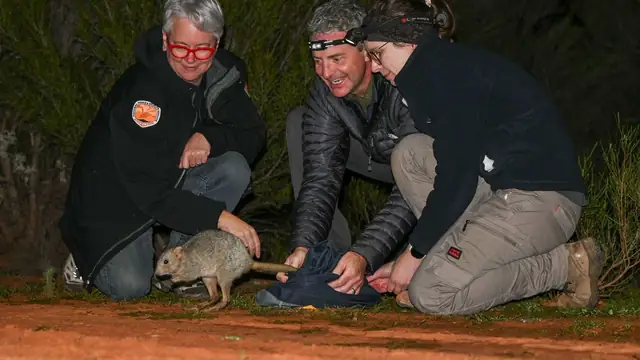
Ten years after New South Wales teamed up with conservationists, 13 locally extinct mammals are back in three fenced reserves, and some gone over a century now breed safe from feral cats and foxes
New South Wales has reintroduced 13 locally extinct mammals to three fenced conservation sites, the state government announced on June 29, 2026. Some of…
ECOnews Newsroom · October 25, 2026
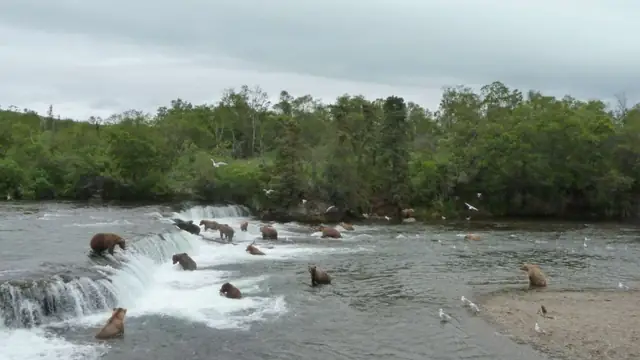
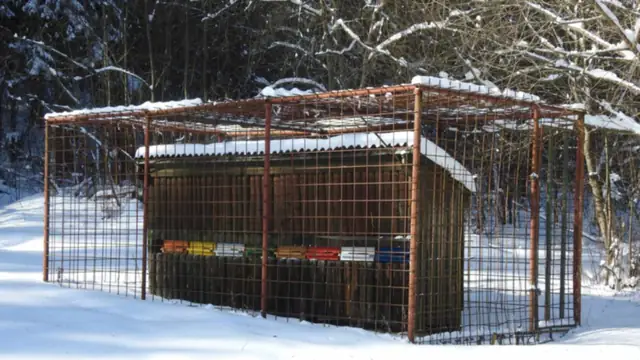
In Slovakia’s Liptov and Lower Orava regions, brown bears damaged 130 hives in 37 raids between 2020 and 2024, and more than two-thirds of those raids hit beehives behind electric fences
Brown bears damaged 130 beehives in 37 raids in Slovakia’s Liptov and Lower Orava regions between 2020 and 2024, according to a new study of district…
Adrian Villellas · October 23, 2026
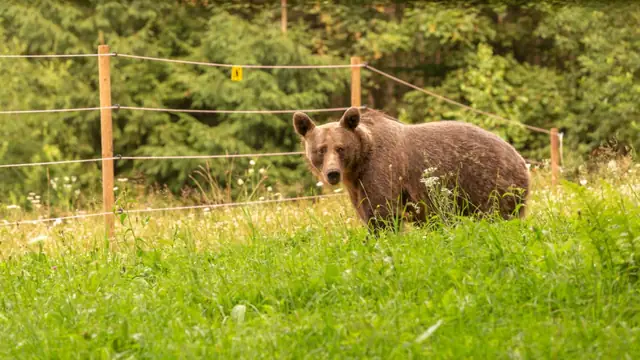
In Romania’s Brașov County, brown bears number about 1,329 by a national genetic estimate, the highest density of any county, and one bear relocated from Poiana Brașov was back within 3 days
Romania’s national genetic estimate puts the country’s brown bears at 10,657 to 12,787, and Brașov County has the highest density of any county, with an…
Adrian Villellas · October 22, 2026
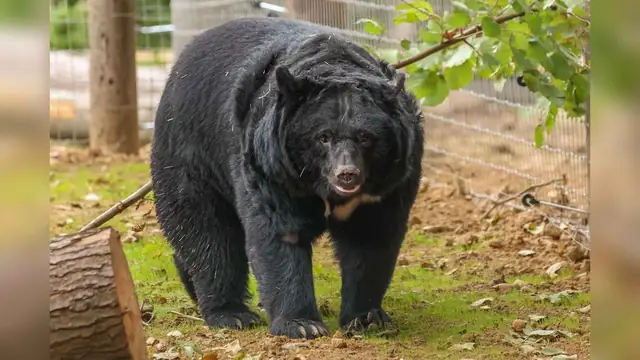
In Suffolk, England, five moon bears rescued from a South Korean bile farm after more than 20 years in cages finished a 5,500-mile journey, and 219 bears were still on Korean farms in June
Five moon bears that spent more than 20 years in cages on a South Korean bear bile farm landed in the UK on Sept. 10, after a trip of more than 5,500…
ECOnews Newsroom · October 21, 2026
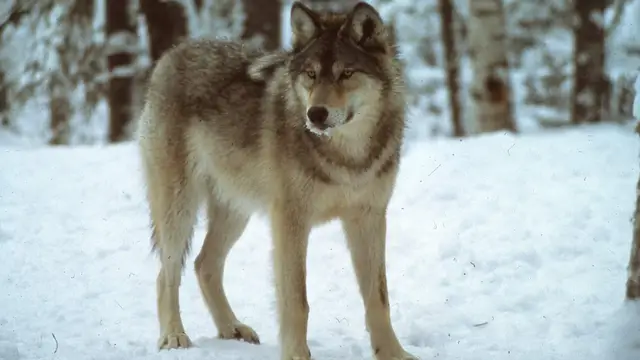
Isle Royale wolves were rebuilt from 19 animals, and one brother-and-sister pair produced at least 12 pups, yet a five-year study still gives the population a better than 80 percent chance of lasting 20 years
Ten years ago there were just two Isle Royale wolves left, a father and daughter who were also half-siblings, and they weren’t having pups. Now there are…
Adrian Villellas · October 9, 2026
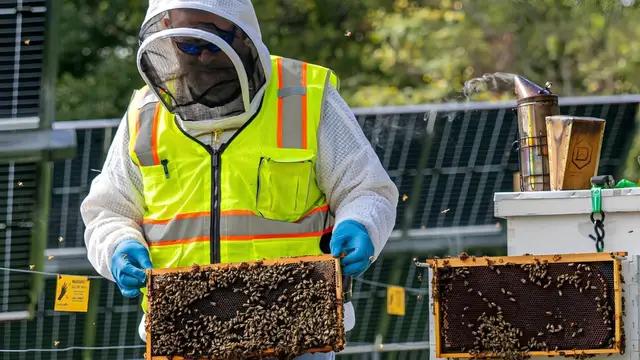
Black Bear Solar added 180,000 honeybees in Virginia, but the fence protects the hives, not the other way around
There was a viral affirmation that suggested that the Black Bear Solar in Virginia recruited 180.000 bees to form a living barrier against the black…
Adrian Villellas · September 12, 2026
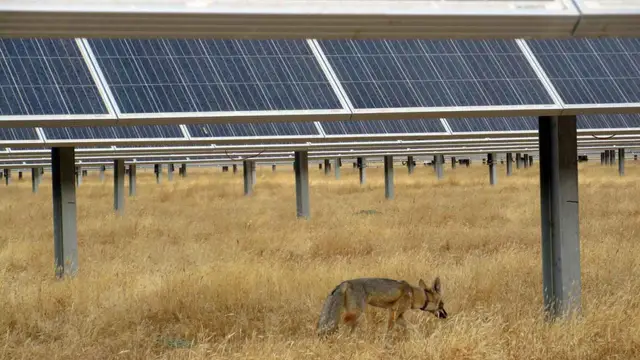
A tiny endangered fox is surviving inside California solar farms, and one narrow fence gap may explain why
An endangered fox, weighing just 5 pounds, has found its refuge amidst the arid grassland of California, on a site created to generate electricity. While…
Adrian Villellas · September 10, 2026
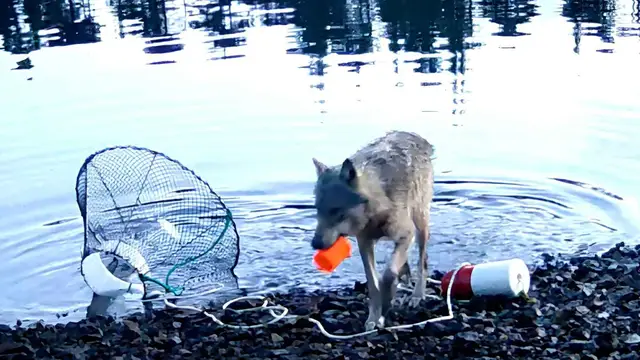
A trail camera in British Columbia recorded a wild wolf swimming out to a buoy, dragging a completely submerged crab trap onto the beach by its rope and then spending three minutes figuring out how to open the bait cup
Can you imagine a female sea wolf swimming to a buoy on British Columbia’s central coast? An unexpected action like this one was captured on camera, but…
ECOnews Newsroom · August 25, 2026
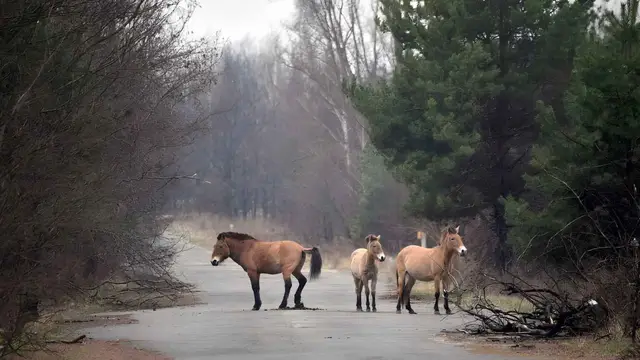
Forty years after Chernobyl, wolves, lynx, Przewalski’s horses, and wild boar now use the exclusion zone at sevenfold density, showing how quickly large mammals benefit when human pressure vanishes across vast connected areas
Forty years after the catastrophic Chernobyl reactor explosion, the surrounding exclusion zone has transformed into something no one expected: an…
Adrian Villellas · August 21, 2026