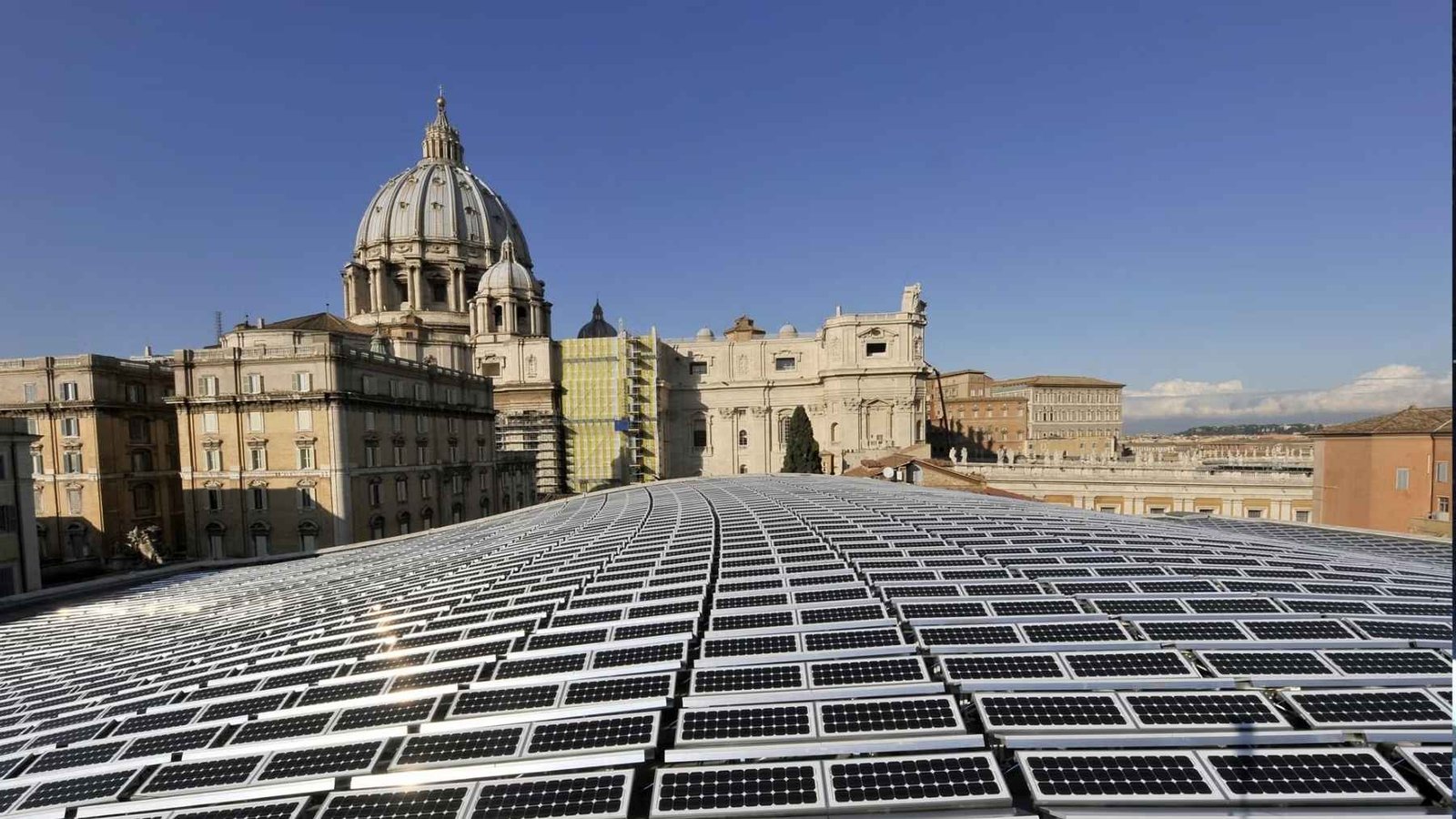
An endangered fox, weighing just 5 pounds, has found its refuge amidst the arid grassland of California, on a site created to generate electricity. While monitoring San Joaquin kit foxes at Topaz Solar Farms and California Valley Solar Ranch, investigators found that those foxes living inside the installations survived, reproduced and kept body mass at basically equal levels than the animals which lived on open lands nearby.
The fence was the most striking part of this. The fence’s openings were intentionally sized for both kit foxes and other tiny animals, and at the same time, prevented bigger predators to pass through. This effectively transformed rows of solar panels into a limited haven, rather than a protected industrial area. But, this was not a cost-free benefit for solar power, because this outcome deeply relied on both a design which is wildlife-friendly, and a detailed maintenance.
A small fox with practically nowhere else to go
Only found in central California, the San Joaquin kit fox is the smallest animal of its kind in North America. Its habitat has been reduced by around 95%, according to scientists, while federal biologists estimate their overall population at around 3,000 animals. This is why the kit fox is listed as endangered since 1967 by the federal government.
Suited for living in a hot and dry habitat, the fox rests underground while the Sun is out, waiting for the dark to go out to hunt, with a diet which consists of mice, rabbits, kangaroo rats, birds and insects. When its environment begins to cool off at sunset, they may move around different dens, both searching for food and looking to evade coyotes and other beasts of prey.

Testing the solar hideout
Can solar farms actually be a proper home? Investigators undertook different three-year analyses at both Topaz and California Valley Solar Ranch, between 2014 and 2017. At Topaz, they equipped 52 foxes with tracking collars, while at California Valley, 50 foxes were fitted with them, later analyzing the data with that of foxes living in a reference area nearby.
Annual survival rate for foxes in the reference site was 49%, while for those living at Topaz reached 65%, while reproductive success was 88.9% and 100% respectively. The survival figures were 66% and 76% at California Valley, and reproductive success was at 86.7% on both sites. While scientists could not claim the panels effectively saved the foxes, given that the survival rate differences were insignificant from a statistical point of view, it was evident that, at the least, these animals were not worse off than the ones in the reference site.
A barrier that acts as a filter for wildlife
The majority of complexes use fences made of chain-link, at between 4.7 and 5.9 inches above the ground. This creates a space which kit foxes and other small prey could cross through. Fences at California Valley have openings of around 5.9 inches, while a bottom rail was used at Topaz, looking to avoid larger animals to dig under the barrier.
The risk shifted among the installation thanks to that simple design. According to researchers, most of the fox deaths happened outside the fenced areas, and at the same time, there were no reported deaths linked to either the solar construction or operations on the reviewed complexes. Additionally, the panels may have also offered cover from golden eagles, an important thing for a 5-pound fox.
Dens, food, and short grass was still important
If the foxes had no place to sleep or nothing to eat, the protection given by the fence would be of little use. The undertaking additionally guarded existing dens, installed artificial ones, limited the use of rodenticides, restricted vehicle speeds, managed waste, and kept dogs out. Kit foxes and their prey are favored by low grass and vegetation, so sheep were introduced to graze between the rows of panels.
Between both sites, prey conditions were different. While Topaz supported less rodents, because of disturbances caused by agriculture before its construction, thousands of kangaroo rats relocated in California Valley after construction concluded. This helps in understanding why, having diets and den-use similar to foxes outside, the ones at some sites required larger territories.
This does not mean solar development has full freedom to act
Greenhouse gas emissions can be reduced by solar utility-scale, but, projects with bad placement can either reduce or eliminate habitats. A haven could transform into an obstacle, if fences do not have wildlife openings, if the ground beneath the panels is bare, heavy traffic occurs or rodent poisoning is limitlessly used.
While clean energy and wildlife do not automatically concur, small design choices and a careful siting process can mean that they both coexist. California may enjoy both “renewable electricity and our species, too.” as said by researchers.
Although this type of meticulously planned solar facilities is not a replacement for protected wildlands for an animal who lost its native home, it can become a more usable part in a splintered landscape. Sometimes, what makes all the difference is a small gap under a fence.