For more than two decades, one of the world’s rarest wild dogs seemed to have slipped into silence. Then, before sunrise on September 14, 2023, reports spread across Cozumel, Mexico, about a small, confused fox near the island’s eastern coastal road.
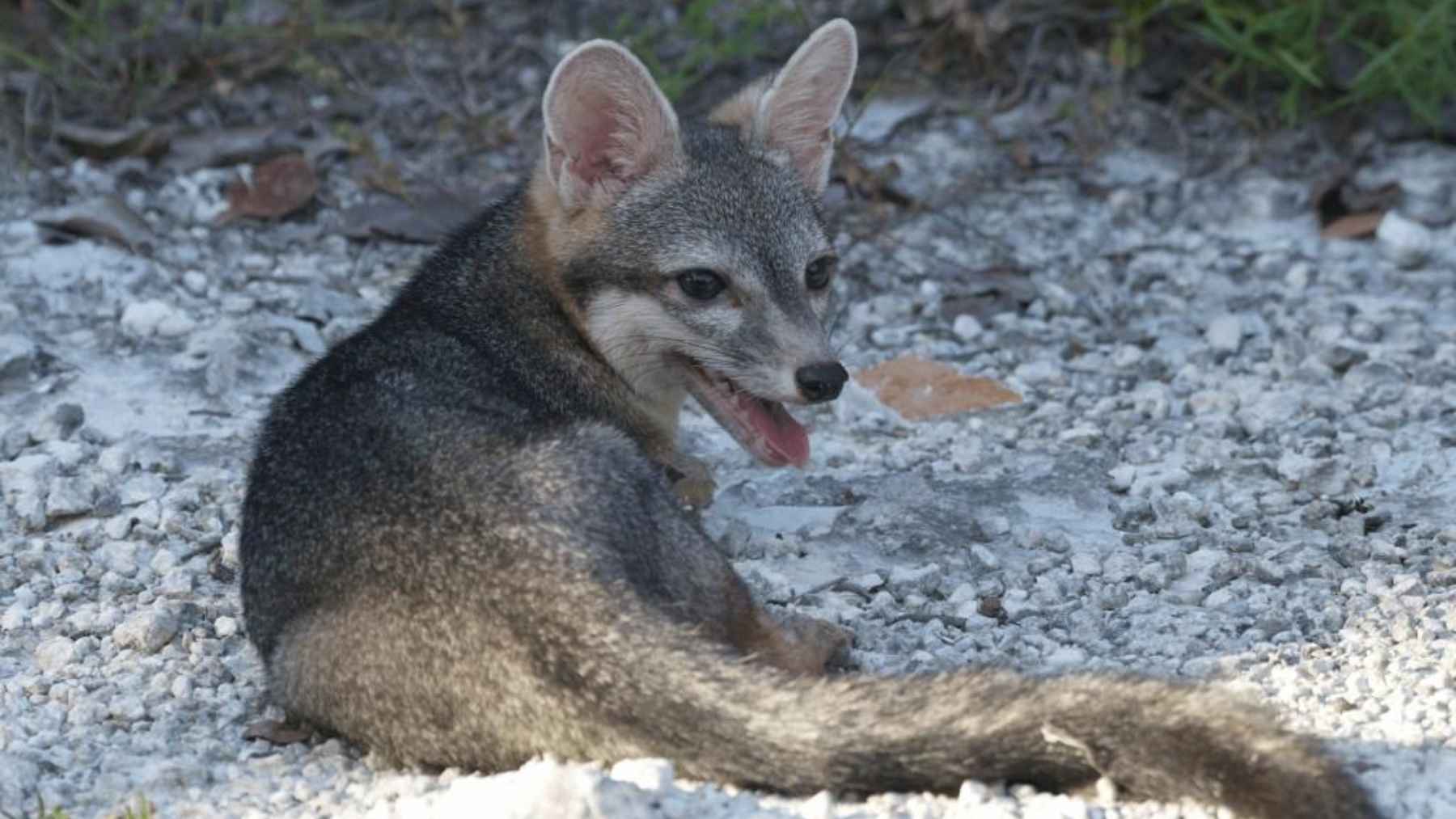
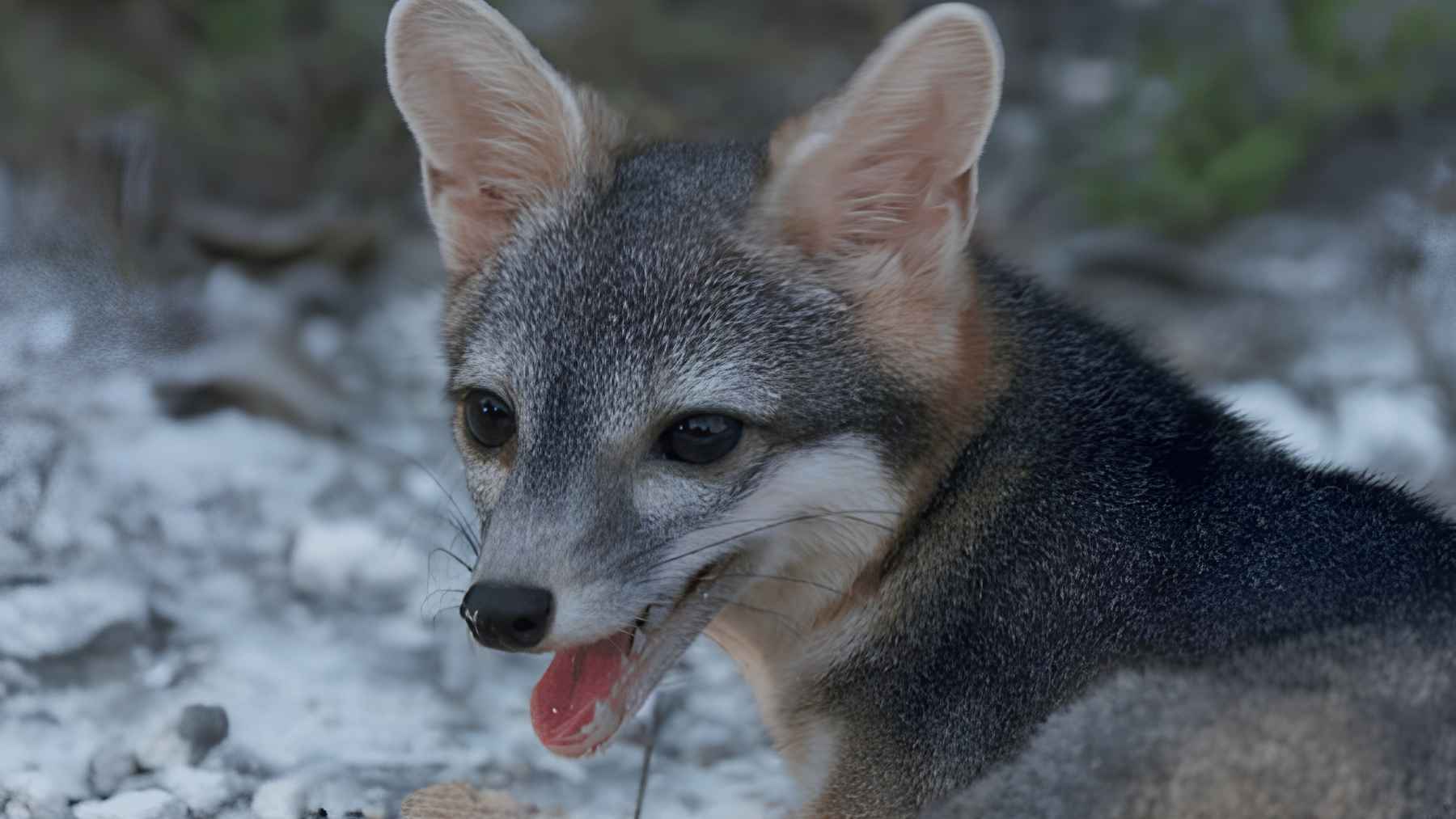
The animal turned out to be a Cozumel dwarf fox, a little-known island fox roughly the size of a small house cat. The encounter produced the first known photographs of the animal and the first confirmed sighting since 2001, giving scientists proof that the fox has not vanished after all.
A fox returns
Rafael Chacón, a wildlife photographer and conservation education director at La Fundación de Parques y Museos de Cozumel, went to the area after seeing the reports. Near the coastal highway’s 18-mile point, he found the animal partly hidden in vegetation.
What must that moment have felt like after 22 years without confirmation? Chacón later described seeing the fox as almost unreal, calling it calm and beautiful in its natural habitat.
Specialists safely recovered the adult male, checked it, and kept it under observation. Three days later, it was released into Laguna Colombia State Reserve in southern Cozumel, away from the immediate danger of traffic.
Why it matters
Travis D. Bayer of Pathos Wildlife and the University of Rhode Island, Maggie A. McGreal, and A. Rafael Chacón D. wrote the new report. It says the Cozumel dwarf fox has never been formally described as its own species, even though scientists have long suspected it may be unique.
That matters because animals are harder to protect when science has not clearly named, measured, and classified them. In practical terms, a creature can be at risk while still sitting in a legal gray area.
The fox is considered critically endangered by scientific consensus, but researchers still do not know how many remain, where they live, or how far they roam. That is the trouble here. The photo is good news, but it is not yet a rescue story.
Island life made it small
Cozumel sits off Mexico’s Yucatán Peninsula, and islands often become natural laboratories for evolution. Over many generations, animals cut off from mainland populations can change in size, diet, behavior, and appearance.
The Cozumel dwarf fox appears to be an example of island dwarfism. That simply means an isolated animal population becomes smaller than its mainland relatives, often because food, space, and predators are different on islands.
Researchers estimate the fox is only about 60% to 80% the size of the mainland gray fox. Cozumel has other unusual small carnivores too, including the pygmy raccoon and the dwarf coati, which are found nowhere else on Earth.
A mystery with old clues
Before this sighting, the strongest physical evidence came from old remains found at Maya archaeological sites. Those remains suggested that a small fox had lived on Cozumel for hundreds of years, and possibly far longer.
Still, bones can only tell part of the story. They do not show whether the animal is still alive, how healthy the population is, or whether it is genetically different enough to count as a separate species.
That is why the photographs carry so much weight. A blurry image from the roadside became a scientific record, and later images after the animal’s release helped confirm that the fox was real, living, and still present on the island.
The threats are close
For a tiny, rare fox, the biggest dangers are not far away. A coastal highway cuts through habitat, and one unlucky dash across the road can be enough.
There are also feral dogs and cats, which can attack wildlife, compete for food, or spread disease. Add tourism development, habitat loss, and stronger storms, and the fox’s future starts to look fragile.
Bayer has warned that the biggest problem is how little is known about the animal’s population size, distribution, and ecology. In other words, scientists are trying to protect a fox they have barely had the chance to study.
DNA could answer the big question
Benjamin Sacks, an ecologist at the University of California, Davis who was not involved in the work, says genetic testing will be crucial. DNA could show how different the Cozumel fox is from mainland gray foxes.
This is more than a naming debate. If the fox is confirmed as a distinct species, that could strengthen the case for targeted protection and management.
A useful comparison may come from California’s Channel Islands, where the island fox is a well-known example of island evolution and conservation. The National Park Service says focused recovery work helped bring several island fox populations back after severe declines.
Cameras now wait in the forest
Now that researchers know the fox is still out there, the next step is finding out how many are left. Scientists and conservationists have begun a targeted camera trap survey across Cozumel.
They have placed 84 remote cameras around the island and are using gray fox scent lure to draw the animals close enough to photograph. Some stations also have sticky hair snares, which may collect small samples for DNA testing without needing to capture a fox.
That may sound simple, but for a rare animal, even one strand of hair can matter. It could help reveal whether Cozumel is home to a surviving population of gray foxes, a unique island form, or a species science has not fully recognized yet.
A second chance
The rediscovery of the Cozumel dwarf fox is a reminder that extinction does not always arrive with a loud warning. Sometimes, an animal simply stops being seen.
For now, one male fox has changed the story. He did not prove that the population is safe, but he did prove that the search is not over.
The main study has been published in Neotropical Biology and Conservation.