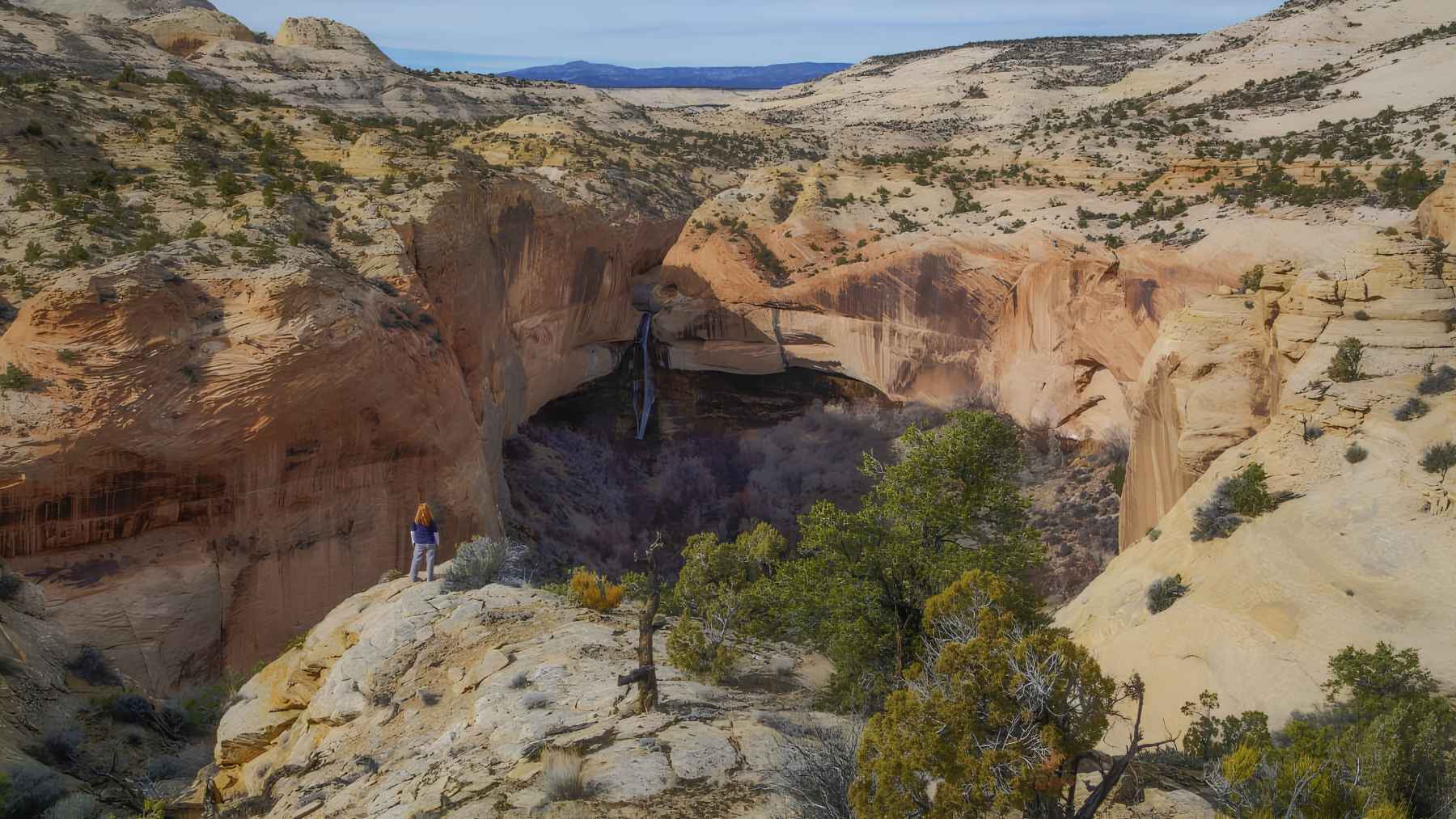
Grand Staircase-Escalante National Monument in southern Utah has survived another attempt to weaken the rules that guide its protection. A Congressional Review Act push to overturn the monument’s 2025 management plan missed a key Senate deadline, leaving supporters of the rollback without the fast-track vote they needed.
That may sound like Washington paperwork. Yet for people who hike the red-rock canyons, for Tribes tied to the land for generations, and for scientists studying fossils and desert life, the decision keeps current protections in place across nearly 1.9 million acres.
A deadline changes the fight
Senator Mike Lee and Representative Celeste Maloy led the failed effort, introducing a joint resolution of disapproval to reject the 2025 Resource Management Plan. Backers argued that the plan gave too little weight to local communities and that Congress had a duty to review it.
The Congressional Review Act is a law that lets Congress cancel certain federal agency rules under a special process. In this case, the 60-day Senate window for a simple-majority fast track closed without a vote, so the measure would now face a higher Senate hurdle.
Effectively, the plan is still alive. The latest threat did not erase the monument, but it would have changed how the land is managed day by day.
What the plan actually does
The Bureau of Land Management approved the plan in January 2025 after more than two years of consultation with Tribal Nations, state and local governments, stakeholders, and the public. The agency said the plan became effective immediately and replaced the 2020 plans for the monument and nearby planning area.
A resource management plan is basically a rulebook for public land. It helps decide where vehicles can go, how recreation is handled, how grazing is managed, and how cultural sites, fossils, dark skies, wildlife habitat, and water resources are protected.
So this was never just a fight over paperwork. It was about whether the current blueprint for one of the most remote landscapes in the lower 48 would stand or be thrown into uncertainty.
Sacred places at risk
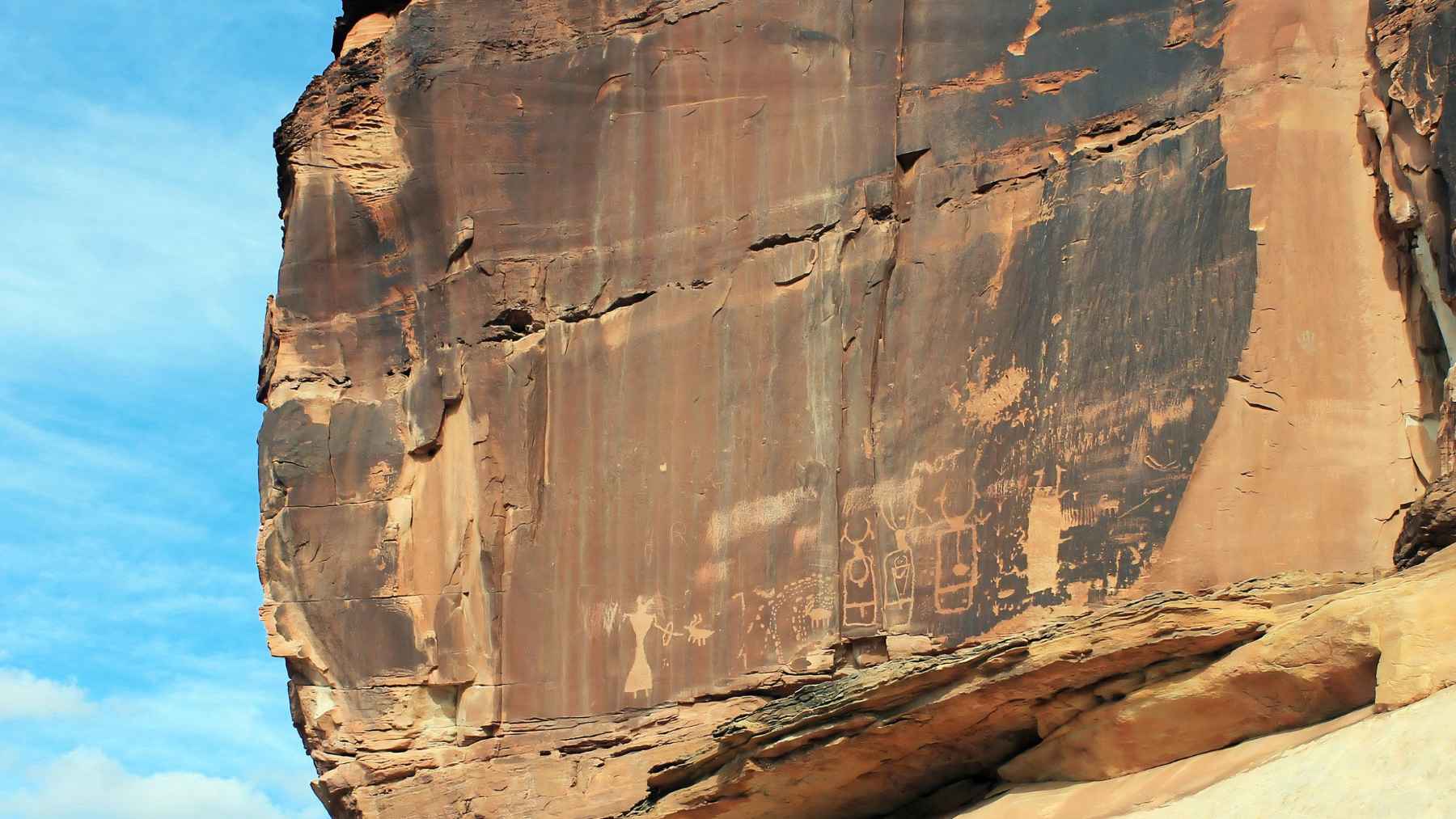
Autumn Gillard, cultural resource manager for the Paiute Indian Tribe of Utah and coordinator of the Grand Staircase-Escalante Inter-Tribal Coalition, has described visiting a plateau where petroglyphs of bighorn sheep had been scarred by graffiti and attempted theft. For the Southern Paiute, the bighorn sheep is sacred, and Gillard recalled thinking, “I need to help, I have to help protect this.”
That moment captures why the management plan matters to many Tribal advocates. The National Congress of American Indians opposed the rollback and said the plan was shaped by public input, scientific research, and meaningful Tribal consultation.
What does that mean on the ground? It means rock art, springs, plants, animals, and ancestral places are not treated as scenery alone. They are part of living histories.
A monument pulled back and forth
President Bill Clinton first designated Grand Staircase-Escalante in 1996, making it the first national monument administered by the federal land agency now responsible for it. The area is known for cliffs, canyons, plateaus, badlands, rich fossil beds, and cultural resources.
In 2017, President Donald Trump cut the monument by nearly half, removing about 862,000 acres from its boundaries. In 2021, President Joe Biden restored the monument to its earlier boundaries through Proclamation 10286.
That history explains why the latest congressional fight felt bigger than one plan. For many local leaders, conservation groups, ranchers, outfitters, and Tribal representatives, Grand Staircase-Escalante has become a test of who gets to shape the future of public lands.
What visitors may notice
For a family planning a weekend hike, the debate can sound distant until the tires hit a dusty road. Management rules affect trail access, off-highway vehicle use, camping limits, grazing areas, and the quiet that makes a desert night feel so wide open.
The plan does not close the monument to people. It tries to guide use so the land is not loved to death by traffic, noise, tire tracks, vandalism, and pressure on fragile sites.
That balance is tricky. Public lands are meant to be used and enjoyed, but they also need enough care that a teenager visiting years from now can still see the same cliffs, fossils, petroglyphs, and stars.
The fight is not over
Supporters of the plan are celebrating, though cautiously. The resolution could still move forward under regular Senate rules, and new legislation could appear in a different form.
The Government Accountability Office helped open the door to this fight when it concluded that the monument plan counts as a rule subject to the Congressional Review Act. That finding matters because it could influence future fights over other public land plans.
For now, Grand Staircase-Escalante keeps its 2025 management plan. Not forever guaranteed, but still standing.
The official Record of Decision and Approved Resource Management Plan has been published by the Bureau of Land Management.