Ethiopia has made a big move for the future climate of their country, and the numbers that will actually decide whether it pays off is still years away
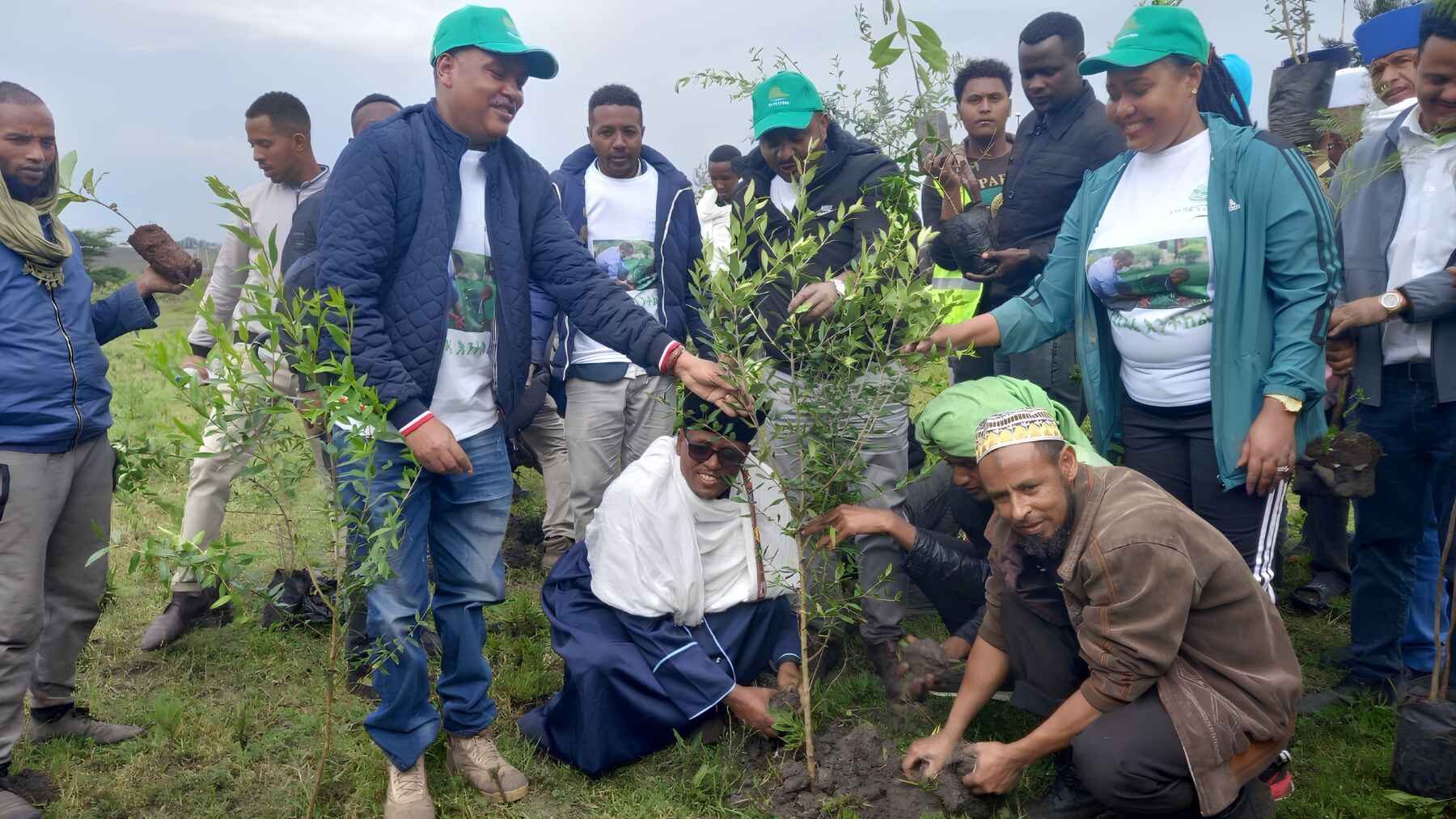
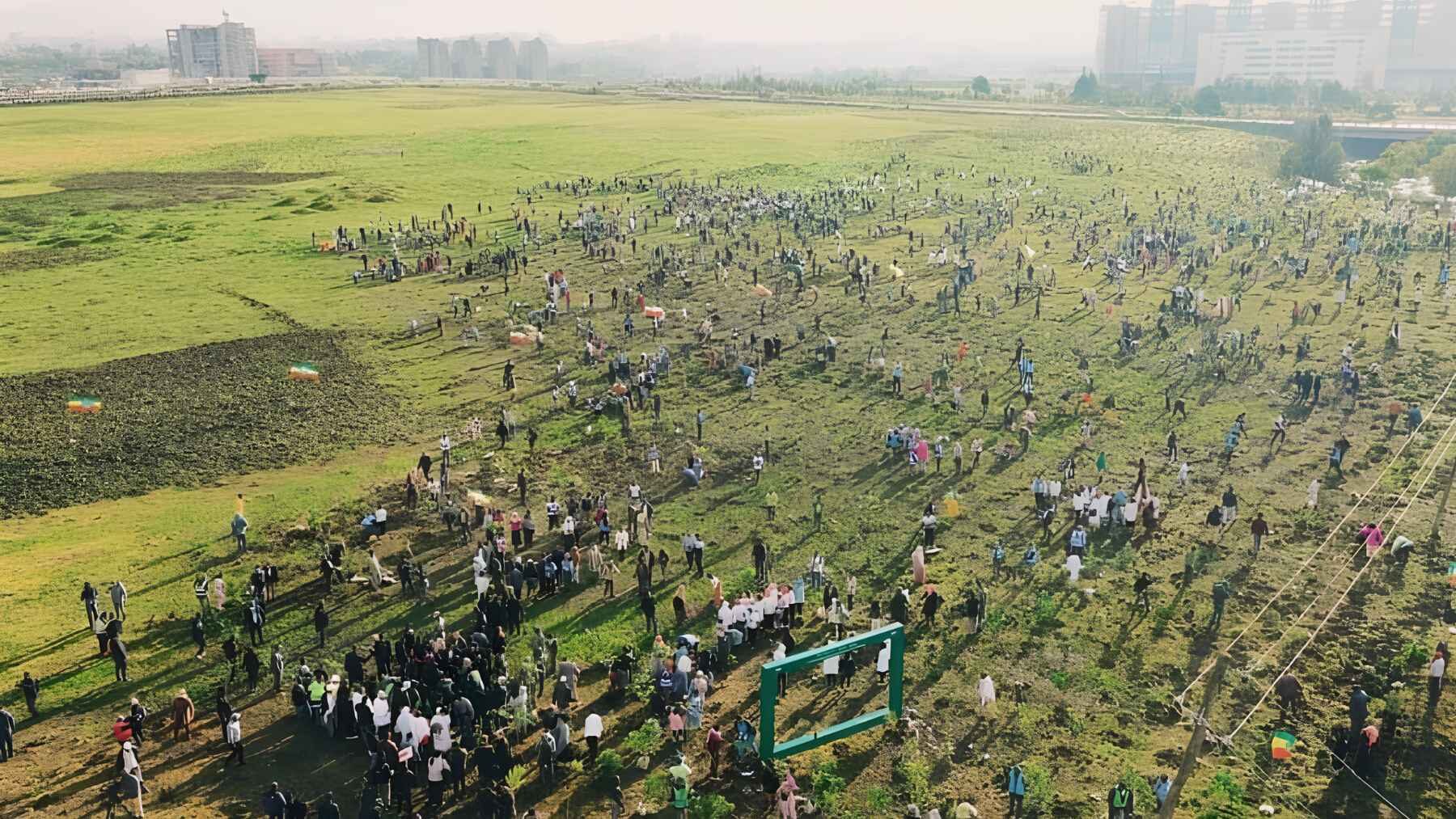
Ethiopia says 805.3 million tree seedlings went into the ground on Aug. 3, 2026, during a 12-hour national campaign that surpassed its 800 million target. Prime Minister Abiy Ahmed reported that 26.2 million people took part across more than 720,000 acres, with much of the work continuing through seasonal rain.
That is an extraordinary show of public energy, but the number needs one important distinction: these are newly planted seedlings, not 805.3 million mature trees, and their long-term climate value will depend on survival, suitable species, careful placement, and years of protection and maintenance.
A country plants together
Held under the theme “Let Us Plant Hope,” the campaign worked out to roughly 31 seedlings for every participant if the official totals are divided evenly. The government also said the event brought the 2026 rainy-season tally above 6.5 billion seedlings, with another 1.5 billion planned in the following months.
Green Legacy began in 2019, when Ethiopia reported planting more than 350 million seedlings in one day. The one-day figure rose to 714.7 million in 2025, while officials say the wider program had passed 48 billion planted seedlings before the current season.
Why Ethiopia is betting on trees
Ethiopia has pledged to restore 37 million hectares of degraded landscapes, the largest national commitment in Africa under the AFR100 restoration initiative. Researchers studying the country’s restoration efforts say lasting results require options suited to each landscape, clear ways to measure success, and meaningful involvement from the people who depend on the land.
If successful, healthy tree cover can help hold soil in place, improve water infiltration, protect watersheds, and create habitat. But planting is only one tool, and the best solution in a particular area may also include assisted natural regeneration, soil and water conservation, grazing management, or stronger protection for forests that already exist.
Trees that feed families
Not every Green Legacy seedling is intended to become part of a conventional forest. Official reports say the program increasingly includes avocado, mango, papaya, apple, coffee, fodder plants, indigenous trees, and other multipurpose species designed for farms, communities, watersheds, and urban spaces.
That brings the campaign closer to everyday life. A fruit tree may eventually support a family’s diet or income, while coffee, fodder, and native species can serve different agricultural and ecological needs. Those gains are never automatic, however, and still depend on water, care, technical advice, pest management, and access to markets.
Survival is the number to watch
A 2025 peer-reviewed study in Gubalafto district offers a useful warning against judging restoration by planting totals alone. Researchers found a net gain in woodland and a rise in dense vegetation, but local administrative records showed an average seedling survival rate of 39.8% from 2019 to 2024, with annual figures ranging from 7.59% to 76.5%.
The study covered one conflict-affected district and the authors said the survival records were not independently validated, so its result cannot stand in for a national audit. Even so, the wide variation shows why public reporting should follow seedlings beyond planting day and explain which species lived, where they grew, whether they were replanted, and what changed in the surrounding landscape.
COP32 raises the stakes
The United Nations climate process has formally accepted Ethiopia’s offer to host the climate change conference COP32 in Addis Ababa from Nov. 8 through Nov. 19, 2027. Green Legacy will therefore become part of the country’s climate story when delegates, scientists, campaigners, and journalists arrive for the global climate summit.
That brighter spotlight is an opportunity as much as a test. Geolocated planting maps, species lists, independently checked survival data, and long-term measurements of soil, water, biodiversity, and household benefits would turn a striking national tally into evidence that other countries could examine and use.
The hardest work starts now
What happens when the rainy season ends and the public planting day is over? The next test will be whether young trees are watered, protected from grazing and fire, replanted where necessary, and monitored through the dry months rather than simply counted on the day they enter the soil.
Planting 800 million seedlings in 12 hours is a remarkable act of public mobilization, but turning them into living forests, productive farms, and healthier watersheds will take years and a bit of climate luck.
The official update was published on the Ethiopian Forestry Development website.