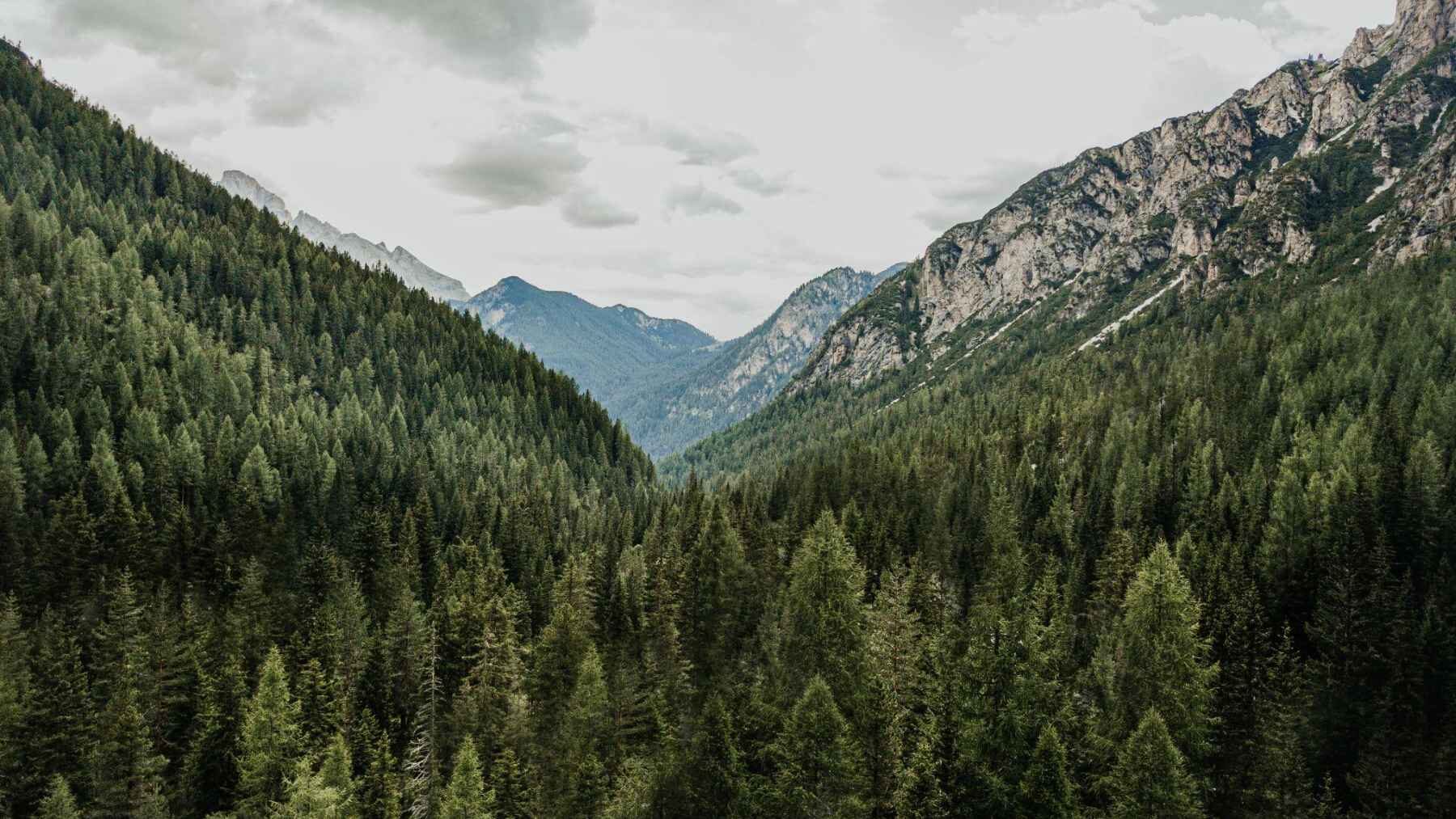
A forest can look healthy from a distance. Green slopes, tall trunks, cool shade, and a sense of order can all make a plantation seem like proof that nature has recovered.
But in the Italian Prealps near Lake Como, that picture has cracked. A new study found that Norway spruce plantations established nearly a century ago left plant diversity 50.3% lower than in nearby native deciduous forests and 74.5% lower than in grasslands, showing how a tree-planting success story can hide a long ecological bill.
A forest that hid the damage
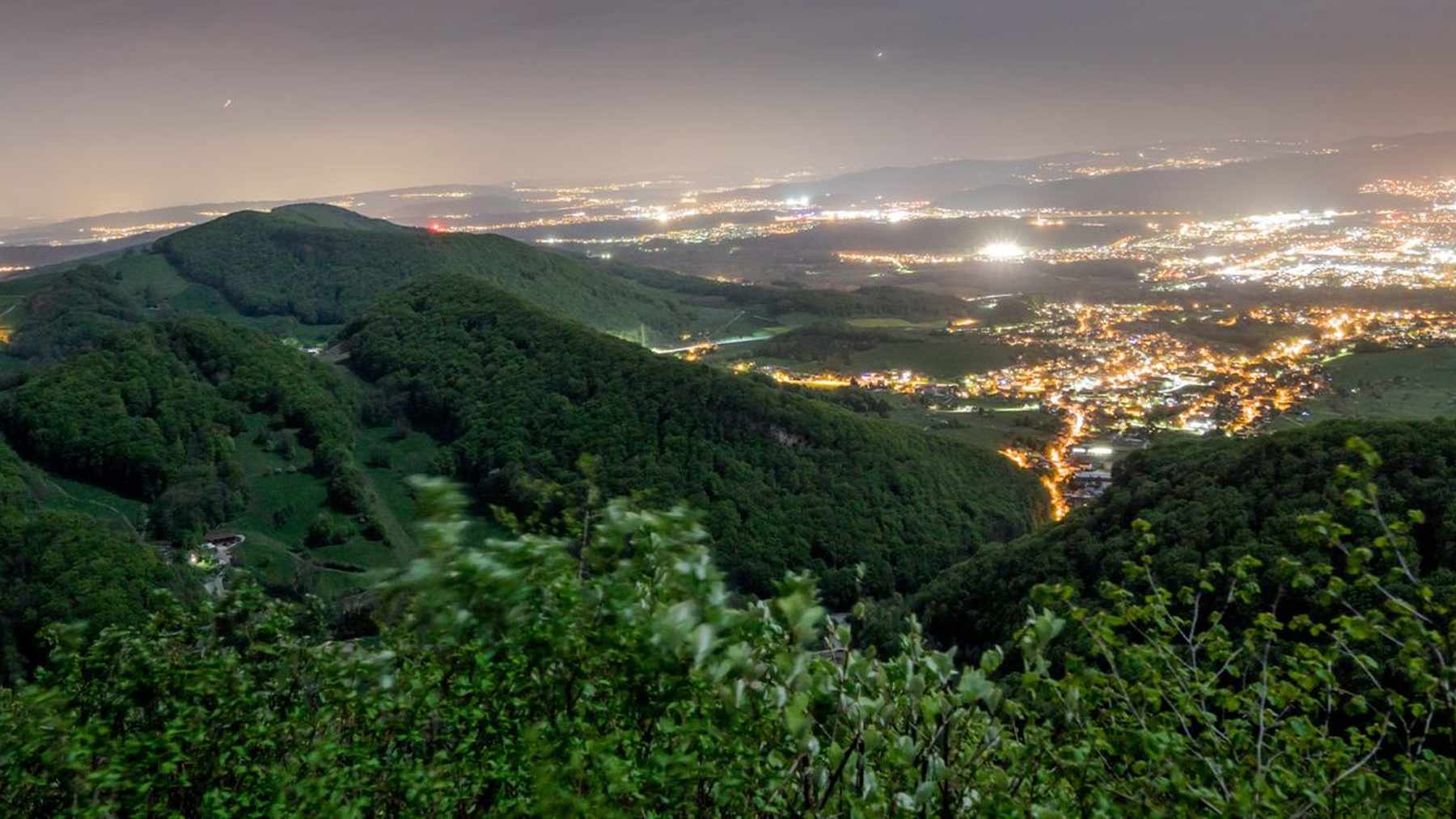
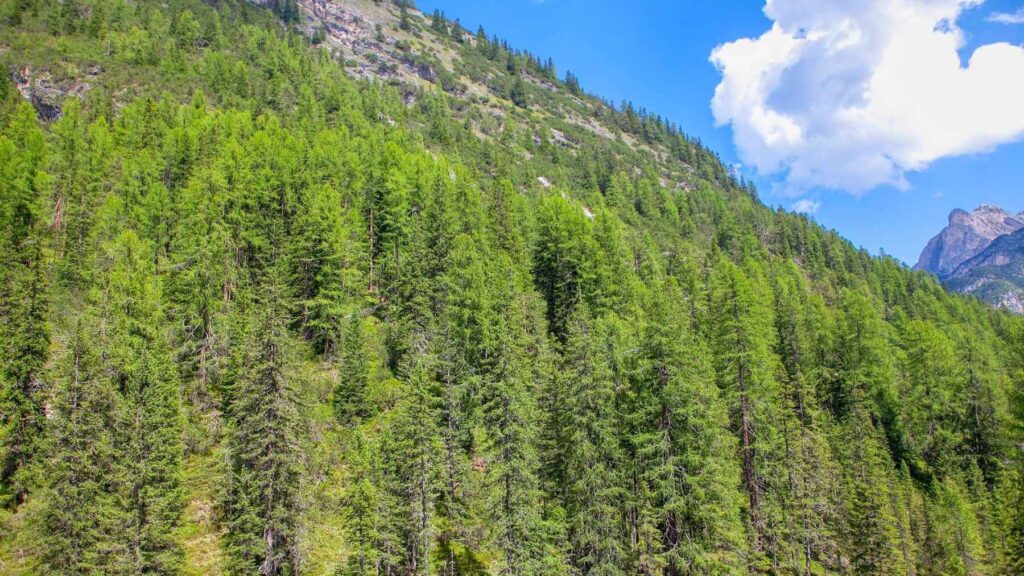
The plantations were part of historical reforestation in northern Italy during the 1930s, when Norway spruce (Picea abies) was used in mountain landscapes where planners wanted stability, timber, and a more controlled-looking forest. At Mount Bisbino and Alpe del Vicerè, researchers say those spruce stands are now about one century old.
At the time, the idea probably looked practical. Norway spruce grows straight, forms dense stands, and can be managed for wood. The trouble is, a forest is not just a collection of trunks.
Scientists counted the missing life
The research team studied permanent plots at Mount Bisbino, about 4,265 feet above sea level, and Alpe del Vicerè, about 2,953 feet above sea level. From March to July 2023, they compared spruce monocultures with native deciduous forests and grasslands, using plots of about 97 square feet each.
The numbers were blunt. The median plant count was just 7 species per plot in spruce monocultures, compared with 18.5 in deciduous forests and 37 in grasslands. Across the study, researchers identified 136 plant species and 201 arthropod species or morphospecies.
The problem with one tree
So, what went wrong? The issue was not simply that trees were planted. It was that one kind of tree became the whole plan.
Monocultures simplify the living structure of a landscape. In practical terms, that means fewer plant shapes, fewer flowering schedules, fewer root systems, and fewer small niches where insects, fungi, and microbes can do their work. It may still look like a forest on a postcard, but the web underneath is thinner.
The shadow under the spruce
Norway spruce is evergreen, and that matters more than it might seem. In a deciduous forest, species such as early-blooming geophytes can use spring light before the canopy closes. Under spruce, the canopy limits light year-round, and the study says that likely excludes some of those early-flowering plants.
Think of it as a curtain that never really opens. For plants adapted to that short spring window, the forest floor becomes a place where the season they need simply does not arrive.
The soil changed too
The damage was not only above ground. The study found that soil was more acidic in spruce monocultures than in deciduous forests and grasslands, and that organic carbon content was 25% higher in plantations because litter built up and decomposed more slowly.
That extra carbon should not be read as a simple win. Researchers also found a higher carbon-to-nitrogen ratio in the organic soil horizon, which points to slower nutrient cycling. In everyday terms, the forest floor was piling up leftovers faster than the ecosystem could recycle them.
Insects held on better
There was one less dramatic result. Arthropod diversity did not change as sharply among habitats, with median counts of 25 taxa in spruce monocultures, 28.5 in deciduous forests, and 37 in grasslands.
But that does not mean the system is fine. The authors note that mobile soil arthropods may move between nearby habitats, and they warn that other groups, including pollinators and herbivores, could respond differently. In other words, the surface story is only part of the forest’s health check.
A weaker forest, not a new one
One of the study’s most striking points is that the spruce plantations did not seem to create a rich new community adapted to the tree. Instead, the authors describe the plantation assemblages as a degraded, impoverished subset of the deciduous forest community.
That is a sobering detail. The spruce did not bring a new ecological balance so much as narrow the old one. Some pieces stayed, but many roles were reduced or missing.
The global warning
This matters far beyond Italy. The researchers note that half of the area pledged for forest restoration worldwide consists of monoculture plantations characterized by non-native tree species. That approach can be tempting because it is fast, measurable, and easy to report.
But a tree count is not the same as restoration. A planted landscape can store carbon, produce timber, or stabilize slopes and still fail to support the messy abundance that makes ecosystems resilient. At the end of the day, the lesson is not to stop planting trees, but to stop treating all tree planting as ecological recovery.
A warning written in green
For current restoration projects, the Italian case offers a simple but uncomfortable message. Biodiversity has to be built into the plan from the start, with native species, mixed habitats, long-term monitoring, and attention to soil life.
The study was published on Springer Nature Link.