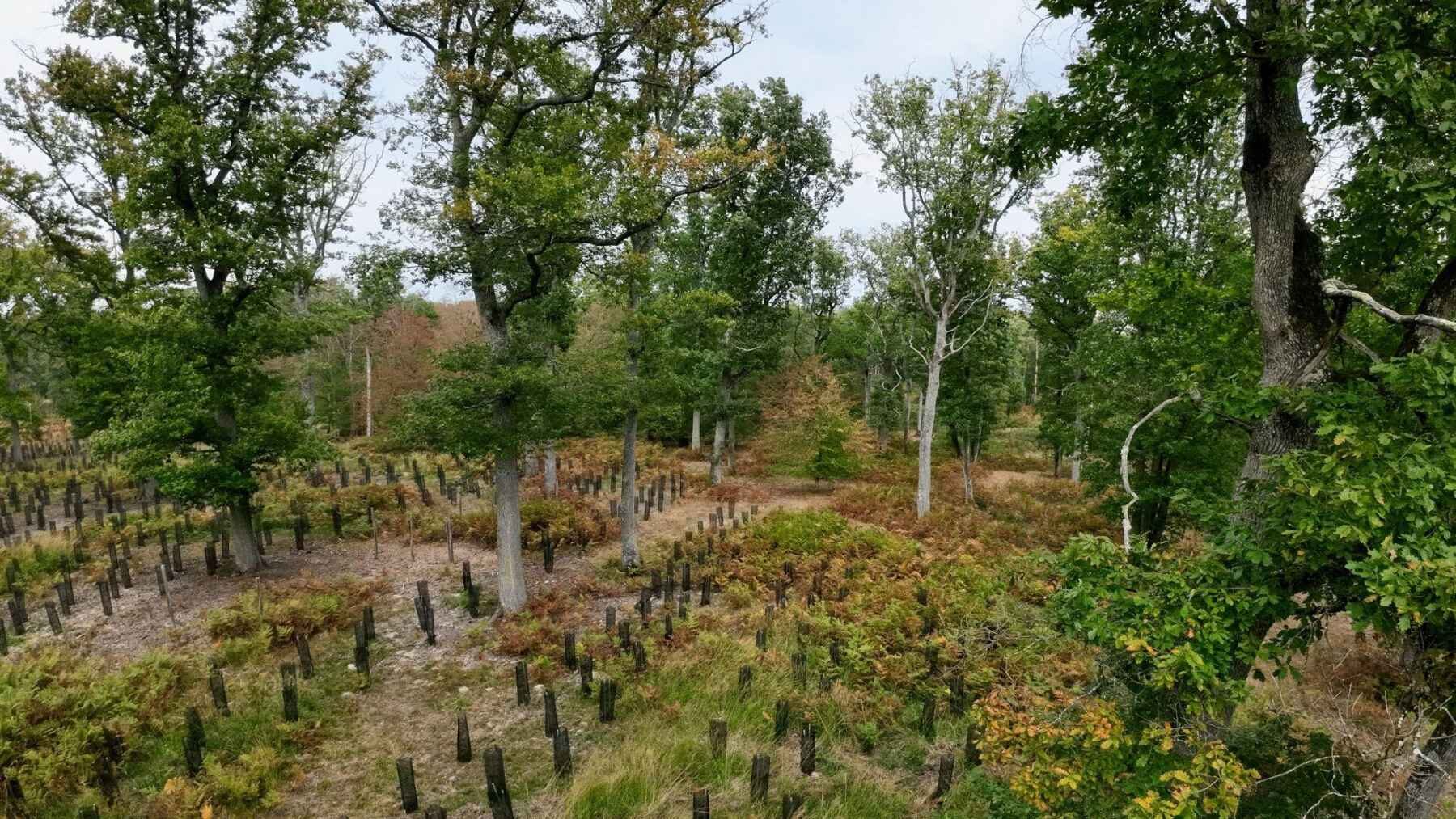
France’s plan to plant one billion trees by 2032 has run into a major legal obstacle. On July 15, 2026, the country’s highest administrative court canceled a May 2, 2025 decree that set the framework for public forest-renewal aid because the government adopted it without first consulting the public.
The ruling does not say that tree planting is harmful or that forest renewal should stop. Instead, it says subsidies powerful enough to shape how forests are cut, replanted, or allowed to regenerate have a direct and significant environmental impact, so citizens had a legal right to take part before the rules were finalized.
Why the decree was canceled
The disputed decree created support for reforestation, natural regeneration, thinning, and other work intended to help forests that were damaged, declining, or considered vulnerable. Depending on the project, the aid could cover 40% to 65% of eligible costs, a level the court said could strongly influence decisions made by forest owners and companies.
That influence matters because forest management is not simply about putting seedlings in the ground. The choice of tree species, whether a stand is clear-cut, and whether older trees remain can affect biodiversity, soil condition, wildfire exposure, and the amount of carbon stored for decades. This is slow-motion infrastructure, grown rather than built.
France’s Environmental Charter gives people the right to participate in public decisions with important environmental effects. The court found that no prior consultation took place, making the procedure unlawful. It also noted that 2025 grants had already covered work on roughly 18,000 acres, but said eight months of activity was too short to judge the policy’s full reach.
What the decision changes
The official judgment annulled Decree No. 2025-401. However, the court rejected Canopée’s separate request to cancel the implementing order because that challenge was filed too late, an important legal distinction that prevents the decision from being described as a blanket cancellation of every related document.
The NGO argues that the order and technical specifications now lack their original legal foundation. Its director, Sylvain Angerand, said the government cannot simply regularize the same system and “must rethink its strategy.” That is the organization’s position, while the court itself ruled only on the procedural defect and did not decide the other arguments raised in the case.
A fresh legal framework would be needed for the aid program to continue securely. That process would require public participation and could reopen the technical rules governing eligible forests, species diversity, clear-cutting, and the balance between planting and natural recovery.
A billion trees are not enough by themselves
The national one-billion-tree target is intended to help renew about 10% of France’s forests by 2032 as heat, drought, pests, and fires weaken existing stands. “Forest renewal” is broader than planting. It can include encouraging seeds and young trees already present, introducing new species into gaps, or thinning crowded stands so the remaining trees have more water and space.
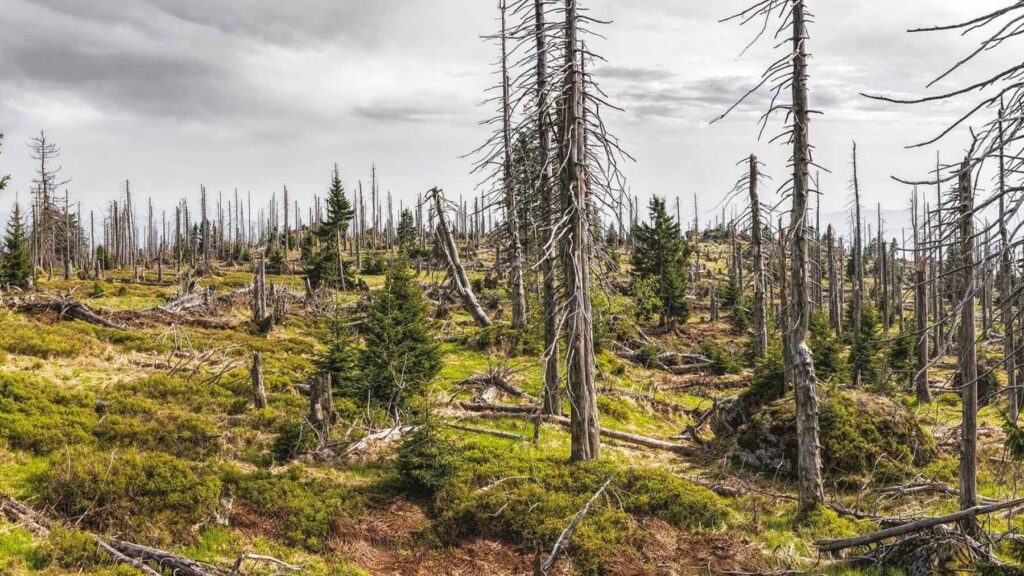
A plantation can look successful on paper the day the seedlings arrive, yet fail during the next hot summer. The High Council for Climate reported that 21% of French forest plantations failed in 2025, mainly because of drought, while eight percent of assessed trees showed serious decline or canopy damage.
Mixed forests can also spread risk. If every tree has similar climate limits or vulnerability to the same pest, one shock can travel through the stand like a dropped match through dry grass. Diversity does not guarantee survival, but experts increasingly treat it as insurance against an uncertain climate.
Watchdogs had already raised warnings
France’s Court of Auditors warned in 2024 that some earlier renewal funding did not directly support climate adaptation. It said aid sometimes favored low-value stands that were not declining and relied on species-diversity requirements that were too weak. The same review found that earlier funds could restore only about 37,000 acres of roughly 148,000 acres of damaged public forest.
The climate council sharpened that criticism in July 2026. It called for revised specifications based on the best available science, including stronger rules on species, seed origins, forestry methods, clear-cutting, and soil protection, with public money focused on genuinely vulnerable stands.
This is the central issue exposed by the court case. Counting trees is simple and easy to communicate, but resilience depends on what is planted, where it is planted, what remains standing, and how the site is managed afterward. A billion poorly matched trees would not deliver the same climate benefit as fewer, healthier, more diverse forests.
The next plan will face a tougher test
Monique Barbut, France’s minister for ecological transition, now inherits a program that must be rebuilt under legal and scientific pressure. The organization wants priority given to restoring burned or dying forests rather than subsidizing clear-cutting and replanting in healthy stands, but the next rules will have to balance ecology, timber production, private ownership, and limited public funds.
The safest lesson from the ruling is not that France should abandon planting. It is that financial incentives are environmental policy, even when they appear as technical funding rules. When the government pays a large share of the bill, it also helps decide what tomorrow’s forest will look like.
The public consultation could now turn a procedural defeat into a stronger adaptation plan. The real measure of success will not be the number of seedlings counted at planting time, but how many forests are still functioning, storing carbon, and sheltering wildlife decades from now.
The decision was published by France’s Council of State through Légifrance.