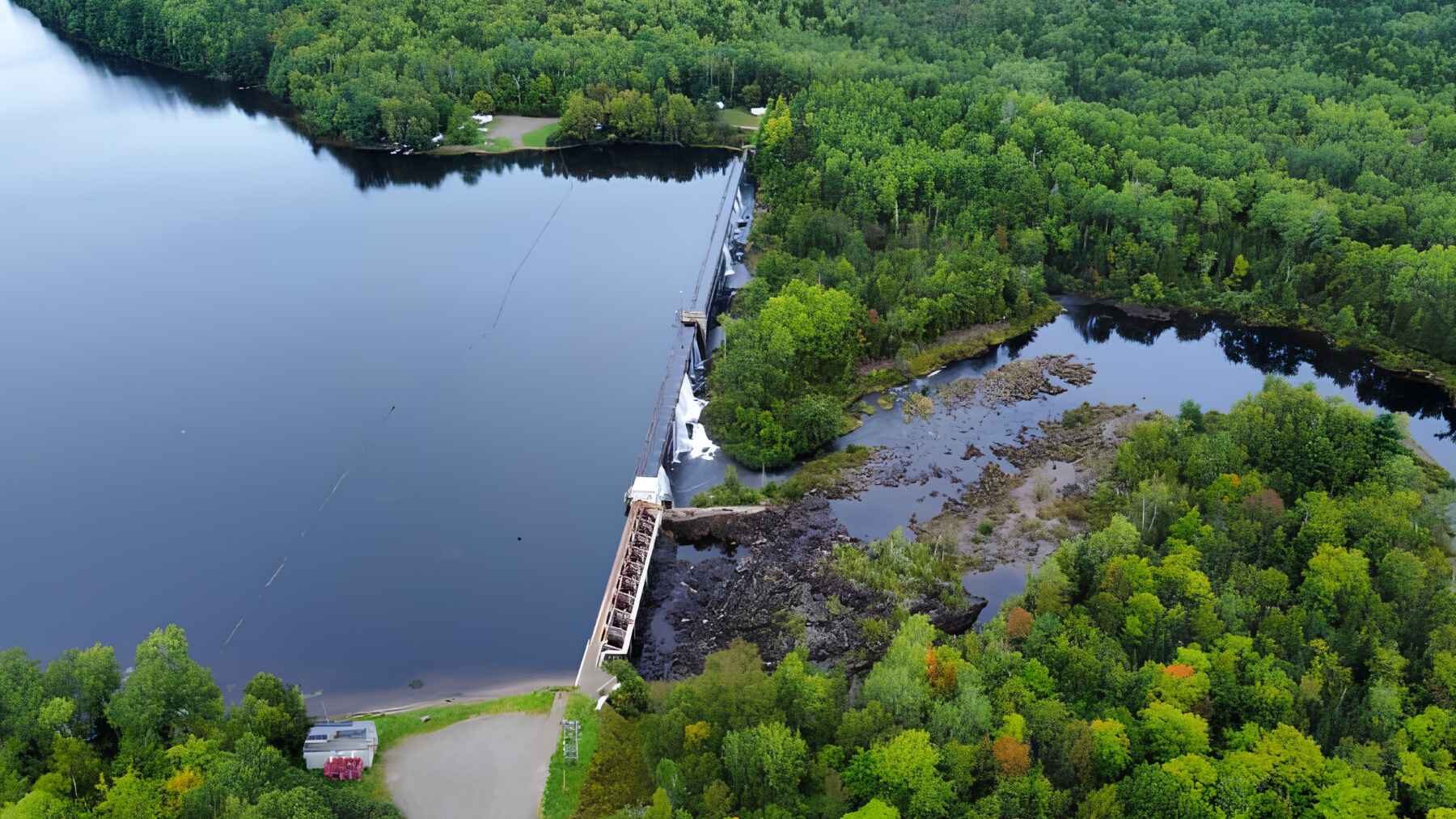
A fish elevator at a hydroelectric dam sounds like an engineering curiosity. On Maine’s St. Croix River, however, the structure is part of an active restoration project that could reconnect migratory fish with 600 miles of habitat and 60,000 acres of alewife spawning grounds.
Whales enter the story for a more grounded reason than the viral version suggests. Officials expect a larger alewife run to create more prey for whales and other marine predators, but they have not documented whales learning the fish route or returning because of the unfinished Woodland Dam project.
Construction is moving ahead
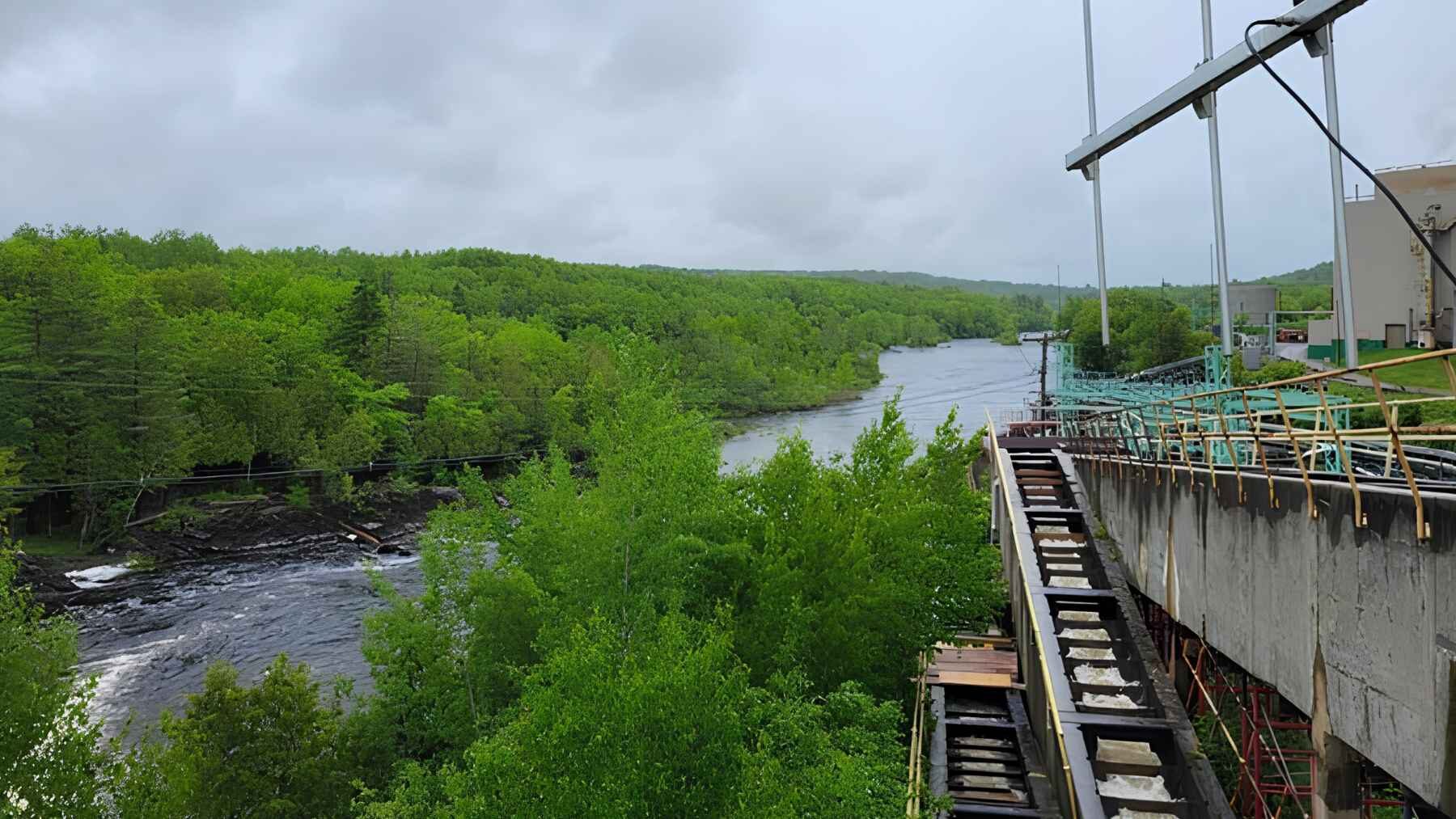
The National Oceanic and Atmospheric Administration’s (NOAA) latest funding round assigns another $7.5 million to the Maine Department of Marine Resources to continue fish passage construction at Woodland Dam. The design includes a large modern fish lift and a second pool-and-chute fishway because studies found fish gathering at more than one location below the dam.
The work also covers passage for American eels, which need a very different route from stronger-swimming fish. New eelways will use climbable surfaces, while radio telemetry is helping planners design safer downstream passage for adult eels and juvenile alewives heading back toward the ocean.
Why Woodland Dam matters
The lower Milltown Dam was dismantled after standing for more than 140 years, allowing hundreds of thousands of alewives to surge upstream again. Woodland and Grand Falls are the next major barriers, and their fishways from the 1960s no longer meet the restoration goals set by the project partners.
The scale is easy to miss when looking at one concrete structure. NOAA reports that 99% of the river’s alewife habitat lies upstream of the three major dams, so poor passage at Woodland can still keep fish from reaching most of the watershed.
A small fish with a huge reach
The native American Passamaquoddy tribe have long called the alewife “the fish that feeds all,” and the phrase captures how one small schooling fish links lakes, rivers, estuaries, and the sea. Alewives feed inland wildlife such as ospreys and mink, then support predators including hake, striped bass, seals, puffins, and whales closer to the coast.
A restoration plan prepared by the Passamaquoddy Tribe at Skutik estimates that the watershed could eventually support more than 80 million adult alewives. Those adults could produce billions of juveniles, sending a pulse of food and nutrients through an ecosystem that stretches far beyond the riverbank.
The recovery has already begun
This is not a story that started with a new elevator. Maine blocked alewife passage at Woodland and Grand Falls in 1995, the run fell to about 900 fish by 2002, and Passamaquoddy advocacy helped secure repeal of the restriction in 2013. NOAA says the run later rebounded beyond 600,000 fish.
Maine’s current monitoring adds a fresh data point. The state lists a provisional 2026 count of about 400,000 river herring at Woodland Dam, a total that combines alewives and blueback herring and should not be mistaken for the project’s ultimate capacity.
What the whale claim really means
The St. Croix flows into Passamaquoddy Bay, where a larger outflow of juvenile alewives could strengthen the food supply for marine animals. NOAA therefore expects the Woodland project to increase prey for whales, dolphins, groundfish, and saltwater sportfish.
That is an ecological forecast, not proof that whales have already followed a newly opened route. The credible story is still remarkable enough because helping fish cross one dam may send benefits downstream, into the bay, and through a food web that people rarely see working as a whole.
A river tied to a people
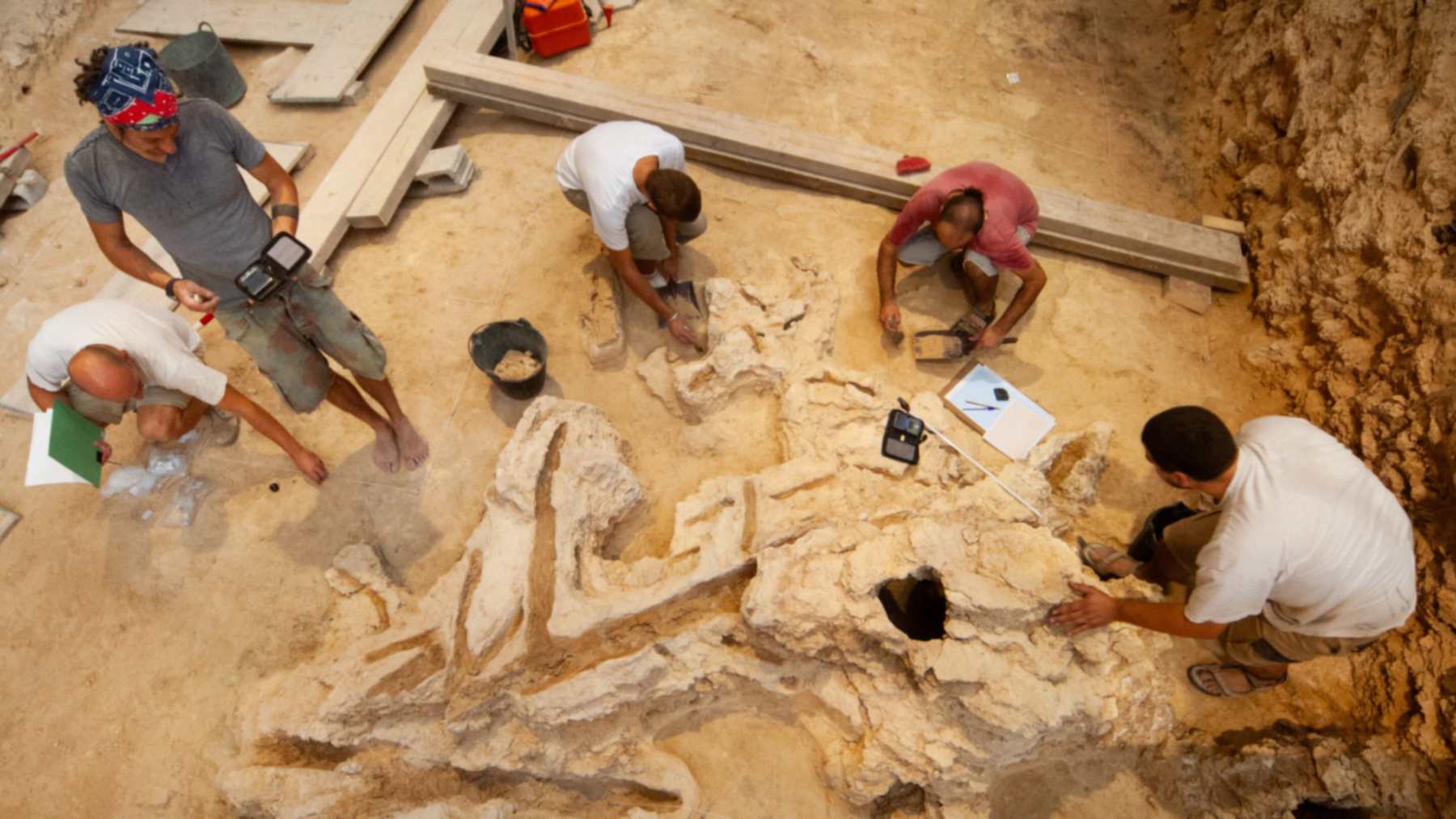
For the Passamaquoddy, restoring fish passage is also about food, culture, and sovereignty. Archaeological evidence cited by NOAA includes alewife bones from a regional hearth dated to about 4,000 years ago, while tribal leaders have spent generations pressing governments to reconnect the river.
The partnership now involves tribal communities, Maine agencies, NOAA, Canadian authorities, dam owners, and conservation groups. It is trying to restore native fish while preserving hydropower operations and supporting jobs connected to construction, alewife bait, and Maine’s valuable elver fishery.
The project’s future
The fish lift alone will not complete the watershed’s recovery. Passage efficiency must be measured, downstream migrants must survive the dams, and the proposed work at Grand Falls still needs enough funding to move from design into construction.
For now, the most important sign is that the project is advancing while the fish are already testing the old route each spring.
The latest official project update was published on NOAA Fisheries.