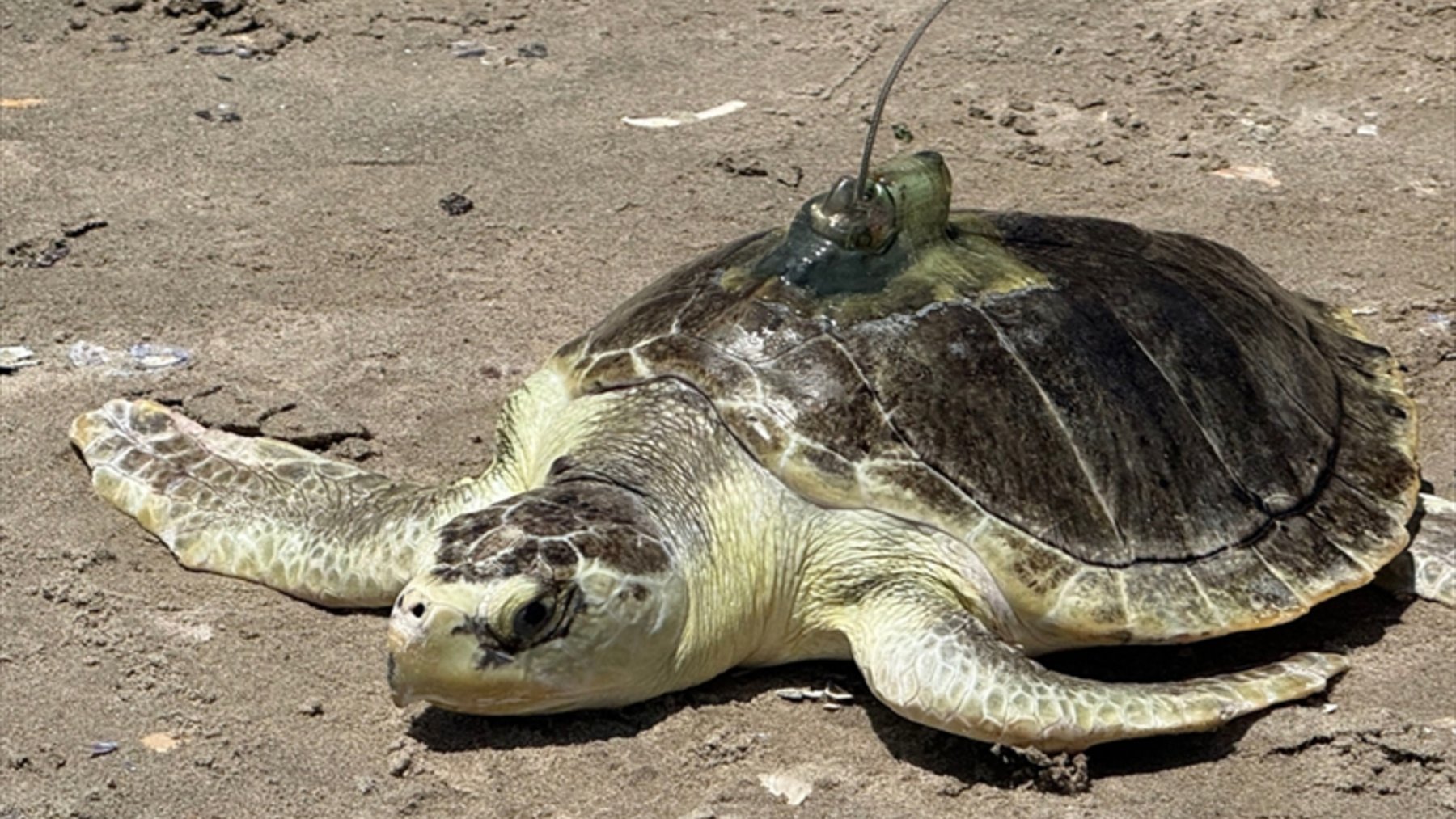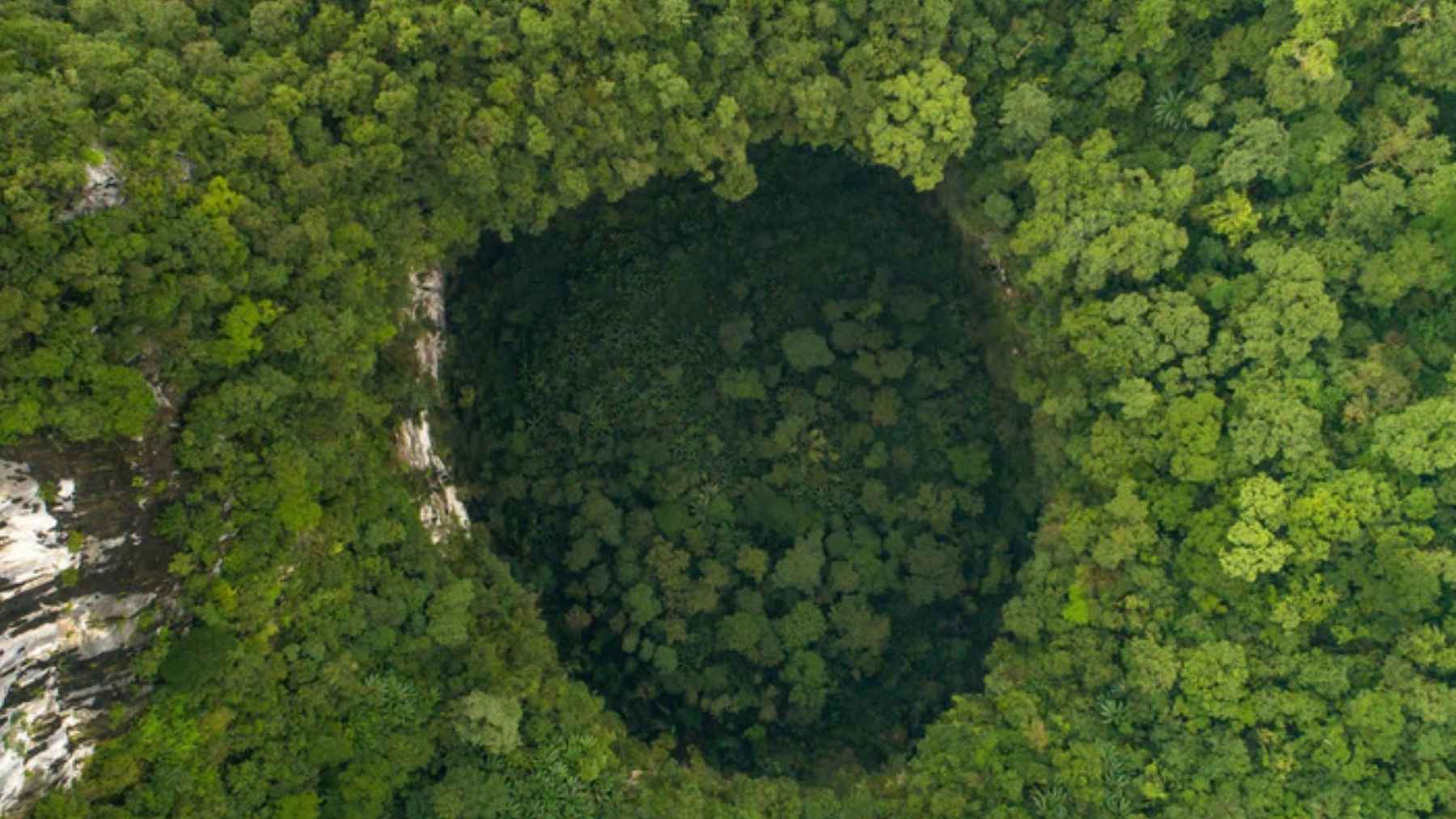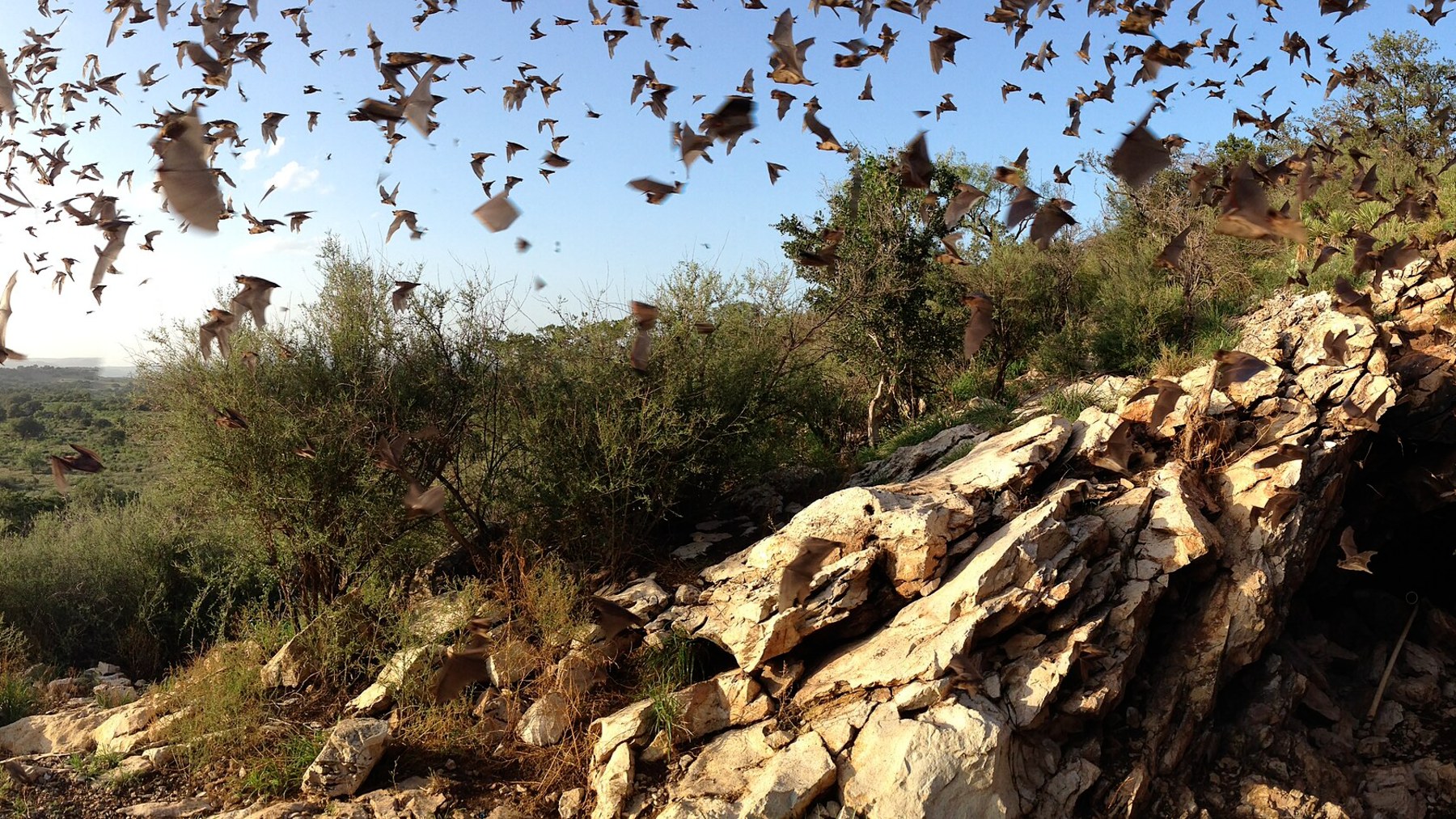
Could a simple conversation beside a rushing salmon stream change what happens deep in a forest? In coastal Alaska, scientists found that recorded human voices made bears, bald eagles, and other wildlife flee, disrupting the natural movement of salmon nutrients from water into the surrounding landscape.
Animals were nearly 10 times more likely to run from human speech than from natural gull calls. Combined with a Canadian study of 226 grizzly bears, the results suggest that even relatively modest human activity can weaken the bear-salmon relationship that helps keep temperate rainforests productive.
Human voices caused the strongest reaction
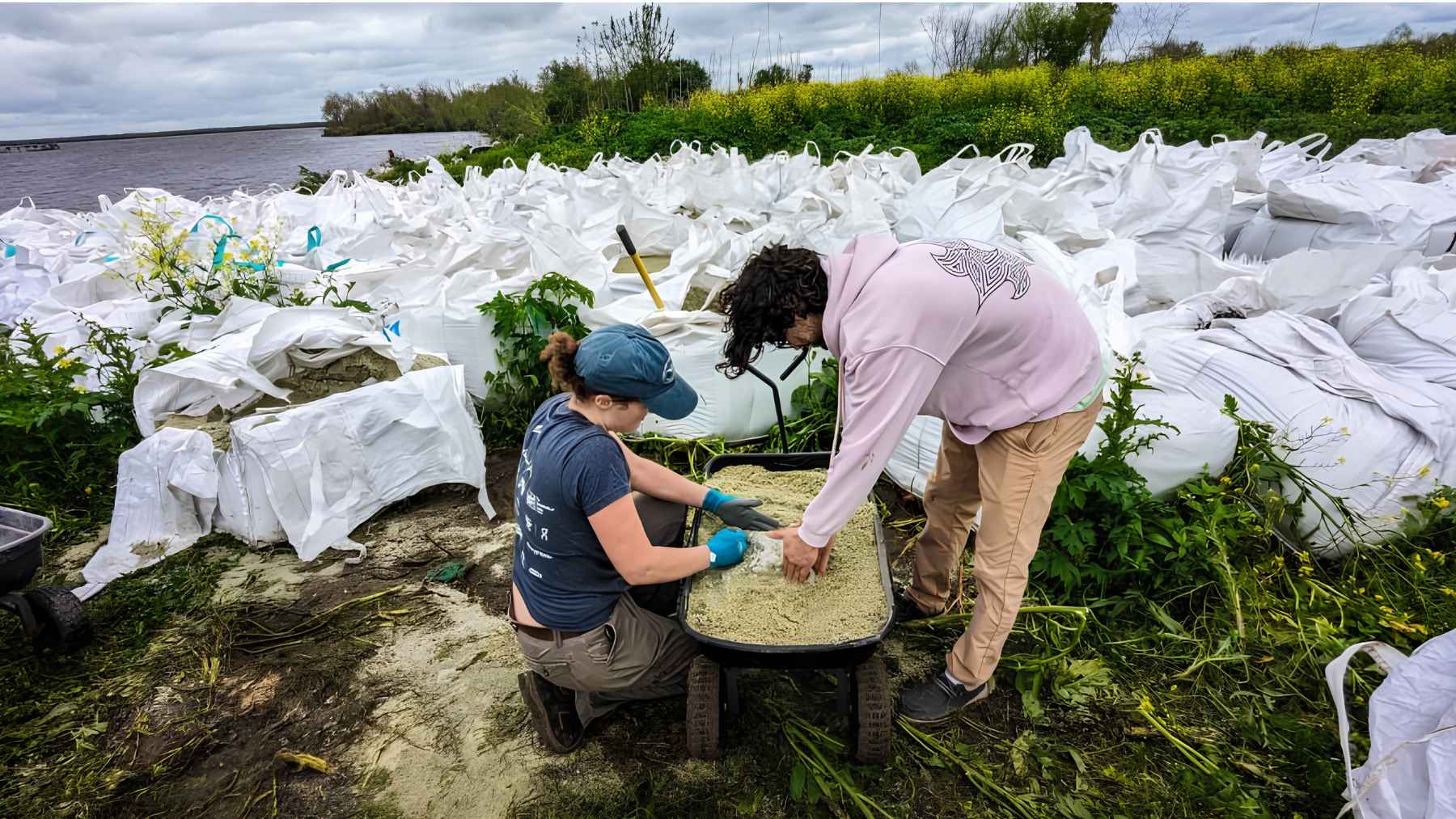
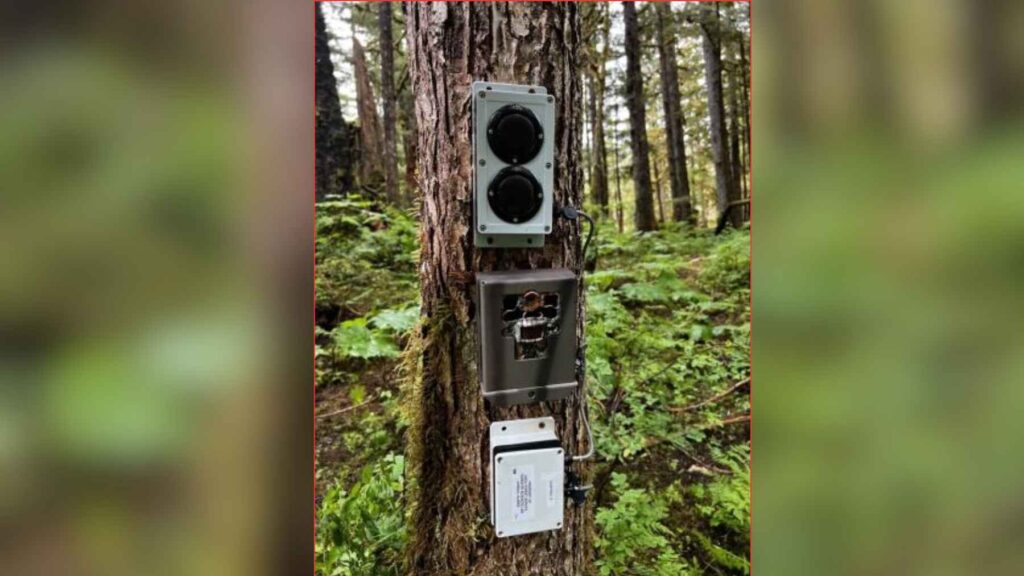
Philip Manlick, a research ecologist with the Pacific Northwest Research Station, led the Alaska work at the Héen Latinee Experimental Forest near Juneau. His team installed motion-activated cameras and speakers beside salmon streams, then played recordings of people talking, off-highway vehicles, or gull calls used as the natural comparison. The researchers also placed salmon carcasses at the sites to attract wildlife and track what happened next.
Across 917 camera-trap nights, the equipment recorded 992 animal detections, including hundreds involving bald eagles, common ravens, black bears, and brown bears. Wildlife was about twice as likely to flee after hearing off-highway vehicles and nearly 10 times as likely to flee after hearing human voices, compared with gull calls. Human speech produced the clearest response.
The effect was not limited to a quick startle. Sites exposed to simulated human activity had 45% fewer detections of top consumers such as bears and eagles, while nighttime detections rose from 22% at control sites to 41% at disturbed sites. In practical terms, animals changed both where and when they fed.
Why salmon help feed forests
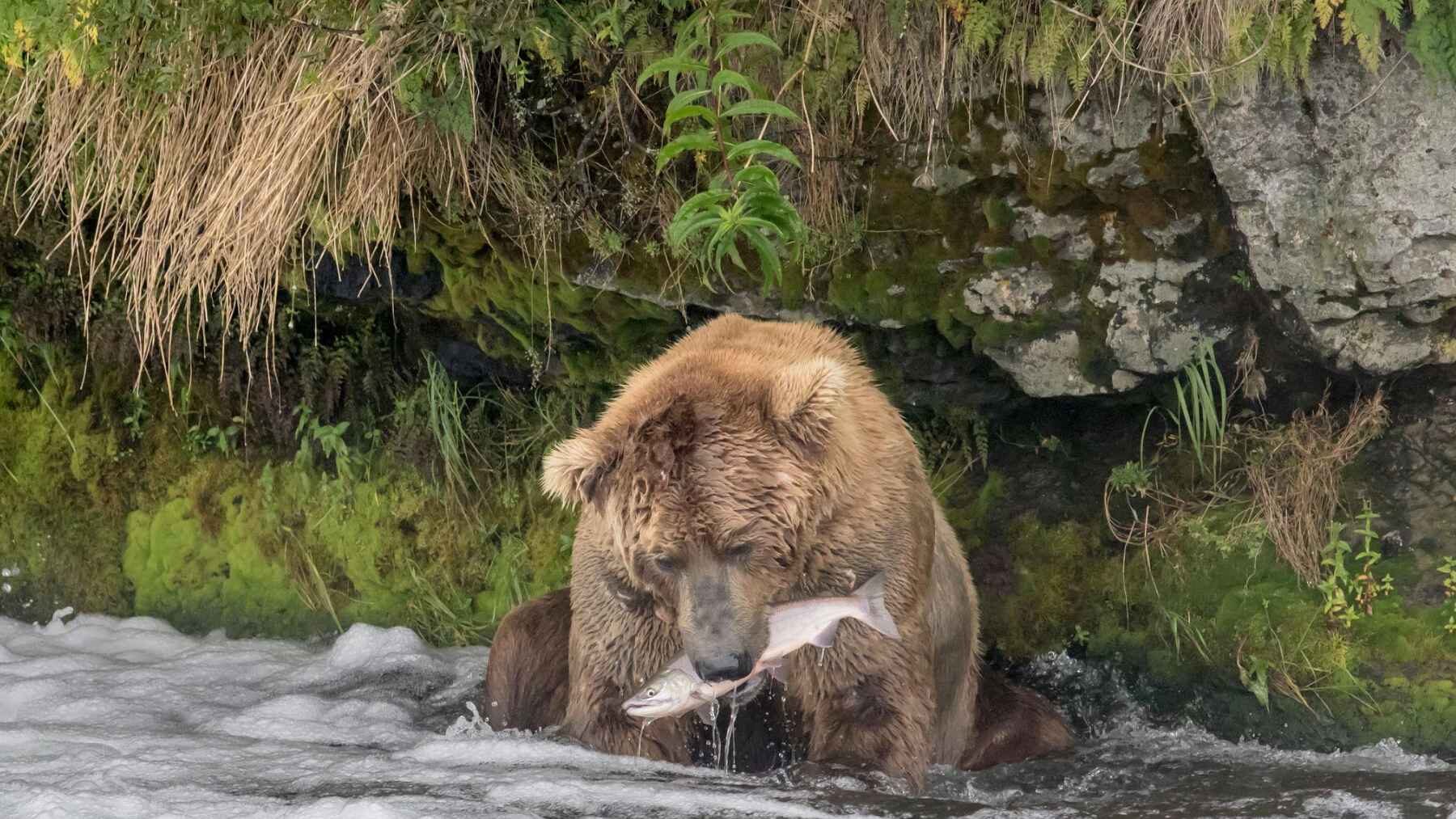
Pacific salmon build most of their bodies in the ocean before returning to freshwater to spawn, carrying marine nutrients into streams that may lack nitrogen and other materials needed for growth. Bears become important links in that transfer when they carry fish away from the water, eat the richest parts, and leave the rest on the forest floor. Ravens, eagles, and other scavengers continue the work.
Those remains break down and release nitrogen, which acts much like a natural fertilizer for streamside plants and trees. Scientists call this animal-mediated nutrient transport, but the idea is simple: wildlife becomes a delivery system between the ocean, the river, and the forest.
The Alaska team tested more than animal behavior by measuring salmon removal, soil chemistry, and the breakdown of organic matter. Not every soil measurement changed directly during the experiment, an important limit to keep in mind. The full pathway, however, showed that bears’ total effect on decomposition was 3.6 times stronger at control sites than at sites exposed to human sounds.
Canadian grizzlies show the same warning
A separate study led by Megan Adams examined a much longer record in British Columbia. Her team used chemical clues preserved in hair collected from 226 grizzly bears between 1995 and 2014 across 22 salmon-bearing watersheds covering about 34,000 square miles. Those markers allowed the researchers to estimate salmon consumption and compare it with food availability and human disturbance.
Human activity in streamside areas had a stronger relationship with the bears’ diets than salmon abundance itself. Female grizzlies consumed up to 59% less salmon as the human footprint increased, with declines appearing even in watersheds containing relatively few roads, structures, and industrial sites. A landscape does not need to look heavily developed before bears begin responding.
“Valley bottoms are very important travel corridors and foraging locations for bears, but these are spaces where human disturbance is also generally concentrated,” Adams said. Reduced access to salmon could contribute to smaller litters and lower bear densities. It could also leave fewer animals to carry fish remains and nutrients into the forest.
Quiet space may be part of the habitat
The findings point to a problem with protecting only a narrow strip beside a river. The Canadian researchers concluded that existing streamside rules were not enough and recommended management across larger areas, along with temporary access limits such as road closures during salmon spawning. The Kitasoo Xai’xais Stewardship Authority is already applying the evidence to forestry planning because bears hold major cultural and economic importance for the Nation.
The answer is not necessarily to close forests to people. Better trail placement, seasonal limits, and protected quiet areas could preserve tourism and outdoor access while giving wildlife room to feed naturally. At the end of the day, silence may work like another piece of habitat.
A passing voice can therefore travel farther through an ecosystem than people realize. It may send a bear away from a salmon, keep a carcass beside the stream, and change where ocean-grown nutrients reach the forest.
The main Alaska study was published in Current Biology.