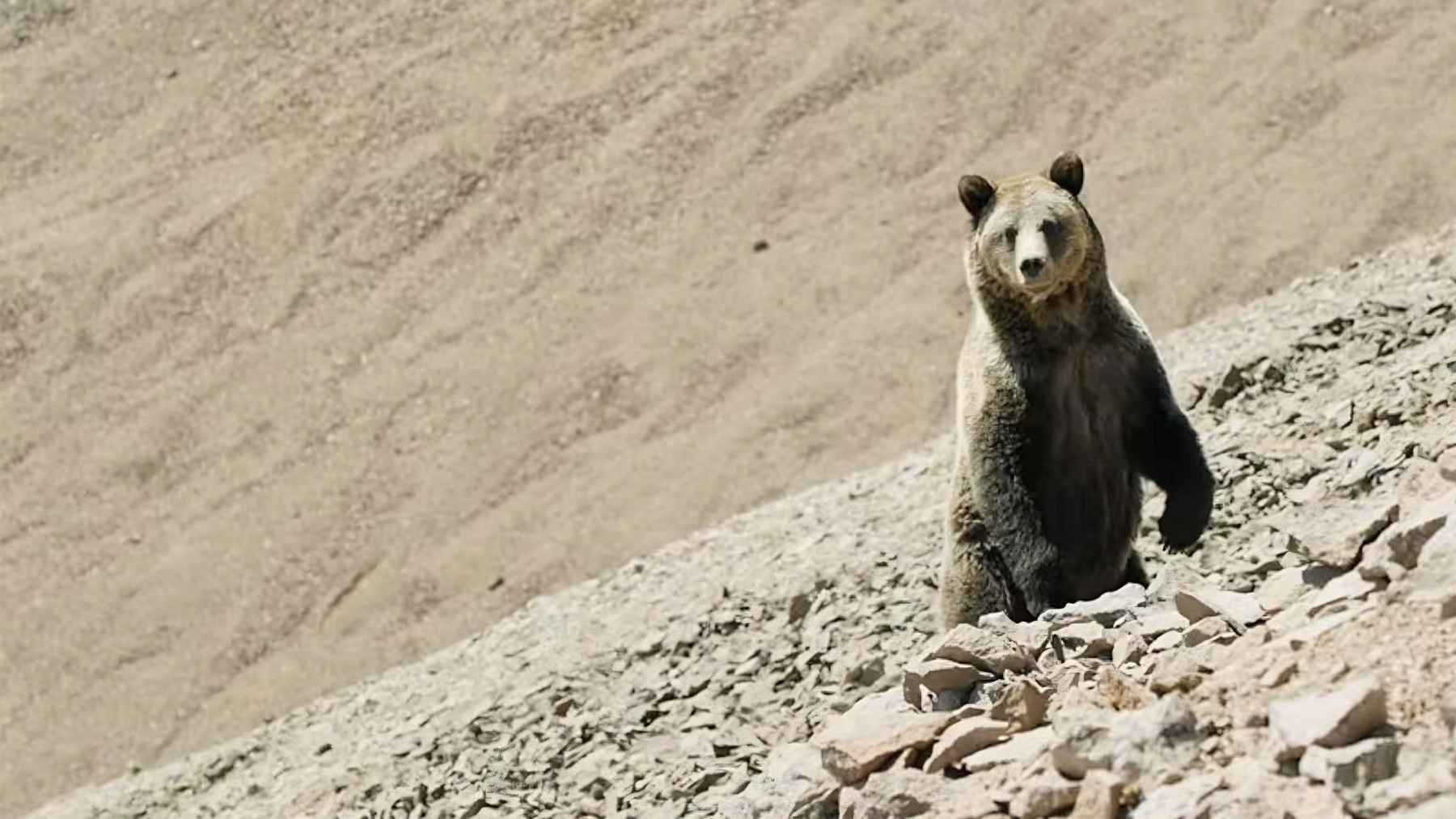
Wildlife filmmaker Casey Anderson expected to see grizzly bears above the tree line. He did not expect to count 47 of them before noon in the high country of the southern Absaroka Mountains in August 2025, all drawn to the same strange seasonal prize.
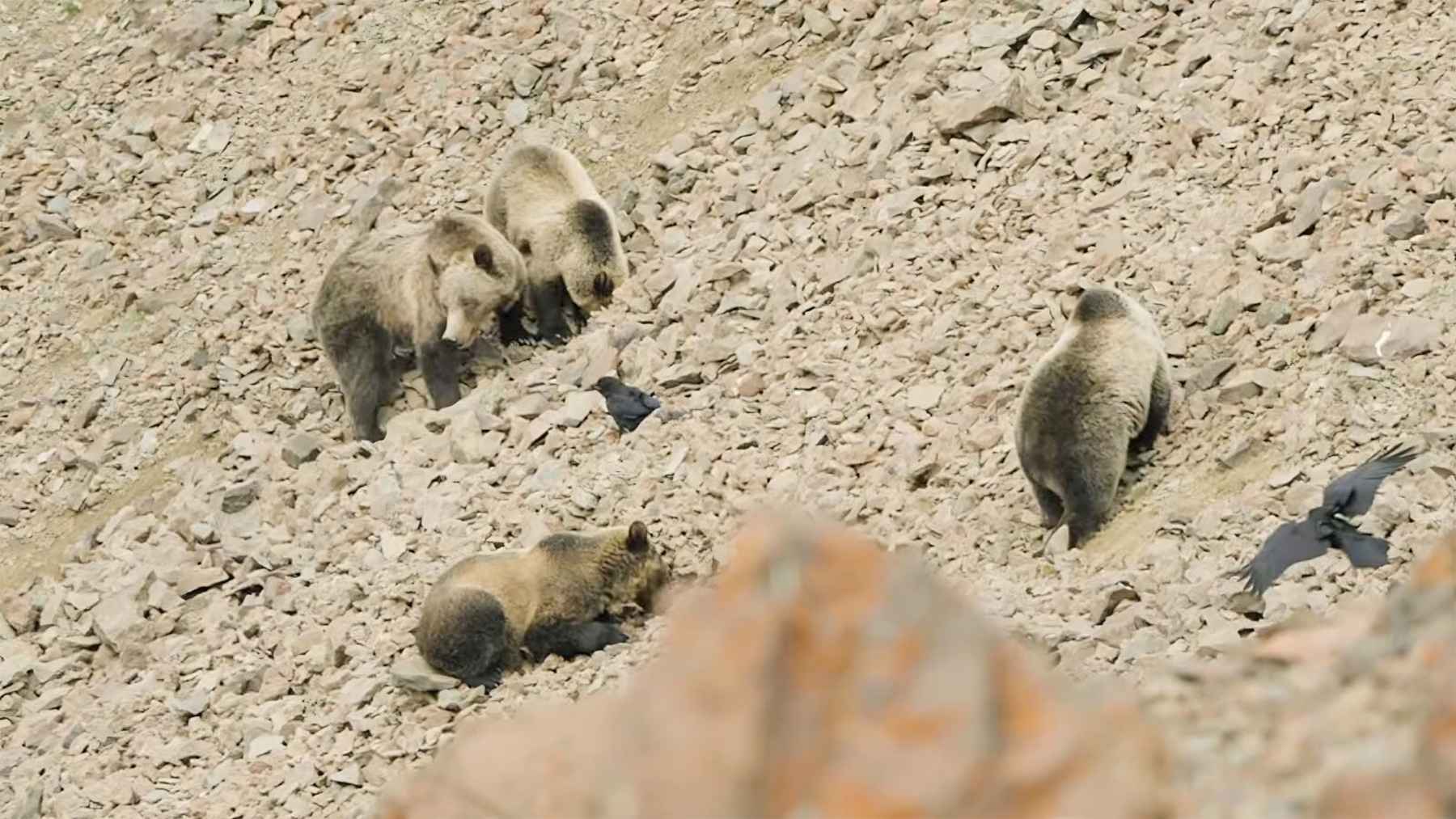
The bears were not chasing elk, raiding campsites, or fighting over a carcass. They were flipping rocks and eating army cutworm moths, small insects that gather in huge numbers on alpine slopes and offer Yellowstone grizzlies a rich burst of calories before winter.
A mountain buffet
Anderson, who lives in Emigrant, Montana, said the day broke even his Alaska record, when he once saw 46 bears along a busy salmon stream. This time, the scene unfolded in the Greater Yellowstone Ecosystem, where the animals had climbed thousands of feet for moths hidden beneath loose rock.
What do moths taste like? Anderson answered that question himself after trying one. “It sounds disgusting, but they’re actually really good,” he said. “They taste like honey-roasted peanuts.”
Why moths matter
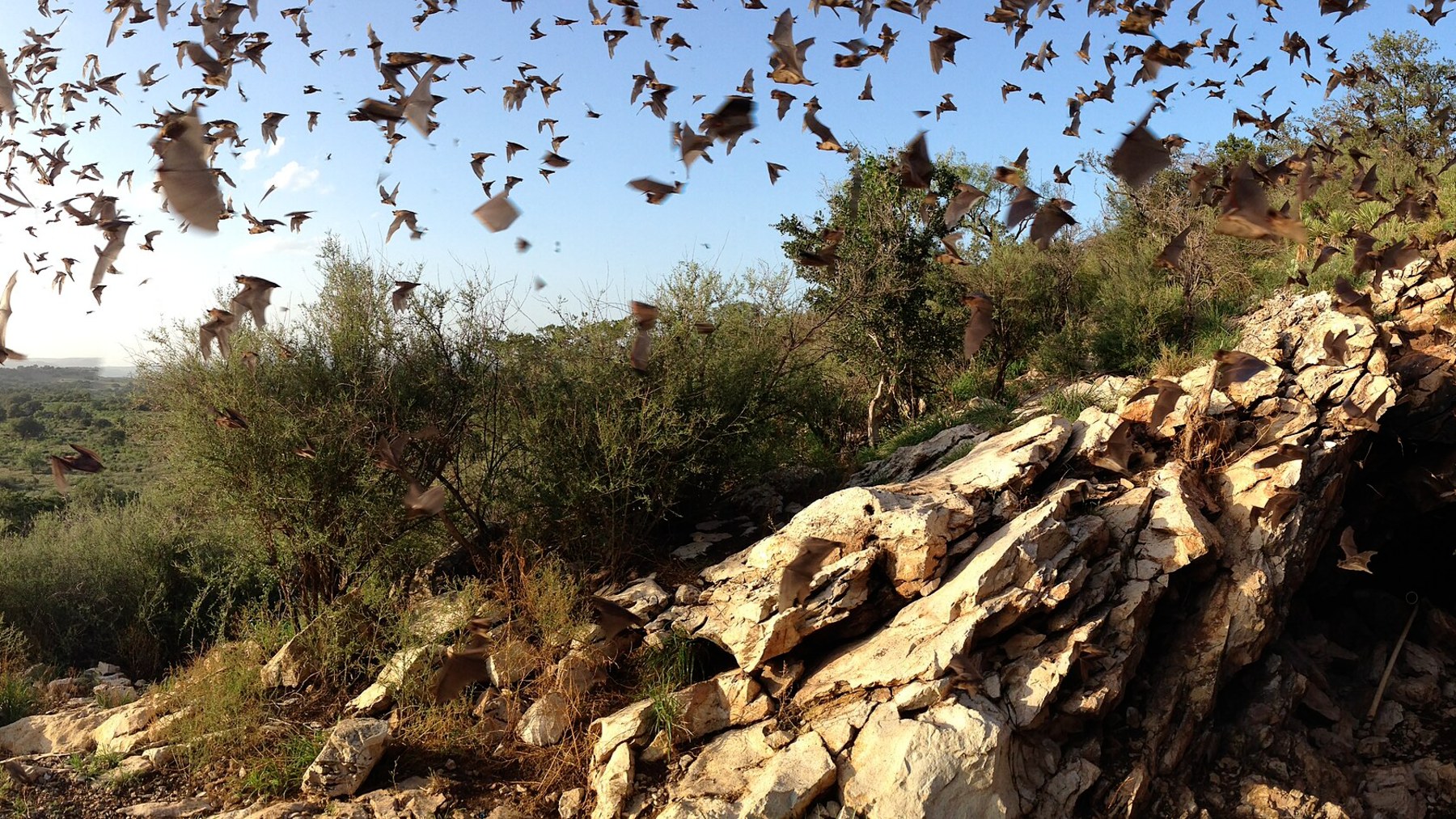
Army cutworm moths spend part of the year moving from the Great Plains into the mountains. At night, they feed on flower nectar; by day, they hide in rocky slopes far above timberline, often around 10,500 feet or higher.
That hiding place becomes a buffet for grizzlies. The bears move rocks with their paws, lick up the moths before they escape, and can eat tens of thousands in a day when conditions are right.
A tiny insect with huge value
This is where the story gets bigger than a viral wildlife clip. The National Park Service says army cutworm moths are among the highest-quality foods available to Greater Yellowstone grizzlies, along with whitebark pine nuts, ungulates, and cutthroat trout.
In practical terms, that means fat. Lots of it. Late summer is the time when grizzlies need to gain weight fast, and a slope packed with moths can work like an alpine energy bar, only scattered under stones.
More bears, or more gathering
Anderson has spent decades in grizzly country in Montana and Wyoming, and he said the numbers have kept climbing at these high-elevation feeding areas. First it was nine bears in a day, then the teens, then the 20s, and now 47.
Does that mean the Yellowstone grizzly population is exploding far beyond official estimates? Not necessarily. Anderson’s more careful point is that bears may be concentrating where the food is best, especially as other traditional foods shift from year to year.
What the science shows
A recent U.S. Geological Survey summary of research led by Justin Clapp reported 4,754 observations of grizzlies feeding or digging at high-elevation moth sites through 2023. The team identified 36 moth sites in the Greater Yellowstone Ecosystem and found that bears often returned to specific places year after year.
An earlier study by Steven P. French, Marilynn G. French, and Richard R. Knight found that grizzlies fed heavily on moths for up to three months in summer at known aggregation sites. In August 1991, researchers observed 51 different grizzlies feeding at four of those areas in a single day.
The whitebark pine question
For years, whitebark pine nuts have been one of the best-known grizzly foods in the region. But Anderson said he no longer sees as many bears in some pine areas where he once watched them feed.
That does not prove a simple replacement is happening. Still, it raises a reasonable question for biologists and land managers. Are more bears using moth sites because moths are becoming more important, or because other foods are less reliable in some places?
Why the debate is sensitive
The Greater Yellowstone grizzly bear remains a threatened species in the lower 48 states. The National Park Service estimates the broader ecosystem had about 1,030 grizzlies in 2024, up from 136 in 1975, with occupied habitat now covering more than 27,000 square miles.
That recovery has fueled calls to remove federal protections and return more management power to states. But the U.S. Fish and Wildlife Service found in January 2025 that a petition to establish and delist a Greater Yellowstone grizzly population segment was not warranted at that time.
Close encounters in wild country
Anderson said he does not oppose delisting or even hunting in every case, but he wants those decisions based on “objective science,” not politics or fear. That distinction matters because bear attacks often dominate public attention, while the quieter story is about habitat, food, and people moving deeper into bear country.
He also warned that more bears and more people in remote terrain can raise the odds of conflict. That is not a reason to panic. It is a reason to hike smarter.
Give grizzlies room
Yellowstone officials advise people to stay at least 100 yards from bears and to carry bear spray where it can be reached quickly, not buried in a backpack. They also recommend hiking in groups of three or more and making noise in areas with poor visibility.
That advice matters even above the tree line, where open slopes can make the animals look farther away than they really are. A bear eating moths is still a grizzly bear, and a sow with cubs may treat a surprised hiker as a threat.
A strange sign of a living ecosystem
The sight of 47 grizzlies eating moths may sound almost unreal, but it fits a deeper pattern. Yellowstone bears are opportunists, and when a food source is rich, remote, and seasonal, they remember it.
At the end of the day, this is not just a story about hungry bears and honey-roasted moths. It is a reminder that one of North America’s largest predators can depend, for part of the year, on one of the smallest creatures in the mountains.
The main report on Anderson’s sighting was published by Cowboy State Daily, and the most recent scientific work on this behavior has been published in The Journal of Wildlife Management.