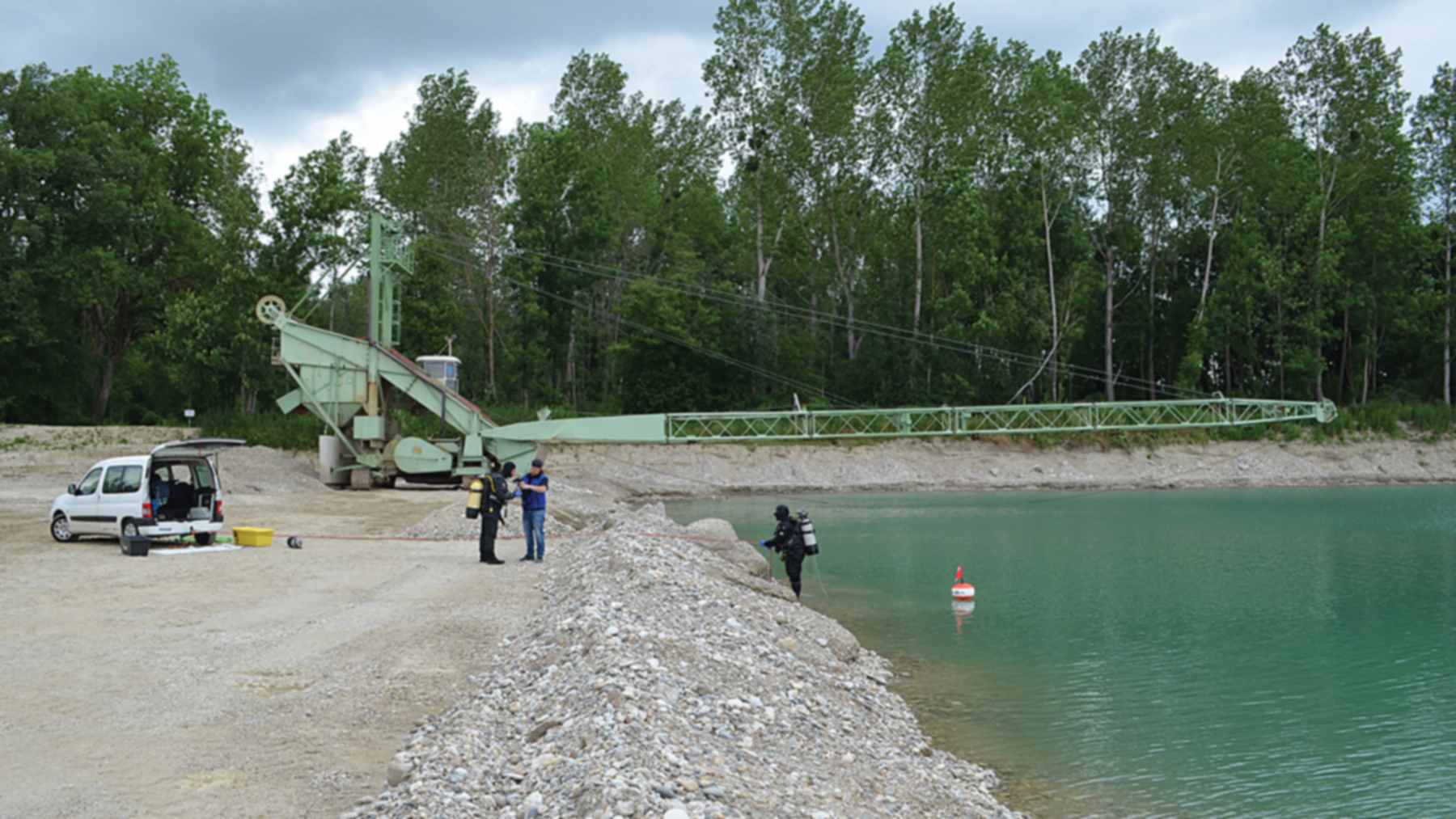
Norway’s largest Viking coin hoard now holds 5,550 silver coins, according to an October 8 update from Innlandet County Authority. Metal detectorists Vegard Sørlie and Rune Sætre found the first coins on April 10, 2026. The site is a field at Mørstad, near Rena in the municipality of Åmot.
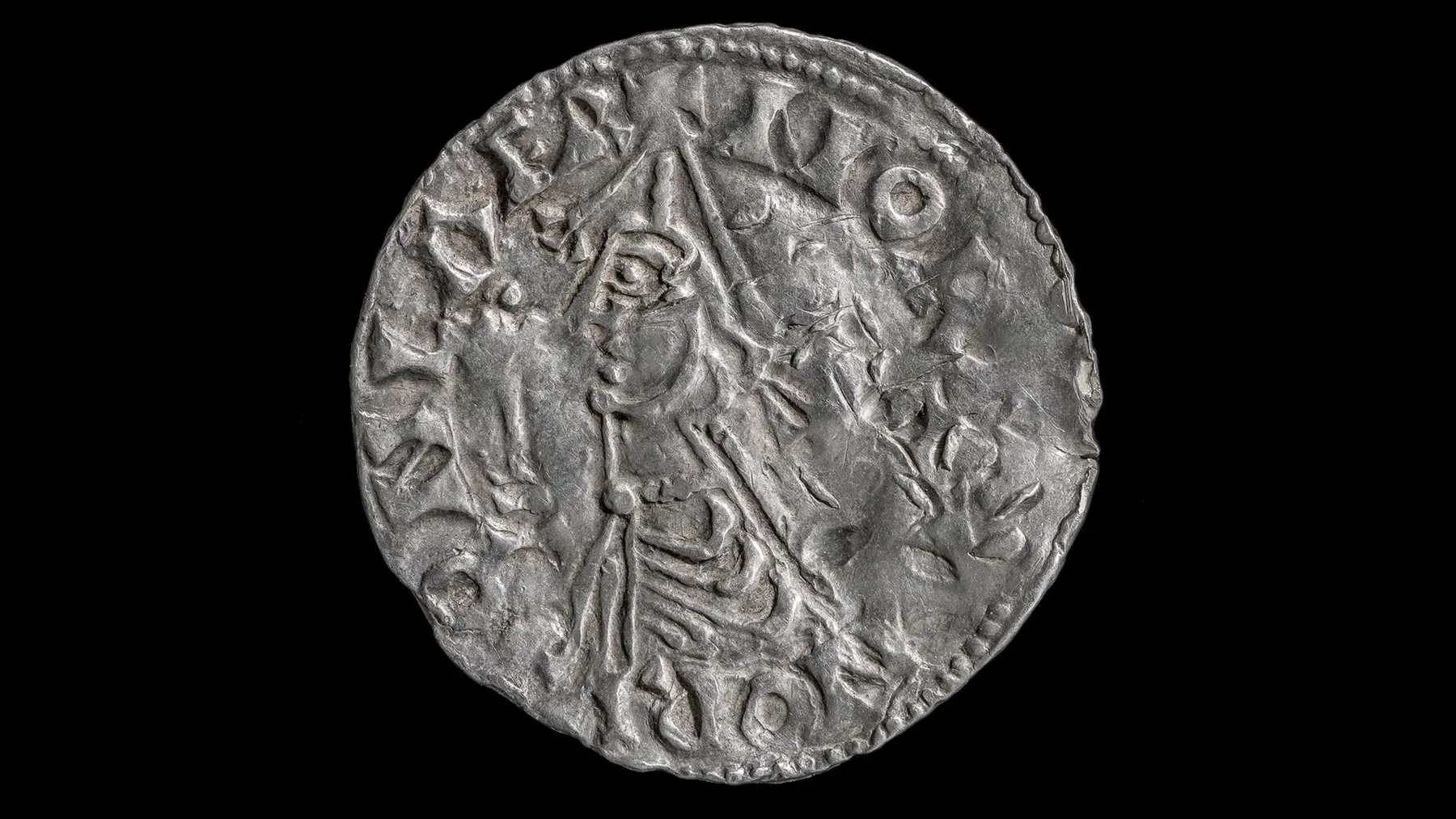
Fieldwork at the site is now finished, the county says. The work has moved to the Coin Cabinet at the Museum of Cultural History in Oslo, where staff are cataloging every coin. One of them turned out to be a rare penny of Olaf Haraldsson, the king later venerated as Saint Olaf.
Past 5,000 coins this fall
When the museum first announced the find, the tally stood at 2,970 coins as of April 29. A systematic excavation in May raised it to 4,772, as an excavator lifted the topsoil grid by grid. By June the count had reached 4,886.
Sætre and Sørlie went back this fall with permission from the county. County archaeologists also ran a follow-up investigation of the field at the end of September. Coin number 5,000 was unearthed by the landowner, Ole Erik Hørstad, together with the two detectorists.
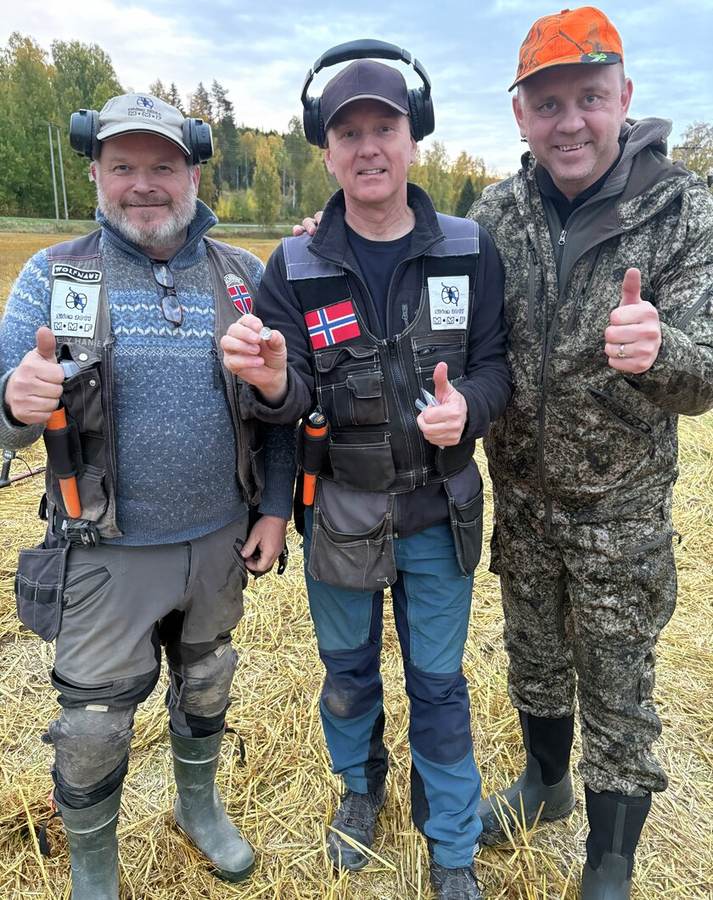
Florent Audy, the associate professor who leads the cataloging, expects more. “I am beginning to think that the hoard may soon exceed 6,000 coins,” he said in the museum’s October 9 announcement.
Norway’s second-largest Viking Age coin find came from Årstad in Egersund between 1836 and 1843. It held 1,849 coins. Even at the May count, Mørstad was larger than the next four Norwegian hoards combined, the museum noted.
Filed with the English coins
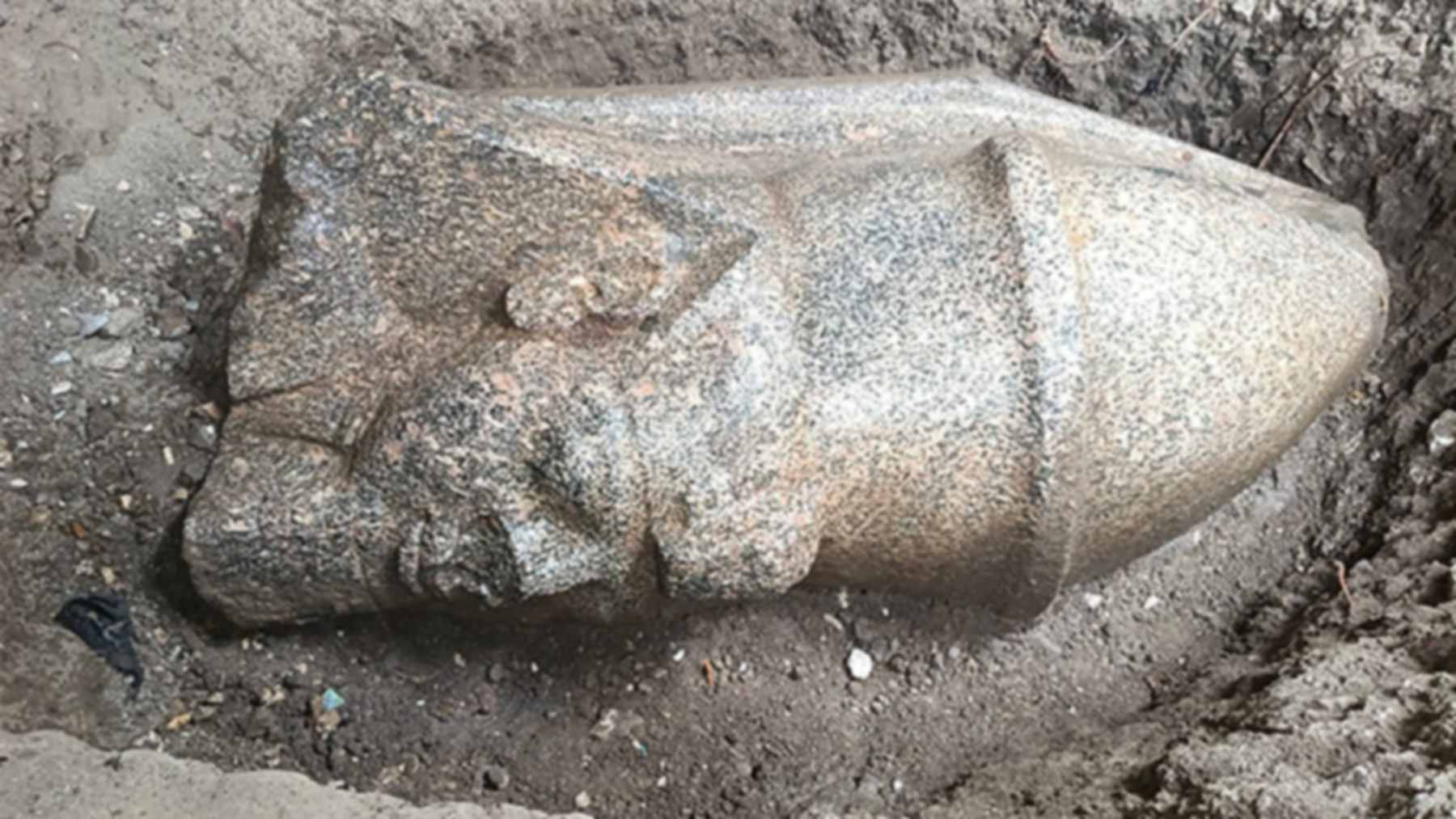
Archaeologist Anne Skogsfjord found the Olaf coin while cataloging. At first glance it looked Anglo-Saxon, so it had been sorted with coins of the English king Æthelred II. Then she read the inscription ONLAF R+ NORMANORV, which means “Olaf, King of the Norwegians.”
“I realised that we had found a national treasure,” Skogsfjord said in the museum’s statement. She ran straight to a colleague to share it.
According to the museum, fewer than 20 coins of Olaf Haraldsson survive, and most were found outside Norway. Only four examples of this type were known before, one in Oslo and three in Sweden. The only earlier Norwegian find came from the church ruins at Stein in 1924.
Struck around 1024 to 1028, the penny shows the king in a conical battle helmet beside a cross. To professor of numismatics Svein Gullbekk, it is a coin of Christianization, made to present Olaf as a Christian king of European standing. Small knife cuts on both faces were tests of the silver content during payments, Audy explains.
Iron and foreign silver
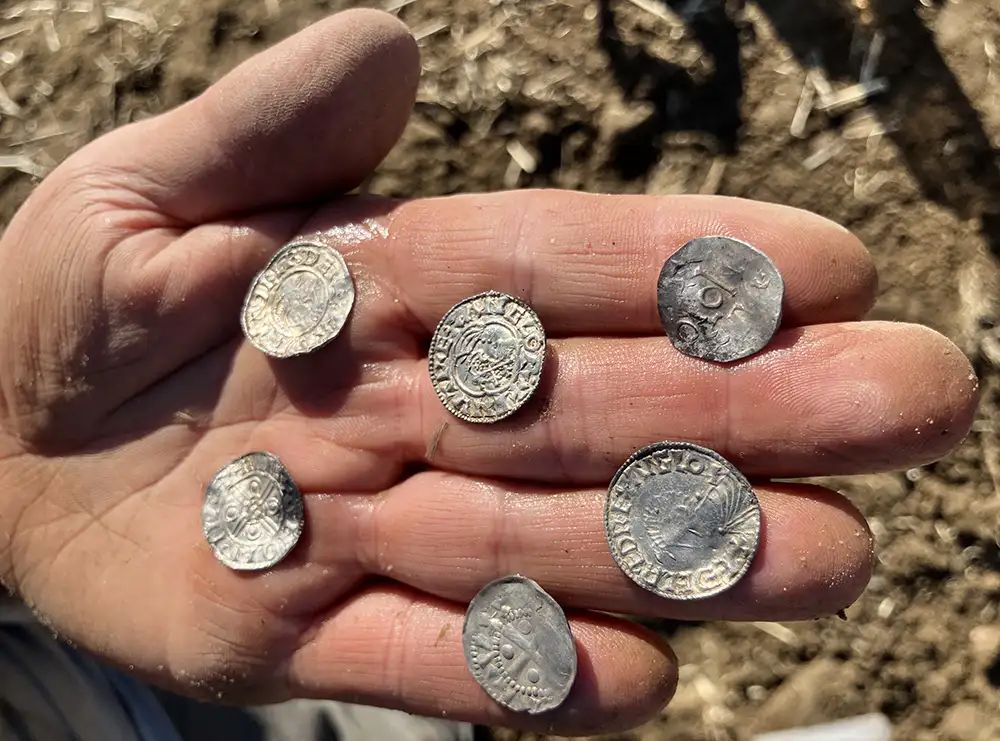
More than 95 percent of the coins were struck in kingdoms in what is now England and Germany, the museum says. The hoard also contains Danish and Norwegian coins. There are cut pieces of silver jewelry too, known as hacksilver, which were used by weight.
Museum researchers think iron explains the wealth. When the find was announced, archaeologist Jostein Bergstøl said the valley produced iron on an enormous scale from the 900s until the late 1200s. Ore came from the bogs, and the metal was exported to Europe.
Gullbekk pointed to the state of the coins. “This smells like money, the coins are not clipped or damaged in any way,” he said in May. For now, the museum presents iron as its leading hypothesis.
Readers may remember another Norwegian find on ECONEWS, a silver coin from Magnus Barefoot’s reign that had been remade as jewelry. Magnus ruled from 1093, roughly 50 years after the Mørstad burial.
Harald Hardrada sets the date
Four rare Norwegian coins of Harald Hardrada, king from 1046 to 1066, are the youngest pieces identified so far, along with one Danish coin of the same years. They led the museum to put the burial in 1046 or 1047, as the Viking Age gave way to the Norwegian Middle Ages.
“But this may of course change if coins of a later date are discovered,” Gullbekk said. By early October the museum had cataloged more than 1,700 coins, at an estimated hour of work apiece.
Until Harald set up a national coinage, foreign silver, most of it English and German, dominated payments in Norway. During his reign his own coins gradually pushed most of that foreign money out. According to Gullbekk, the hoard was buried at the very start of that change.
Radar traced an old riverbed
Soon after the find, the Norwegian Institute for Cultural Heritage Research scanned the whole field with ground-penetrating radar. It covered about 4 hectares (10 acres) in a single day. County archaeologists wanted to know whether the silver lay alone or near houses or graves.
The radar team found no clear archaeological traces close to the find spot, a result the institute calls preliminary. It did see older channels of the Glomma River, which has shifted west over time. Old river banks between the find spot and today’s river suggest the silver lay on dry ground, safe from floods.
In May, the excavators also looked for a container or other structures, and found none. That sets Mørstad apart from the Viking silver hoard dug up in a garden in Rebild, Denmark, where about 320 objects were still inside their clay vessel.
Who hid the silver is unknown
The museum describes two broad readings of Viking Age hoards. One is a kind of bank account buried for safekeeping, the other an offering with a religious meaning. Neither has been shown for Mørstad, and the team will also look for signs of unrest in the area at the time.
The finders quickly alerted county archaeologists, much like a detectorist near Cologne who stopped digging and called archaeologists. Under Norway’s Cultural Heritage Act, all traces of human activity from before the Reformation of 1537 are protected. The hoard therefore belongs to the public.
A first selection goes on display at the Oslo Coin Cabinet from November 20, 2026, to March 28, 2027, according to the Historical Museum’s exhibition page. It includes the Olaf penny and coins of Harald Hardrada.
Photo: Lill-Ann Chepstow-Lusty / Museum of Cultural History