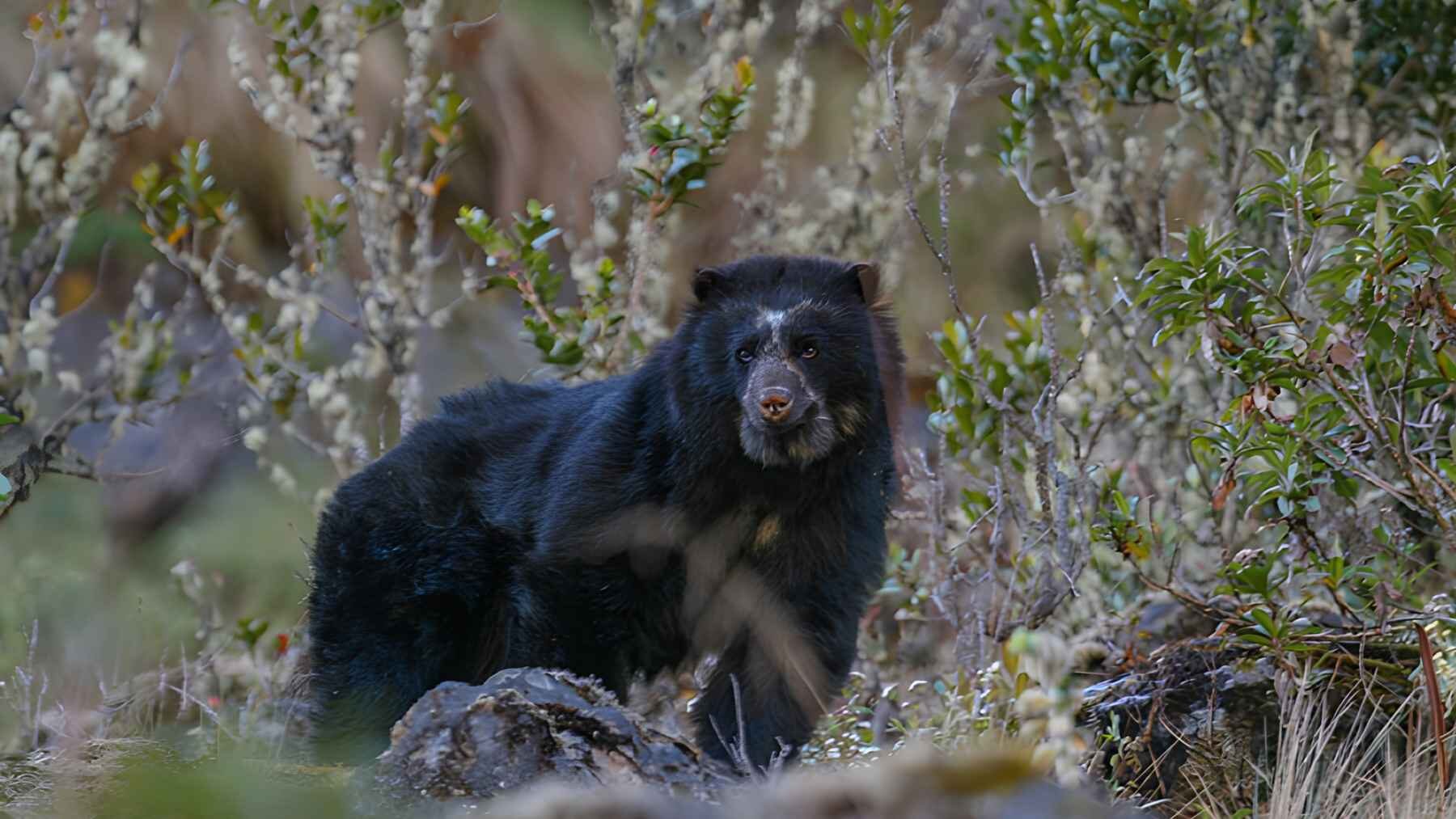
The jukumari has reappeared near the headwaters of the Parapetí River, a hopeful sign for conservationists in Bolivia’s Chaco because spotting such an elusive bear is not an everyday thing
A camera trap has captured an Andean bear stepping into the headwaters of Bolivia’s Parapetí River, lingering in the water for several minutes before disappearing into the forest. Fundación Natura Bolivia called the animal’s presence “a sign of hope,” because the footage shows a vulnerable species moving through a relatively undisturbed part of the Chaco watershed.
More than a remarkable wildlife moment, the sighting connects two conservation concerns that are easy to separate on paper but inseparable on the ground. Protecting the jukumari’s forest also helps protect the upper basin that carries water toward communities and wetlands downstream. A bear at the river can tell a much bigger story.
A quiet visitor at the river
The footage shows the jukumari descending to the channel, cooling off, and then returning to the surrounding trees. Fundación Natura Bolivia said the bear moved calmly through a lightly altered setting, with water and forest cover close together. For conservationists, that relaxed behavior is part of what makes the recording encouraging.
Still, one camera-trap clip cannot prove that the local population is growing. It confirms that at least one bear used this site at this moment, not how many bears live across the basin or whether they are reproducing. Earlier monitoring in the same upper watershed recorded two individuals in 2022, so the latest scene adds to a longer trail of evidence rather than standing alone.
Why these headwaters matter
The Parapetí begins in the mountain forests of Chuquisaca and runs through municipalities including Monteagudo, Huacareta, Villa Vaca Guzmán, and Camiri. It also crosses the Indigenous territory of Charagua Iyambae before reaching the Isoso wetlands in Santa Cruz. What happens high in the basin does not stay there.
The Upper Parapetí River Basin protected area was established in 2017 to safeguard the river’s sources. Its roughly 292,600 acres connect with the Serranía de los Milagros protected area, helping wide-ranging wildlife move through the landscape. In practical terms, that forest is part of the watershed’s plumbing.
South America’s only bear
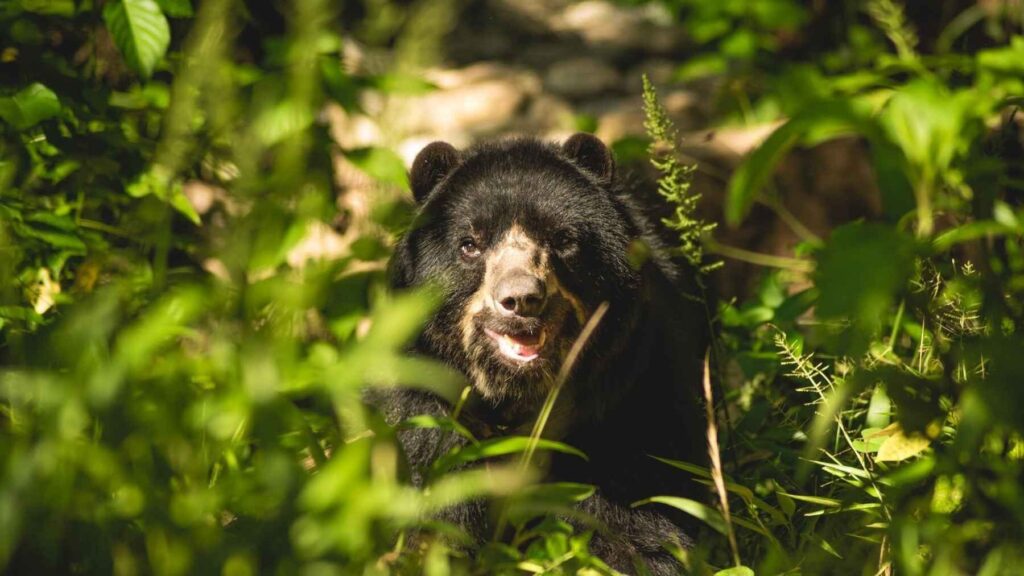
The jukumari, also known as the Andean or spectacled bear, is the only living bear species native to South America. Many individuals have pale markings around the eyes and muzzle, although every pattern is different. Its diet is weighted heavily toward fruit and other plant material, which ties the animal closely to a healthy forest.
The species is listed as vulnerable by the IUCN and remains vulnerable in Bolivia’s 2026 Red Book of Vertebrates. Habitat loss and fragmentation are central dangers, while hunting, illegal wildlife trade, climate change, and conflict with people add further risk. Roads and expanding settlements can turn continuous habitat into a patchwork.
A 2025 study covering about 14,728 square miles of the northern Bolivian Andes estimated bear occupancy at 80% inside protected areas and 59% outside them. Bear presence also declined closer to roads and human settlements. The research did not measure the Parapetí population, but it offers useful regional context for why protection and distance from disturbance matter.
A seed carrier and water guardian
Why does one bear matter to an entire forest? Fundación Natura Bolivia describes the jukumari as a “guardian” of the Parapetí headwaters and an umbrella species, meaning that conserving enough connected habitat for the bear can also shelter many other plants and animals. It needs room.
The bear’s plant-rich diet gives it another job. Research has found that seeds from several plant species can remain intact and viable after passing through an Andean bear, allowing the animal to carry them across the landscape. That seed movement supports forest regeneration, which in turn helps maintain vegetation, soils, and water functions in the upper basin.
What the footage can and cannot prove
The latest recording shows usable habitat and a bear willing to enter the river without obvious disturbance. It does not reveal the size, age structure, or trend of the local population, and it cannot show whether threats are rising elsewhere in the watershed. That distinction matters.
Researchers and conservation groups have called for stronger monitoring both inside and outside protected areas, especially in southern Bolivia. Camera traps work best when combined with tracks, feeding signs, local knowledge, and repeated surveys over time. A short clip opens the question, but long-term data answers it.
A hopeful sign with work still ahead
The footage justifies cautious optimism. It shows that the Parapetí headwaters still offer at least one vulnerable bear access to water, cover, and a route back into the forest. However, hope is not the same as recovery.
Keeping wildlife corridors intact, reducing hunting and illegal trade, managing human-bear conflict, and supporting local monitoring will matter far more than one striking wildlife clip. If the jukumari keeps returning, it may be because the forest around the river has kept doing its quiet work.
The official footage was published on Fundación Natura Bolivia’s.