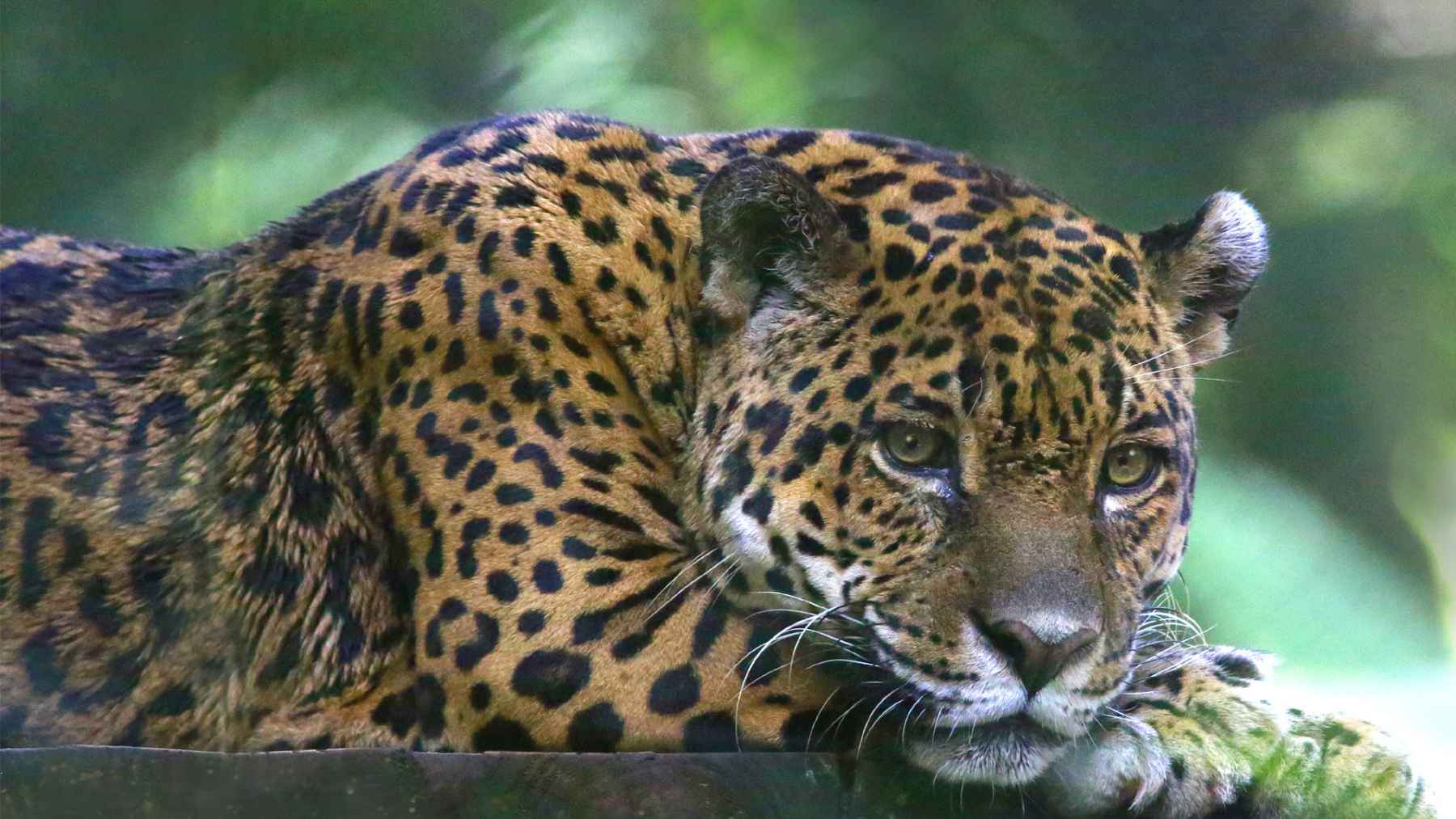
Bolivia is preparing for something it has never done before, releasing a rehabilitated jaguar back into the wild. The young female, named Yaguara, is expected to return to her natural habitat in April after nearly two years of careful rehabilitation in the Bolivian Amazon.
This is not just a feel-good wildlife story. In a country where jaguars are routinely killed through poaching and conflict with people, one open gate can become a national stress test for conservation, law enforcement, and habitat protection. And yes, the clock is moving faster than politics.
A first for Bolivia
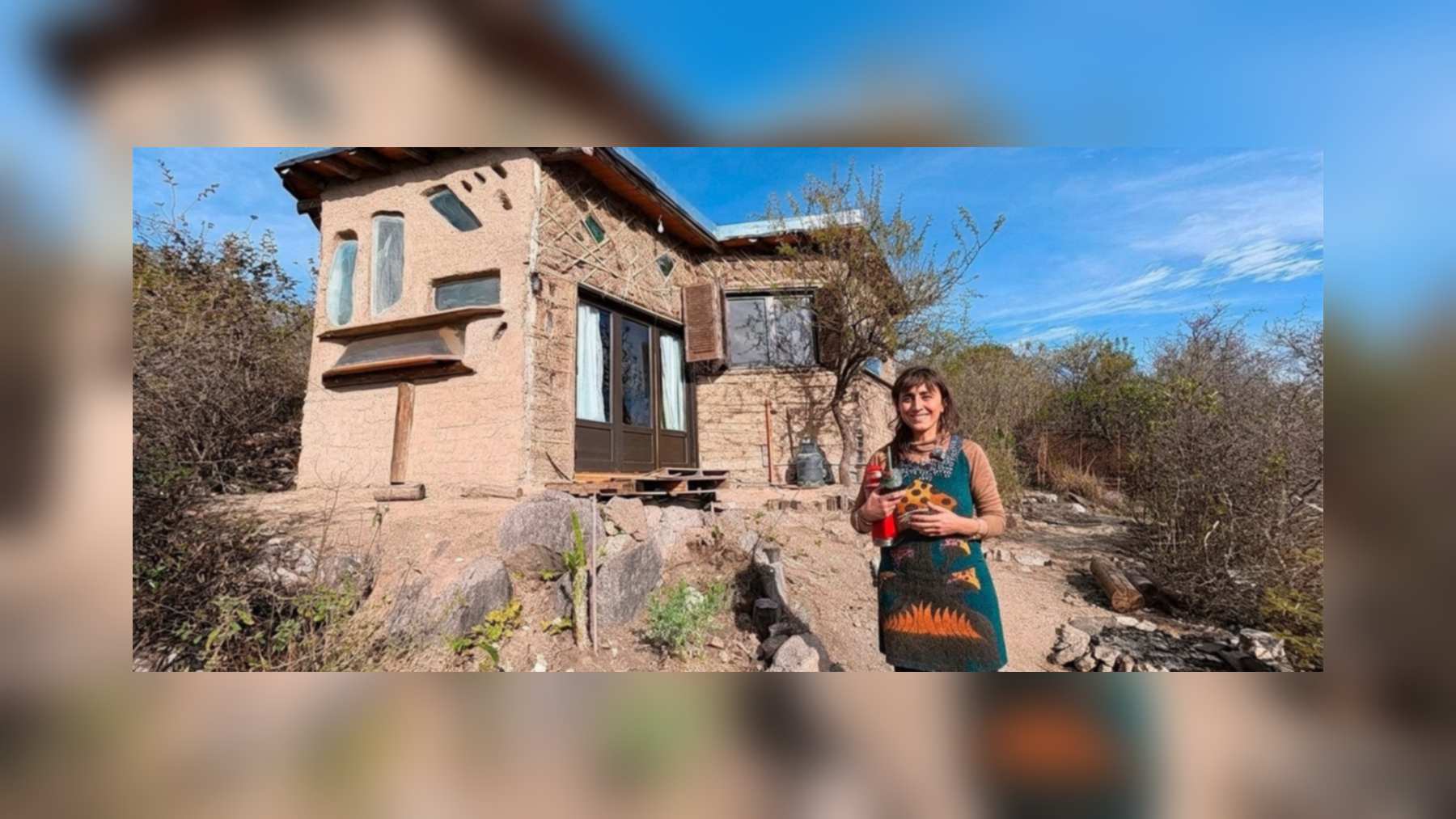
Yaguara’s journey runs through the work of Tania Baltazar, a Bolivian wildlife advocate with more than three decades of experience rescuing animals from illegal trafficking. Friends call her “Nena,” and she told reporters that releasing this jaguar may be the biggest challenge she has faced.
The rehabilitation was led by Comunidad Inti Wara Yassi (CIWY) at Ambue Ari, a refuge near the Amazon that spans about 2,471 acres (1,000 hectares) and houses around 60 rescued animals from roughly 20 species. It is about 217 miles (350 kilometers) from Santa Cruz de la Sierra, and it has become a kind of last stop for victims of the wildlife trade.
A cub shaped by megafires
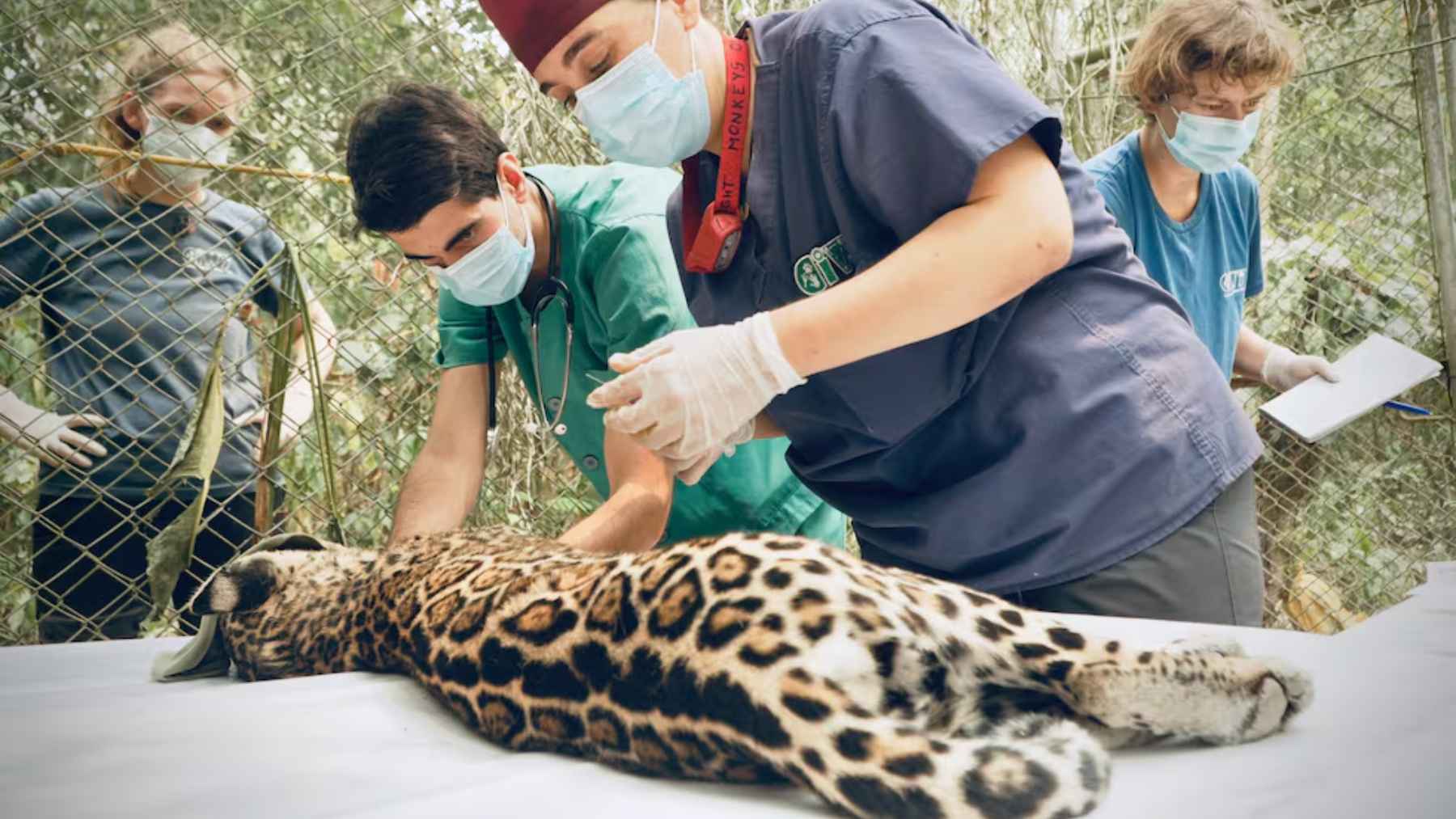
Yaguara’s story begins with Bolivia’s 2024 wildfires, which burned more than 34.6 million acres (14 million hectares) of forest, according to the reporting around her case. When she was about eight months old, she lost her mother in those fires and fled with her brother toward a cattle ranch.
Ranch workers reportedly chased the cubs on horseback, and Yaguara was roped, caged, and held while her brother escaped. Baltazar summed up the odds in a blunt line, saying the cub had “a very small chance of surviving without her mother.” That early separation is why this release carries such high stakes.
Training for a life without fences
Rewilding a big cat is not like simply “setting it free.” Caretakers at Ambue Ari tried to preserve Yaguara’s instincts while keeping human contact as low as possible, because habituation can turn into a death sentence once an animal starts seeking people out. As one refuge leader put it, if a wild animal spends too long with humans, it cannot safely return because it may approach people and fail to recognize threats.
Even enclosure design was shaped around jaguar behavior. Ambue Ari’s feline habitats were described as about 26,910 square feet each (2,500 square meters), and staff hid raw meat in leaves to encourage searching and hunting patterns. The refuge also noted that a jaguar can walk roughly 37 to 50 miles per day (60 to 80 kilometers), which is a reminder of how hard it is to simulate freedom, even with good intentions.
Why jaguars are under pressure
Bolivia is wrestling with more than a single animal’s comeback story. A major CITES study on illegal jaguar trade reported that Bolivia had among the highest reported annual jaguar mortalities linked to poaching, averaging 61 jaguars per year in the available reporting. CITES also notes that jaguars are listed under Appendix I, which means commercial international trade in the species is prohibited.
On the ground, the threats are also painfully practical. Biologists involved in Yaguara’s case pointed to habitat fragmentation from extensive cattle ranching and soy cultivation, which can reduce natural prey and push jaguars toward livestock. When a rancher finds a dead calf, the response is often retaliation, and the jaguar loses.
There is also growing pressure to treat jaguar protection as more than a slogan. A recent Bolivian legal battle over habitat protections included a requirement that the Environment and Water Ministry upgrade the jaguar’s conservation status from “vulnerable” to “endangered” or even “critically endangered,” alongside stronger protection plans. That kind of policy shift matters, because an animal released into a shrinking forest is still stepping into danger.
Choosing a park built for secrecy
So where do you release a jaguar when the risks are this high? The project selected Noel Kempff Mercado National Park in Santa Cruz, a UNESCO World Heritage site with about 3.76 million acres (1,523,000 hectares) of largely intact ecosystems. UNESCO describes the park as one of the largest and most intact in the Amazon Basin, with an elevation range of roughly 650 to nearly 3,300 feet (200 to almost 1,000 meters).
The choice was not only about beauty or biodiversity. The reporting around Yaguara’s case notes that a female jaguar released in Argentina was hunted and killed just days after release, which is exactly the nightmare scenario conservationists are trying to avoid here. That is why the site decision leaned toward a place with low permanent human presence and a stable jaguar population.
After release, the hard part begins
The plan does not end when Yaguara disappears into the trees. The project includes post-release monitoring to evaluate how she adapts to her new environment, because survival is the only metric that truly counts. And in the background sits a grim reality from the rescue world, where the refuge’s leadership says “of ten animals destined for illegal trafficking, barely one survives.”
If Yaguara makes it, Bolivia gains more than a single success story, it gains a homegrown playbook for future jaguar releases and a clearer argument for protecting connected habitat. If she does not, the failure will still be instructive, showing how quickly poaching, conflict, and weak enforcement can erase years of careful rehabilitation.
The official statement was published on CITES’s website.