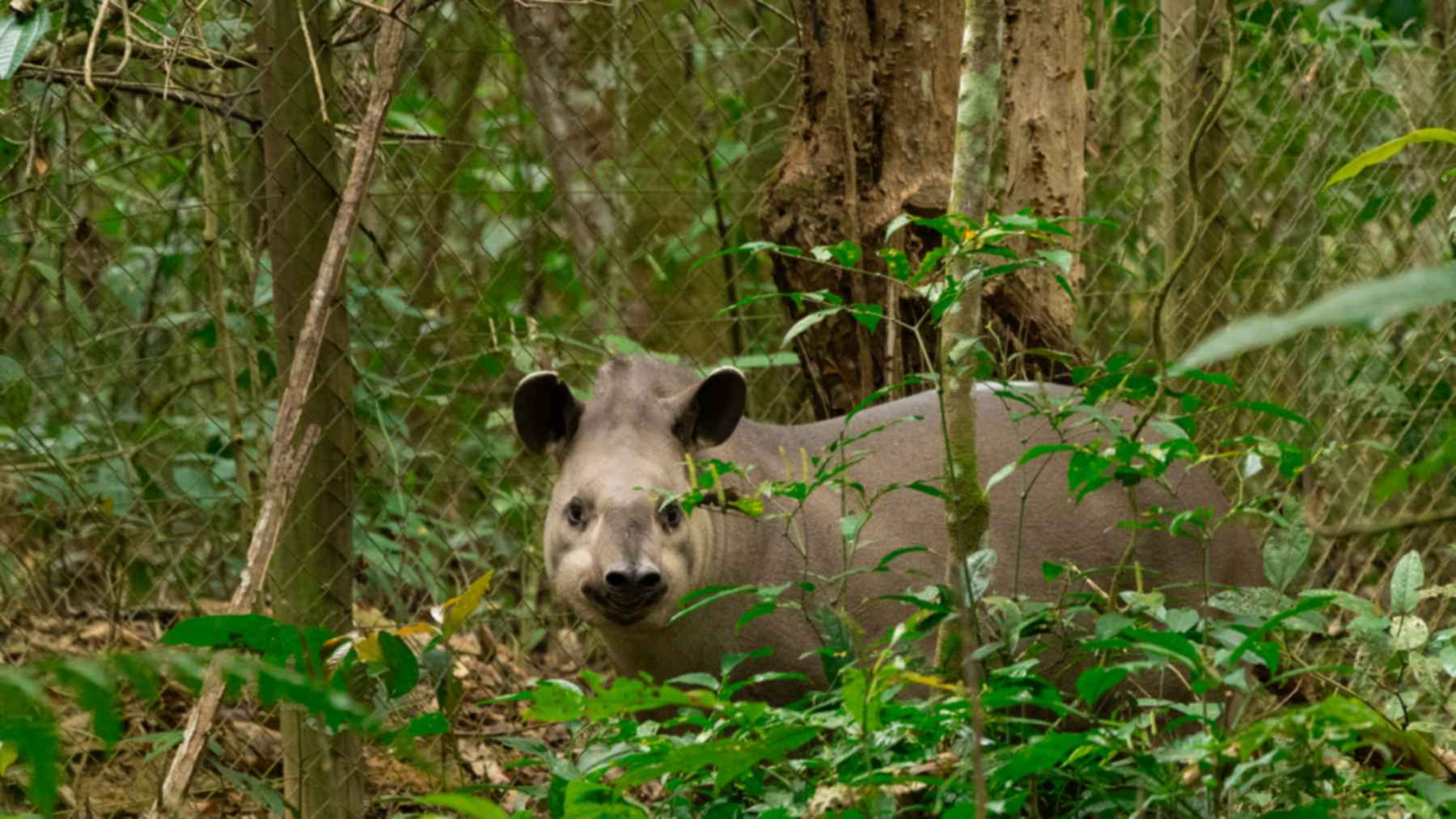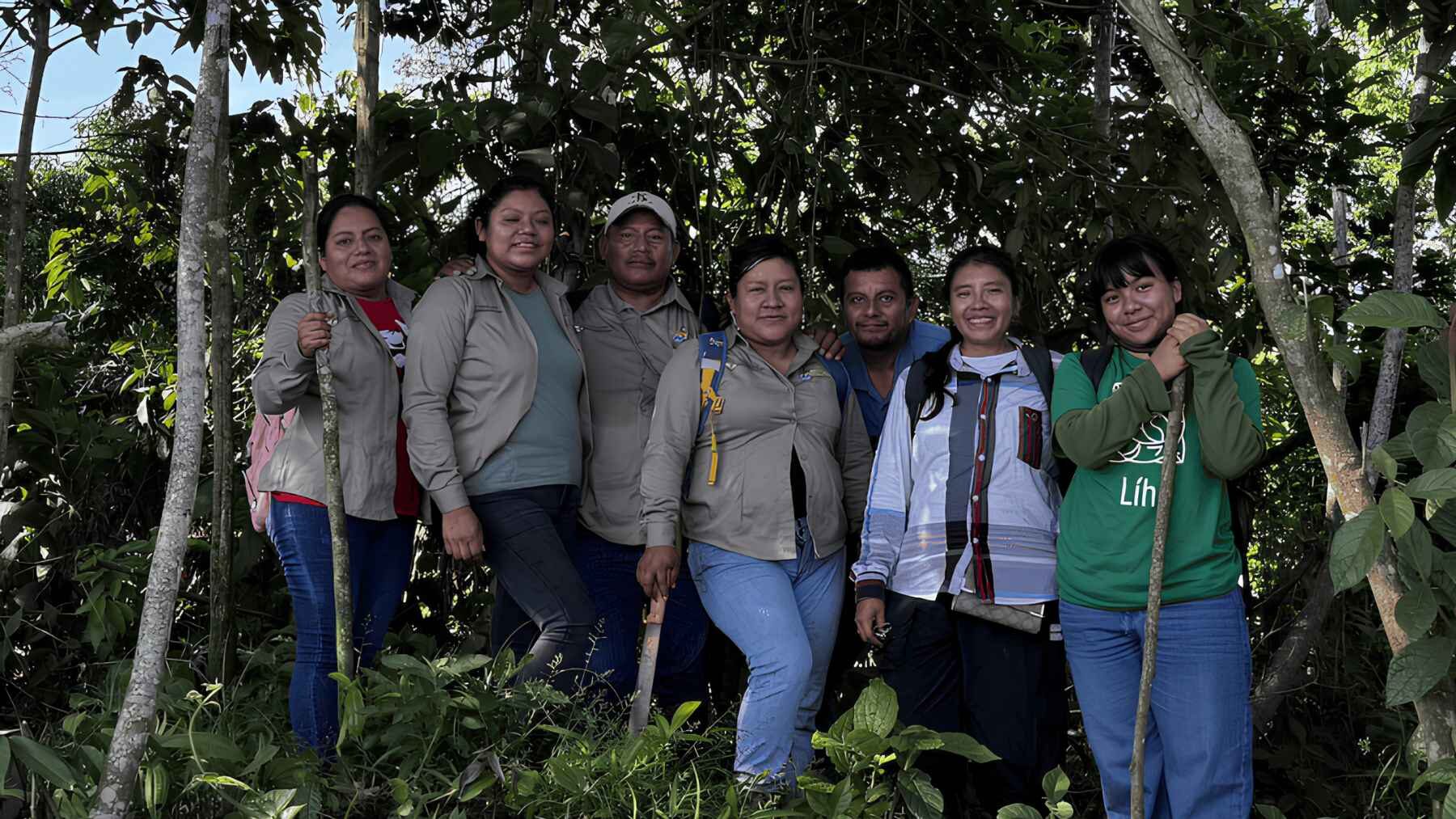
Across Latin America, some of the most important conservation work is happening far from conference rooms and glossy climate pledges. In Ecuador, Mexico, and Bolivia, Indigenous women are checking turtle nests before the river rises, walking through tropical forests with camera traps, and planting native trees that help protect water sources.
The common thread is simple, but powerful. These women are blending ancestral knowledge with community science, and the results are already visible. In the latest accounts, Siekopai women helped return 208 charapa turtles to the Aguarico River, Chinantec monitors recorded wildlife such as jaguars and pumas in Oaxaca, and Quechua women helped restore Andean forests with more than 1.7 million kewiña trees.
Turtle guardians on the Aguarico
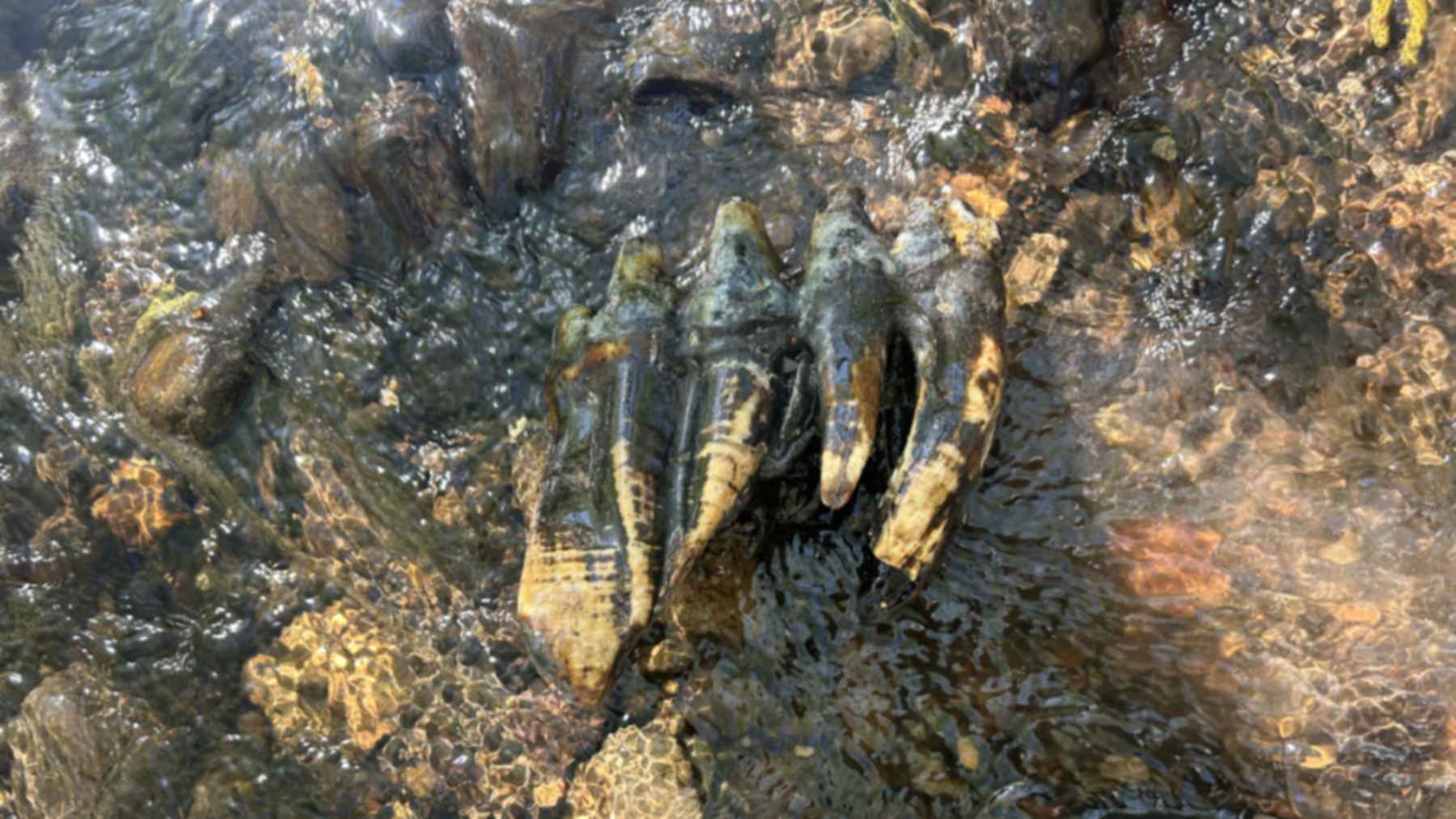
On the Aguarico River in Ecuador’s Amazon, the Tari Nomiowa’i (or “turtle women”) are working to recover populations of charapa turtles, a vulnerable freshwater species. Their work is practical and patient. They find nests, move eggs into safer conditions when needed, collect data, and release hatchlings back into the river.
During the 2025 to 2026 season, the group collected eight nests with 235 eggs and helped 208 hatchlings return to the Aguarico between March and April. Ecuador’s Environment and Energy Ministry also reported that more than 1,900 charapa turtles were released in the same river system through community management and technical support. That shows how local care can scale up when it is backed by institutions.
Why does this matter? Charapa turtles depend on river beaches for nesting, and those places face pressure from egg extraction, hunting, pollution, boat traffic, erosion, and changes in river conditions. Protecting a nest may sound small, but for a hatchling, it can mean everything.
In Oaxaca, cameras become quiet witnesses
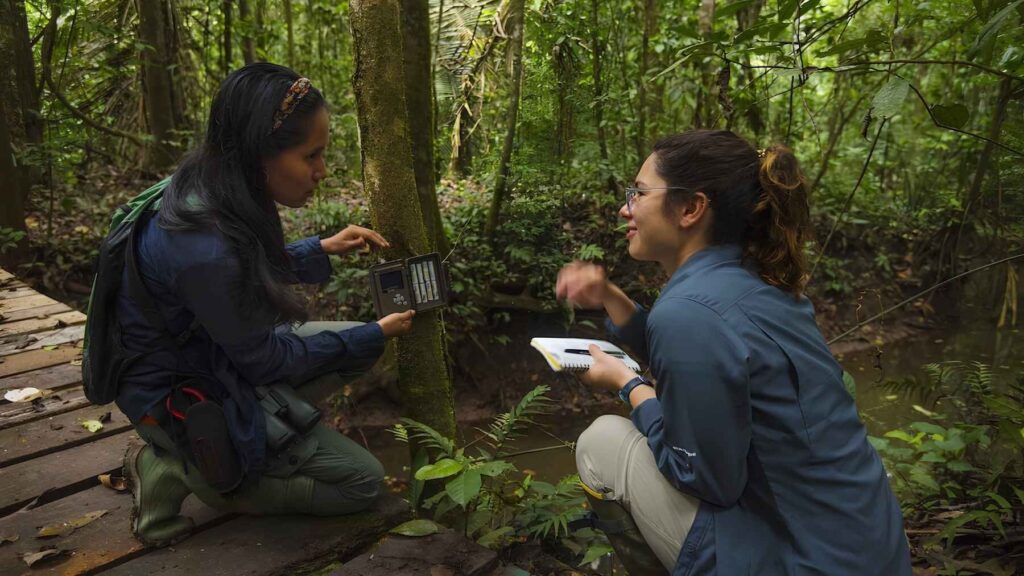
In La Chinantla, Oaxaca, women from Chinantec communities now hike through humid forests, coffee plots, and cornfields to monitor wildlife with camera traps. CONANP says the region includes one of Mexico’s largest stretches of humid tropical forest and mountain cloud forest, home to threatened species such as the jaguar and spider monkey. It has supported community camera trap monitoring there for 14 years.
The work is not a quick walk in the woods. Some monitoring days start around 5 a.m. and include hikes of up to 10 hours, with cameras, batteries, food, heat, humidity, and all the regular family work waiting at home. One monitor, Elena, told CONANP, “I went up and got to know the forest, and now I like coming.” Another, Jazmin, said, “It is hard, it is tiring.” Tiny words, big truth.
The cameras have recorded at least 24 mammal species, including jaguars, pumas, ocelots, armadillos, badgers, and brocket deer. More than photographs, those images become evidence. They help communities show what lives in the forest and why it is worth protecting.
Kewiña trees protect water
In Bolivia’s Parque Nacional Tunari, Quechua women are restoring forests of kewiña, a native Polylepis tree that plays an important role in mountain ecosystems. Over the past six years, more than 1.7 million kewiña trees have been planted in the protected area, with survival rates above 80% in 2025, according to project data reported by regional conservation groups.
Why does this tree matter so much? For the most part, kewiña forests help hold moisture, reduce erosion, and support wildlife in high Andean landscapes. The Tunari area is also tied to water security for Cochabamba, which makes every surviving tree feel less like a statistic and more like a small shield for the dry season.
Faunagua’s Acción Andina project began in March 2022 to restore the northern slopes of the Tunari range in coordination with local communities, Asociación Armonía, ECOAN, and the biodiversity center at Universidad Mayor de San Simón. In Chiaraje, the Warmi Kewiñas are described as women who care for, plant, and cultivate kewiña trees to protect water and life in their community.
Conservation starts before breakfast
A detail easy to miss is how much of this work happens alongside everything else. In Oaxaca, the women monitoring mammals are also farmers, coffee growers, caregivers, and homemakers. In Bolivia, Warmi Kewiñas grow seedlings in community nurseries before the trees are ready for the cold slopes where they will spend their lives.
That matters because conservation is not just about counting animals or planting trees. It is also about who gets to know the territory, who makes decisions in community spaces, and who young girls see leading the way. At the end of the day, that can change what a conservation job looks like.
It also changes the story communities tell about their own forests. A jaguar caught on camera, a turtle slipping into the Aguarico, or a kewiña seedling taking root can become something children remember. Not a distant environmental slogan. Something close.
The lesson for a hotter planet
These projects do not solve the environmental crisis alone. Of course not. But they point to something policymakers often miss, which is that climate resilience needs people who know the river, the forest, the trail, the soil, and the season by heart.
In practical terms, that means supporting the women already doing the work. Camera traps need batteries. Turtle programs need safe nesting sites. Tree nurseries need time, water, tools, and long-term funding.
The original report was published on Mongabay Latam.