Suriname is being offered a familiar promise. Large-scale foreign agribusiness will modernize farming, create jobs, and bring prosperity. Mark Plotkin, ethnobotanist and president of The Amazon Conservation Team, warns that this same pitch has too often left tropical forests cleared, rivers polluted, and local communities with less control over the land beneath their feet.
The question is not whether Suriname should develop its agriculture. It should. The more urgent question is whether an export-driven soy and cattle model would strengthen the country, or quietly turn one of the world’s most forested nations into another supply zone for outside markets. World Bank data listed Suriname’s forest area at 94.4% of land in 2023.
Why soy looks simple
A new agribusiness deal can sound tidy on paper. Big machines, bigger fields, GPS-guided equipment, foreign capital. Who would not want new jobs and cheaper food?
But Plotkin argues that Suriname should be wary of promises from foreign agribusiness, whether Brazilian, Mennonite, or from elsewhere. Across tropical America, he says, this model has rarely produced broad prosperity for local people. It has more often sent the wealth elsewhere.
That is the part that can get lost in the glossy brochure. The fields may be in Suriname, but the real decision-making, markets, and profits may sit far beyond its borders.
Jobs may not follow
Industrial soy and cattle production is highly mechanized. A few operators can manage several thousand acres with harvesters, sprayers, and digital tools, which means the number of long-term jobs may be far smaller than the public expects.
The jobs that do appear can be temporary, low-paid, or filled by workers brought in from outside the area. On the other hand, small farms, fisheries, and forest-based livelihoods already support local economies in ways that are harder to measure but easier to feel.
Think about the difference. One model runs on machines and export contracts. The other is tied to markets, kitchens, river landings, and daily life.
Rivers carry the risk
Large monocultures often depend on fertilizers and herbicides, including glyphosate, to keep fields productive and weed-free. On a map, runoff can look like a technical detail. In real life, it moves into the waterways where people fish, drink, wash, and work.
For many communities, fish is not a luxury. It is dinner. That makes river health a food security issue, not just an environmental talking point. UNDP has already warned that mercury contamination linked to gold mining has affected fish consumption in Indigenous villages in Suriname.
That existing pressure matters. Plotkin warns that roads, settlements, and access routes tied to large-scale agriculture could open remote areas to more extraction. In practical terms, one development project can become a doorway for another.
Forest is not empty land
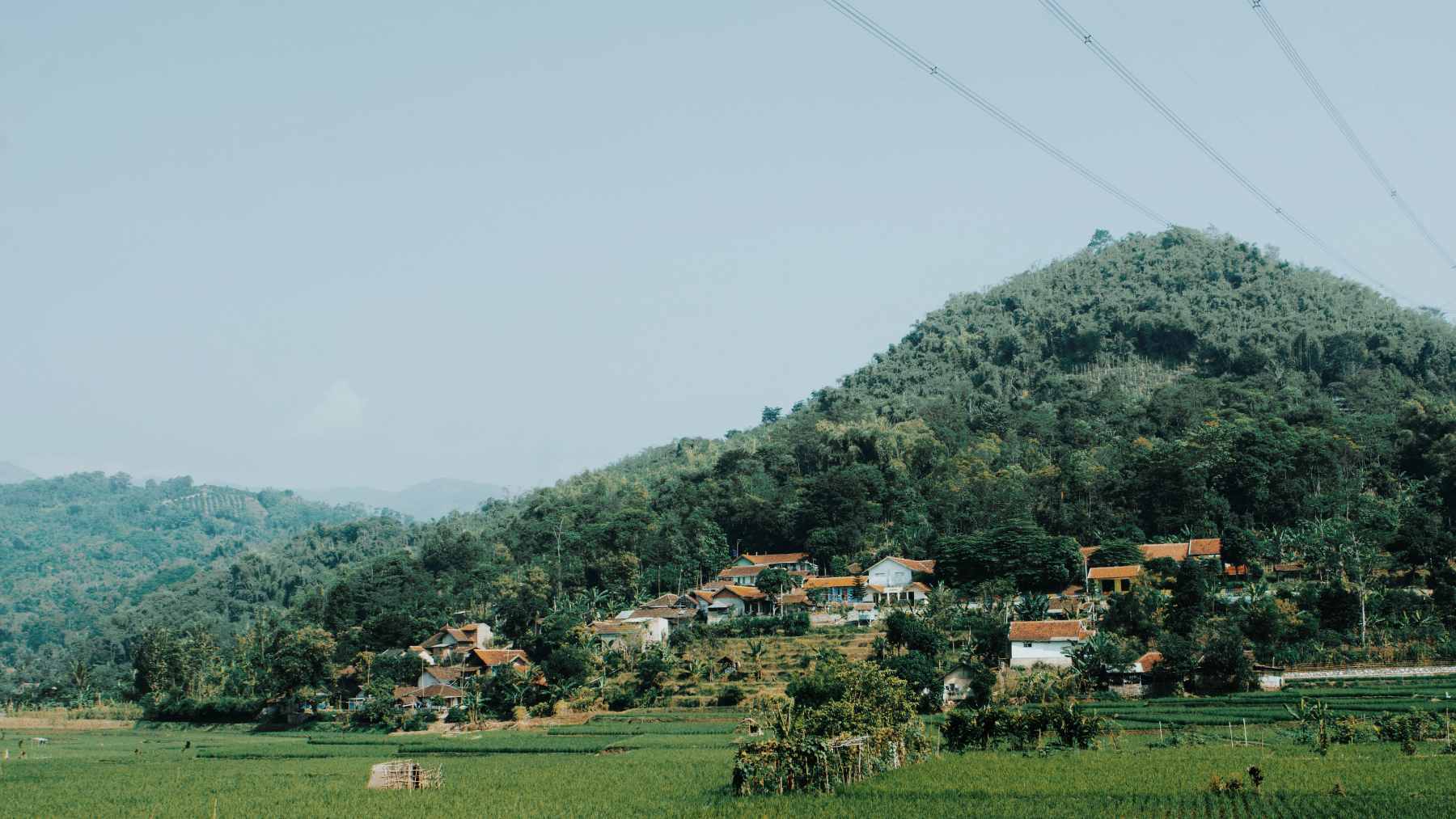
Suriname’s rainforest is not idle space waiting for a better use. REDD+ Suriname describes the country as a high-forest, low-deforestation nation, with about 93% of its territory covered by forest. Its national REDD+ background study put that forest area at about 37.8 million acres.
Those forests support water quality, climate resilience, food systems, and cultural identity. Once cleared, that value is not easily rebuilt. A tree can be cut in minutes, but a forest takes generations.
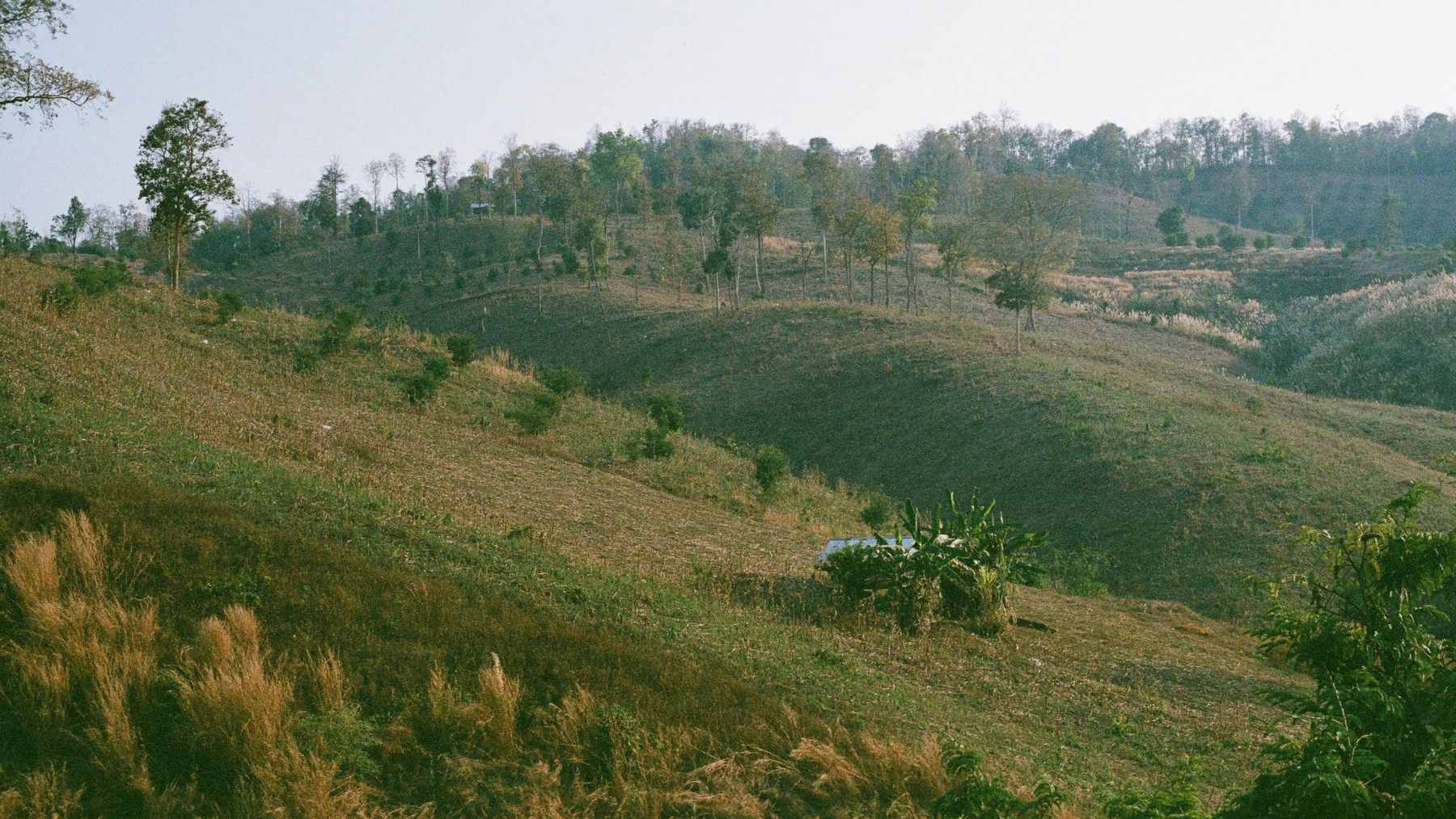
The global record gives Suriname reason to pause. FAO reports that large-scale commercial agriculture, mainly cattle ranching, soybeans, and oil palm, accounted for 40% of tropical deforestation from 2000 to 2010. WRI also found that soy farms occupy about 20.3 million acres of land deforested between 2001 and 2015, with almost all of that loss in South America.
Food security comes first
Suriname does need stronger food systems. Plotkin points to rising global fuel and fertilizer costs, especially as wars and supply disruptions make imports more expensive. Anyone who has watched grocery prices climb knows how quickly distant shocks can reach the kitchen table.
But that does not mean the answer is to clear forests for export crops aimed at foreign demand. A stronger path would focus on local producers, lower food prices, better storage and transport, and farming systems that keep more value inside the country.
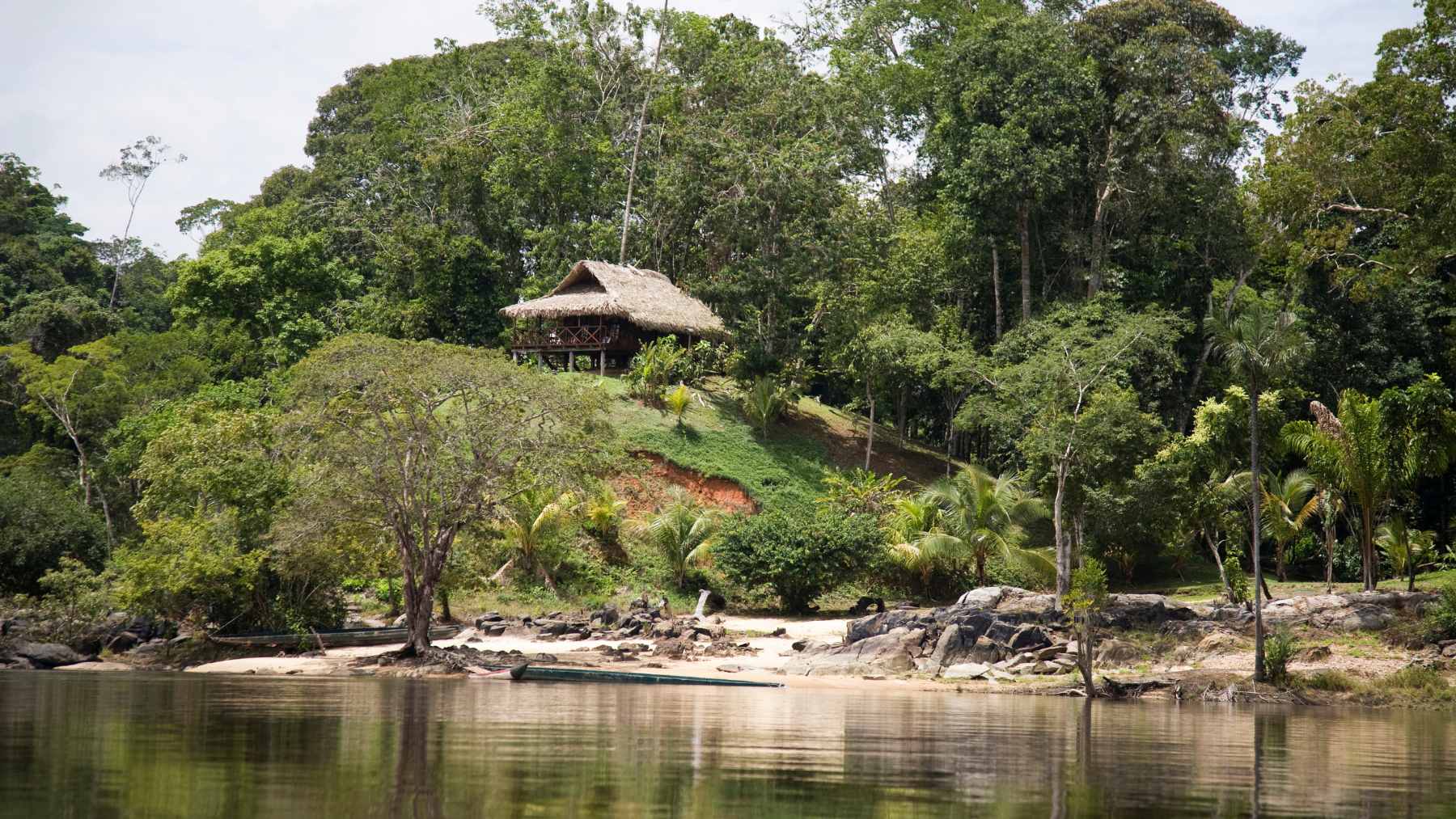
That may sound less flashy than a megaproject. Still, it answers a more basic question. Can people eat affordably without sacrificing the rivers and forests that already help feed them?
The sovereignty question
Large land concessions can shift power in quiet ways. Once land is locked into foreign-controlled production, decisions about labor, markets, and profits may no longer be made locally, or even nationally.
For a small country, that kind of dependence can linger long after the first machines arrive. The land remains, but the choices around it move elsewhere.
Plotkin asks policymakers to consider three questions before any deal is signed. “Who benefits? Who is sacrificed? And what will be left for future generations?” Those questions land because the gains and risks do not fall on the same people.
Development without losing the compass
Suriname does not need to freeze itself in place. It can pursue agricultural development while treating forests and rivers as national infrastructure, not obstacles. Every country needs jobs. Every family notices the price of food. The hard part is building prosperity without cutting away the systems that make daily life possible.
Before any agreement is signed, the people who depend most on Suriname’s rivers and rainforests should be heard clearly. Not as an afterthought. Not once the contracts are nearly finished. At the start, where their knowledge can still change the outcome.
A soy boom might look like easy growth from far away. Up close, it could become a test of whether Suriname chooses quick export volume or lasting national resilience.
The commentary was published on Mongabay.