The most troubling part of pesticide pollution is not always the sudden sight of dead fish floating at the surface. New research led by University of Notre Dame biologist Jason Rohr suggests that long-term exposure to low levels of chlorpyrifos can speed up cellular aging in lake skygazer fish, shortening their lives without the obvious drama of an immediate toxic shock.
What happens when the danger looks less like a spill and more like a slow drip into freshwater? In this case, researchers found shorter telomeres and more lipofuscin in fish from contaminated waters, two biological signals that point to bodies aging ahead of schedule.
A quiet signal from contaminated lakes
Rohr and researcher Kai Huang combined field observations in China with controlled laboratory tests. The team examined more than 20,000 lake skygazer fish from lakes with different levels of pesticide contamination, then tested whether persistent low levels of chlorpyrifos could recreate the same biological pattern in the lab.
The pattern was unsettling. Fish in more contaminated lakes had fewer older individuals, while populations in cleaner waters included more fish that had made it to later life. In plain terms, the fish were not just disappearing all at once. They seemed to be running out of time faster.
Why telomeres matter
Telomeres sit at the ends of chromosomes, a bit like the plastic tips on shoelaces. As they shrink, cells become less able to protect and repair DNA, which is why scientists often use telomere length as a marker of biological aging.
The contaminated fish had shorter telomeres than fish of the same chronological age in cleaner waters. That is the strange part. On paper, they could be the same age, but inside the body, one fish looked older than the other.
The researchers also found lipofuscin in the liver. This material is often described as cellular “junk” because it builds up as cells wear down, and together with telomere damage, it painted a picture of slow biological decline.
Chlorpyrifos under the microscope
Chemical analyses pointed to chlorpyrifos as the only compound in fish tissues that was consistently tied to the aging signs. Chlorpyrifos is an organophosphate insecticide used in agriculture, and it has been the subject of regulatory fights for years.
The lab results made the case harder to ignore. Chronic low-dose exposure caused progressive telomere shortening, increased cellular aging, and reduced survival, especially in fish that were already physiologically older.
Here is the catch. Short-term exposure to much higher doses caused fast toxicity and death, but it did not create the same aging pattern. That suggests the slow, repeated exposure route may damage animals in a different way than a classic poisoning event.
A challenge for safety rules
Most chemical safety tests are designed to catch visible harm quickly. Think illness, paralysis, or death after a high dose. But real waterways are often exposed more like a leaky faucet, with low concentrations arriving again and again after farm runoff, rain, and seasonal application.
Rohr put it plainly. “Our results challenge the assumption that chemicals are safe if they do not cause immediate harm.” He also warned that “low-level exposures can silently accumulate damage over time.”
That matters because the aging effects appeared at concentrations below current U.S. freshwater safety standards. So the study does not just raise a biology question. It raises a regulatory one too.
The rules are still uneven
In the European Union, chlorpyrifos is no longer approved for use in plant protection products. The European Commission formally adopted non-renewal regulations in January 2020, after experts raised human health concerns including possible genotoxicity and developmental neurotoxicity.
The United States has moved through a more complicated path. The Environmental Protection Agency (EPA) says chlorpyrifos tolerances were revoked in 2021, reinstated after a 2023 court decision, and then narrowed through cancellations and amended labels. As of July 1, 2025, legal food-crop uses were limited to 11 crops in certain states, while EPA continued its registration review.
Notre Dame also notes that chlorpyrifos remains in use in China, parts of the United States, and many other countries. In other words, this is not a chemical locked away in a history book.
Why older fish matter
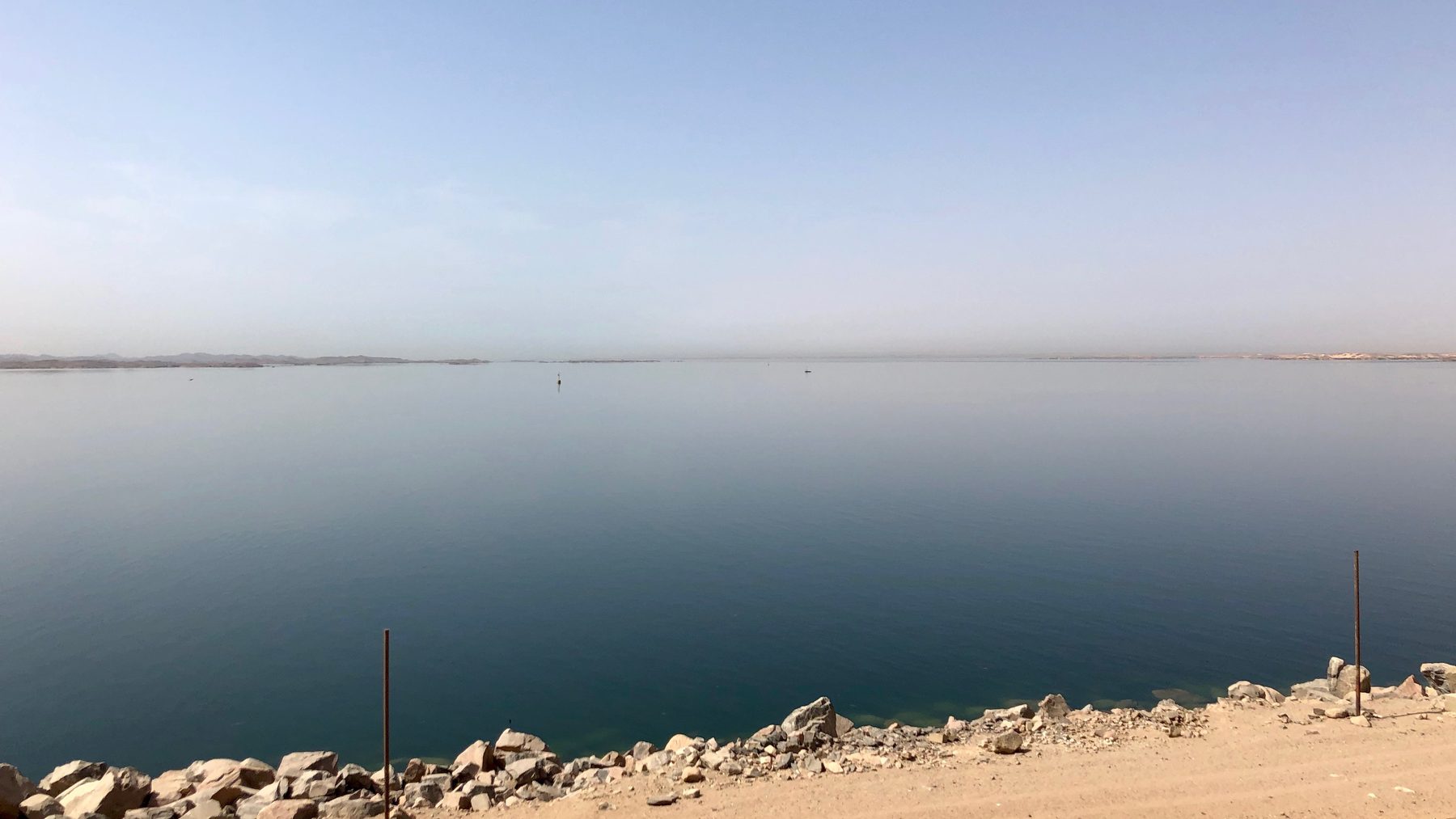
It might be tempting to shrug if younger fish are still swimming around. A lake can look normal from shore, especially on a quiet morning when the water is flat and the fishing lines are out. But losing older fish can weaken a population in ways that are hard to spot at first.
Older fish often contribute more to reproduction, genetic diversity, and population stability. If they vanish early, the population may have fewer strong breeders and less resilience when the next stress arrives. That stress could be warmer water, disease, or another pulse of pollution.
This is where the study becomes bigger than one fish species. It points to a hidden cost of contamination, where the ecosystem loses experience and reproductive strength before people notice the damage.
What readers should keep in mind
The study does not prove that every pesticide speeds aging in every animal. It also does not prove that chlorpyrifos will affect humans in the same way it affected lake skygazer fish. Good science moves carefully.
Still, the authors say telomere biology and aging mechanisms are highly conserved across vertebrates, including humans. That is why they argue future research should look more closely at chronic low-dose exposure, not just sudden high-dose toxicity.
For the most part, this is a water protection story. It is about runoff, monitoring, pesticide rules, and the quiet chemistry of lakes that many families pass without a second thought. No one looks at a fish and sees its telomeres. But biology is keeping score.
The study was published in Science.