The largest running bird of the Peruvian highlands is facing a threat that does not look dramatic at first glance. It is not a new predator, a sudden disease, or a single extreme weather event. It is a budget problem.
In Puno, about 140 suris, also known as Andean rheas, depend on three conservation centers that provide food, care, breeding support, and monitoring. Now, officials warn that a lack of public funding could weaken decades of work to protect one of the most recognizable birds of Peru’s high-altitude grasslands.
A bird built for the puna
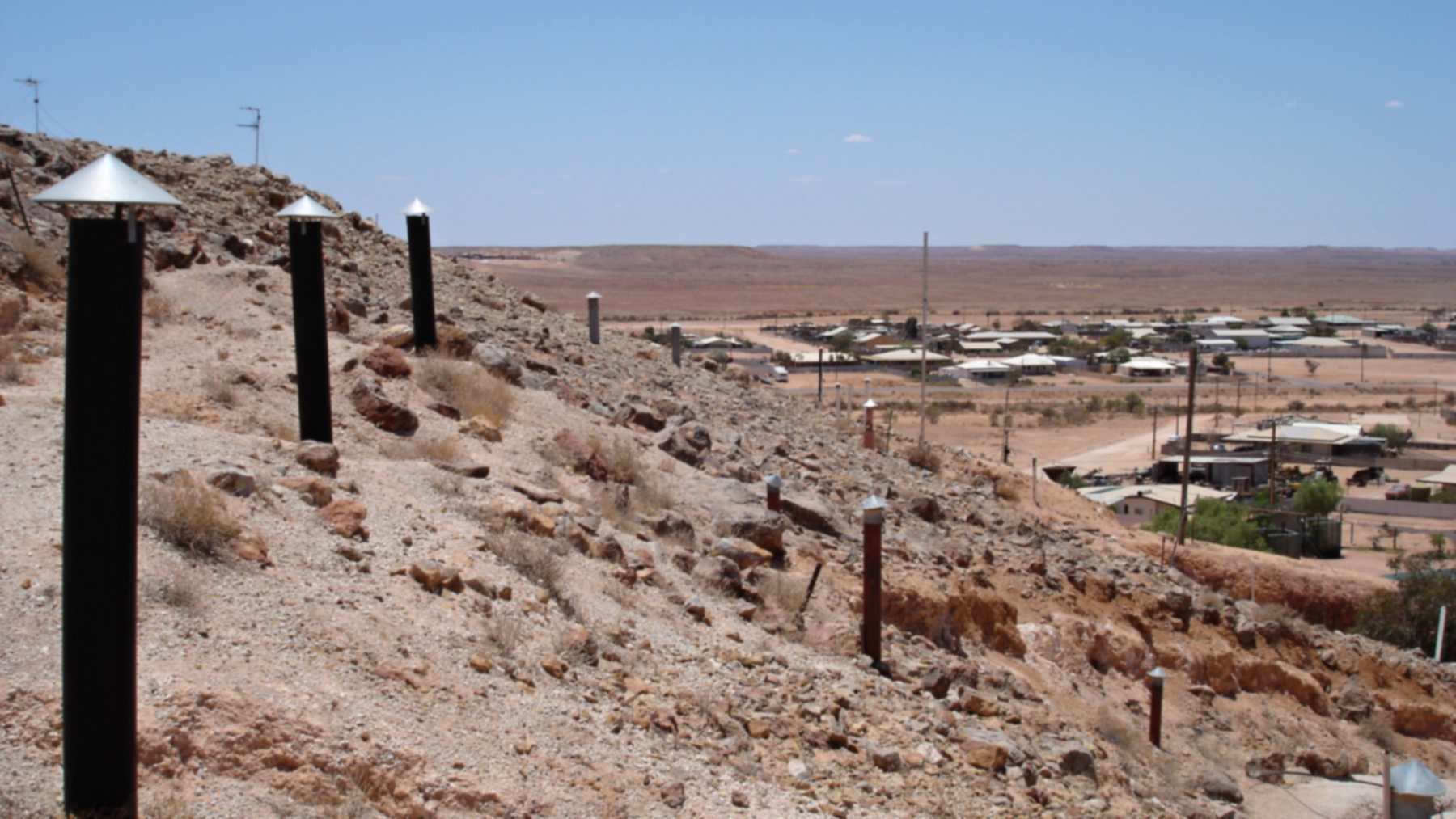
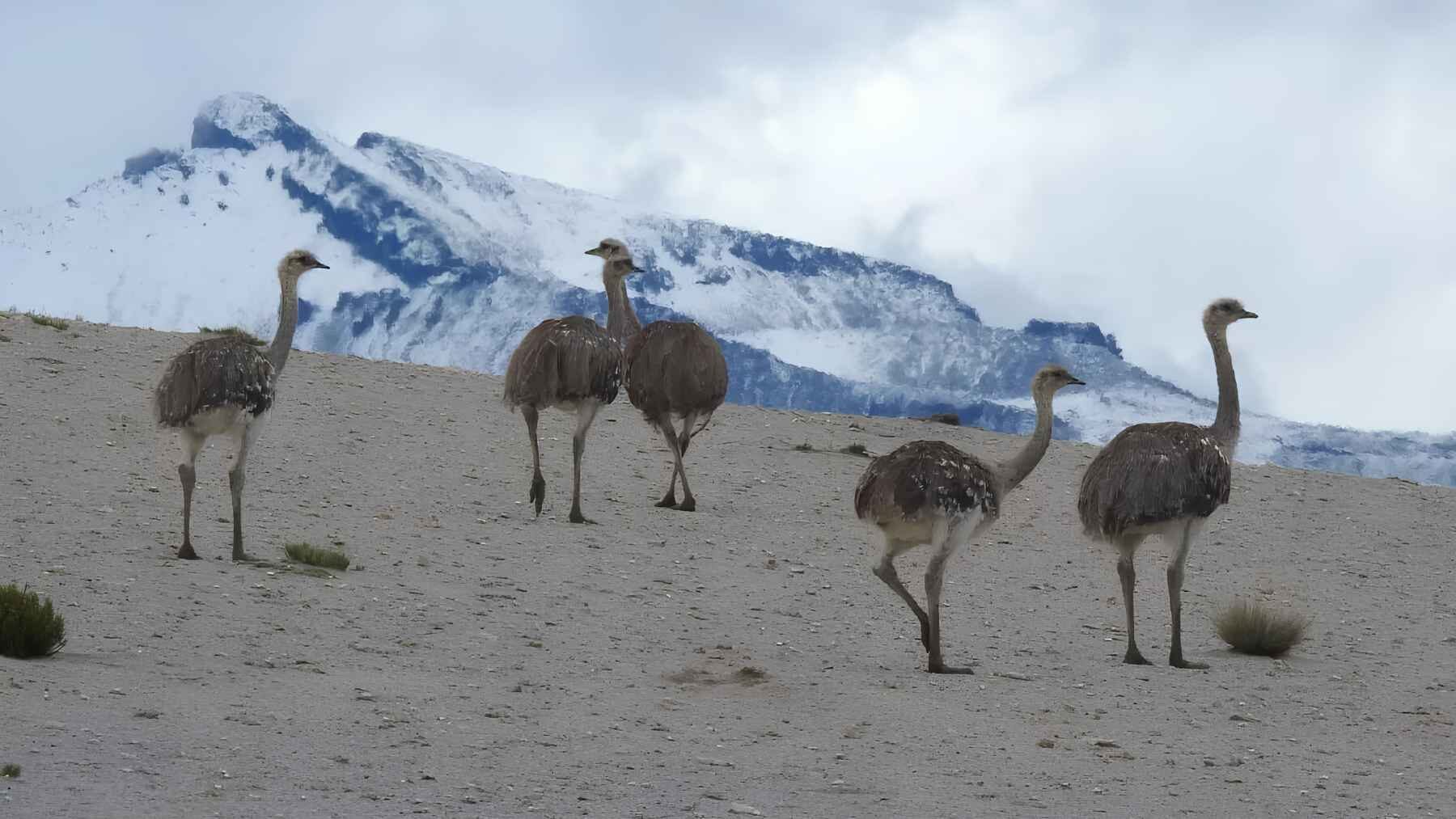
The suri, or Rhea pennata, is a large flightless bird adapted to the cold, open landscapes of the Andean plateau. It lives in puna grasslands, where wind, thin air, and wide empty spaces shape daily life for wildlife and people.
Think of it as a highland runner. The bird can reach about 37 miles per hour, fast enough to turn the open plain into its escape route when danger comes too close. Peruvian wildlife authorities have described it as the largest bird in Peru, reaching roughly 5 ft. tall in some cases.
However, speed does not protect it from every threat. Habitat loss, illegal hunting, egg collection, and pressure from grazing have all made life harder for the species in southern Peru. That is where long-term conservation work comes in.
The budget problem
During a recent forum in Puno, the Autoridad Binacional del Lago Titicaca announced plans to establish a technical working group focused on suri management. Juan Ocola Salazar, the agency’s executive president, said the move is meant to coordinate institutions and keep conservation from slipping backward.
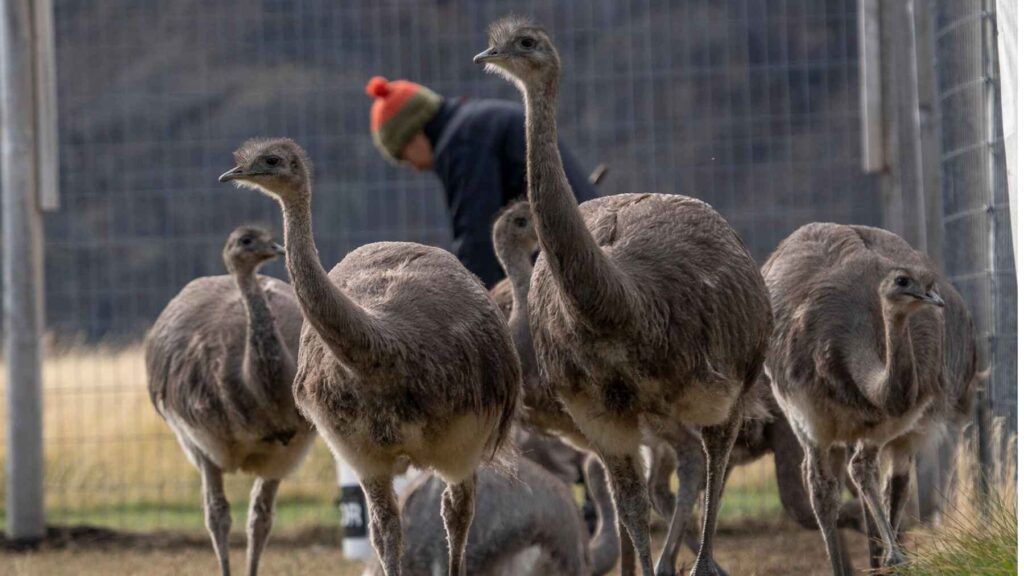
The concern is practical and urgent. Three specialized centers that care for around 140 birds could lose the support they need to keep operating, according to information presented during the forum. These places are not just holding pens. They are where feeding, reproduction, health checks, and population monitoring happen day after day.
During a technical inspection, officials found another warning sign. The birds under human care depend on a steady supply of balanced feed, yet that supply was not available. In wildlife conservation, sometimes the emergency is as simple as an empty feed room.
Why 140 birds matter
A number like 140 may sound small, but in this case it matters a great deal. Peru classifies the suri as critically endangered, which means the species faces a very high risk of disappearing in the country if threats are not controlled.
Past counts show why conservationists are worried. In Puno, the first national census recorded 157 wild suris in 2008, while a second census in 2016 found only 98. That is not just a statistic. It is a sign that a bird once more visible across the highlands has become harder to find.
A 2024 population viability analysis also described the Peruvian population as very small, with an estimate of about 350 individuals nationwide. The study modeled risks linked to human pressure, population size, environmental conditions, and genetics, all factors that can quietly push a fragile species closer to the edge.
A rescue plan takes shape
The new technical group is expected to focus on science and management. Its agenda includes reproduction, genetics, health, nutrition, behavior, and population handling, according to the information released after the forum.
This means specialists want to understand how these birds breed, how healthy they are, and what kind of care gives them the best chance of survival. It also means planning for possible future recovery and reintroduction in natural habitats, where the suri belongs.
The forum was backed by the Proyecto Especial Binacional Lago Titicaca and the Living Lakes Biodiversity and Climate project of the Global Nature Fund. Those groups are part of a wider effort to connect public management, scientific research, and highland conservation.
Public money is the lifeline
One of the main agreements from the forum was to ask Peru’s Ministry of Agrarian Development and Irrigation to reactivate funding for “wildlife conservation and management.” The request aims to keep the centers open and protect the work already done through the suri conservation program.
“Public funds need to be reactivated for the development of wildlife conservation programs,” Ocola Salazar said after the technical visit. His warning was clear. Without money for basic operations, the centers could struggle to care for the birds they are supposed to protect.
That is the uncomfortable part of conservation. A species can be legally protected, publicly valued, and scientifically studied, but still lose ground if food, staff, transportation, veterinary work, and monitoring are not paid for.
More than a symbol
The suri is often described as an emblem of the high Andes, and for good reason. It is part of the natural identity of Puno, Tacna, and Moquegua, the southern regions where the bird lives in Peru.
However, this is not only about symbolism. Large native animals help hold ecosystems in the public eye. When they decline, it often signals a wider problem affecting grasslands, water sources, grazing pressure, and the balance between rural life and wildlife protection.
Could the suri recover? To a large extent, that depends on whether the new technical group becomes more than another meeting. The roadmap officials are preparing will need clear goals, assigned responsibilities, and steady follow-up.
The clock is moving
For more than 30 years, public institutions, scientists, technicians, and local communities have worked to keep the suri from disappearing in Peru’s highlands. Losing that progress would be costly, not only for biodiversity but also for public trust in conservation programs.
At the end of the day, the issue is straightforward. The bird can run fast, but it cannot outrun a broken funding system.
The official report has been published by Agencia Andina.