America’s bridges have a problem drivers cannot see from the windshield. In 2025, the U.S. bridge inventory included 624,167 bridges, and 220,295 spans needed repair, including 41,677 rated “poor” or “structurally deficient.” A new line of quantum sensor research suggests those hidden weak points might one day become easier to spot before crews have to shut lanes or rush repairs.
To be clear, “structurally deficient” does not mean a bridge is about to fall. It means at least one key bridge element has a poor rating and needs close attention, often because of deterioration, cracking, or other damage.
In practical terms, quantum sensors would not replace inspectors, but they could add a quieter, sharper set of eyes where rust, fatigue and erosion like to hide.
Bridge inspections are only snapshots
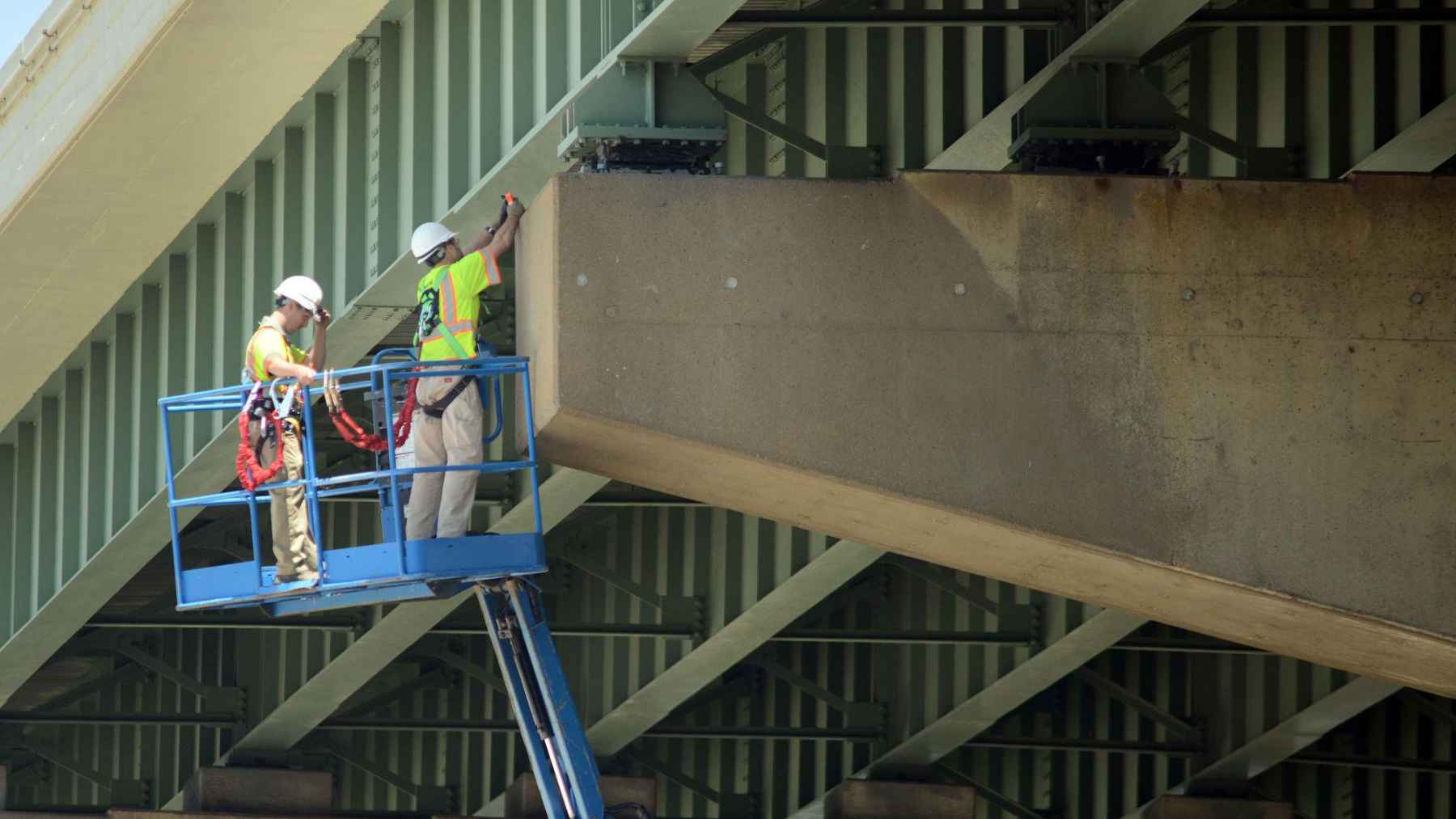
Federal bridge inspections have been part of U.S. safety rules for decades. Current rules generally place many bridges on inspection intervals of no more than two years, while higher risk structures can be checked sooner and lower risk ones may qualify for longer windows.
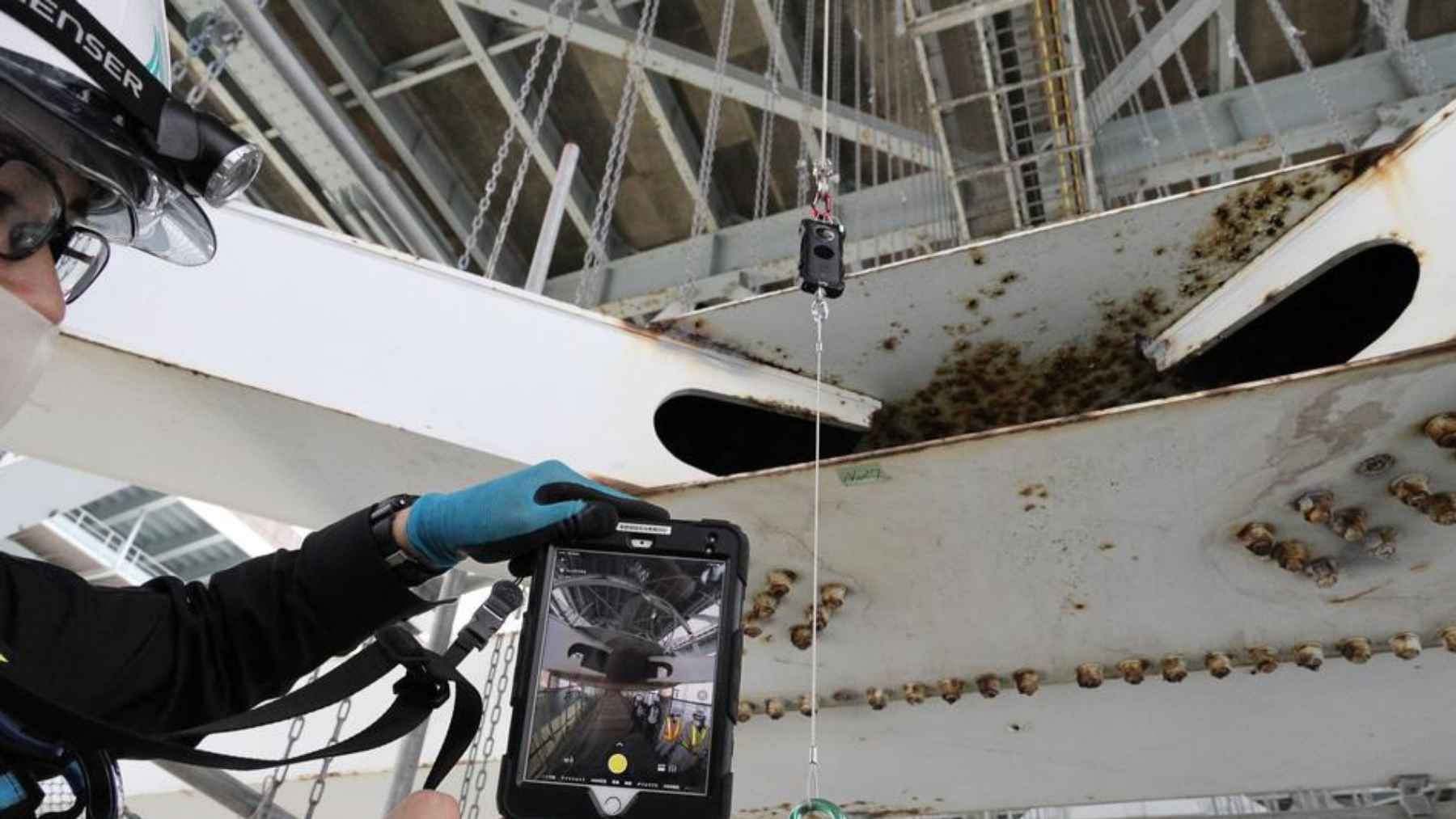
That schedule matters, but damage does not wait politely for the next appointment. A bridge can look calm from above while steel inside concrete starts rusting, a weld begins to crack or moving water quietly removes soil around a foundation.
Hidden damage grows quietly
Corrosion, fatigue, and scour are the quiet trio. Corrosion starts when water, oxygen, and salts reach steel, breaking through the protection that concrete usually provides. The rust expands, much like ice widening a crack in a sidewalk.
Fatigue is the paper clip problem. Bend metal enough times and it weakens, even when each bend seems small. On bridges, heavy vehicles can help tiny cracks grow near welds, bolts or older steel details.
Scour is easier to picture after a storm. Fast water pulls soil away from foundations below the surface, while the deck above may still look steady. That is why engineers care so much about the parts we never see.
The repair bill is huge
ARTBA estimates that making all identified U.S. bridge repairs would cost about $467 billion. It also says bridges in poor condition represent 6.7% of the 2025 inventory, down slightly from 2021, which is progress but not exactly comfort.
Age adds pressure. ASCE says about 45% of U.S. bridges have exceeded their planned 50-year design lives. Meanwhile, national bridge data can lag because most bridges are inspected every two years, a long stretch when commuters are stuck in traffic, listening to trucks rumble overhead.
Past failures show why details matter. The I-35W bridge collapse in Minneapolis in 2007, killed 13 people and injured 145, and the NTSB attributed the probable cause to inadequate gusset plates at key nodes plus added bridge weight and traffic, and construction loads. Small pieces can carry enormous responsibility.
Sensors help engineers look inside
Traditional inspections are not just people with flashlights. Engineers already use drones, infrared cameras, LiDAR, ultrasound, acoustic emission sensors, accelerometers, radar and electrical tools. Each does one job, like seeing cracks, listening for active cracking, measuring vibration or scanning beneath concrete.
The trick is combining clues. One result on its own can mislead because wet concrete, traffic, wind, and temperature can blur readings. A good sensor system asks a narrow question, such as whether a crack is widening or whether water has removed soil around a foundation.
That sounds less dramatic than a futuristic bridge that monitors itself, but it is more useful. Engineers need evidence, not magic. And evidence gets powerful when it helps crews find the right place to cut, patch, reinforce or watch more closely.
Quantum sensors enter the picture
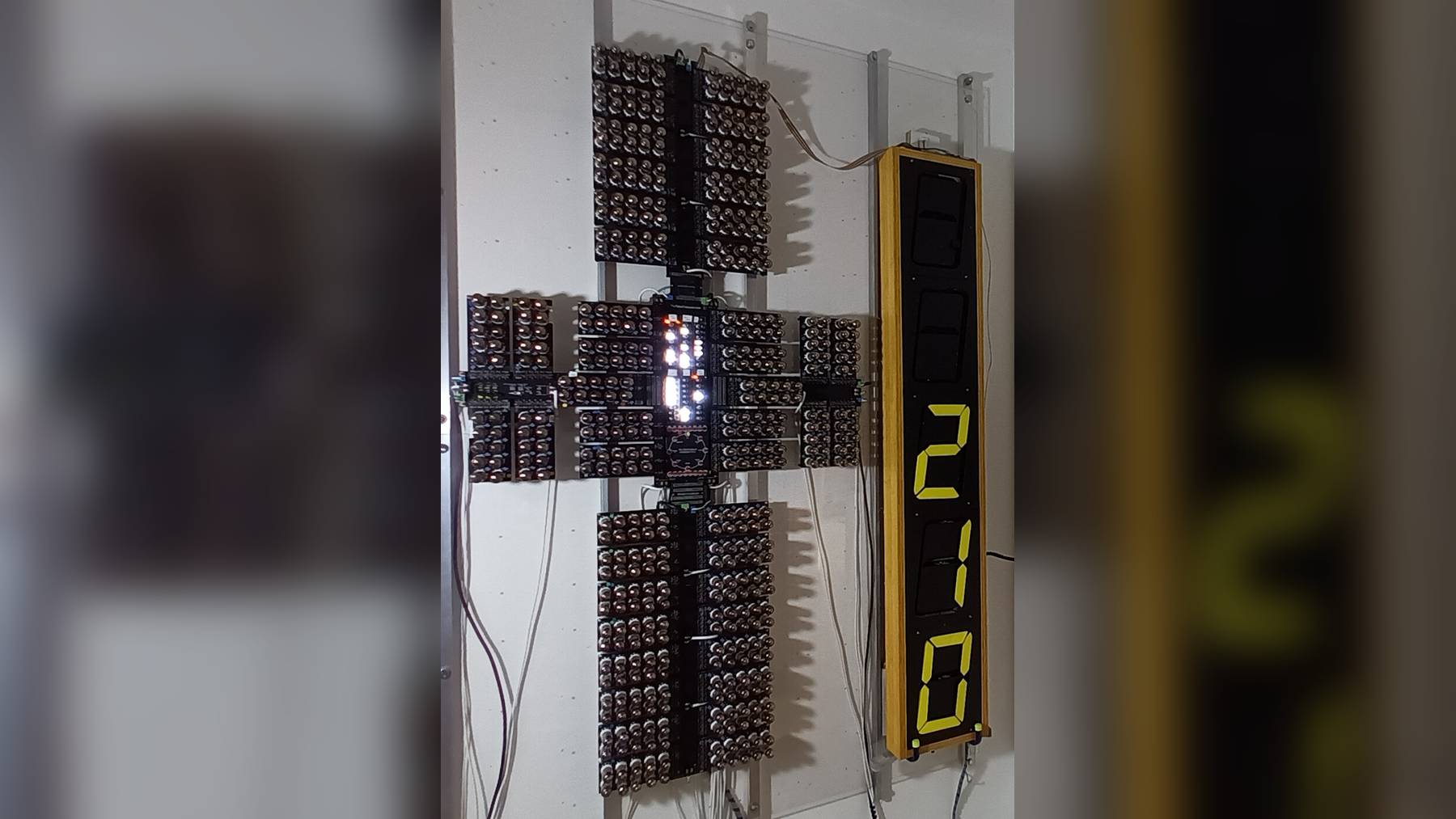
Quantum sensors use atomic-scale systems, including atoms or electron spins, to measure tiny changes in magnetic fields, gravity or motion. The most practical near-term bridge use may be magnetic inspection, especially around steel reinforcement, cables and other hidden metal.
In a review submitted to arXiv, Muhammad Mahmudul Hasan, Ingrid Torres and Alex Krasnok discuss optically pumped atomic magnetometers and nitrogen vacancy diamond magnetometers.
The review says magnetic methods can sense through coatings, insulation, and concrete cover, but field use depends on calibration, geometry, background rejection and real-world validation, not just laboratory sensitivity.
That last point matters. A bridge is not a quiet lab. It is traffic, wind, weather, power lines, steel noise and all the messy vibrations of daily life.
What quantum bridge sensors could find
Some magnetic changes may point to corrosion, stress, broken wire strands, leakage fields or abnormal currents. In plain English, a quantum magnetometer could help map a weak magnetic clue near steel before the damage is obvious from the surface. It is like hearing a whisper in a crowded station, useful only if you can tell which voice matters.
Krasnok’s FIU article puts the limit clearly, saying these devices “cannot replace human inspectors.” That is the key. The next generation of bridge safety will likely be human judgment plus better instruments, not a machine delivering a simple green or red verdict.
At the end of the day, the goal is modest but important. Make hidden damage harder to hide.
A quieter kind of sustainability
Better bridge sensing also has an environmental side. Catching corrosion or scour earlier can turn emergency closures into planned repairs, and planned repairs can avoid unnecessary demolition, detours, wasted material, and long backups full of exhaust fumes.
No single sensor will fix the backlog, and quantum tools still need to prove they beat cheaper classical instruments on real bridges. But as America’s bridges age, even small gains in early detection could give engineers more time, more choices, and fewer surprises.