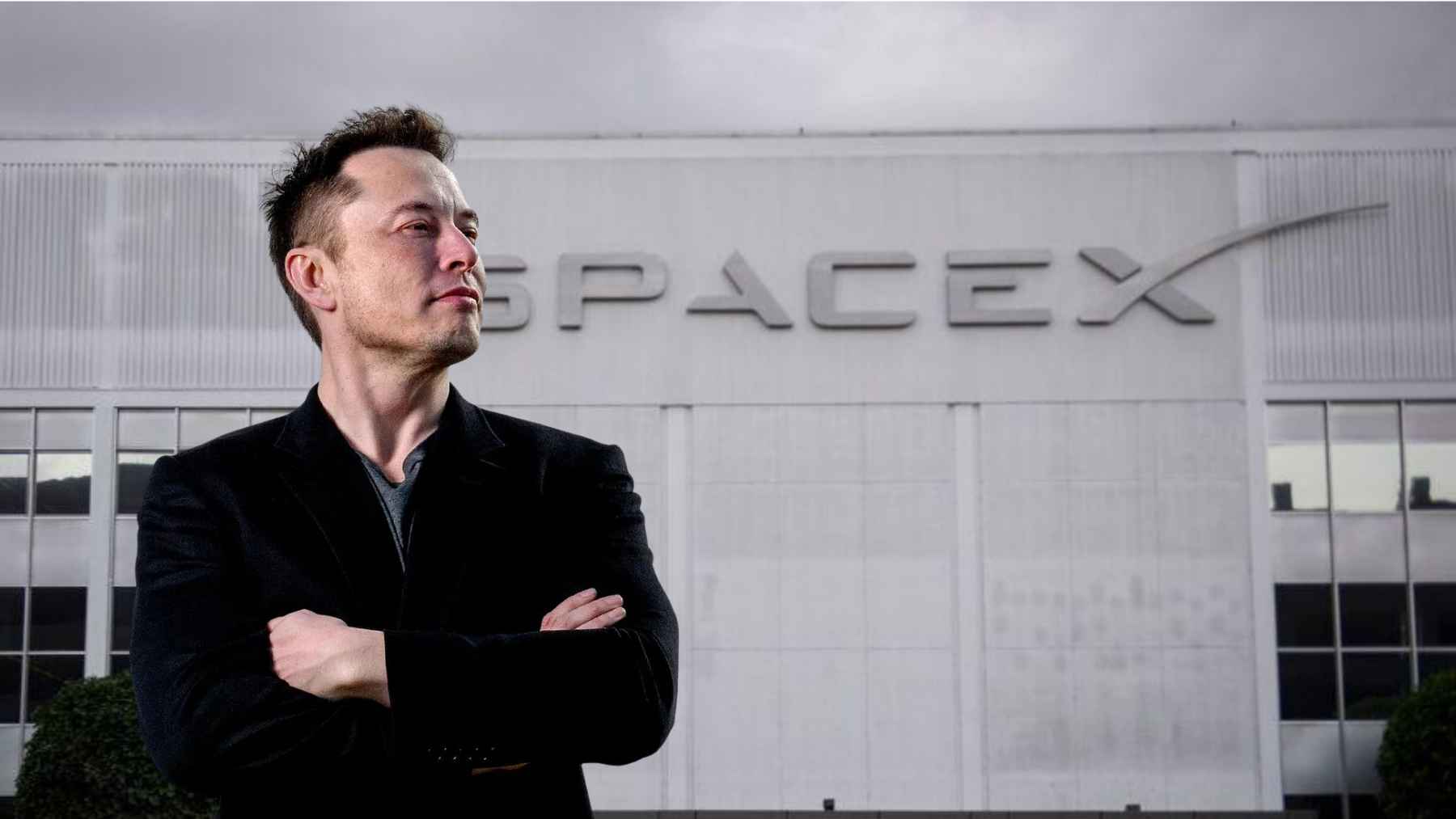
What does a rocket company buying an AI coding tool have to do with the environment? More than it may seem at first glance. SpaceX has agreed to acquire Anysphere, the San Francisco company behind Cursor, in a $60 billion all-stock deal that pushes Elon Musk’s company even deeper into artificial intelligence.
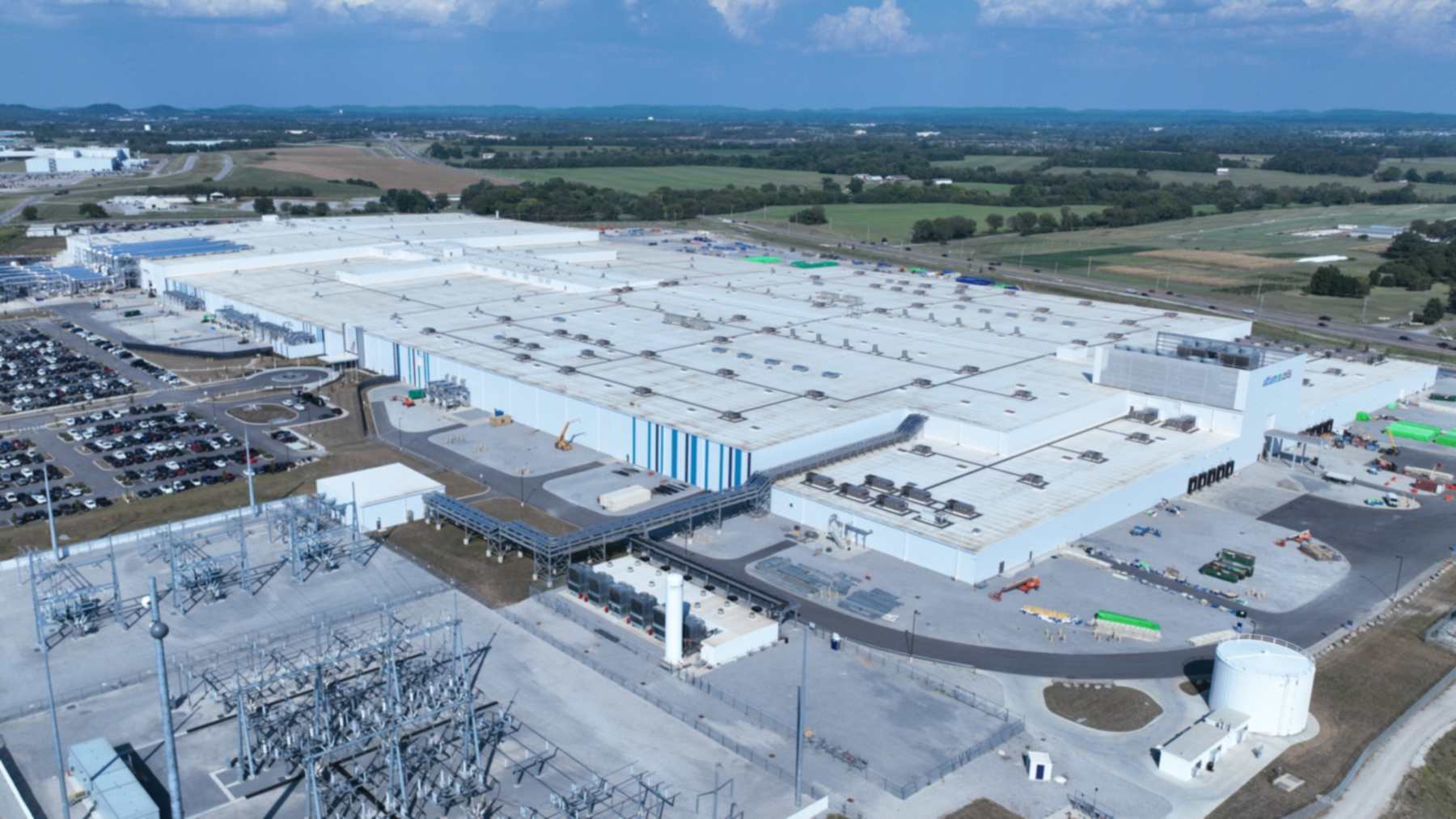
The headline number is huge, but the bigger story may be the infrastructure behind it. AI does not float in the cloud like magic. It runs on chips, data centers, cooling systems, power lines, water supplies, and land, the kind of physical footprint that increasingly shows up in grid planning and, eventually, maybe even on the electric bill.
SpaceX buys its way deeper into AI
According to SpaceX’s SEC filing, the company, a subsidiary called X67 Inc., and Anysphere entered into a merger agreement on June 16, 2026. Cursor is expected to become a wholly owned subsidiary of SpaceX, though the deal still depends on closing conditions that include regulatory approvals.
Cursor has become one of the best-known AI coding assistants, used by software developers to write and revise code faster. That makes it valuable not only as a product, but also as a doorway into enterprise AI, where businesses are paying real money for tools that can save time on everyday technical work.
The acquisition is expected to close in the third quarter of 2026.SpaceX said it will pay the consideration in Class A common stock, based on Cursor’s implied equity value of $60 billion.
A market frenzy followed
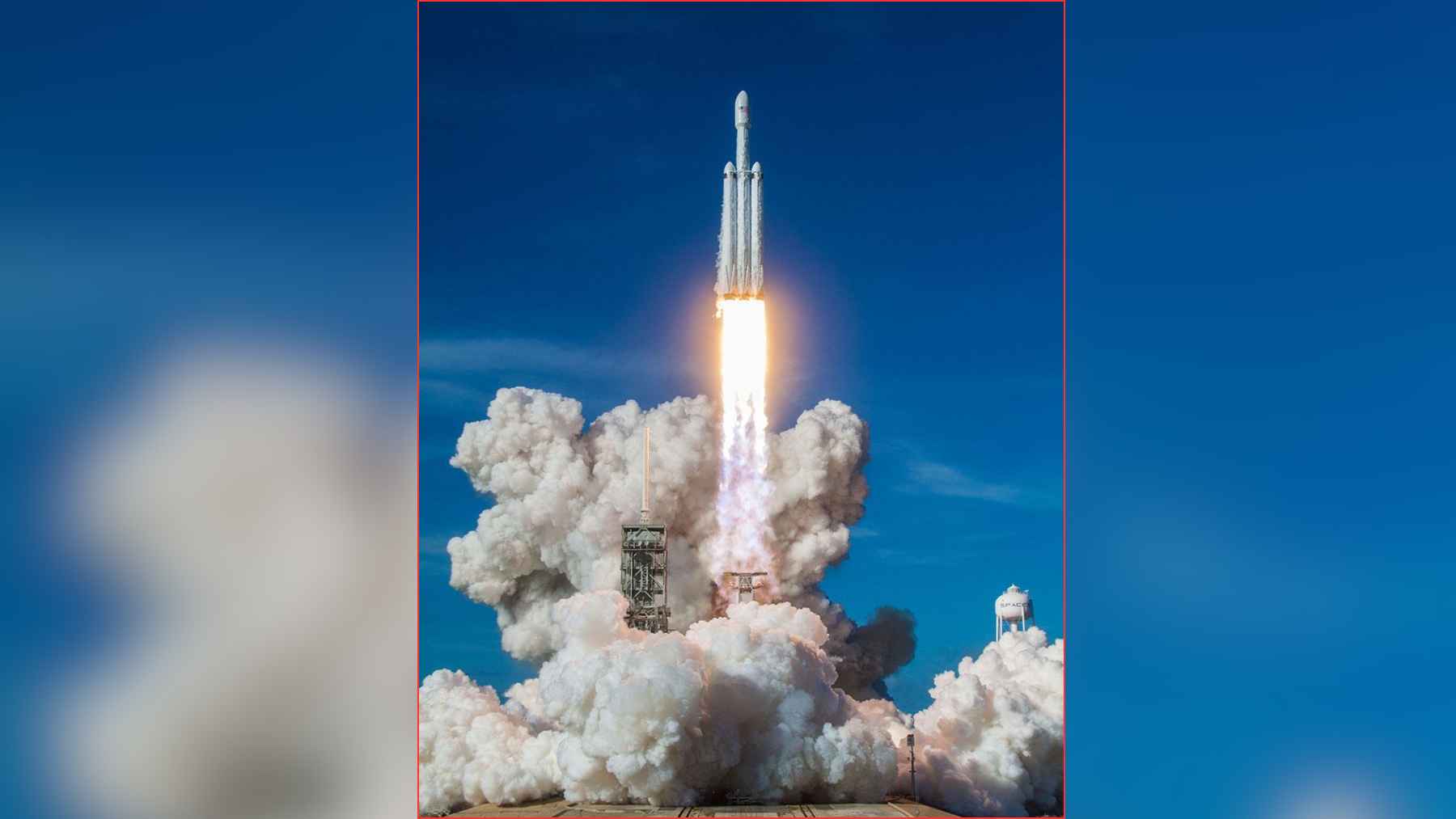
The move came days after SpaceX’s record-setting public offering. Reuters reported that underwriters exercised a “greenshoe” option, lifting IPO proceeds to $85.7 billion after the company initially raised $75 billion by selling shares at $135 each.
Investors piled in quickly. The Guardian reported that SpaceX briefly overtook Amazon in market value, reaching as high as $2.97 trillion during trading before easing back near the close.
Not everyone sees the surge as a clean reflection of fundamentals. Eric Clark of Accuvest Global Advisors warned that “momentum” and retail enthusiasm were driving the valuation, while Steve Sosnick of Interactive Brokers described “a sort of mania around AI and anything that can benefit from AI spending.”
The power problem behind AI
Here is where the environmental angle comes in. The International Energy Agency (IEA) says data centers accounted for about 1.5% of global electricity consumption in 2024, or 415 terawatt-hours. By 2030, that figure is expected to more than double to about 945 terawatt-hours, slightly more than Japan’s total electricity use today.
That is not just an abstract number on a chart. AI-focused data centers can use as much electricity as power-intensive factories, and they tend to cluster in specific places. When one region absorbs that much new demand, the pressure can land on local grids, transmission planning, and household affordability.
In the United States, the IEA says data centers accounted for the largest share of global data center electricity use in 2024. The agency also expects U.S. data centers to account for nearly half of the country’s electricity demand growth between now and 2030.
Water, land, and cooling
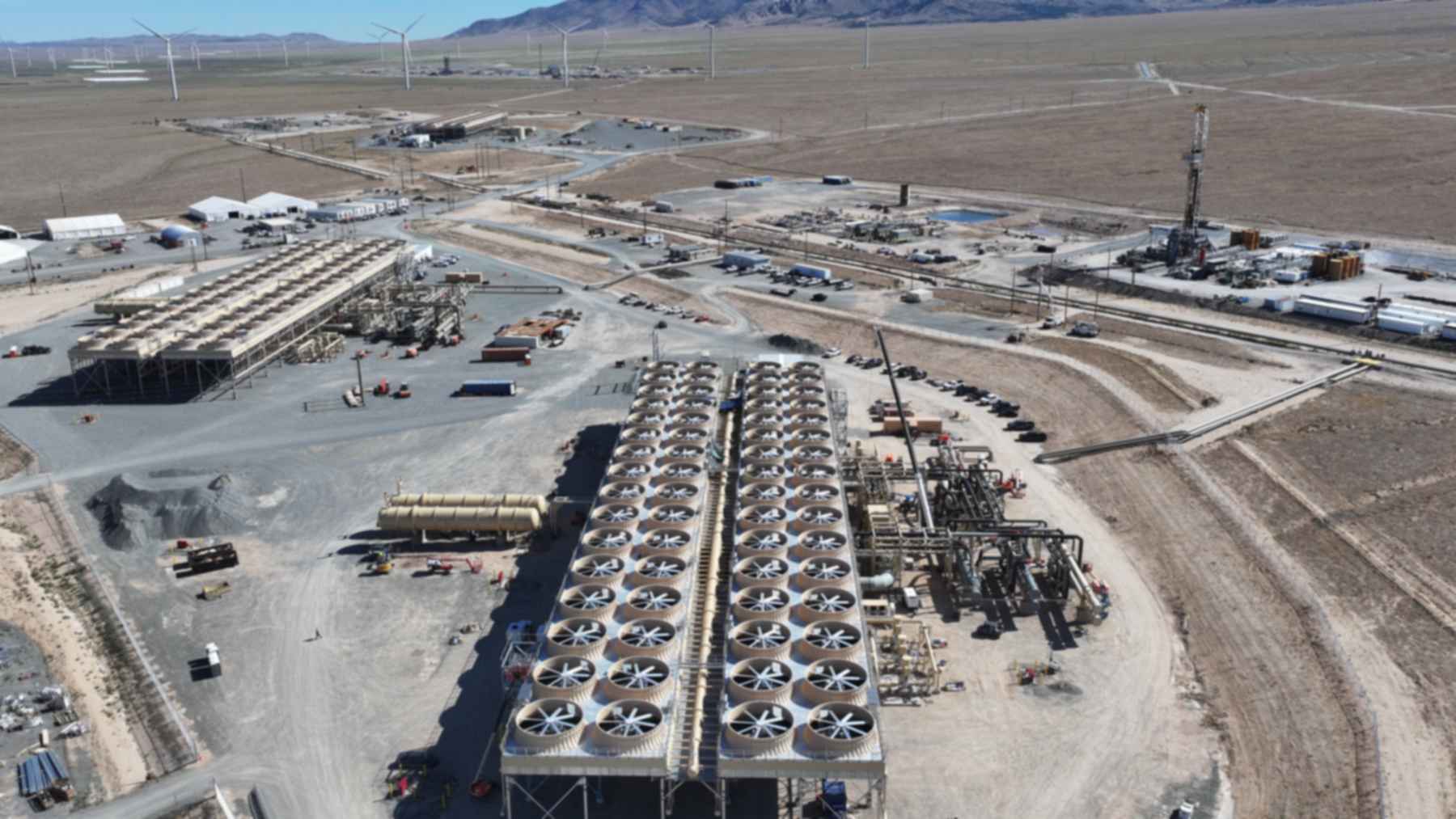
Electricity is only one part of the story. The United Nations University warned in June 2026 that AI depends on a growing physical system of data centers, advanced chips, cooling equipment, power grids, water resources, land, minerals, and e-waste streams.
That matters because a “clean” AI product on a laptop can still create environmental pressure somewhere else. A data center may need water for cooling, land for construction, backup generators, transmission upgrades, or nearby power plants. Not every project has the same footprint, but none of them are footprint-free.
Federal regulators are already responding to the pressure. On June 18, 2026, the Federal Energy Regulatory Commission (FERC) ordered regional grid operators to help large energy users, including AI data centers, connect more quickly to the transmission system. AP reported that concerns are growing over energy use, water use, noise, air pollution, and the loss of open space or farmland.
SpaceX wants the whole stack
The Cursor deal is not SpaceX’s only AI infrastructure move. Reuters reported in May that SpaceX proposed an initial $55 billion investment for Terafab, a Texas semiconductor facility meant to support in-house chip production for AI, robotics, and data centers.
That strategy points to a much larger ambition. SpaceX is not just buying software. It is building a chain that could stretch from AI models to coding tools, chips, data centers, satellites, and possibly orbital computing infrastructure. Effectively, that means more control, but also more responsibility for the resources used along the way.
Can AI tools make companies more efficient? Absolutely, at least in some cases, yet experts warn that efficiency gains do not automatically reduce total energy use if demand grows even faster, especially when millions of users begin asking larger models to generate code, images, videos, and business workflows every day.
What readers should watch
For now, SpaceX’s Cursor acquisition is a business story with a climate shadow. The company is using its newly public stock as currency, betting that AI coding tools will help it compete in one of the fastest-growing technology markets.
The environmental test will come next. Will the data centers run on low-carbon power? Will water use be transparent? Will grid upgrades protect local customers from higher costs? Those are not side questions anymore.
At the end of the day, the AI boom is not just about smarter software. It is also about the very real power, water, land, and hardware needed to keep that software running.
The official filing was published on the Securities and Exchange Commission’s website.