Artificial intelligence feels weightless, like it lives in the cloud. But every chatbot answer depends on physical chips that have to be made, tested, and packaged somewhere. New reporting suggests Samsung may be preparing its next semiconductor move in northern Vietnam.
If it happens, it could strengthen Vietnam’s role in the global AI boom while raising a harder question. Can the chip industry expand without piling on carbon emissions, water stress, and hazardous waste in the places that host its factories?
What Samsung is considering in northern Vietnam
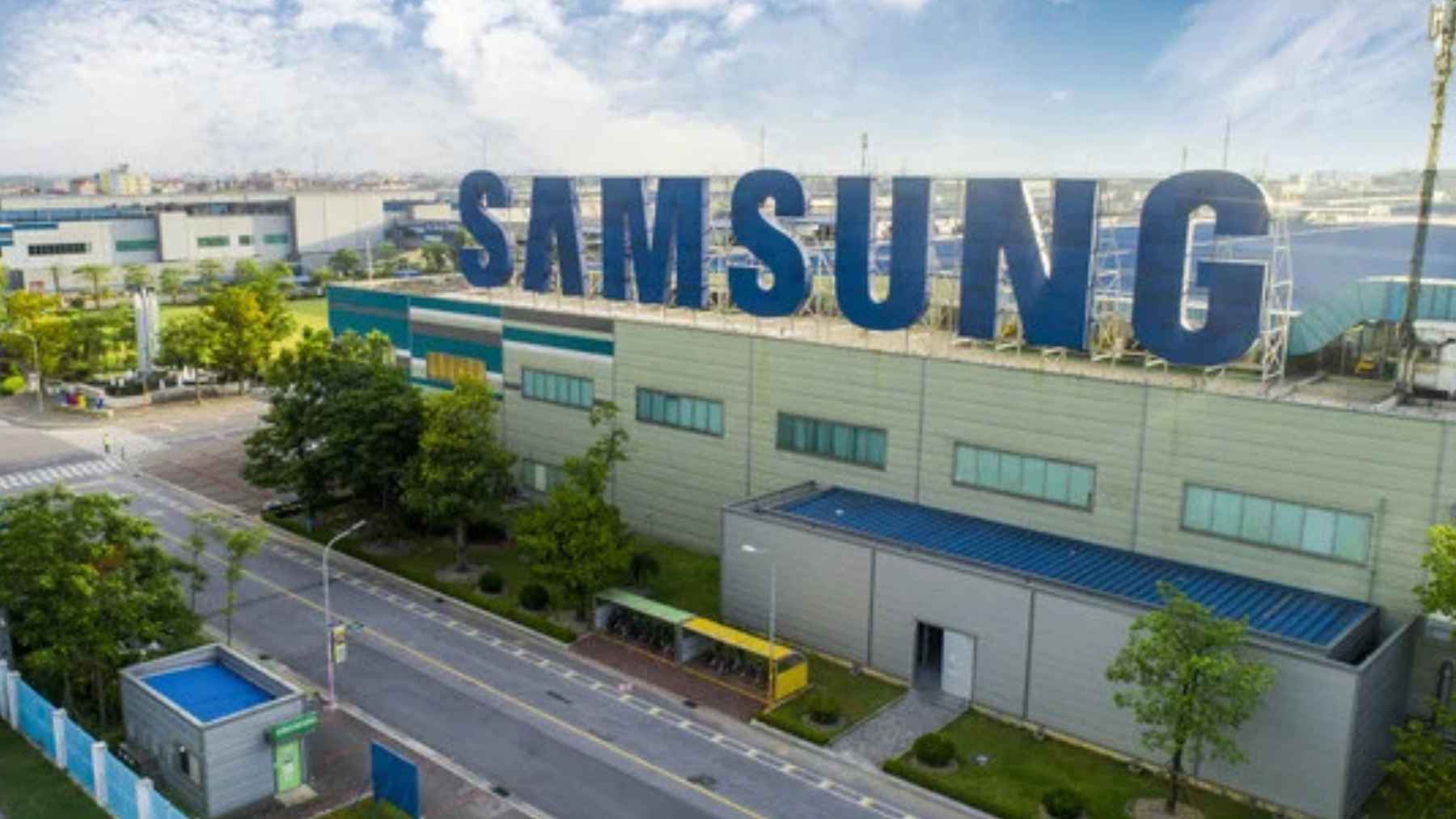
Samsung Electronics is considering investing in chip testing and packaging facilities in Vietnam, Reuters reported, citing people familiar with the matter. Vietnam’s Ministry of Finance said it is “coordinating” with other agencies to submit an MOU with Samsung to the Prime Minister, while Samsung did not immediately comment.
Bloomberg, cited by Reuters, reported a possible $4 billion outlay for a chip packaging plant in northern Vietnam. The figure is not confirmed, but it shows how fast “advanced packaging” is moving from a niche step to a strategic priority.
Read More: {{post_title link:post}}
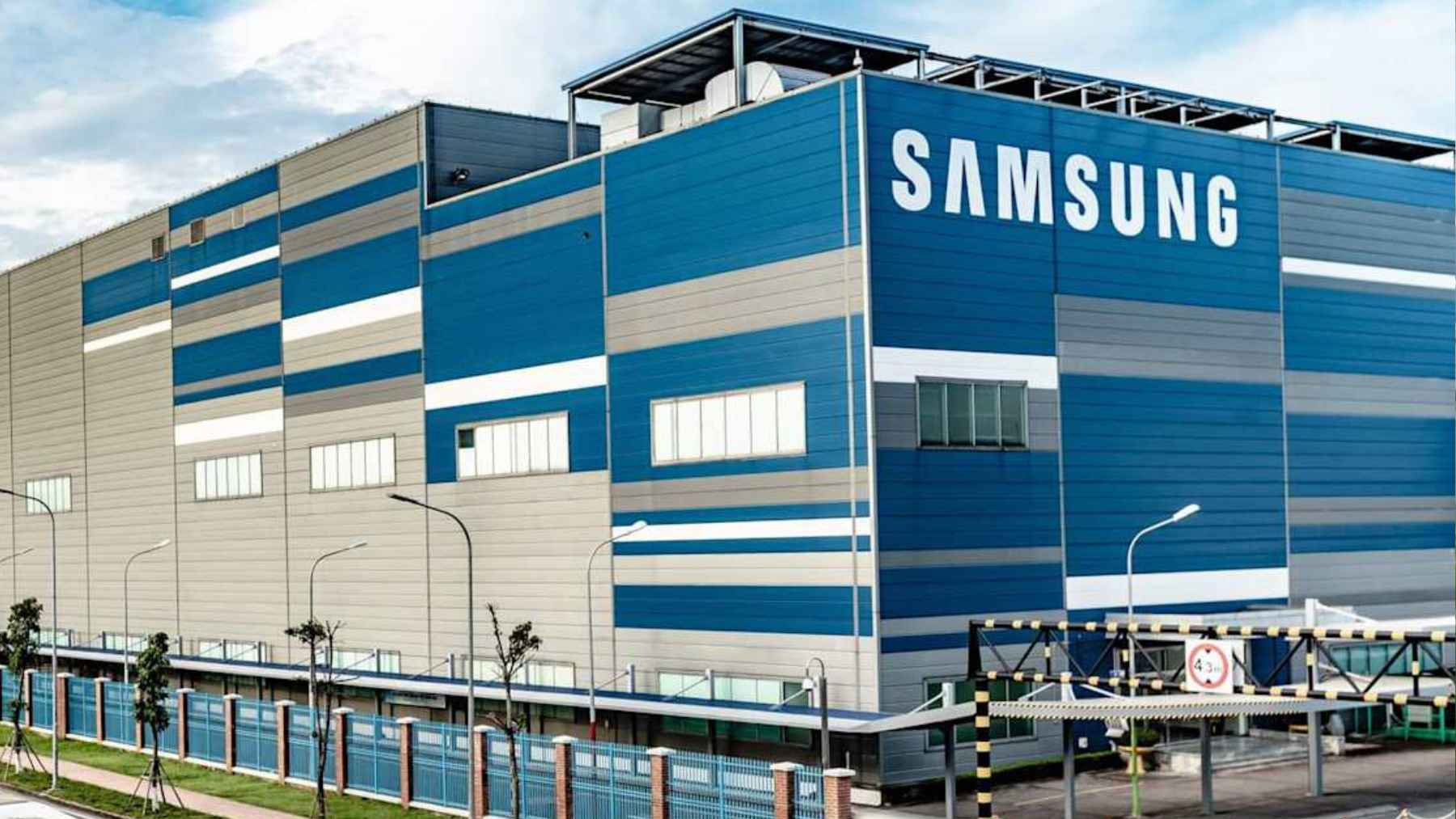
Vietnam is already central to Samsung’s footprint, with more than $23 billion invested in the country so far, according to Vietnam’s government as cited by Reuters. And Vietnam is not only courting foreign giants, because Reuters reported that Viettel began building what it called Vietnam’s first chip fab on roughly 67 acres near Hanoi in January 2026.
Why packaging is turning into the choke point
Chip packaging used to sound like the last mile of manufacturing, basically putting silicon into a protective shell. Now, advanced packaging often means connecting multiple chiplets and high bandwidth memory so AI systems can move data faster and use energy more efficiently.
This matters because packaging capacity is getting tight. Reuters has described advanced packaging as a key bottleneck for the industry, even as companies scramble to expand.
Samsung is leaning into that shift publicly. In a March 2026 investor disclosure, the company said it plans to invest more than 110 trillion won (about $73.2 billion) in facilities and research and development in 2026, aiming for a “one stop solution” that includes advanced packaging.
The climate bill behind every new AI chip
Here is the part most people never see. Chips do not just power AI, they also consume real world resources before they ever reach a data center. And some of those resources are highly carbon intensive.
One major concern is fluorinated gases used in semiconductor processes like etching and chamber cleaning. The U.S. Environmental Protection Agency notes that gases such as CF4, C2F6, NF3, and SF6 are extremely potent greenhouse gases if they escape.
Interface’s Semiconductor Emission Explorer suggests fluorinated gases can make up most direct emissions for many large chip makers, often around 80 to 90%. Tiny molecules, big warming impact. That is why cleaner manufacturing is not only about electricity, it is also about strict controls and better accounting for process gases.
Water and wastewater are the quiet constraint
If you have ever lived through water restrictions, you already know how quickly a “resource” becomes a political issue. Semiconductor production can be remarkably thirsty, and it produces complex wastewater that needs serious treatment.
The World Economic Forum says an average chip manufacturing facility can use about 10 million gallons of ultrapure water per day, comparable to daily use by roughly 33,000 U.S. households. It also warns that chip wastewater can contain pollutants including heavy metals.
Read More: {{post_title link:post}}
Research in iScience points to the same challenge from a technical angle, describing how semiconductor wastewater can involve complicated mixtures that require advanced treatment and recycling systems.
Packaging plants generally use less water than full wafer fabs, but testing and advanced packaging still involve cleaning steps and chemical handling that communities care about.
Vietnam’s power mix could decide the footprint
A new plant’s emissions depend heavily on what is feeding the grid. Vietnam has been adding renewables, but coal remains a major part of generation, which changes the carbon math for energy-hungry industries.
Vietnam Electricity reported that in the first 10 months of 2025, coal-fired power produced 46.2% of the country’s electricity, compared with 12.1% from renewable energy and 32.6% from hydropower. For companies building new facilities, that baseline matters for the carbon footprint on day one.
Vietnam has also pledged to reach net-zero emissions by 2050. In practical terms, future chip projects will be judged not only by jobs and exports, but also by whether they help speed the shift to cleaner power through renewables procurement and efficiency upgrades that can lower the electric bill over time.
What to watch before the concrete is poured
Big investments like this can be a win for technology and employment, but environmental outcomes come down to details that rarely make headlines. What is the water source, how much will be reused, and what happens to wastewater during that sticky summer heat we all know can stress local supplies?
Also, watch for transparency. Good reporting should include energy use, water withdrawal, wastewater treatment performance, and emissions that count process gases, not only the “easy” categories tied to electricity.
Read More: {{post_title link:post}}
Finally, remember the other end of the pipeline. The world generated about 68 million tons of electronic waste in 2022 (62 million metric tons), and only 22.3% was documented as formally collected and recycled in an environmentally sound way, according to the Global E waste Monitor 2024.
Better chips are helpful, but a cleaner tech future also needs serious recycling and design that makes recovery easier. That is the real test for the next wave of chip factories.
The official statement was published by Samsung Global Investor Relations.
Most read
- US scientists poured 16,500 gallons of lye into the Gulf of Maine and dyed the water bright pink to track it, the first federally approved try at reversing ocean acidity
- Soviet scientists released giant red king crabs into the Barents Sea in the 1960s to build a fishery, but decades later those invaders are still changing the seafloor
- New Orleans is collecting thousands of used Christmas trees and dropping them from helicopters to slow the loss of land, which has already exceeded 5,000 square kilometers
- The U.S. will pay up to $65 million to leave Colorado River water in Lake Mead, and Hoover Dam explains why
- Britain is dropping 20 concrete reef cubes and 44 tons of scallop shells into the sea, and the goal is to bring back oysters down more than 95% since the 1800s