A federal energy program meant to put rooftop solar panels and backup batteries on vulnerable homes in Puerto Rico has taken a sharp turn. Instead of focusing mainly on low-income households, medically vulnerable residents, and community health facilities, a large share of the money is now being redirected toward the island’s fragile centralized grid.
The shift matters because power outages in Puerto Rico are not a rare inconvenience. They are part of daily life, from spoiled food in the fridge to medical devices that suddenly need a generator.
Internal documents obtained through public records show the Department of Energy knew the decision could trigger criticism and be viewed as “undue favoritism” toward the Puerto Rico Electric Power Authority, known as PREPA.
A solar promise changed course
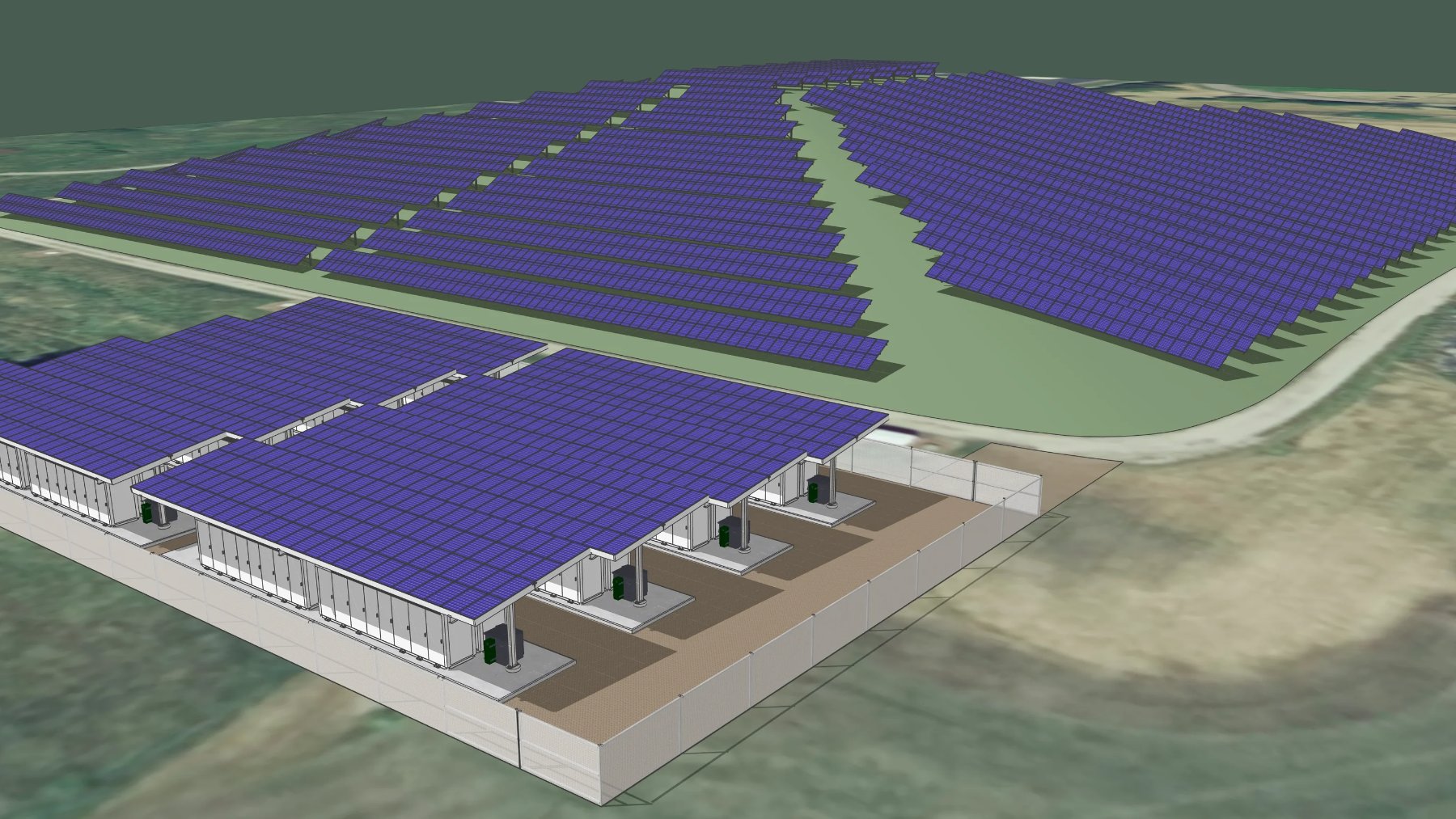
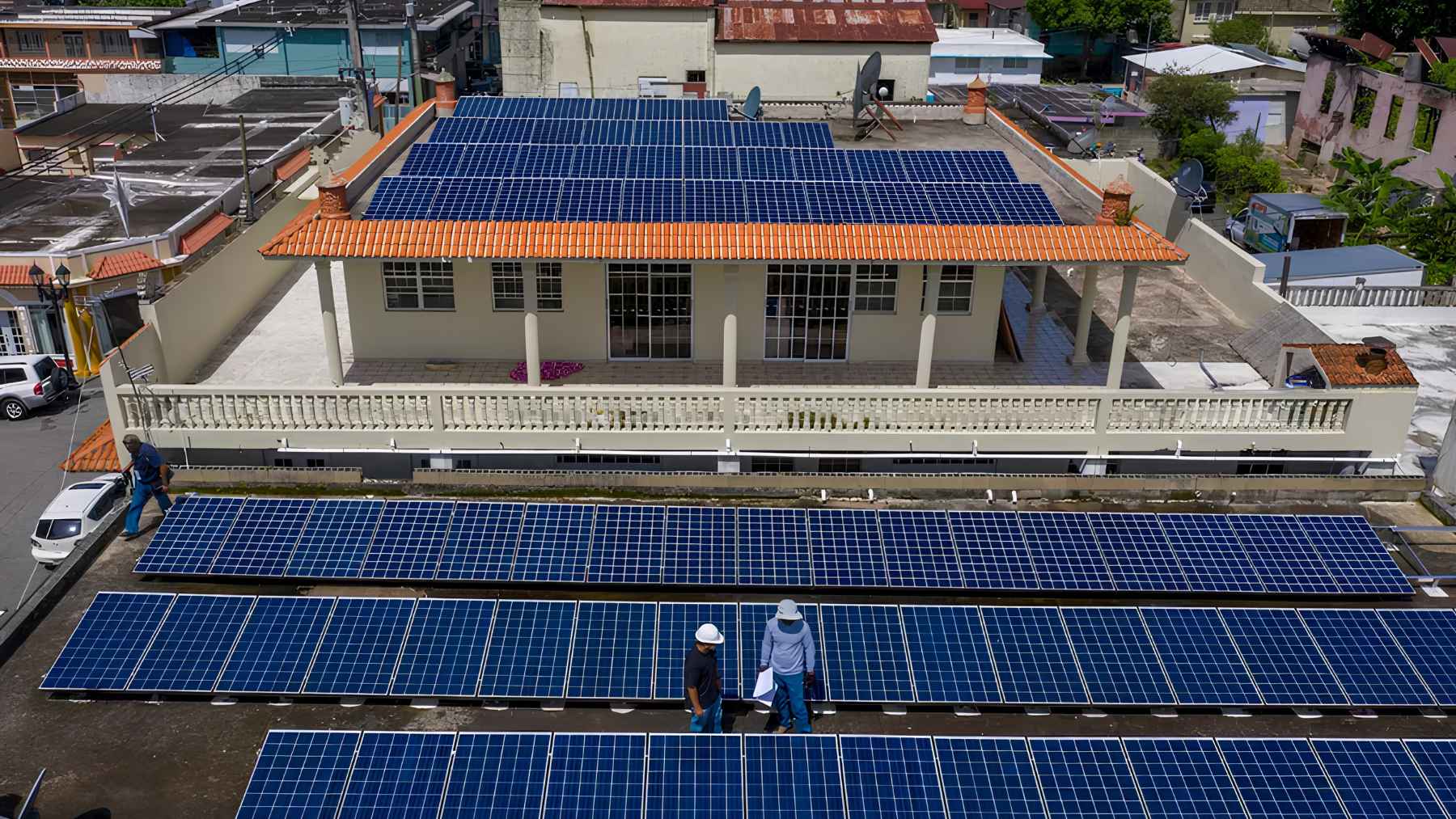
Congress approved the $1 billion Puerto Rico Energy Resilience Fund in 2022 after years of hurricanes, blackouts, and grid failures left residents exposed. The original idea was simple enough to understand. Put solar panels and batteries where power failure can become dangerous fast.
Under the Biden administration, the Department of Energy planned to support about 40,000 low-income Puerto Ricans, including people with health conditions that require reliable electricity.
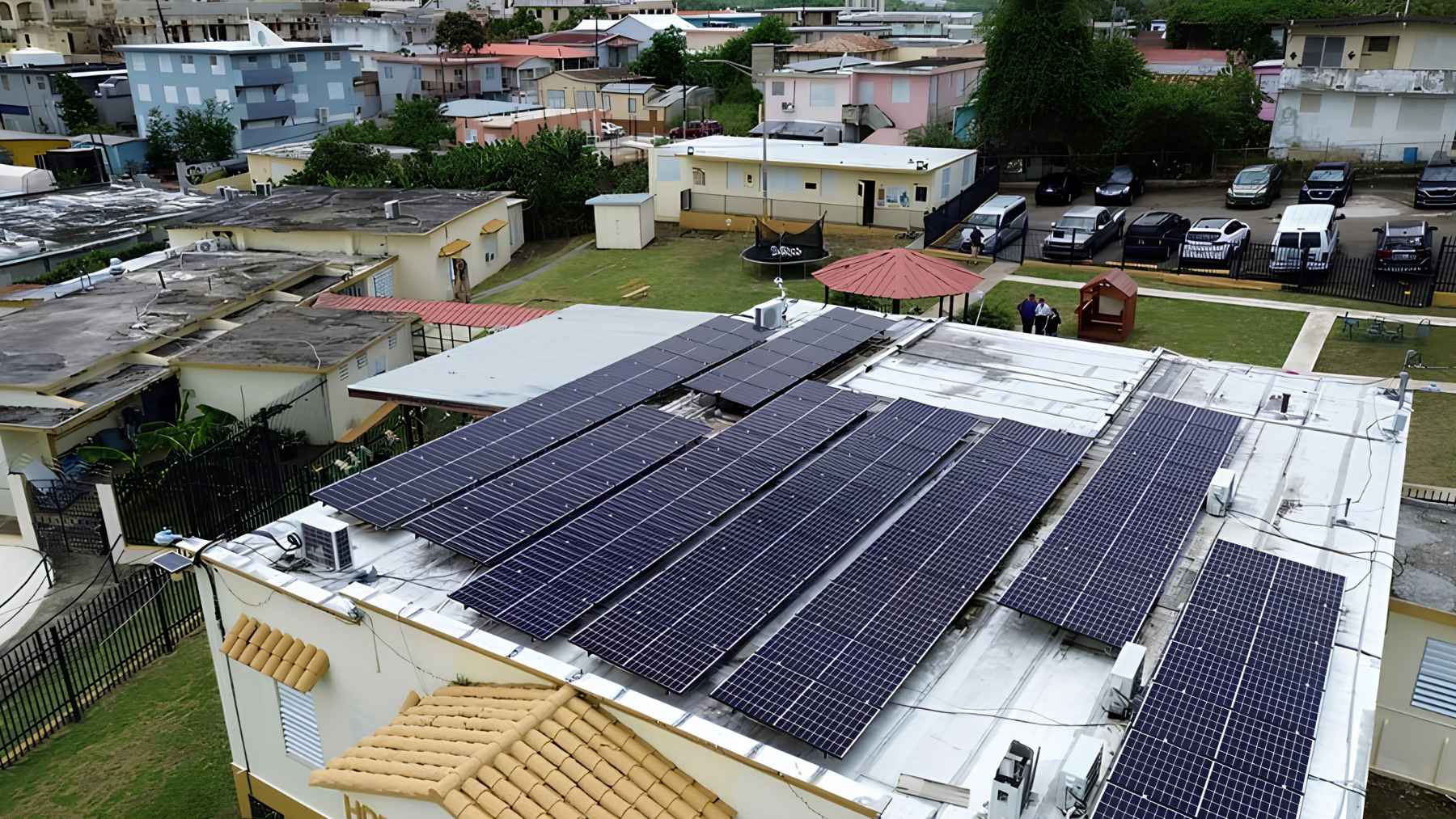
The DOE’s own program page says the fund was launched to improve reliability and reduce the energy burden of vulnerable residents after natural disasters and decades of grid underinvestment.
However, the Trump administration has moved the program in a different direction. DOE now says it is redirecting money toward systemwide repairs that can stabilize the grid for all 3.2 million people in Puerto Rico, rather than helping a smaller number of homes at the “edge of a failing system.”
Why PREPA is at the center
The biggest flashpoint is PREPA, the bankrupt public utility that owns Puerto Rico’s electric grid. According to DOE’s Q&A, the agency has redirected a $368.7 million federal grant to PREPA, with $3.7 million in local cost share, for near-term reliability work carried out by LUMA and Genera.
That cost share is one of the most controversial details. For large grant recipients, agencies often expect a major local contribution, and the internal records described in the source material say DOE accepted just 1% from PREPA instead of the standard 50%. That is a very big gap.
DOE argues that PREPA remains under severe fiscal strain and that requiring a 50% match would delay urgent grid repairs. A DOE spokesperson said a noncompetitive, sole-source award to PREPA was justified because the fund’s goals required working through the entity responsible for critical generation and transmission infrastructure.
The pipeline question
The part raising the loudest alarms is a fuel project between San Juan and Palo Seco. DOE’s public Q&A refers to it as “fuel supply security between San Juan and Palo Seco,” but internal documents cited by Grist say $50 million is intended for a new natural gas pipeline.
That route is not far on a map. The distance between the two power stations is about 8.7 miles, after converting the roughly 14 km cited in local reporting. Still, the political distance is much bigger.
More than 40 Democratic lawmakers have questioned whether the shift locks Puerto Rico into more imported methane gas instead of the local solar power Congress originally prioritized. In their letter, they warned that DOE’s “lack of transparency,” possible disregard for congressional intent, and cancellation of solar contracts raised serious questions about the use of the resilience fund.
Blackouts are the real backdrop
For residents, this debate is not abstract policy. It is the electric bill, the generator fuel, the noise outside the window, and the worry that the lights will fail again during sticky summer heat.
The U.S. Energy Information Administration reported that Puerto Rico customers experienced about 27 hours of power interruptions per year between 2021 and 2024, even without counting major events such as hurricanes. In 2024, when major events were included, customers went without power for more than 73 hours on average.
That is why both sides can claim urgency. DOE says grid repairs will benefit more people faster. Critics say rooftop solar and batteries are precisely what vulnerable households need when the larger grid goes down.
A fragile grid and a trust problem
Puerto Rico’s power system has carried the scars of Hurricane Maria since 2017, when the island lost power and some communities waited months for service to return. Since then, billions in federal money have been promised for grid modernization, but progress has often been slow.
That history makes the PREPA decision especially sensitive. Grist reported that internal DOE documents cited no competing bids, a fast-tracked review, and an energy emergency order as part of the justification for routing funds to PREPA. The same reporting says DOE officials recognized the move could be criticized because the money had originally been planned for multifamily housing solar and community health facilities.
Effectively, the question is not just whether a substation gets fixed or a pipeline gets built. It is whether Puerto Rico’s energy future leans toward distributed clean backup power or another round of centralized fossil fuel infrastructure.
What happens now
DOE maintains that the redirected projects will reduce outages, increase firm capacity, modernize substations, repair transmission corridors, and shorten recovery times after major events. The agency also says more than 6,000 low- and moderate-income households and households including people with disabilities have already received solar systems under the program, and those installations will stay in place.
Still, many pending rooftop solar projects may not move forward, and that uncertainty is exactly what has lawmakers, advocates, and residents watching closely. Who benefits first when the next blackout hits?
At the end of the day, Puerto Rico needs reliable power that works during storms, heat waves, and ordinary weekdays. The trouble is, the clock is moving faster than politics.
The official statement was published on the U.S. Department of Energy’s website.