Australia’s Clean Energy Regulator has suspended 21 companies from the Small-scale Renewable Energy Scheme after finding they no longer met ongoing “fit and proper person” requirements. The watchdog also began separate action over solar systems allegedly declared finished and able to generate electricity when they were not.
The scheme turns verified rooftop solar and battery installations into financial incentives for households and businesses, so a false declaration can undermine both public support and the trust behind a discount shown on an ordinary customer’s quote.
Why the companies were suspended
In its detailed April to June 2026 update, the regulator said the 21 companies were permanently suspended mainly because they had been deregistered by the Australian Securities and Investments Commission and were therefore no longer legal persons. Participants must continue to show legal compliance, integrity, capability, competence, and sound business practices.
The regulator separately identified Asun Solar Pty Ltd, saying its registration was suspended after concerns about noncompliance with a statutory notice and its failure to demonstrate the capability, competency, and business practices expected of a registered agent. The update named Asun but did not identify the retailer at the center of the incomplete installation action.
Incomplete solar claims face action
That separate case involves preliminary findings of repeated and material noncompliance by an unnamed solar retailer. Several photovoltaic systems were allegedly described as complete and capable of producing electricity even though they were not, and the proposed declaration could prevent the retailer from supporting small-scale technology certificate claims for up to three years.
At this stage, the declaration is proposed rather than final. Still, Acting Chair Carl Binning made the agency’s position bluntly clear, saying “False statements and incomplete work will not be tolerated.”
Why certificates matter
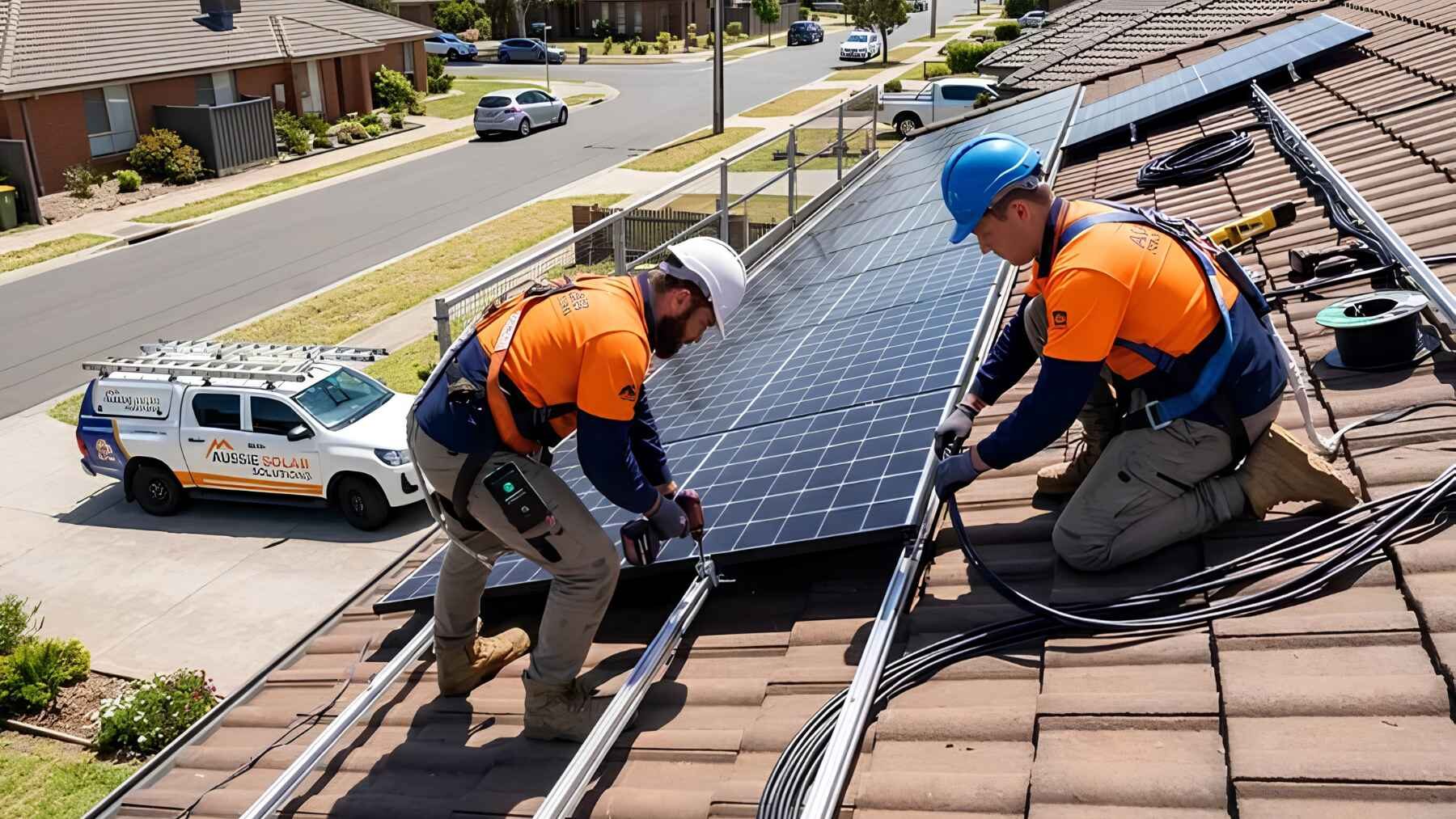
The Small-scale Renewable Energy Scheme awards small-scale technology certificates, known as STCs, for eligible renewable energy systems. Most owners transfer their right to create the certificates to a registered agent in exchange for an upfront discount, while agents must hold evidence that each system meets legal and technical requirements.
For the person trying to cut the electric bill, the STC value may appear as just another line on a solar quote. Behind it sits a chain of installers, retailers, agents, photographs, written statements, product approvals, and commissioning records that must all describe what actually happened at the property.
AI checks battery photographs
New battery photo rules took effect on March 1, 2026, requiring clear, geotagged, and time-stamped images of critical labels and signs. The evidence includes the outside of meter boxes, switchboards and their covers, shutdown instructions, and the front and sides of the battery.
The regulator has now deployed an AI-assisted image analysis tool to identify photographs that may be missing required labels and to spot possible metadata problems. But the software does not decide whether a company or installation passes, since regulator staff review flagged cases and make the final compliance decision.
Rapid growth raises the stakes
The regulator’s compliance systems now support more than 4.2 million rooftop solar installations. Growth continued in the first quarter of 2026, when about 77,000 small-scale solar systems added a record 791 megawatts of capacity for that quarter.
Batteries are becoming part of the standard package too. The regulator reported that 71% of solar systems installed in the first quarter of 2026 also included a battery, while more than 460,000 batteries with 12.8 gigawatt-hours of storage had been installed from July 1, 2025, through June 8, 2026.
What households should check
A low price is tempting, especially when power bills keep landing, but credentials matter. Customers should confirm that their installer is properly licensed and accredited, that panels, batteries, and inverters are approved for the scheme, and that they receive the required written information about the system and installation.
They should also make sure the person who arrives is the accredited installer named in the paperwork. The regulator has already found examples of on-site verification selfies that did not accurately represent the installer recorded for the job, and false or insufficient evidence can trigger rejected claims or enforcement action.
Clean energy depends on credible proof
Solar incentives work when every certificate is backed by a real, complete, and compliant installation. Australia’s latest crackdown shows that rapid deployment will be paired with stronger photographic evidence, closer scrutiny of business fitness, and AI-supported checks that still leave final decisions with human officials.
The compliance update was published by the Clean Energy Regulator.