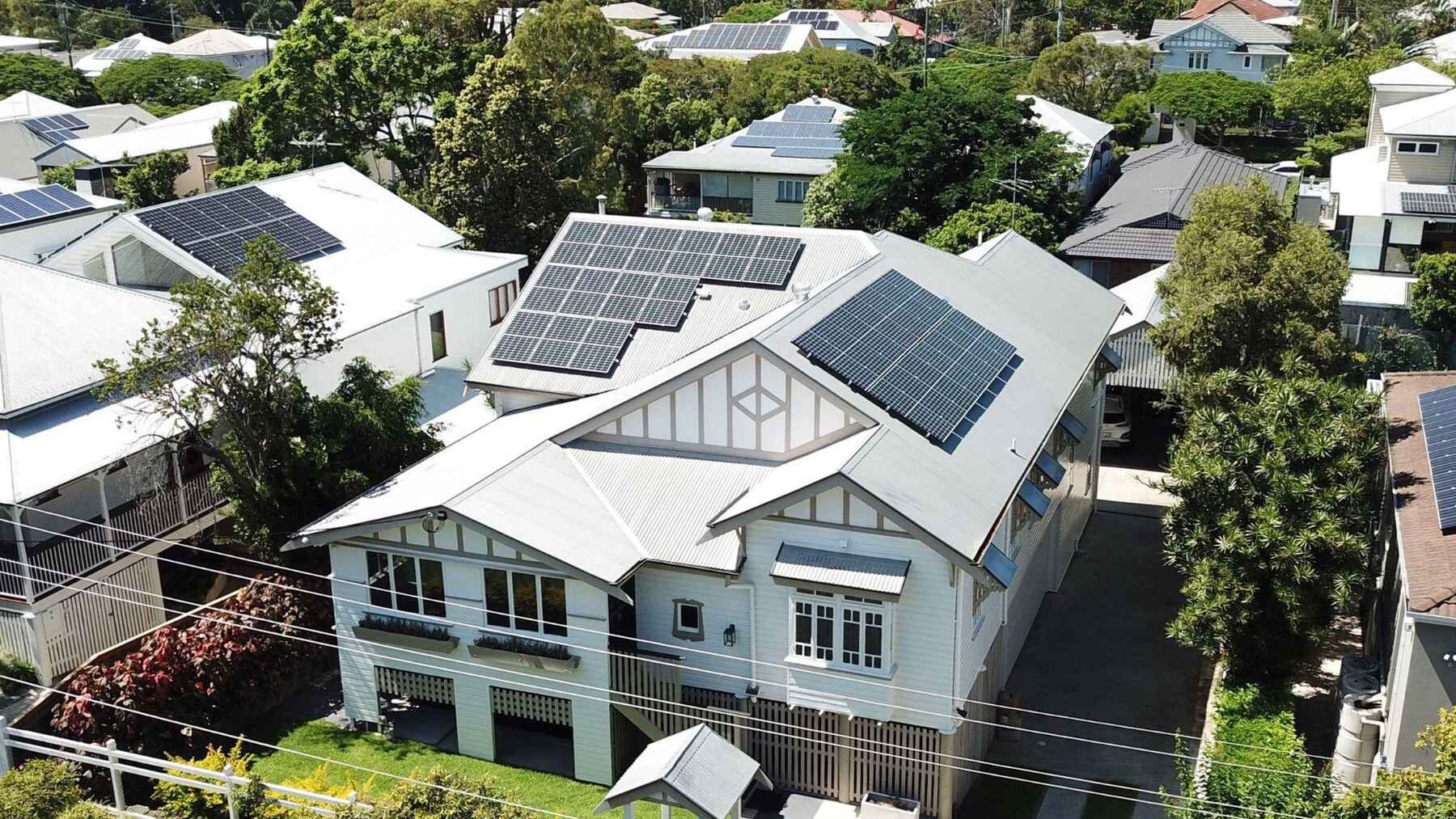
Australia’s home battery boom has hit a sudden brake after the federal government tightened its rebate rules. More than 80,000 systems were installed in April 2026, but the monthly total fell .
That drop looks dramatic, but it does not necessarily mean households have turned against energy storage . Industry analysts say thousands of buyers rushed to install larger batteries before the May 1 rule change, pulling future demand into April and setting up the quiet period that followed.
The battery boom hit a deadline
The Cheaper Home Batteries Program began in July 2025 and quickly reshaped Australia’s rooftop energy market . It offers households, small businesses, and community facilities a discount worth about 30% of the upfront cost of an eligible battery connected to a solar photovoltaic system.
By April, customers and installers knew that the more generous conditions were about to end. Warwick Johnston, managing director of solar consultancy SunWiz, said buyers who might otherwise have purchased over several months all moved at once. “That’s why it’s called a solar-coaster,” he said.
The latest monthly totals also come with a warning label. Installers and registered , meaning recent figures can rise as more systems are validated. The energy minister’s office has said the underlying pace remains around 7,000 to 9,000 installations a week.
Why supersized batteries became the problem
The original rebate design rewarded each additional unit of storage up to 50 kilowatt-hours. A kilowatt-hour is a measure of energy capacity, and a typical Australian home uses roughly 15 to 20 of them each day.
A standard 10-kilowatt-hour battery was expected to receive a discount of about US$2,800 at recent exchange rates. But a 50-kilowatt-hour system could attract roughly US$12,600 in taxpayer support, while economies of scale meant the customer did not always pay proportionally more for the extra capacity.
That did not make every large battery unnecessary. Johnston noted that adding an electric vehicle can easily double a household’s electricity use, so some families may be planning for future appliances, transportation, and greater independence from the grid. Still, Australia’s official consumer guidance warns that a battery that is too large for the solar array or inverter may deliver limited additional benefits.
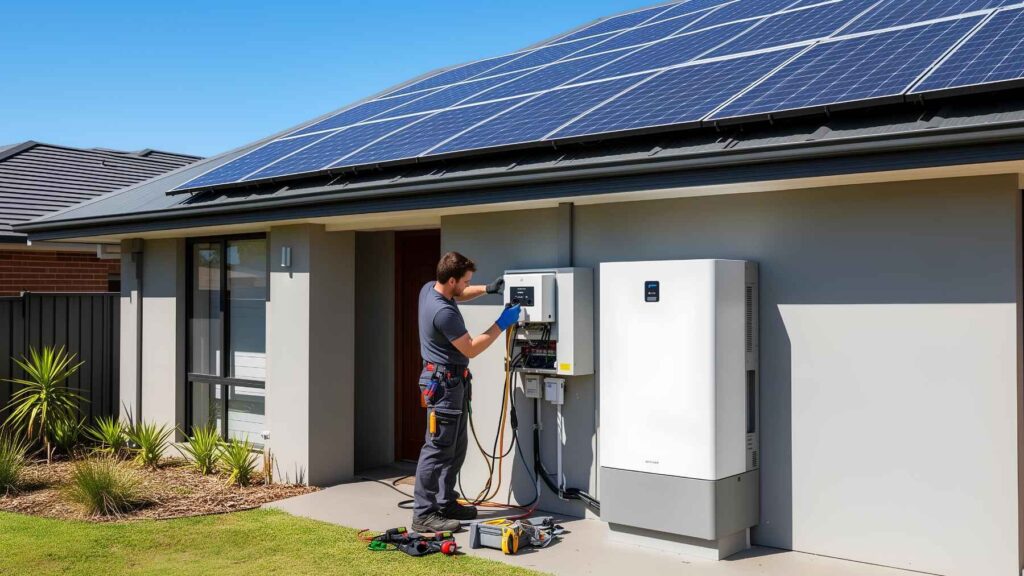
New rules favor better-matched systems
Since May 1, the rebate formula has applied the full support rate . The rate falls to 60% for capacity above 14 and up to 28 kilowatt-hours, then to 15% for capacity above 28 and up to 50 kilowatt-hours.
Eligible systems can , but the federal discount does not keep growing after the first 50. The separate certificate factor also fell from 8.4 to 6.8 in May and is scheduled to decline every six months through 2030 as battery prices fall .
The government also expanded the program from an estimated US$1.6 billion to roughly US$5 billion over four years. Climate Change and Energy Minister Chris Bowen says the redesign should spread support across more buyers, but SolarQuotes founder Finn Peacock expects the six-month deadlines to keep creating smaller boom-and-bust cycles.
Batteries are becoming part of the solar sale
Australia already has more than 4.4 million small-scale rooftop solar systems. Regulator analysis covering the second half of 2025 also found that around 60% of .
That pairing is changing the way customers approach a solar purchase. Peacock said batteries were once treated as an expensive luxury but are now close to becoming standard. “If you get solar, you get a battery,” he said.
Storage lets a household save midday solar instead of buying as much electricity from the grid. That can soften the electric bill, but savings still depend on the household’s tariff, energy habits, equipment cost, and whether the battery is sized sensibly.
The slowdown does not end the storage shift
More than 460,000 solar batteries were installed across Australia between July 2025 and early June 2026, providing about 12.8 gigawatt-hours of storage. The government’s longer-term aim is to support batteries for more than 2 million Australians by 2030 and deliver around 40 gigawatt-hours of additional capacity.
That amount of distributed storage could change when homes draw electricity from the grid. Batteries absorb some of the abundant solar energy produced around midday and make it available after sunset, when household demand rises and rooftop panels stop generating.
So the 70% monthly plunge is better understood as the aftershock of a policy deadline than proof that Australia’s battery transition has stalled. The solar-coaster may lurch again as incentives step down, but falling technology costs, , and continued electrification are likely to keep storage near the center of the country’s energy shift.
The program details were published on the Australian Government Department website.