A British energy supplier has unveiled a home battery that plugs into a standard wall outlet, opening a possible route into energy storage for renters and apartment residents. The 2-kilowatt-hour Nook Cube was announced on June 22, 2026, alongside a larger wall-mounted model, with sales planned across five European markets in 2027.
The main idea is simple. Households could charge the battery when electricity is cheap, then use that stored power when prices rise, putting some distance between daily routines and the sharpest ends of the electric bill. This is still a planned launch, however, and the public product page does not yet include pricing or several important technical details.
A battery made for renters
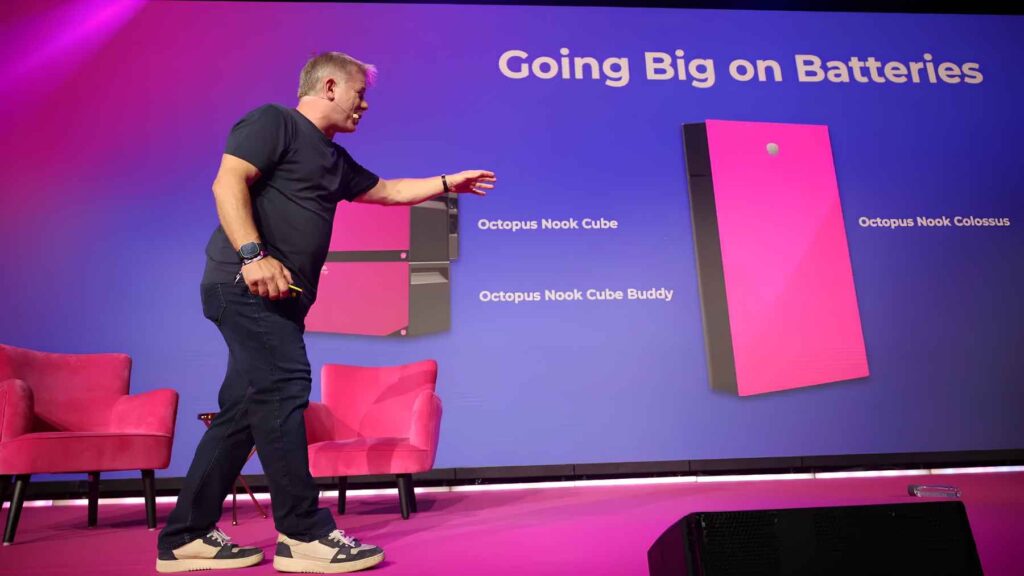
The Nook Cube is described as about the size of a shoebox and requires no complex installation. It stores 2 kilowatt-hours of electricity, connects to an app, and can be expanded with additional units to a total of 10.5 kilowatt-hours.
What does that number mean? In ideal terms, 2 kilowatt-hours could run a 1,000-watt appliance for about two hours, though actual runtime would depend on the appliance and the battery’s usable capacity. For a tenant who cannot drill into a wall or change a property’s wiring, that smaller format could be the difference between having storage and going without it.
How home storage works
Think of a home battery as a pantry for electricity. It fills when power is cheaper or when rooftop solar panels are producing more than the home needs, then releases that energy later, perhaps during a sticky summer evening when fans and air conditioning are working harder.
Why charge from the grid instead of using electricity immediately? Some energy plans change their rates during the day, so electricity bought overnight can cost less than power used at the evening peak. An International Energy Agency (IEA) report also notes that batteries are well suited to supplying short bursts of flexibility when demand is high.
A larger wall battery
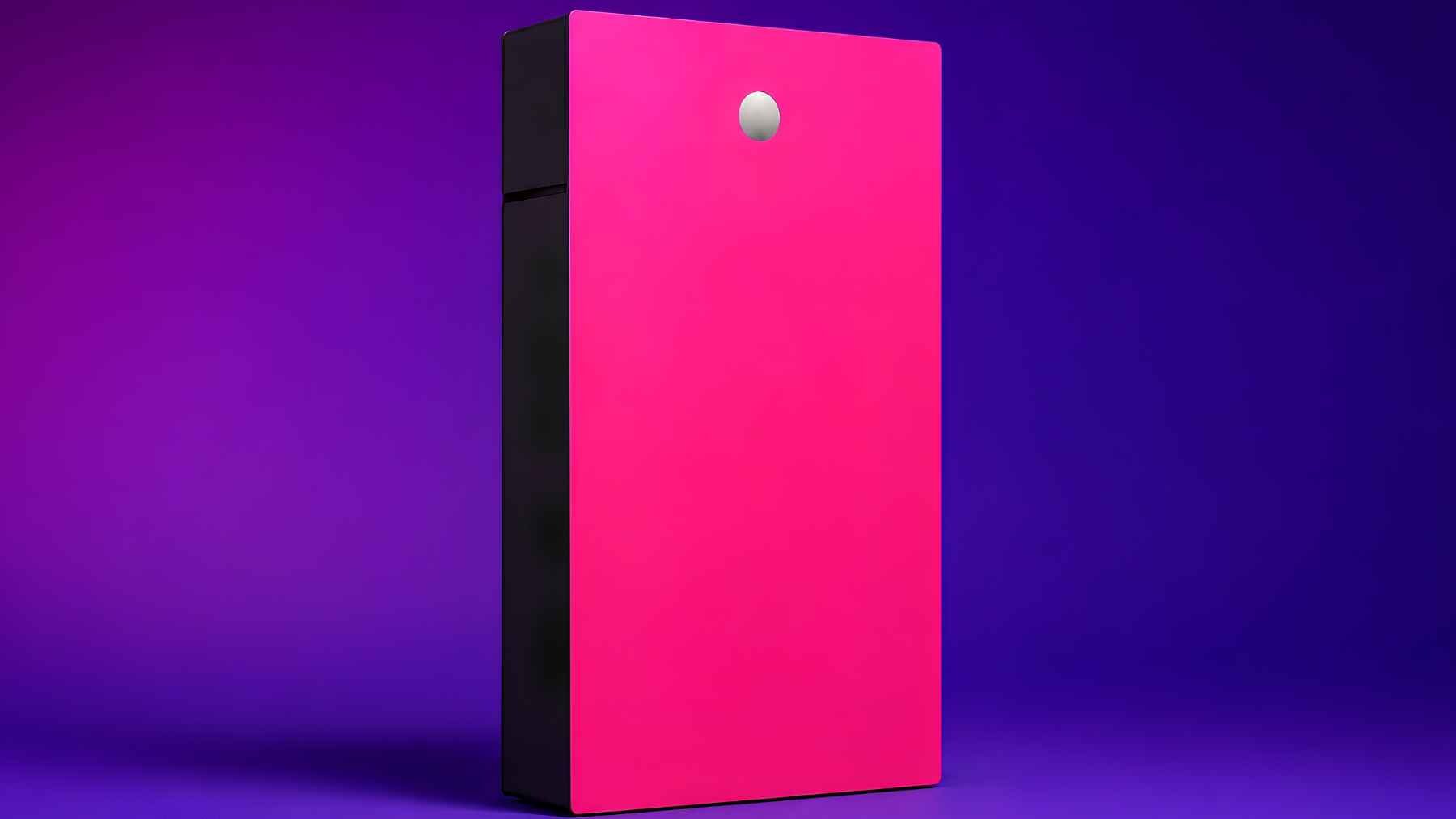
Homeowners are being offered the Nook Colossus, a professionally installed system available with 5 or 10 kilowatt-hours of storage. Extra units can raise the total to 30 kilowatt-hours, while both Nook models are designed to work with rooftop solar and carry a 12-year warranty.
The largest setup holds 15 times as much energy as one base Cube. Still, capacity is only part of the picture. The public page does not say how much power the system can deliver at once or whether it can provide backup during an outage.
Europe rollout starts in 2027
The United Kingdom is expected to receive the Nook range first in 2027, followed by Germany, France, Italy, and Spain. The company has not published exact country-by-country dates or detailed installation rules for each market.
Italy is an especially important market for the expansion. The supplier entered the country’s retail energy business in 2022 and says it now serves more than 900,000 customer accounts. It has invested about $286 million there and plans to lift the total above approximately $1.14 billion by 2030.
The plan reaches electric trucks
The battery push is not limited to living rooms. A joint venture called Swaptopus, created with CATL, is intended to build automated stations where electric trucks exchange a depleted battery for a charged one within minutes instead of waiting through a long charging stop.
The first British hubs are scheduled to open in 2027, with more than 30 large sites planned across Europe by 2035. The partners say the network could eventually support more than 300,000 trucks, and a company spokesperson said the expansion target includes Italy. For freight operators, the system could reduce charging delays and help replace diesel trucks, bringing less engine noise and fewer exhaust fumes along busy routes.
Savings are not guaranteed
Greg Jackson described home batteries as “one of the smartest ways to cut energy bills right now.” He also said the wall-mounted system should be “about a third cheaper than the best-known battery brands,” while suggesting that plug-in units could repay their cost within two or three years.
Those are company forecasts, not a promise for every household. The result will depend on the final purchase price, local electricity rates, the gap between cheap and expensive hours, battery efficiency, and how much energy a family can shift. A home that uses little power at peak times may save less.
What buyers still need to know
As of July 16, 2026, the public product information does not list a retail price, weight, maximum output, or the portion of the stated capacity that owners can actually use. Detailed safety certifications for each market are also not listed. Exact release dates within 2027 remain unavailable.
Even so, the plug-in approach targets a real gap in the market. Traditional home batteries generally favor property owners who can approve electrical work, while this design is meant to make storage accessible to people with a lease and a spare outlet. At the end of the day, the electric bill will decide whether that convenience is worth the price.
The official Nook press release was published by Octopus Energy.