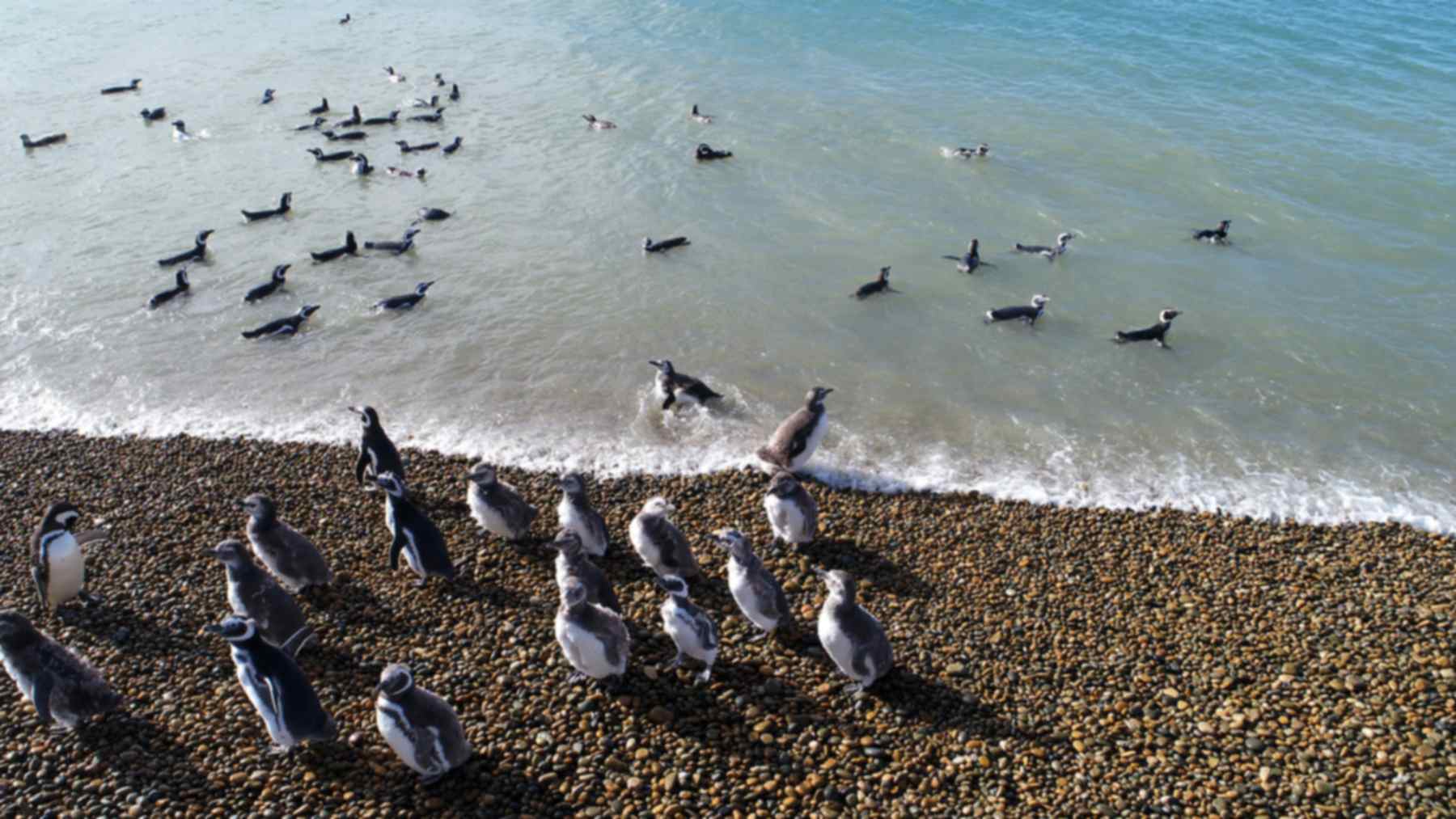
A Patagonian sheep ranch on Argentina’s Atlantic coast counted 40,535 sheep in 1920. Today that land forms the core of Monte León National Park in Santa Cruz province. Argentina’s National Parks Administration reports more than 40,000 breeding pairs of Magellanic penguins there.
The park covers 62,169 hectares (about 153,600 acres) where dry steppe meets the Argentine Sea. Its first management plan shows that the penguins did not arrive after the sheep left. Birds and flocks were using the same coast.
Forty thousand sheep in 1920
Records in the 2002 management plan date sheep farming on the property to 1895. Moritz Braun’s family company bought Monte León in 1920, when the estate measured 87,143 hectares (about 215,300 acres). It carried 40,535 sheep, 375 horses, eight cows and a bull.
Those boundaries were larger than the park’s, so the two headline numbers do not describe exactly the same land. From the 1970s through 2000, the flock swung between 11,000 and 20,000 animals. The last sheep left at the end of 2001.
Winter snow pushed flocks seaward
Coastal paddocks served as winter pasture on the ranch. In snowy years, the plan explains, sheep crowded toward the shore to find open ground.
That habit put them right in the nesting grounds. According to the plan, the animals heavily overused the zone with the shrubs penguins use to shelter their nests. It names the site as one of those most affected by grazing.
Its authors expected those shrubs to recover substantially once the livestock was gone. They thought the change could bring a gradual rise in nesting pairs, and they proposed test plots to track the vegetation.
Elsewhere in Argentina, the species has needed a very different kind of help. In Río Negro province, captive-born Magellanic penguins reached a river island by court order.
A land trust paid the bill
Patagonia Land Trust and the Argentine group Fundación Vida Silvestre signed a trust agreement on April 27, 2001. The land trust supplied the money and the foundation bought the whole ranch. The property was meant to become the country’s first coastal and marine national park.
Before any handover to the park agency, a committee had to approve a plan for the area. Its members included both organizations, the agency, Santa Cruz province and a representative of the former owners.
Congress created the park in 2004 through Law 25,945. Fundación Vida Silvestre lists the purchase among the milestones of its history and credits the land trust’s donation.
Pumas, sea lions and shipwrecks
The park’s visitor page lists 134 bird species and 28 mammals. Guanacos, rheas, foxes, armadillos and pumas live on a steppe dominated by a dark shrub called mata negra. South American sea lions keep permanent haul-out sites on the shore.
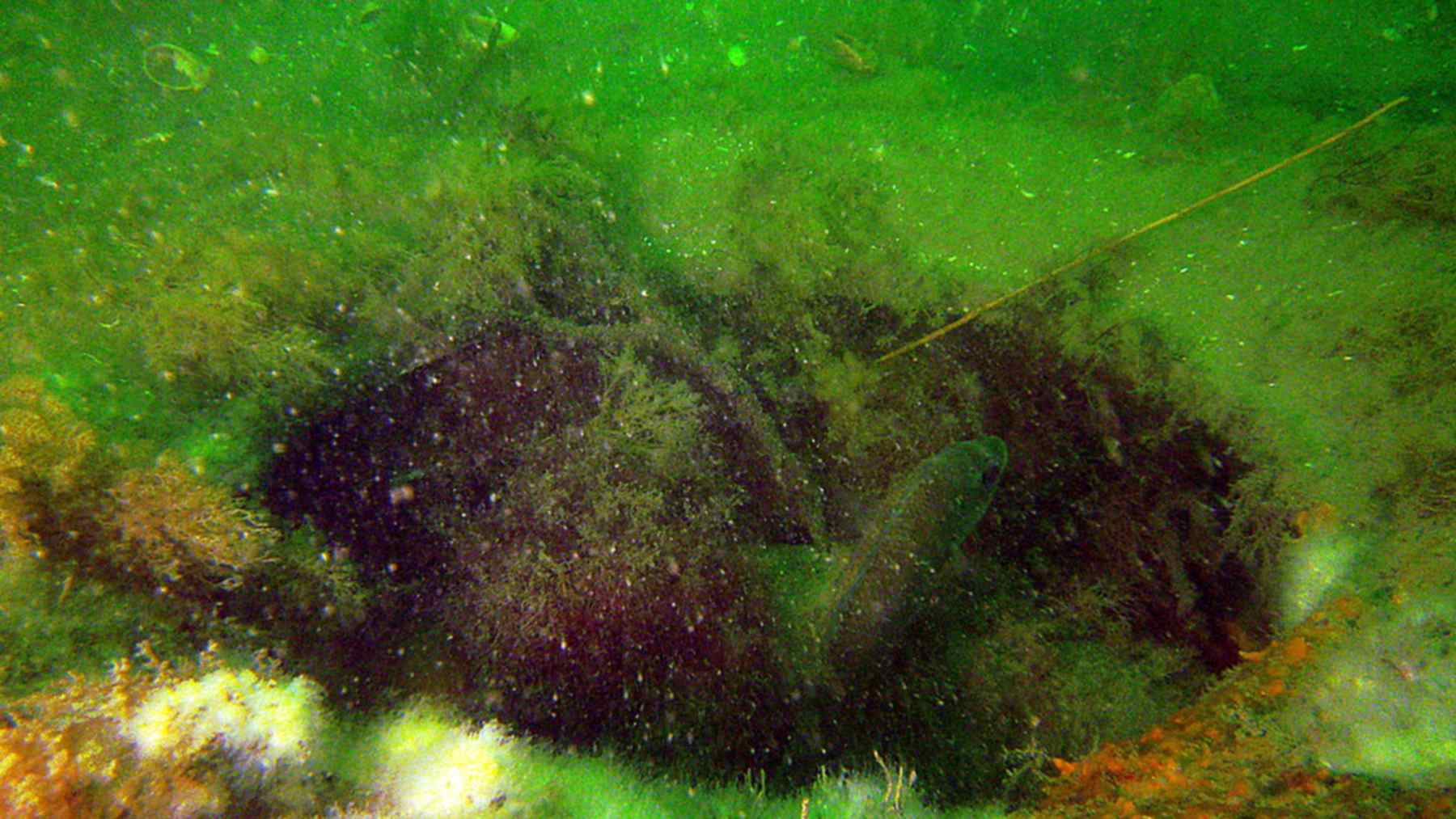
Offshore, many fish breed among giant seaweeds that the agency calls true underwater forests. Fishers in neighboring Chile are working to revive the same kind of habitat. At low tide, octopuses, anemones and sea stars appear among the rocks, and oystercatchers come down to feed.
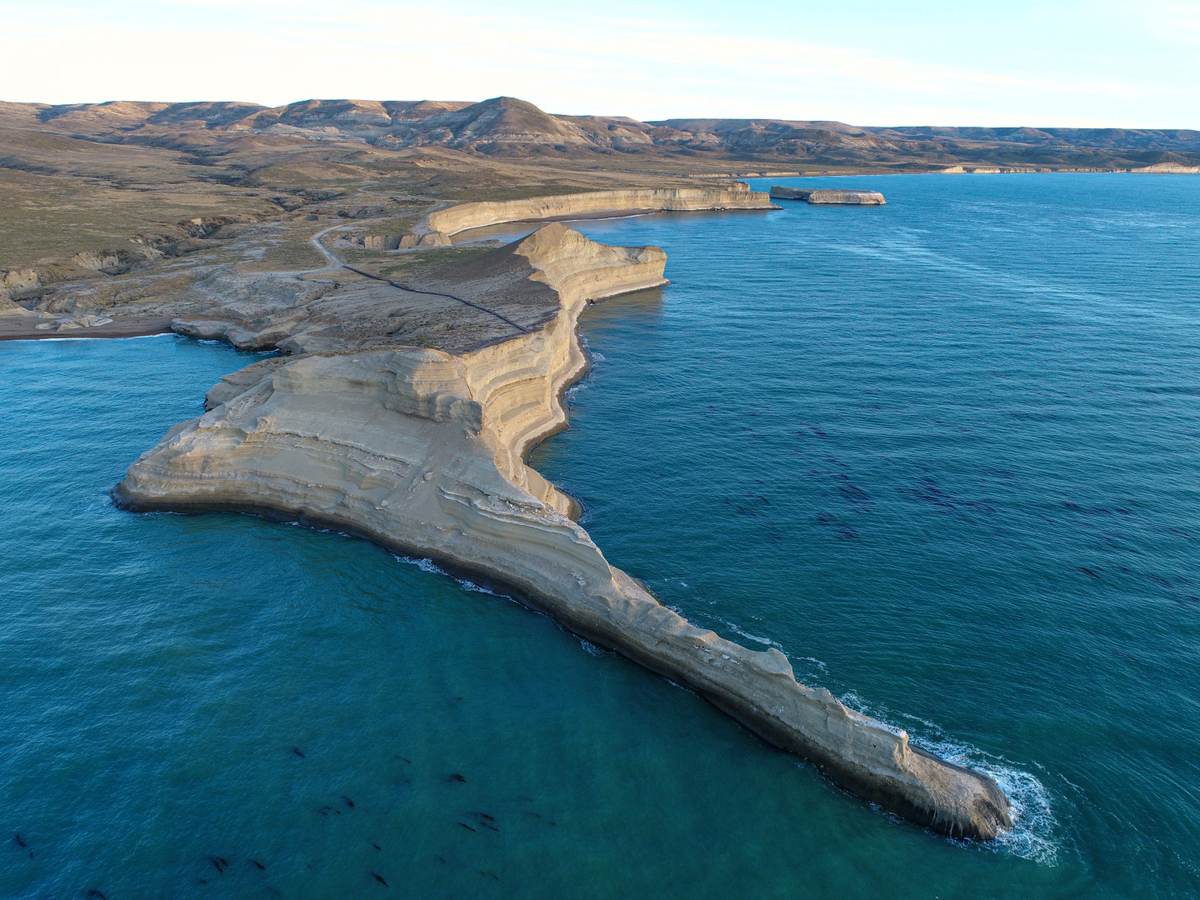
People were eating from this coast long before the wool trade. The agency’s heritage page traces hunter-gatherer occupation back as far as 6,000 years, with coastal heaps made mostly of mollusk shells.
Remains of 19th and 20th century ships have also been identified along the shore. Guano mining and sea lion hunting lasted until at least 1940 and left traces of their own.
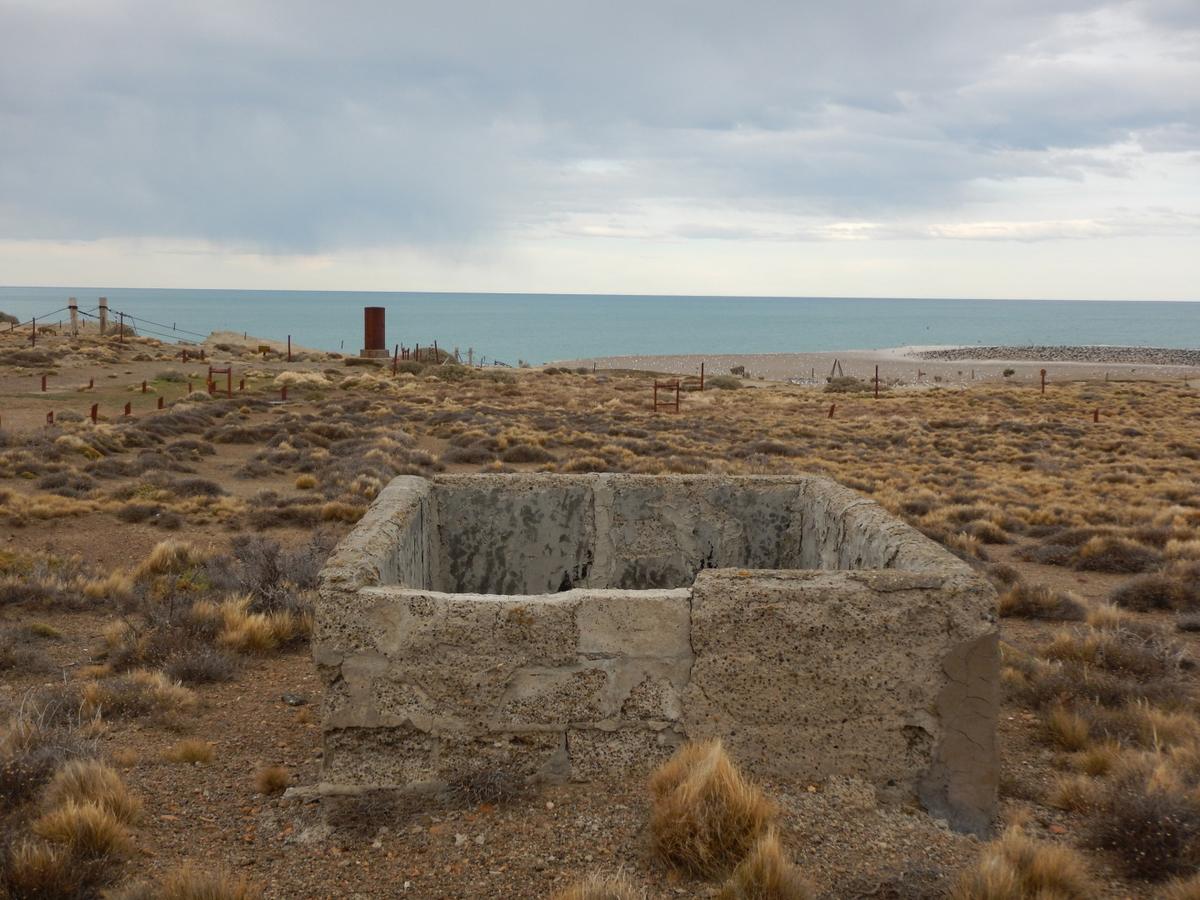
The park’s interpretation center now sits inside the old shearing shed at the former ranch headquarters. From the trailhead, a walk of about 1.5 miles (2.5 kilometers) across the steppe leads to the colony viewpoint.
A marine park awaits deputies
Protection could extend into the water facing the old ranch. In September 2026, the National Parks Administration reported a unanimous Senate vote for the Monte León Interjurisdictional Marine Park. The bill then moved to the Chamber of Deputies for final approval.
The agency says the area would protect macroalgae forests and rocky reefs, along with feeding and breeding zones. It would also improve connections with other protected waters.
Argentina and Santa Cruz have done this twice before, with the Isla Pingüino and Makenke marine parks. Those cover 159,526 and 71,272 hectares. The agency’s statement gives no size for the Monte León proposal.
No penguin trend on record
More than 40,000 pairs means over 80,000 breeding adults, and another official page says about 46,000 pairs. Neither page gives a survey date or a trend. The published figures therefore cannot show that removing livestock enlarged the colony.
Grazing was also only one pressure. The 2002 plan cites more than 40,000 Magellanic penguin deaths a year from oil spills along the Atlantic coast between 1983 and 1990. People consulted for the plan had also noticed fewer birds in one heavily visited sector.
Colonies can shrink for reasons no fence will stop, as a chinstrap colony that lost 63 percent of its breeders has shown. The official sources also disagree on the ranch’s end. The heritage page says livestock operations ran until 1996, while the plan keeps sheep on the land through 2001.
Photo: Parques Nacionales de Argentina