A battery for balcony solar panels is not the kind of thing most shoppers expect to see near a discount retailer’s seasonal deals. Yet Lidl has moved in that direction in Germany, offering a compact solar storage unit for about $350 as more households look for ways to keep the electric bill under control.
The bigger story is not that one retailer has a new gadget. It is that small home batteries are starting to look less like specialist equipment and more like everyday consumer products. For apartment dwellers, that could matter a lot.
A cheap solar battery
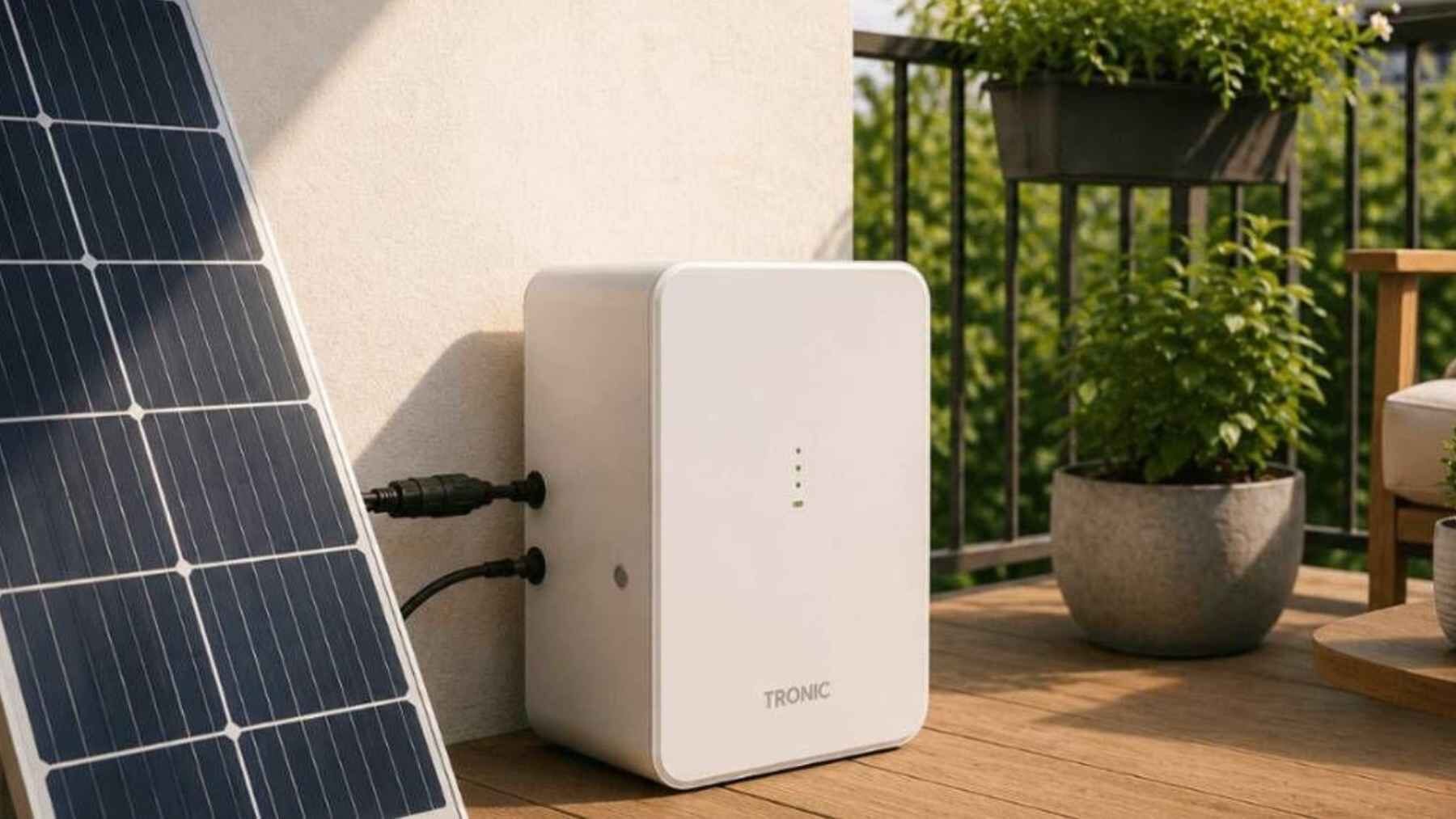
The new Tronic solar storage unit has a capacity of 2.24 kilowatt-hours, which means it can store a modest amount of electricity for later use. A kilowatt-hour is simply a unit for measuring stored power, a bit like gallons measure fuel.
PV Magazine Germany, with reporting by François Puthod, Sandra Enkhardt, and Tristan Rayner, said the battery was promoted at about $350 for Lidl Plus users, while an app-controlled version costs about $465. The app version is listed by Lidl’s German online store at about $465, and the product page shows it as sold out online.
How it works
So, what does a balcony solar battery actually do? In simple terms, it saves solar electricity made during the day so it can be used later, when people are home, cooking dinner, charging phones, or running lights.
This matters because small solar panels often make power when nobody is using much of it. Without storage, some of that energy may be wasted or sent away for little benefit. With storage, the household gets a better shot at using its own sunshine.
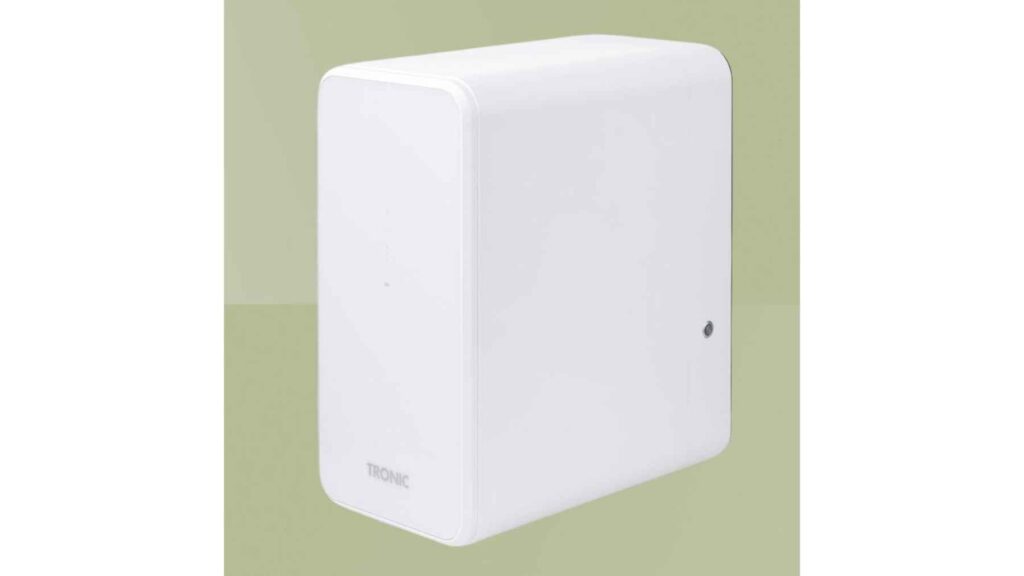
The Tronic 2.24 kWh battery sold by Lidl Germany provides compact energy storage for balcony solar systems, allowing households to use more of their self-generated electricity.
The key specs
The battery can take in up to 1,000 watts from solar panels and send out up to 800 watts through the system. Those numbers describe how quickly it can charge and how much power it can pass along at one time, not how long it will run every appliance.
It is also compact by home-battery standards. The unit measures about 12.2 inches by 6.7 inches by 13.8 inches and weighs about 44 pounds, making it more like a heavy suitcase than a wall-sized backup system.
Not a stand-alone fix
Here is the catch. The battery does not do much by itself. It needs solar panels on one side and a microinverter on the other, which is the small device that changes solar power into electricity a home circuit can use.
Marstek Energy says its comparable B2500 balcony storage system must be used with solar panels and microinverters to form a complete setup. That is why buyers should think of this as one part of a small energy system, not a magic box for the whole apartment.
Why Germany matters
Germany is a useful test case because balcony solar is already part of everyday life there. The German Federal Network Agency said about 430,000 new plug-in balcony solar panel installations were registered in 2025 alone, accounting for about 3.2 percent of the country’s new solar capacity that year.
Rules have also become friendlier to small systems. Germany allows plug-in solar devices under special rules when the connected panel capacity is no more than 2,000 watts and inverter output is limited to 800 volt-amperes, a technical limit that is close to 800 watts for typical household use.
The bill is the hook
For most families, this is not only about climate goals. It is about the electric bill that lands every month, especially when summer heat pushes fans and air conditioning harder than usual.
Eurostat reported that EU household electricity prices in late 2025 remained well above levels seen before the 2022 energy crisis. Germany had one of the highest household electricity prices in the bloc, at roughly $45 per 100 kilowatt-hours when converted to U.S. dollars.
Backup has limits
The word “backup” needs a little caution here. A small balcony battery can help shift solar power into the evening, and it may support limited emergency use if the full system is designed for it.
But standard grid-tied solar equipment often shuts down during an outage for safety, a feature known as anti-islanding. In plain English, it keeps power from flowing into lines that utility workers may be repairing.
A supermarket signal
Like many Lidl products, the appeal is the price. Similar balcony storage systems can cost more, and some rivals add bigger capacity or built-in inverter features, but the discount-store angle makes this launch feel different.
At the end of the day, what this product is trying to do is simple. It gives households with tiny outdoor spaces a cheaper way to keep more of the solar power they already make. Small step, big signal.
What comes next
There is no confirmed wider rollout beyond Germany for this specific product. Still, if demand stays strong, other markets may watch closely, especially countries where apartment living, high electricity prices, and interest in plug-in solar are starting to meet in the same place.
For now, Lidl’s battery is best understood as a practical accessory for people who already have, or plan to install, balcony solar panels. Not a whole-home power station. Not a cure for Europe’s energy problems. But maybe a glimpse of where home energy is heading.
The main official product listing has been published by Lidl Germany.