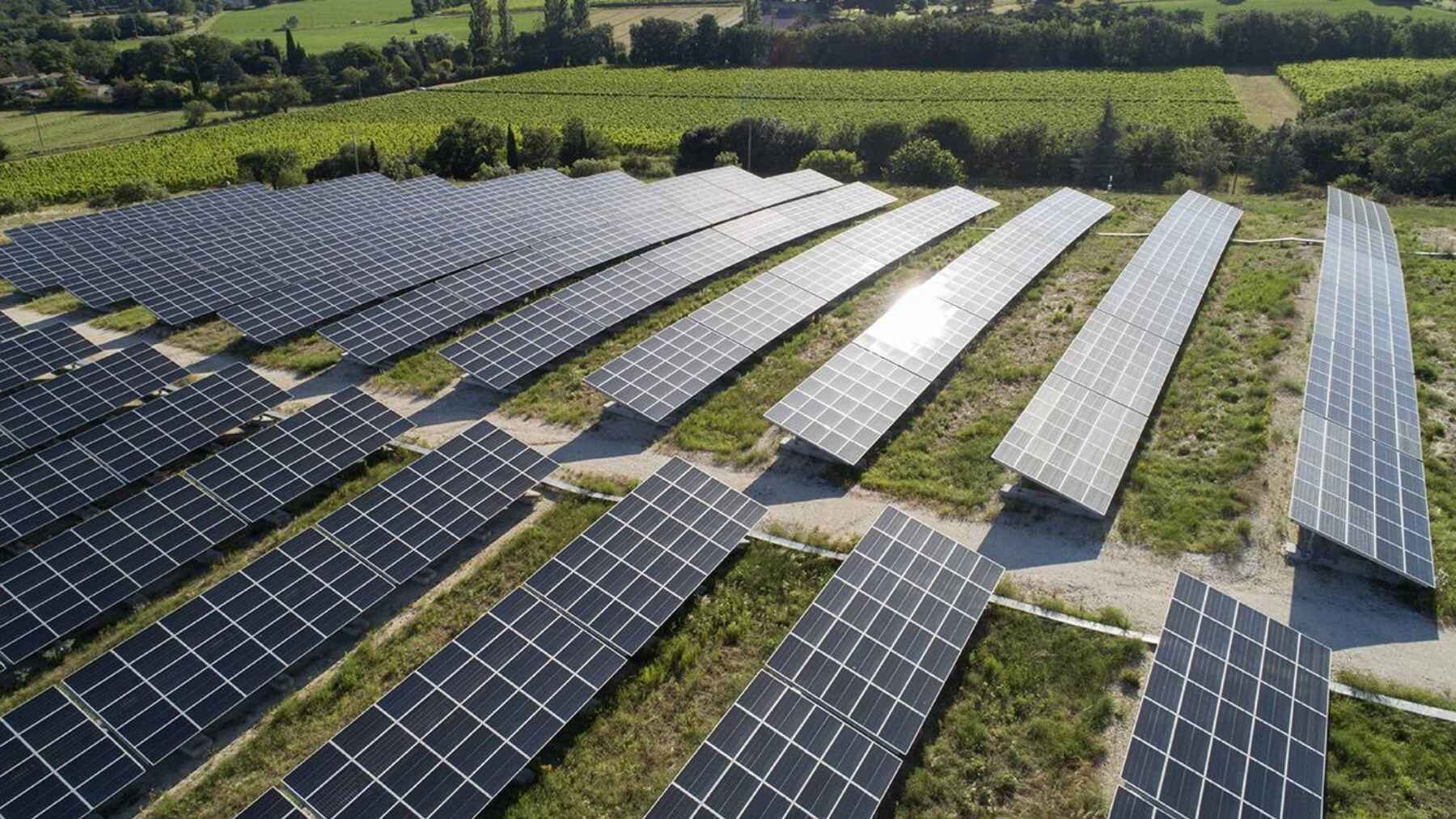
A proposed solar farm in northeastern Italy has turned a clean-energy project into a neighborhood fight. In Planais, near San Giorgio di Nogaro, families say nearly 14,000 photovoltaic panels could rise so close to their homes that daily life would change before their eyes.
The project would have a capacity of 7 megawatts and include solar modules, inverters, transformers, and electrical substations. The dispute is not about whether solar power matters. For residents, the question is simpler and more personal: how close is too close?
Solar panels at the doorstep
The planned photovoltaic park would be built on land in Carlino, while several nearby homes sit in San Giorgio di Nogaro. Around the area are industrial sites and other solar parks, which residents say already shape the landscape.
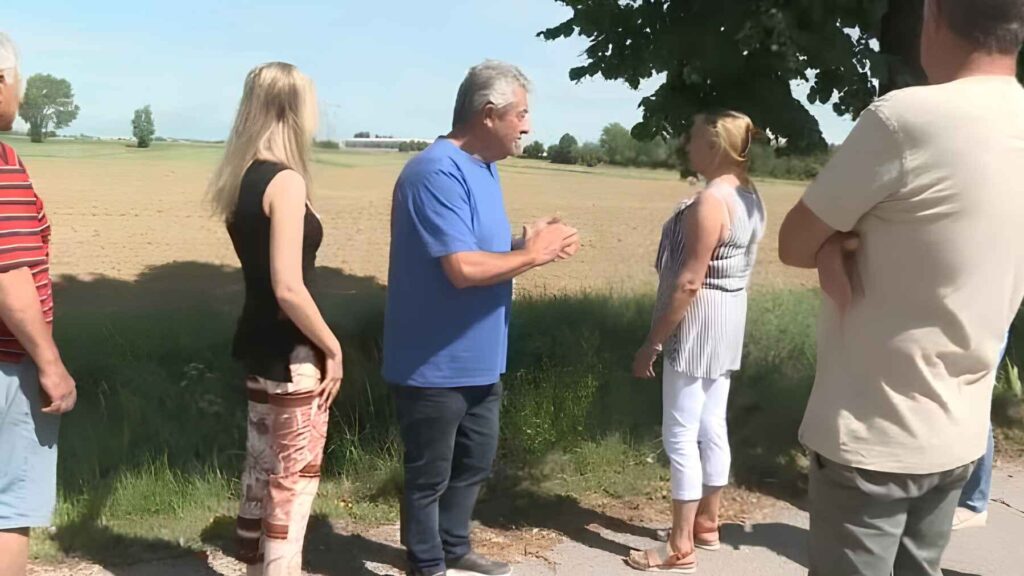
According to Rai News, two of the ten families that signed an appeal letter could end up almost completely surrounded by panels. One resident, Renzo Pezzan, said his home and his son’s home would face an especially direct impact.
His worry is not abstract. Pezzan pointed to a young child in the family and said she could grow up among solar panels, with more modules stretching from nearby land toward the woods.
A clean-energy dispute
Solar farms are part of Europe’s broader push to cut emissions and rely more on renewable power. The European Union has made climate neutrality by 2050 a legally binding target, meaning its member countries must move away from fossil fuels to a large extent.
That transition often becomes complicated at the local level, though. A solar panel on a factory roof may look like an easy win. A field of panels near bedroom windows is another matter.
That is why the Planais case has struck a nerve. Residents quoted by Rai News say they are not rejecting renewable energy itself, they are asking whether the project can be moved, redesigned, or pushed farther from homes.
Nearly 15-foot trackers
One of the biggest concerns involves solar tracking panels. These are panels that move during the day to follow the sun, helping them capture more light than fixed panels.
In this project, the tracking structures could reach nearly 15 ft. high. That is taller than many people expect when they picture a solar panel, and it helps explain why neighbors fear the plant could dominate their view.
Luciana Barbiero told Rai News residents are “not against it,” but they object to panels placed right next to homes. She also raised concern that moving panels could reflect light toward houses.
Noise, light, and vibrations
Residents have also pointed to possible noise and light pollution. The project includes mitigation measures, but the families say they still worry about what daily life would feel like once the equipment is operating.
Giovanni Zanetti said a transformer cabin appears on the project map in front of his home. Even with protective measures, he fears residents may “always hear a vibration” from the equipment.
That concern may sound small from a distance. Up close, though, a low hum outside the house can become part of breakfast, homework, sleep, and summer evenings with the windows open.
Residents want documents
The families have requested access to the project documents. They say the people most exposed to the possible effects have been treated as “invisible” during the process.
The plant is going through a simplified municipal authorization process, according to Rai News. For residents, that has added to the feeling that decisions are moving faster than public discussion.
Marisa Barbiero said the community has already had to fight over noise and pollution in the area. Her message was blunt: residents “also have the right to live.”
Why rooftops matter
One argument from residents is especially practical. They say nearby industries do not have solar panels on their roofs, even though the area is already industrialized.
They are simply asking why open land near homes should be used before large industrial rooftops are covered. It is a familiar question in the renewable-energy debate, because clean power still needs space, wiring, maintenance access, and local approval.
That does not mean every rooftop can replace a ground-mounted solar farm. Roof strength, ownership, grid connections, and costs all matter. Still, for families looking out at fields near their homes, the point feels obvious.
What residents are asking for
The families are asking for the project to be relocated. If that does not happen, they want at least a buffer zone between the panels and nearby homes.
A buffer zone would not end the debate, but it could reduce the sense of being boxed in by infrastructure. It could also leave room for trees, screening, or other measures meant to soften the visual and acoustic impact.
At the end of the day, this is the heart of the conflict. The residents say the green transition should not come at the expense of public health, quality of life, or dignity.
A local fight with wider meaning
The Planais dispute is small compared with Europe’s energy challenge. Yet it shows why the clean-energy transition cannot be measured only in megawatts.
People may support solar power and still object when a project lands beside their homes. That tension is likely to appear again as countries try to build more renewable infrastructure quickly.
For now, the residents of Planais are waiting for answers from regional officials, the municipalities, and the Milan-based project developer. Their demand is not complicated. They want clean energy, but not a wall of panels at the front door.
The original report was published by Rai News.