Wind turbines were built to make electricity, but engineers now say their towers could do something far more unexpected. A new offshore design would place artificial intelligence data centers inside floating wind platforms, using the same structure to generate power and help cool the servers.
The idea comes as AI data centers are putting fresh pressure on electric grids, water supplies, and local communities. Aikido Technologies, a San Francisco-based floating wind startup, has unveiled a concept called AO60DC that combines offshore wind generation, battery storage, and AI computing in one unit at sea.
A new use for wind towers
Modern offshore wind turbines are already enormous machines. Some new designs rise more than 900 feet above the water, and their blades can stretch roughly the length of a football field.
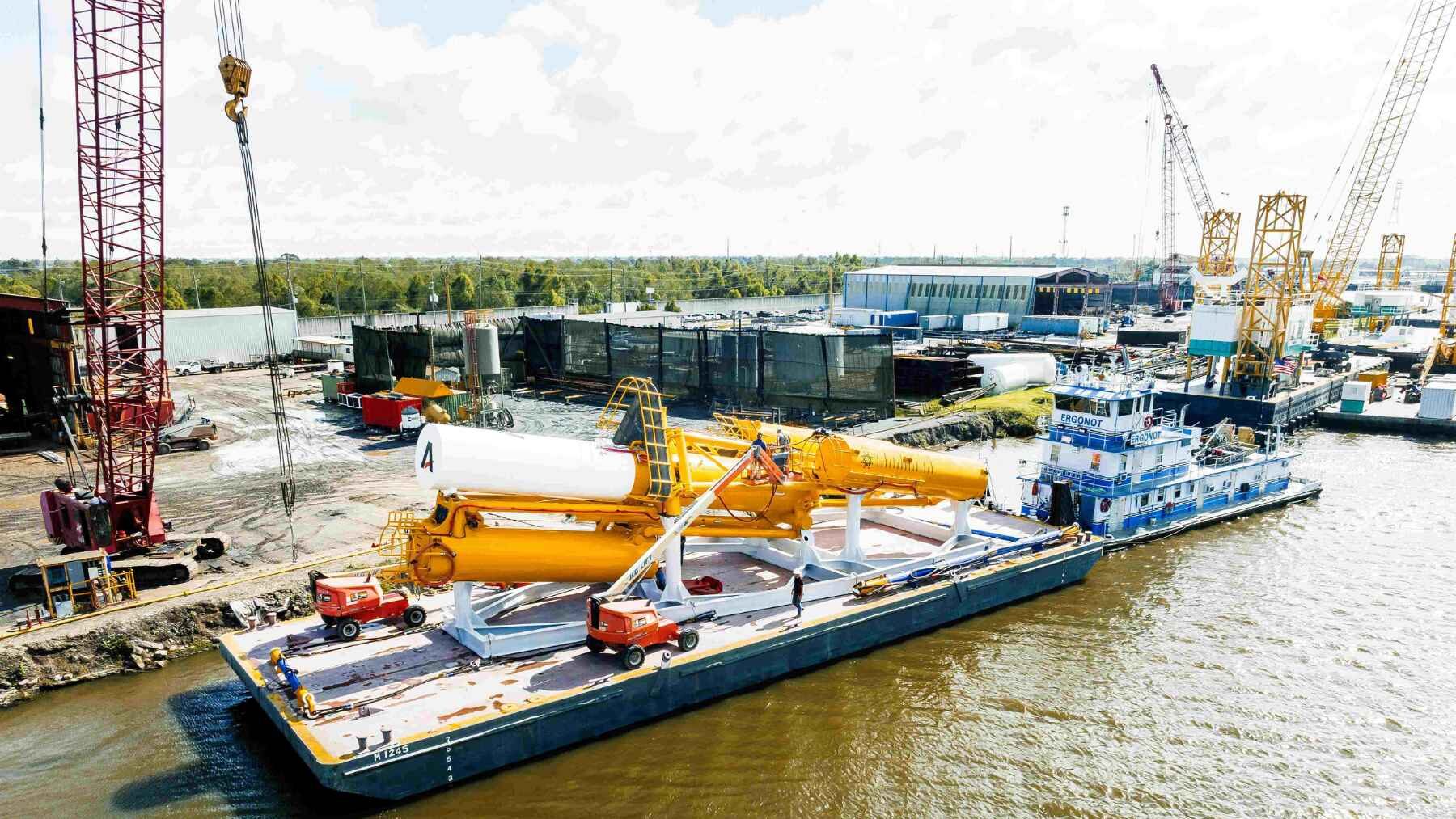
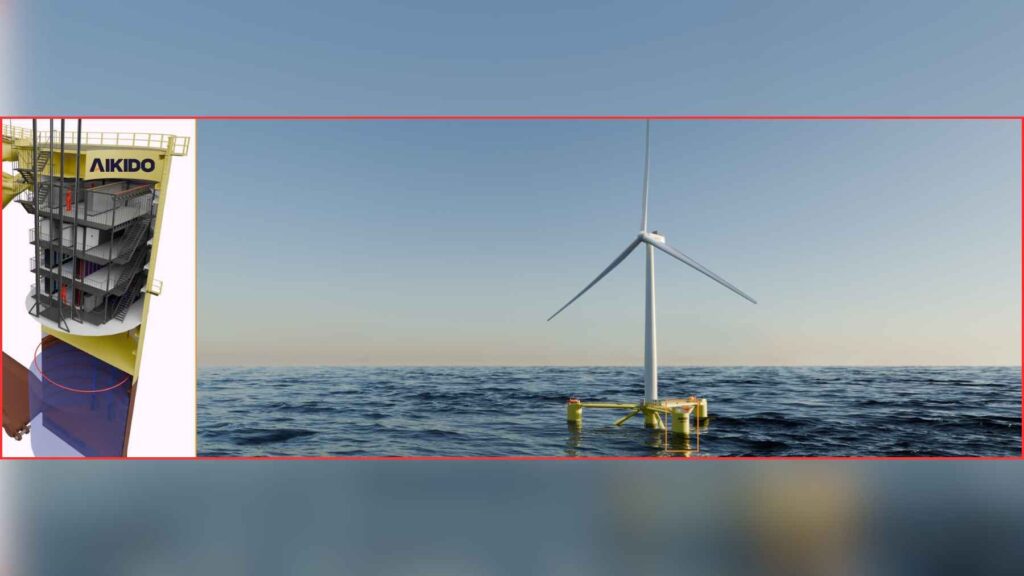
What if that huge floating base did more than hold up a turbine? In Aikido’s plan, the empty space inside the platform’s ballast tanks would become room for servers, wiring, cooling equipment, and other parts of an AI data center.
That matters because AI does not only need chips. It needs land, steady electricity, backup power, and cooling. Anyone who has felt a laptop heat up during a video call has seen the small version of the same problem.
Why AI needs so much power
The International Energy Agency says data centers used about 1.5% of global electricity in 2024. It also projects that their electricity use could more than double by 2030, reaching about 945 terawatt-hours, driven largely by AI and other digital services.
That growth is not spread evenly. The same report says the United States, China, and Europe are expected to remain the biggest regions for data center electricity demand, which means local grids can feel the pressure long before the global numbers sound dramatic.
Cooling is another everyday problem dressed up in industrial clothing. Google notes that data centers generate heat and must be cooled to operate, while the company now weighs local water risk before choosing water cooling, air cooling, or recycled water for new sites.
How the floating system works
Aikido’s AO60DC design is built around a floating offshore wind platform. According to OffshoreWIND.biz, each unit is designed to host 10 to 12 megawatts of AI computing capacity beside a 15- to 18-megawatt offshore wind turbine, with integrated battery storage to support operations.
Effectively, the turbine would produce power close to where the servers sit. Instead of building a huge data center on land, then fighting for a grid connection and cooling water, the system tries to put the “factory” for AI computing directly at the renewable power source.
Sam Kanner, CEO of Aikido Technologies, summed up the company’s offshore pitch in a simple line. “Before we go off-world, we should go offshore,” he said.
Cooling with the sea nearby
The cooling plan is the clever part. IEEE Spectrum reported that the data halls would sit in the upper part of three ballast tanks, while freshwater tanks below would help cool the servers through a liquid loop.
The warmed water would return to the ballast area, where surrounding cold ocean water would draw heat through the steel walls. So the seawater is not simply poured over the electronics, which would be a terrible idea for obvious salty reasons.
Still, this does not make the ocean a magic refrigerator. IEEE Spectrum also reported that some equipment would still need air conditioning, and that marine conditions bring corrosion, salt, debris, and possible fouling of metal parts.
Norway is the test bed
The project is not yet a full commercial data center floating off every coastline. Aikido’s first prototype is a 100 kilowatt unit expected to launch in the North Sea off Norway by the end of 2026, while a larger 15- to 18-megawatt project off the United Kingdom may follow in 2028.
The Norwegian link is important. METCentre, a marine energy test center in Haugesund, says Aikido’s floating wind concept is planned for testing at the Karmøy Test Site, where the company is working on a 15-megawatt demonstration platform called AO60.
Cecilia Girard-Vika, director at METCentre, said concepts that combine offshore energy production with digital infrastructure are “highly relevant.” She added, “We are excited to collaborate on this project.”
Why build data centers offshore
Land-based data centers can face pushback from neighbors over noise, traffic, power demand, backup generators, and water use. It is not hard to see why a town might worry when a giant server campus arrives and the electric bill is already a sore subject.
A floating setup could avoid some land conflicts by moving both the power source and the computing equipment offshore. Aikido says its platform also uses prefabricated data halls and a modular offshore structure, with the turbine and battery system installed on the center column.
However, offshore does not mean impact free. Regulators and engineers would still need to examine heat discharge, marine maintenance, storm exposure, grid backup, security, and the cost of keeping sensitive equipment running in rough seas.
What it could change
If the system works, it could give the wind industry a second role in the AI boom. Turbines would not just feed electricity into the grid, but also host the machines that train and run AI tools.
That could be useful for regions with strong offshore winds, limited land, and rising demand for local AI infrastructure. It may also help unlock stranded wind sites, meaning planned or distressed offshore energy locations that are hard to connect or finance under older models.
For now, the idea is still closer to a serious engineering test than a finished solution. It points to a larger shift, however. AI is forcing energy, water, and computing to be planned together, not as separate problems.
The official press release has been published on Aikido Technologies’s website.