Could ordinary salt become one of the materials that shapes the next energy boom? A new Morgan Stanley report argues that sodium-ion batteries are moving from lab curiosity to industrial strategy, with possible effects on power grids, electric vehicles, and the minerals market.
The bank projects that sodium battery demand could reach 830 gigawatt-hours a year by 2030 and 2.4 terawatt-hours by 2035, with a more bullish case near 3.7 terawatt-hours. It also points to an investment cycle of around 800 billion U.S. dollars by 2035, driven by cheaper materials and the need for more storage as data centers, AI, and electrification put pressure on the grid.
Why salt is in the battery race
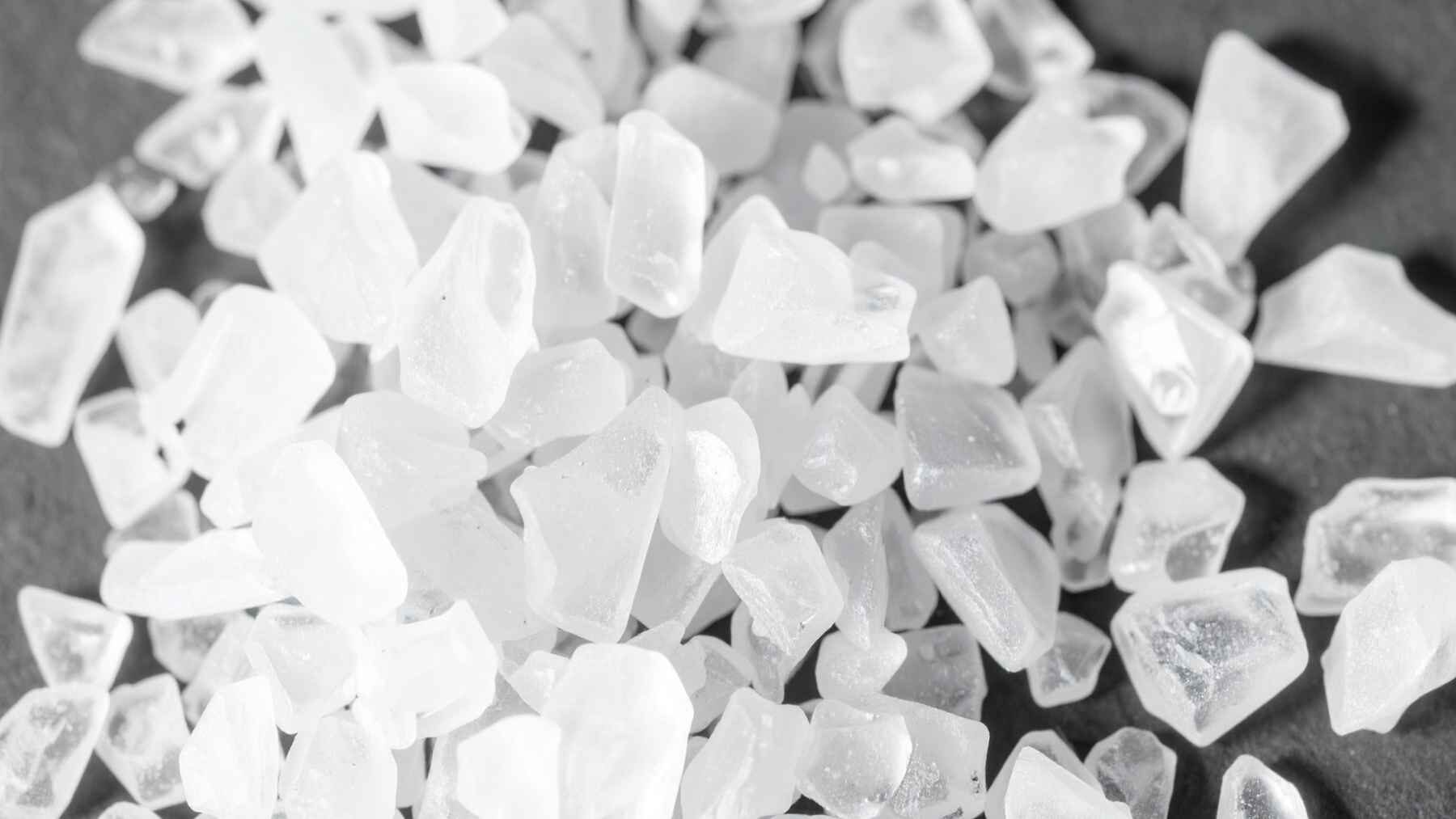
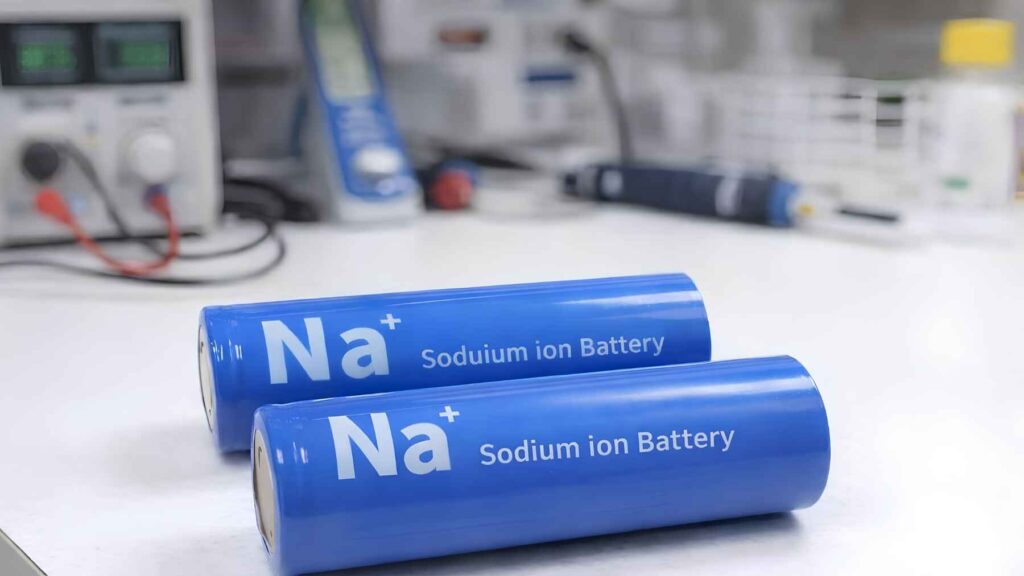
A sodium-ion battery works much like a lithium-ion battery. During charging, tiny charged particles move through the battery, storing energy, and during use, they move back and release electricity. The key difference is the main moving ingredient, sodium, which is widely available in common minerals and salt.
That matters because the battery industry has spent years depending on materials such as lithium, graphite, copper, and nickel. When demand rises quickly, prices can swing and supply chains can feel fragile. What if some of that pressure could be eased with a material found almost everywhere?
The cost story is simple
The biggest attraction starts with price. Morgan Stanley estimates that sodium-ion batteries could cost 30 to 40 percent less than lithium iron phosphate batteries, which are widely used in electric vehicles and grid storage today.
For utilities, cheaper storage can change the math. More batteries can store solar power during the day and release it when homes are using lights, air conditioning, and appliances at night. In practical terms, that can help when the electric bill meets that sticky summer heat we all know.
But cheaper on paper does not mean easy at factory scale. A Nature Energy study found that sodium-ion batteries may become cost competitive with low-cost lithium batteries in the 2030s, but only if research, manufacturing, and supply chains improve enough.
Cold weather could give sodium an opening
Anyone who has watched a phone battery collapse on a freezing day understands the problem. The International Energy Agency says sodium-ion batteries show significantly better low-temperature performance than lithium-ion batteries, especially lithium iron phosphate versions, with some new cells retaining around 90 percent of capacity at minus 40 degrees Fahrenheit.
That could make sodium useful for delivery vans, buses, and commercial fleets in colder regions. Less range loss means fewer charging headaches, fewer diesel engines idling in traffic jams, and less noise and exhaust in crowded streets. It is not glamorous. It is practical.
China is moving first
The center of gravity is already clear. The International Energy Agency says nearly all existing global sodium-ion manufacturing capacity is in China, and the country accounts for more than 95 percent of announced capacity for 2030.
In June 2026, Chinese manufacturer CATL unveiled its TENER Sodium energy storage system and said global deliveries are scheduled to begin in June 2027. The company described sodium and lithium as twin foundations for future energy storage.
The commercial signs are getting larger. In April 2026, the company signed a three-year deal to ship 60 gigawatt-hours of sodium-ion batteries to Beijing HyperStrong Technology for energy storage systems.
Lithium is not disappearing
A new battery chemistry does not erase an old one overnight. Lithium-ion batteries have had decades to improve, fall in cost, and build enormous supply chains. They still offer stronger energy density, which matters when drivers want long range without adding too much battery weight.
In the Nature Energy paper, Adrian Yao, Sally M. Benson, and William C. Chueh of Stanford University and SLAC National Accelerator Laboratory found that sodium’s timing depends heavily on mineral prices and technical progress. In other words, sodium may complement lithium before it competes with it head-on.
That sounds less dramatic, but it may be more realistic. The future battery market could look less like one winner and more like a toolbox, with different chemistries used for different jobs.
The commodity map could shift
If Morgan Stanley’s scenario plays out, the biggest shock may hit the materials market. The bank says sodium-ion batteries could reach about 20 percent of the battery market by 2030 and up to 37 percent by 2035, reducing demand pressure on lithium compounds in storage and lower-cost vehicles.
Copper foil and graphite producers could also feel the change, since sodium batteries can use aluminum and alternative carbon materials in some designs. For investors and governments, that is why this is more than a chemistry story. It is a supply chain story.
There is a catch, though. The International Energy Agency warns that some sodium-ion chemistries still rely on critical minerals such as nickel and manganese, and manufacturing remains highly concentrated. Sodium helps with scarcity, but it does not magically remove every bottleneck.
What it could mean for everyday power
For ordinary people, the biggest impact may not be the battery inside a car. It may be the battery sitting quietly beside a solar farm, a wind project, or a neighborhood substation. If storage gets cheaper, renewable power becomes easier to use when the sun is down or the wind is weak.
For governments, the issue is resilience. Energy security is no longer only about oil tankers and gas pipelines. It is also about who can build batteries, where the materials come from, and whether the grid can handle rising demand from AI, factories, and electric transportation.
For automakers, sodium could make the most sense in compact cars and work vehicles where cost matters more than maximum range. Not every driver needs the longest-range electric vehicle. Sometimes the better question is whether the car is affordable, reliable, and easy to charge.
Salt batteries are now a serious test
The boldest part of Morgan Stanley’s message is not that sodium beats lithium everywhere. It is that sodium could unlock new demand in places where today’s batteries are still too costly, too exposed to commodity swings, or too weak in cold weather.
The next few years will show whether the technology can move from promising charts to dependable factories, contracts, and real-world performance. Salt is common. Making it the foundation of a global battery industry is not.
The main market report behind this article has been published by Morgan Stanley and reported by the Financial Times.