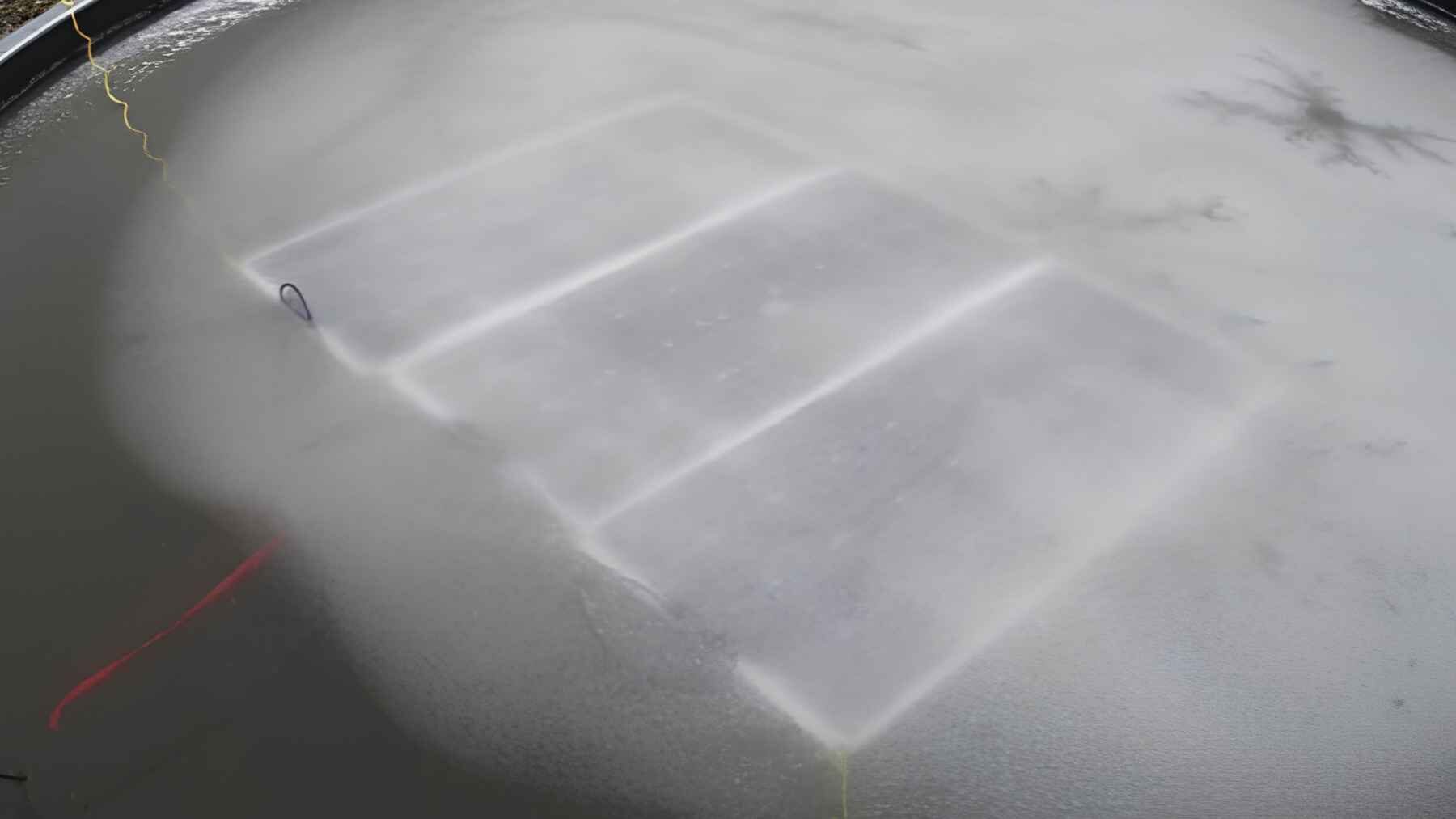
Solar power and frozen water do not sound like natural partners. Yet a new Canadian experiment suggests they can work together, even through snow, ice, and the kind of winter that usually makes outdoor technology sweat.
Researchers tested a small floating solar plant on a stormwater pond in Ontario and found that it kept producing electricity through cold weather. The key was not a fancy glass panel or a giant steel platform. It was waterproof foam, flexible solar modules, and a simple stream of air bubbles under the water.
Solar power on ice
Koami Soulemane Hayibo, Md Motakabbir Rahman, and Joshua M. Pearce at Western University led the project. Their goal was straightforward but difficult. Could floating solar panels keep working when a pond freezes over?
Floating solar, also called floating photovoltaic power, means placing solar panels on water instead of land. The idea can save space, reduce water loss, and sometimes help panels stay cooler, which can improve performance. However, in cold places, ice adds a problem that warmer regions do not face.
The Ontario test used a 7-kilowatt system on a stormwater pond. The study describes it as a foam-backed floating photovoltaic system built for a cold climate, with an air-bubbler system added to prevent ice from trapping or damaging the array.
How the foam works
Most floating solar installations rely on plastic pontoons, which are floating supports that hold panels above the water. This Canadian design took a different route. The team placed semi-flexible monocrystalline solar modules directly onto thick slabs of closed-cell polyethylene foam.
That matters because the panels sit close to the water and lie flat. Effectively, this can reduce exposure to wind, which is a serious issue for any floating structure. Anyone who has watched waves slap against a dock knows that water does not need to look dramatic to cause trouble.
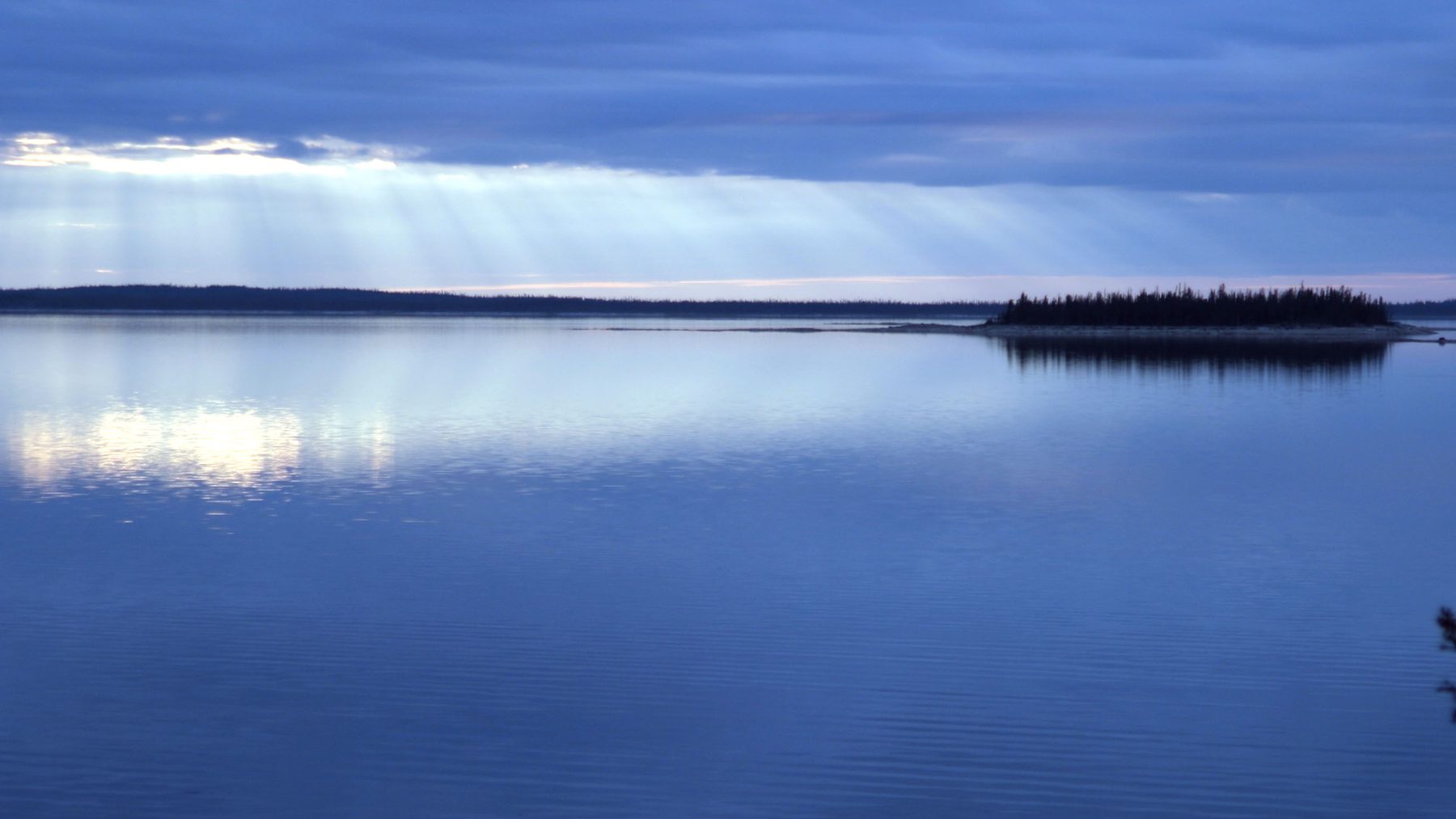
The experimental setup included 40 solar modules divided into four smaller arrays. According to pv magazine, the system floated on an artificial pond of about 15,900 square feet, with the modules sitting less than half an inch above the water surface.
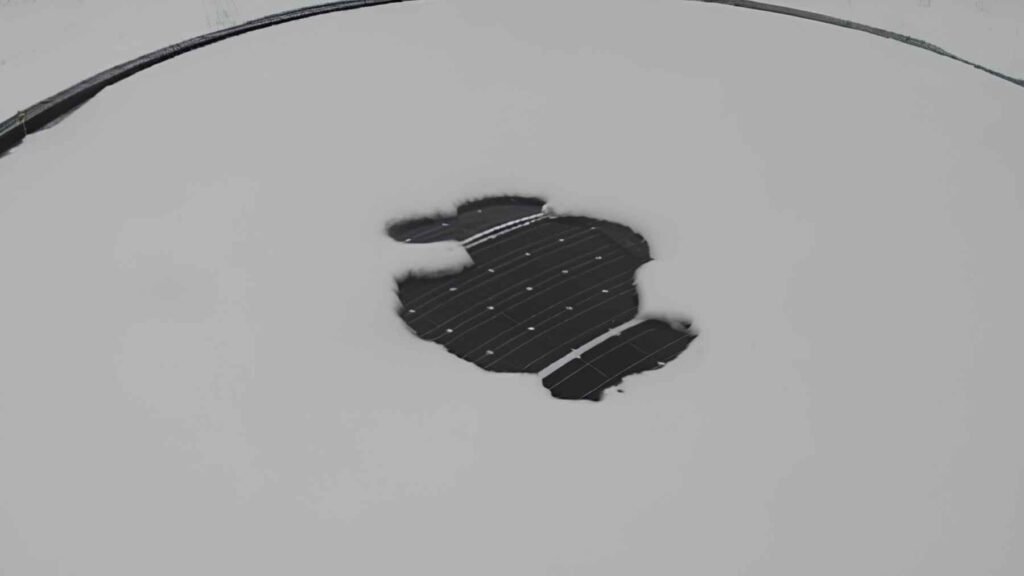
Bubbles kept ice away
The clever part sat under the panels. Air lines were placed below the floating array and connected to a pump on shore. The pump sent bubbles upward from deeper water toward the surface.
Why would bubbles help? In winter, deeper water can stay slightly warmer than the icy surface. As bubbles rise, they move some of that warmer water upward, keeping open water around the solar panels and reducing the chance that ice locks the structure in place.
“Floating solar can be technically feasible in cold Canadian conditions, but winter operation cannot be treated as a minor detail,” Hayibo said. That is the heart of the study. The system did not simply survive winter by luck. It had to be designed around winter from the start.
Small pond, real output
Over a full year, the floating solar system generated about 7,700 kilowatt-hours of electricity. That is not a giant power plant, of course. It is a pilot project, and its value comes from what it proves under real outdoor conditions.
The researchers found that the foam-backed floating system produced up to 2.7% more energy than comparison photovoltaic models. That may sound modest, but in solar power, small percentage gains matter when scaled across many panels and many years.
The air-bubbler system also used relatively little energy in the best operating case. The study reported a range from 0.02% to 14.5% of annual output, depending on how the bubbling strategy was modeled and operated.
Why water matters
Floating solar is not only about making electricity. It can also reduce evaporation by shading the water. That is a big deal for reservoirs, farm ponds, and other water systems where every gallon matters.
In the Ontario study, the array covered only about 3% of the pond. However, the researchers estimated that covering half the surface could save up to roughly 245,000 gallons of water per year. That is not abstract math in places where drought, irrigation, and rising electricity demand are already part of daily life.
This fits into a larger trend. A 2025 U.S. study on federally controlled reservoirs found that floating photovoltaic systems could play a meaningful role in future energy planning, especially where land use is limited and water infrastructure already exists.
Not ready for every lake
Still, this is not a green light to cover every pond with solar panels. The Ontario project was small, inland, and tested in a controlled setting. Bigger installations would face harder questions about long-term foam durability, wildlife, water quality, anchoring, snow buildup, and maintenance.
There is also the question of local conditions. A quiet stormwater pond is not the same as a windy reservoir or a lake with strong waves. The more extreme the site, the more engineering the system will need.
That is why the next step matters. The team argues that foam-based floating solar now needs larger tests across different bodies of water. It worked in this Canadian pond. The real test is whether it can stay reliable, affordable, and safe when the project grows.
Floating solar’s cold-climate test
At the end of the day, this experiment shows that winter does not have to stop floating solar. Foam helped the panels float close to the water. Bubbles helped keep ice away. Together, they made a simple but practical cold-weather design.
For people thinking about clean energy, the story is easy to understand. Solar panels do not have to sit only on rooftops, deserts, or farm fields. Sometimes, they can sit on water, even when that water wants to freeze.
The main study has been published in Applied Energy.