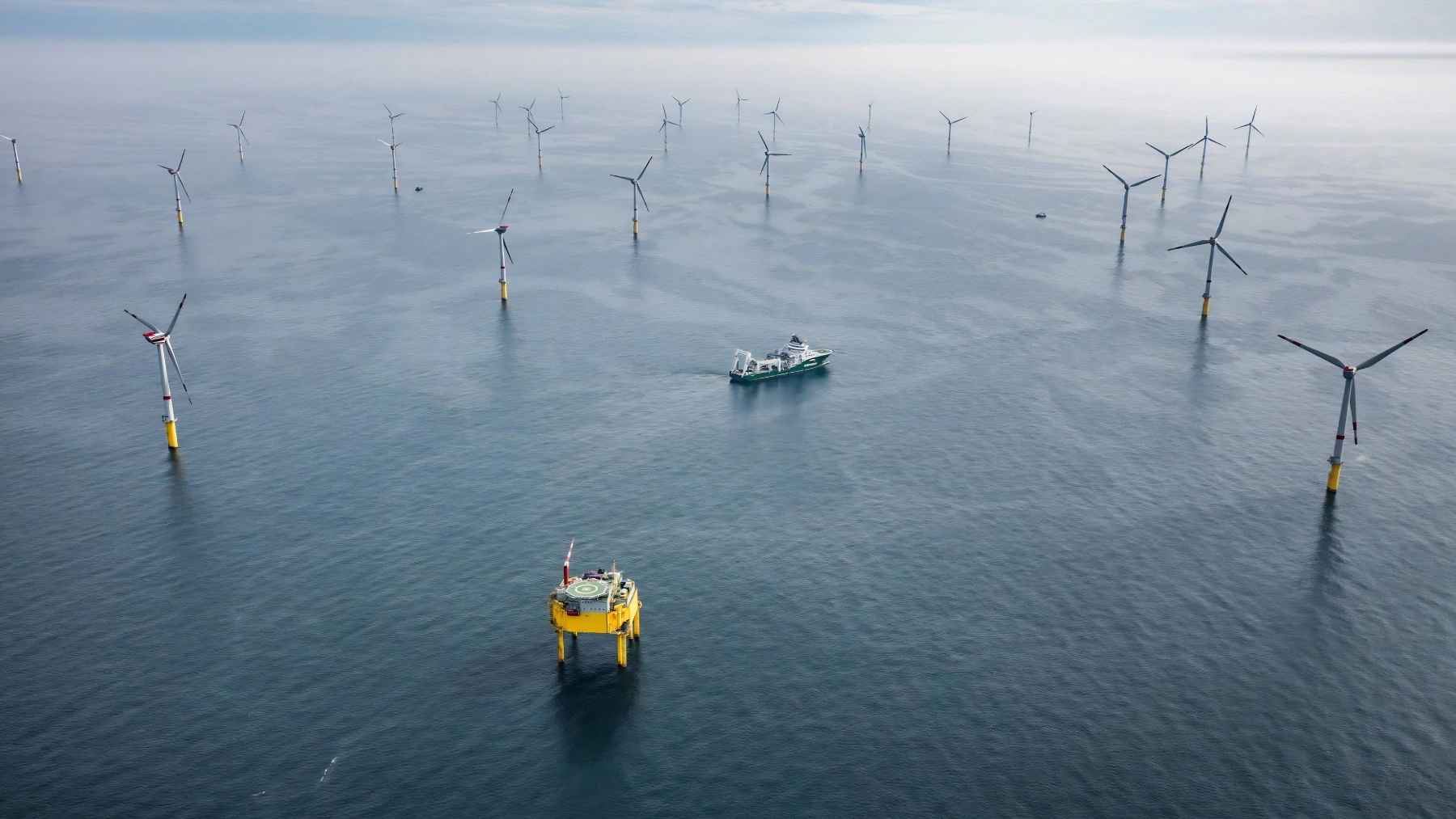
A new project in Sweden led by Stena Recycling and Vestas, achieved using chemicals to disassemble the gigantic blades of old wind turbines and separate their materials (like glass fibre, plastic and carbon). Although a big part of the eolic of the wind turbine of a wind farm is easily recycled, its blades are really difficult because they are enormous and their components are stuck like a solid block. What this type of recycling is doing is basically avoiding them ending up buried in the trash.
So yes, Stena Recycling and Vestas could prove with success that there is a process to separate the materials from the blades. The next step may be applying it on a bigger scale… Well, science is going on the right path!
Why wind turbine blades are so difficult to recycle
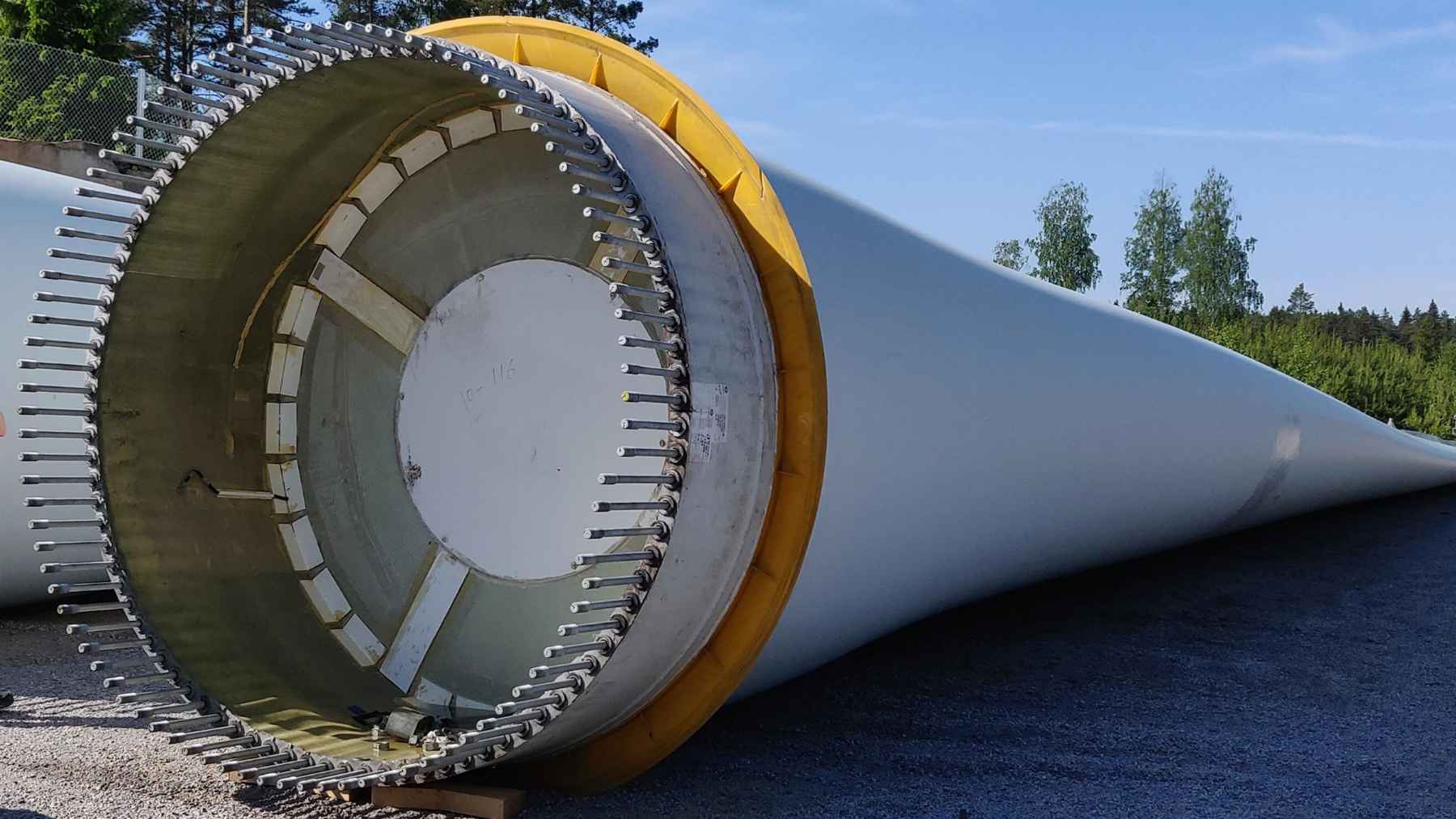
The first big problem is the size. Some blades, like the ones of the GE Vernova’s Haliade-X model, for you to have an idea, measure 107 meters. This means that a single blade is like an American football field, so for sure it cannot be folded to transport inside a truck.
The second problem is the material they are made of. Most of a turbine (85% to 90%) is made of metals that are easy to recycle, like iron, steel or aluminium, but the blades have fiberglass and plastics stuck with a very strong “glue” (resin).
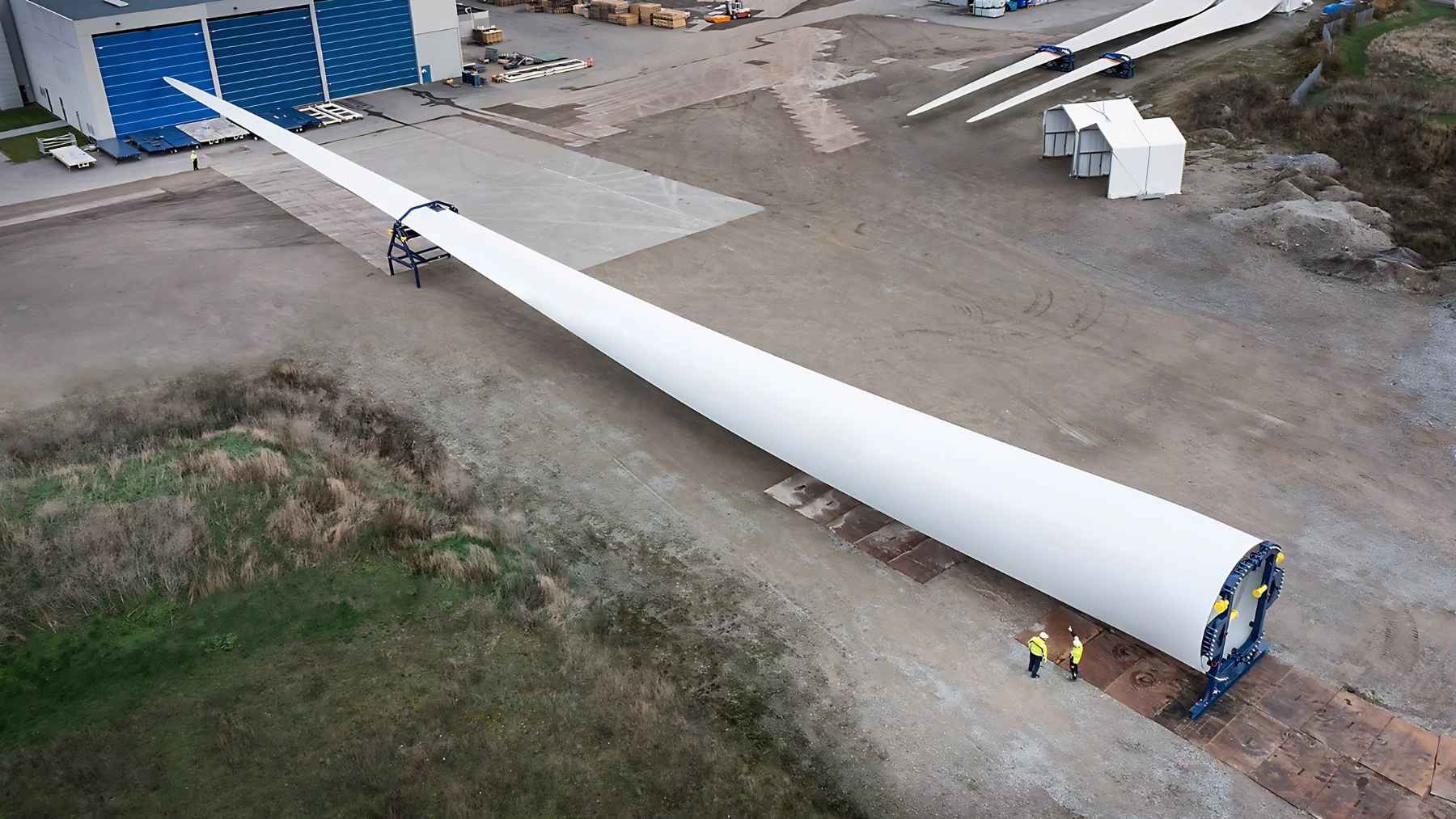
The thing here is that the resin is what keeps the blades from breaking during storms. So maybe it can be a nightmare to recycle them, but at least when they are needed, they are safe enough.
America’s first major retirement wave is arriving
The United States Wind Turbine Database registered more than 77,000 turbines working in 2026 and more than 12,000 that were decommissioned. Normally, a wind turbine can work between 25 and 30 years, but sometimes they change the blades earlier to put in more modern and larger machines.
Studies from the U.S Department of Energy calculate that by 2050, there could be between 200,000 to 370,000 tons of old blades collected every year only in the USA. For sure, it is not the most dangerous waste in the world, but it occupies a gigantic space. Also, cutting, moving, and storing the pieces of that size costs a lot of money.
Heat and chemistry are unlocking the trapped materials
To solve this situation there are two main possible paths. The first one (that comes from Tennessee-based Carbon Rivers) consists of heating the waste at high temperatures without oxygen. This way, they can separate the resin and rescue the fibreglass almost clean.
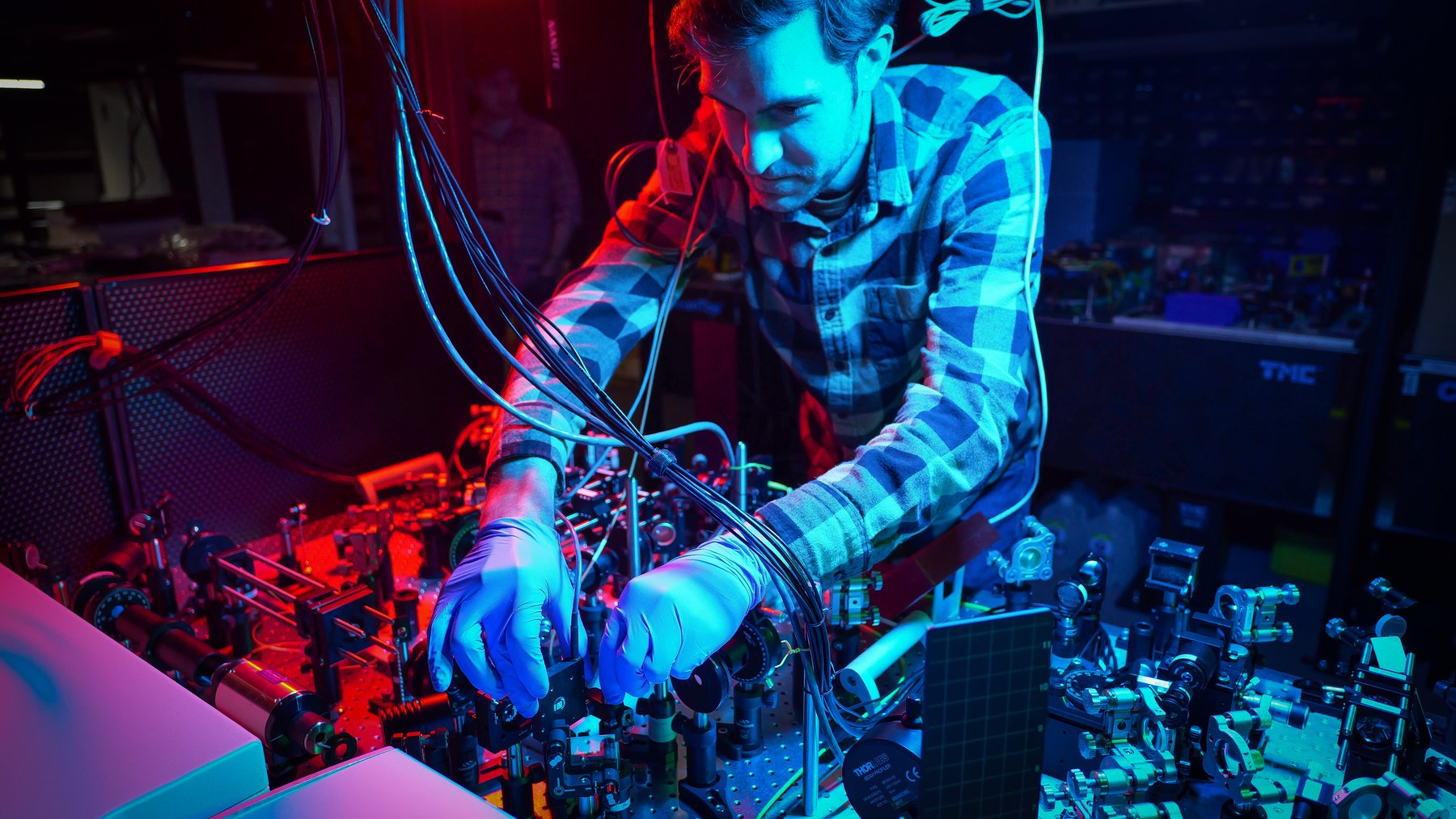
The second path is the Swedish project. Stena Recycling and Vestas say that their method separates the plastic, the fiberglass and the aluminum from the blades. They assure that the tests went well and that the method works outside the laboratory.
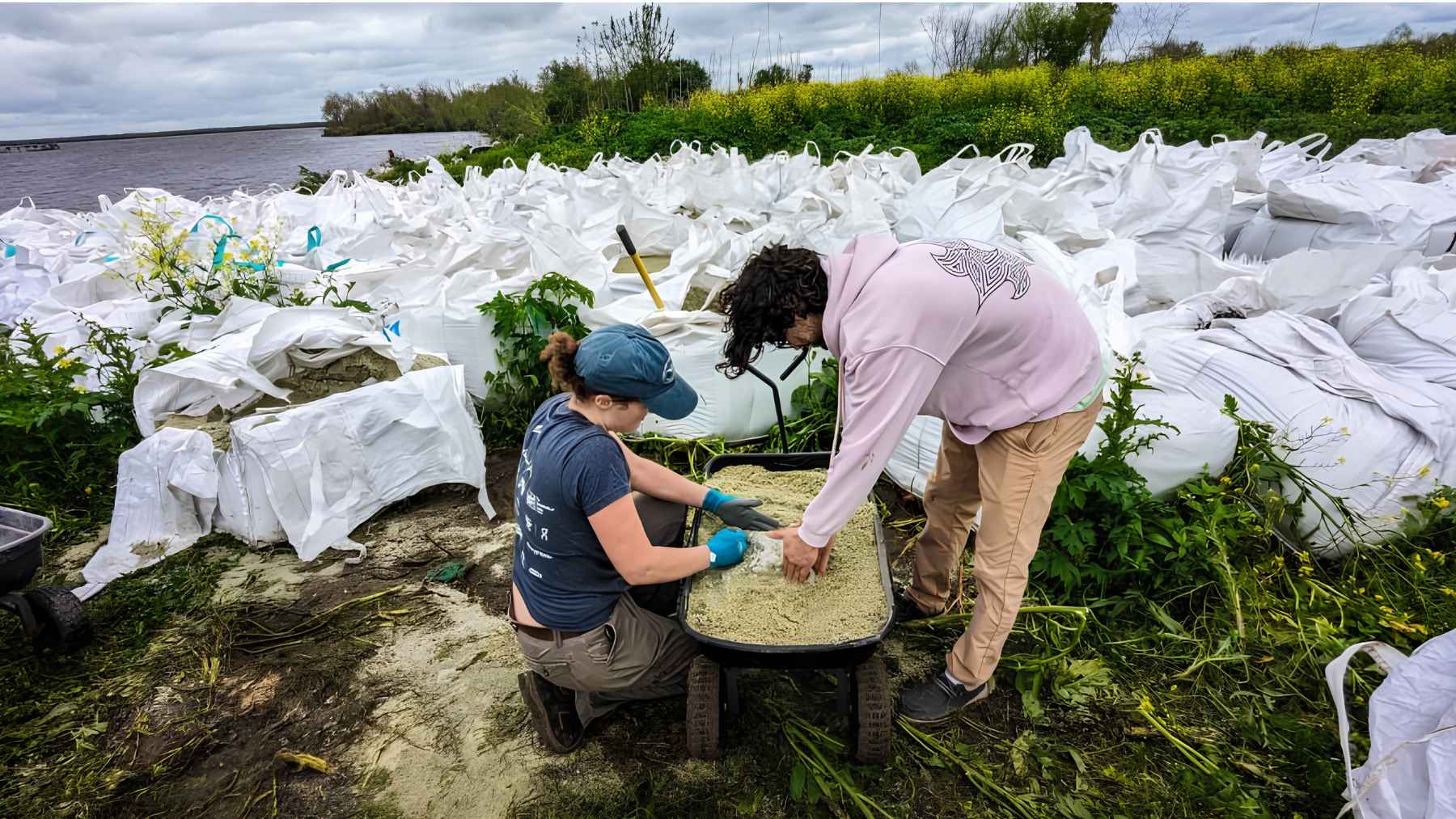
Also, there are other simple ideas: shredding the blades for cement production, or turning them into benches for the parks, bridges or shelters for bikes. This avoids the materials being thrown into the trash, but the ideal is to recover the original materials to make new things with a higher value.
The real test is building a market around the technology
Having technology in a laboratory is not everything. In real life, you need a nearby place for recycling, accessible trucks and buyers available to pay for that recycled fiberglass.
The laws are also helpful. Europe’s wind industry prohibited sending the the blades to landfills in 2026. WindEurope calculates that the amount of blades for recycling will increase a lot, so the rush to find solutions for these situations is not a theory anymore.
This does not mean that the wind power is unclean, or that the problem will be solved from the day to the night. What it shows is that the industry finally is being responsible for the final destination of its machines.