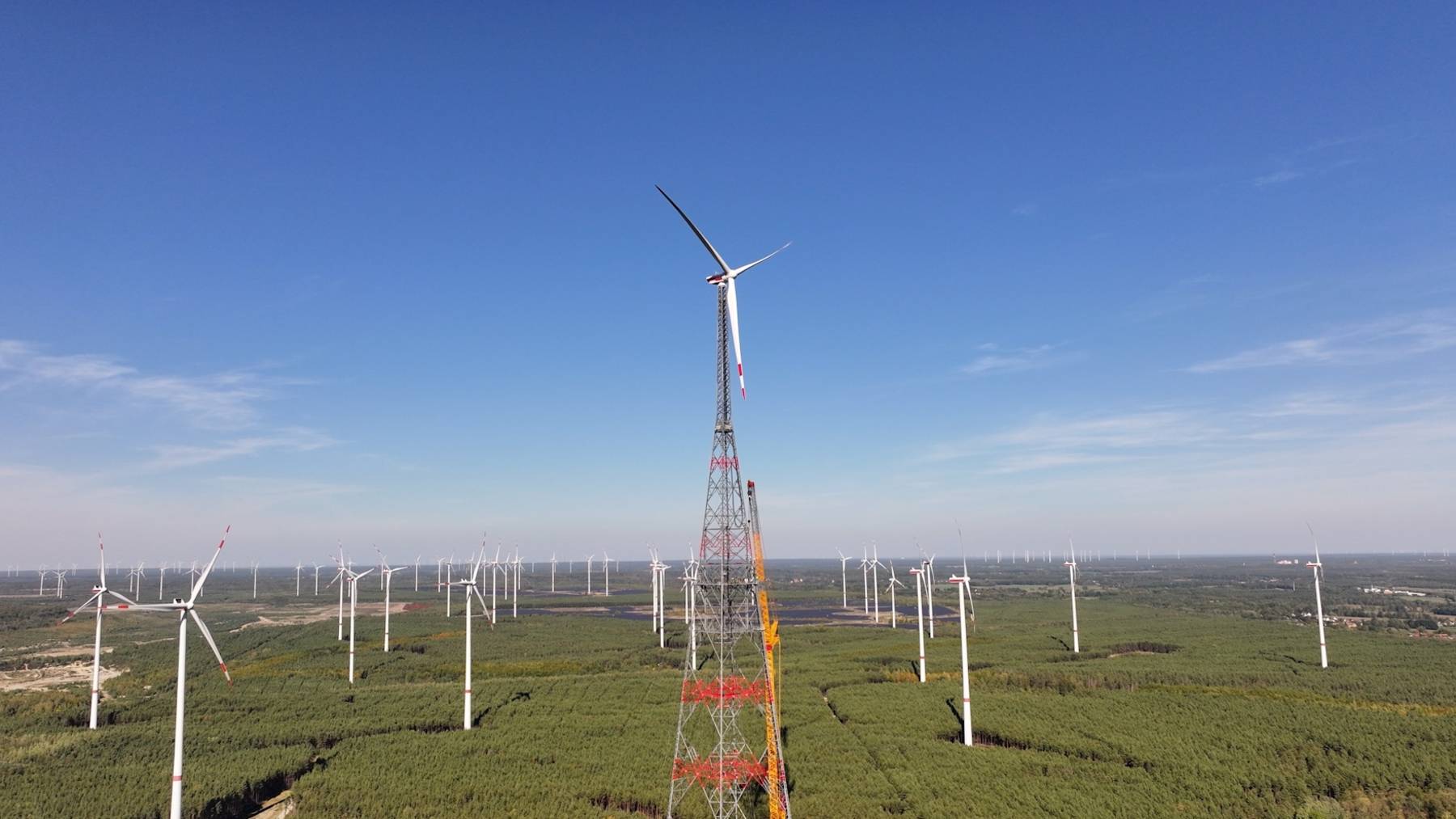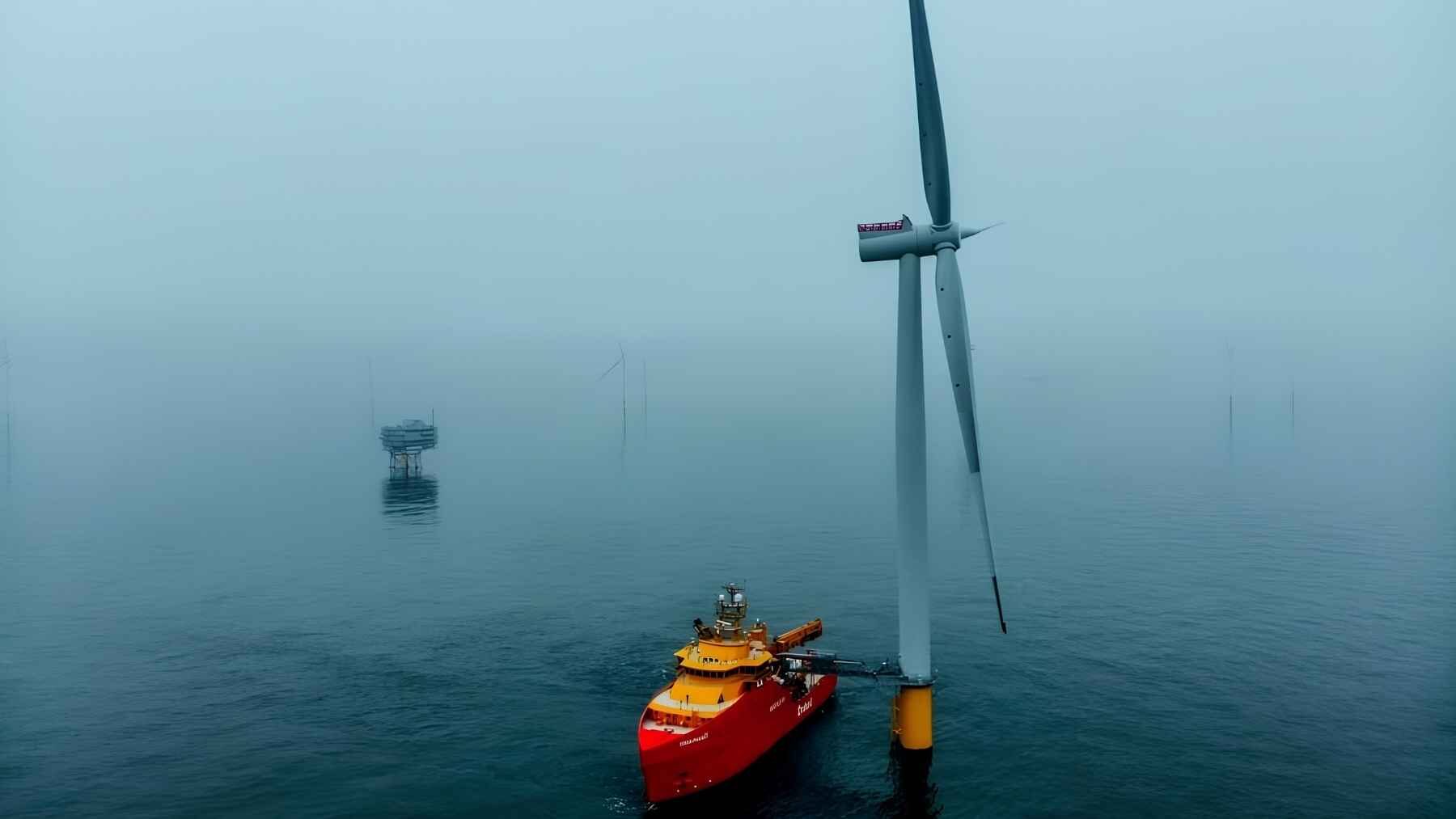
As wind farms increasingly move off land and out to sea, maritime authorities are noticing changes in sailing conditions. Navigators on the busy shipping lanes of the North Sea are dealing with more unpredictable mist and fog formation along with changes in currents and turbulence. Are wind turbines changing the weather?
While windmills cannot create moisture, researchers suggest that they redirect airflow and the way heat and moisture travel up and down in the atmosphere. This creates conditions that determine whether fog develops or dissipates.
Fog needs the right ingredients
Warm, moist air passing over cold water is what creates fog at sea. According to the Dutch meteorological institute KNMI, this is normal in spring when the water is still cold and the air is warming up.
When humidity is relatively low and the temperature is just right, a turbine can produce wake turbulence but no visible fog.
How turbines change the air
Wind farms effectively slow airflow by absorbing the force of the wind, creating turbulence. KNMI’s modeling system demonstrates the reduced wind speeds combined with higher vertical mixing can affect temperature and humidity.
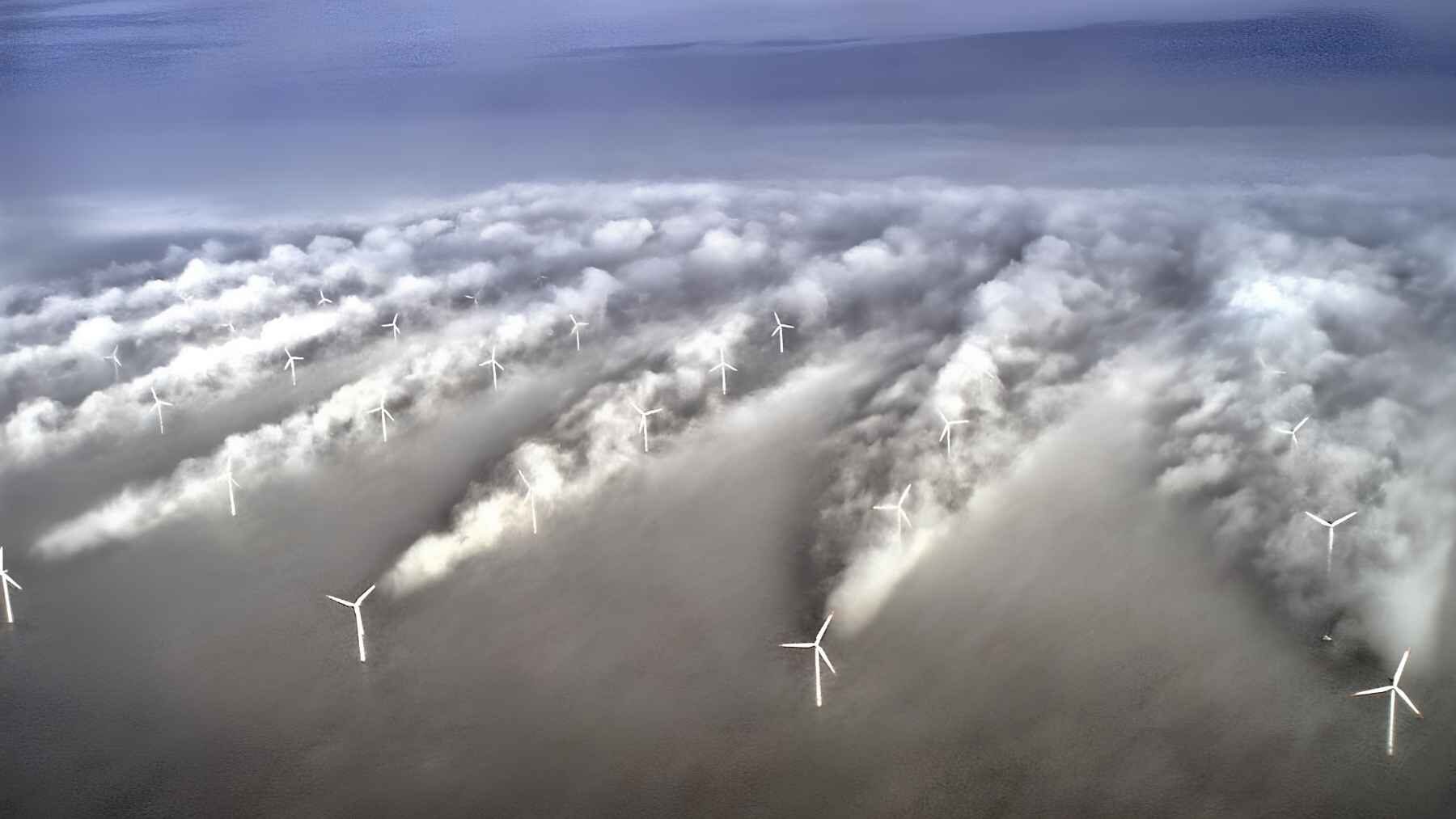
A 2013 study of the Horns Rev 1 wind farm showed that cold, humid air condensed in wake turbulence while warmer, moist air mixed upward, producing spiraling cloud trails similar to those created by rockets and other aircraft.
On the other hand, while studying the Horns Rev 2 farm in 2016, researchers documented almost the opposite phenomenon, where warmer, drier air mixed downward and cleared the fog. Yet another effect was discovered in a 2023 study, where a wind farm slowed airflow enough for fog to form before the turbine, rather than behind it.
What Dutch officials are studying
In cooperation with KNMI, Rijkswaterstaat’s HydroMeteo Center collects data on visibility, wind and turbulence, and waves and currents. Both agree that wind farms seem correlated with faster formation of mist and fog.
The purpose of their simulated exercises were aimed at how crews reacted to sudden fog events and poor visibility, however. There is not yet any definitive proof that wind farms cause fog.
The bigger shipping risk
The more imminent danger is the tightening of shipping lanes, as turbines are expected to increase from 700 in 2025 to about 1,700 by 2032.
In the not-so-distant future, ship captains may be asked to navigate an ever-crowding obstacle course while partially blindfolded. Add severe weather, mechanical difficulties, or dragging anchors, and collision risks will rise as maneuvering room shrinks with or without fog.
North Sea fog is declining overall
Fog hours have actually declined by 30 to 50 since the late 1990s at two monitoring sites in the North Sea. A recent KNMI study suggests this is due to cleaner air, meaning fewer particles for water droplets to attach themselves to.
The answer is not to stop building renewable energy systems at sea. Better monitoring with improved sensors and weather models, traffic control, and advance warnings could keep boats, crews, and equipment safe without impeding the march towards cleaner energy.
The latest official North Sea fog update was published by KNMI.