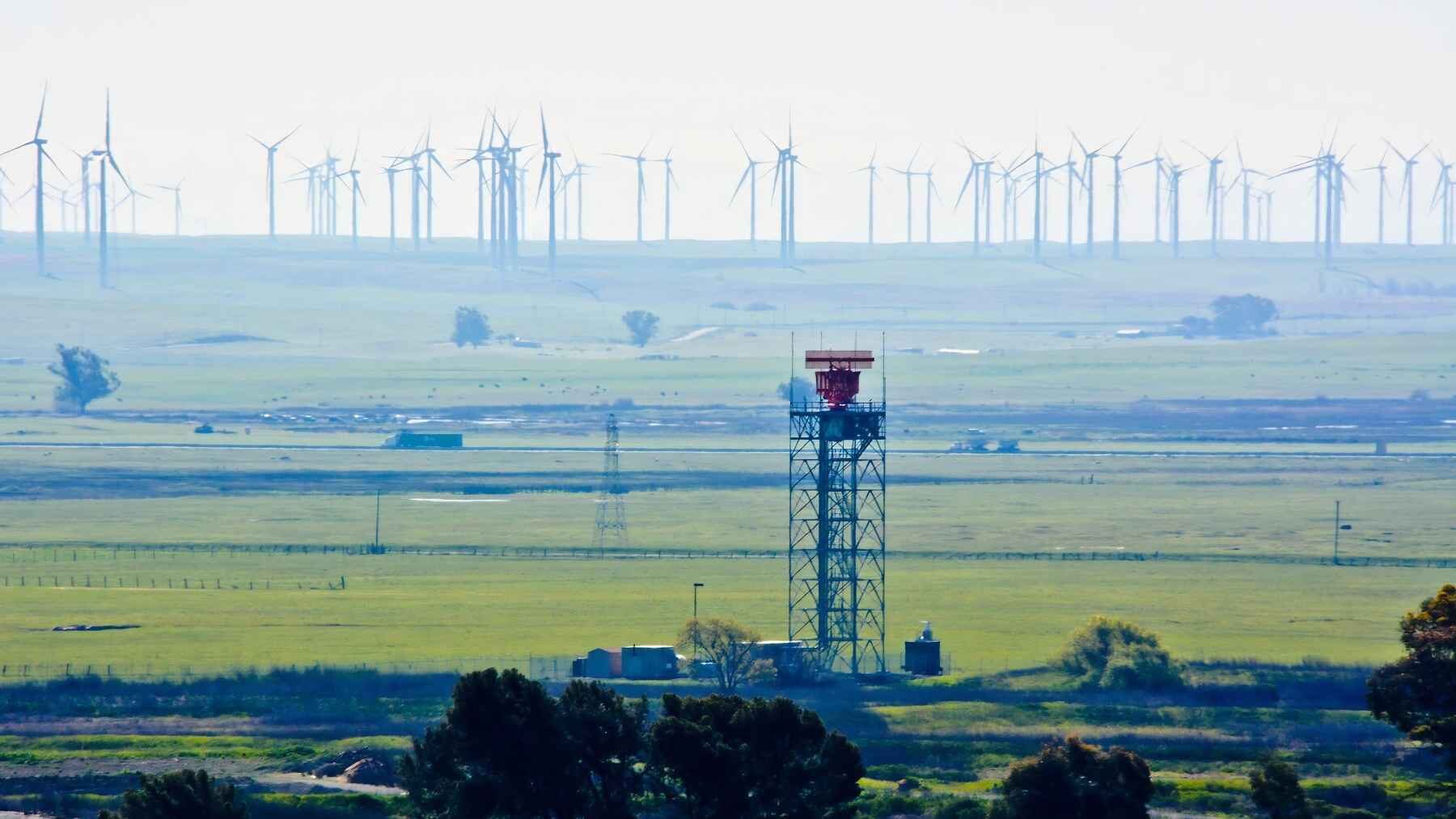
A quiet federal bottleneck has stalled at least 155 proposed onshore wind projects in 24 states, including developments in Texas, Colorado, and Washington. Together, they represent about 44 gigawatts of potential generating capacity, yet developers say construction cannot move ahead because military reviews needed within the Federal Aviation Administration’s aeronautical process remain unresolved. The freeze has lasted since around August 2025, with no public restart date.
The Pentagon says the delay is tied to national security and a fast-changing threat. Rotating blades and steel towers can clutter radar screens, while small drones flying low near a wind farm may be harder to separate from that background. The technical problem is real, but the dispute is whether it justifies stopping an entire national review system for nearly a year as estimated extra costs climb above $2 billion.
One review can stop everything
How can a paperwork delay stop a wind farm before a shovel touches the ground? Utility-scale turbines are generally tall enough to require federal aviation review, and the Pentagon’s siting clearinghouse examines whether proposed structures could affect military radar, training routes, or operations. Simply put, many projects cannot obtain a final “no hazard” finding until that work is complete.
That finding matters far beyond Washington. Banks, insurers, local permitting offices, turbine suppliers, and construction contractors all build their schedules around federal clearance, so an unresolved military review becomes an invisible off switch. Texas alone had 54 projects waiting in May, while the nationwide queue continued to grow.
Why turbines confuse radar
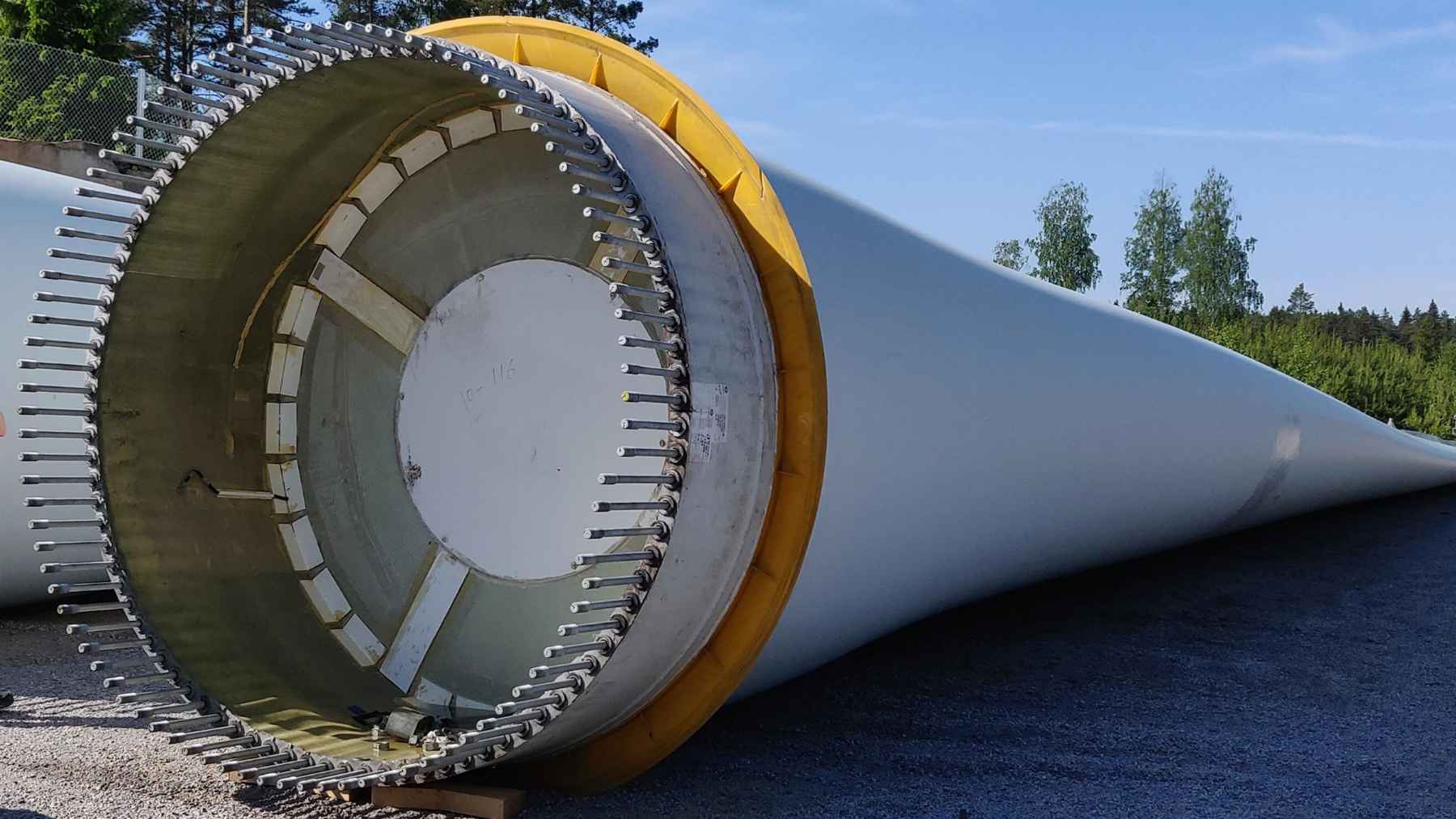
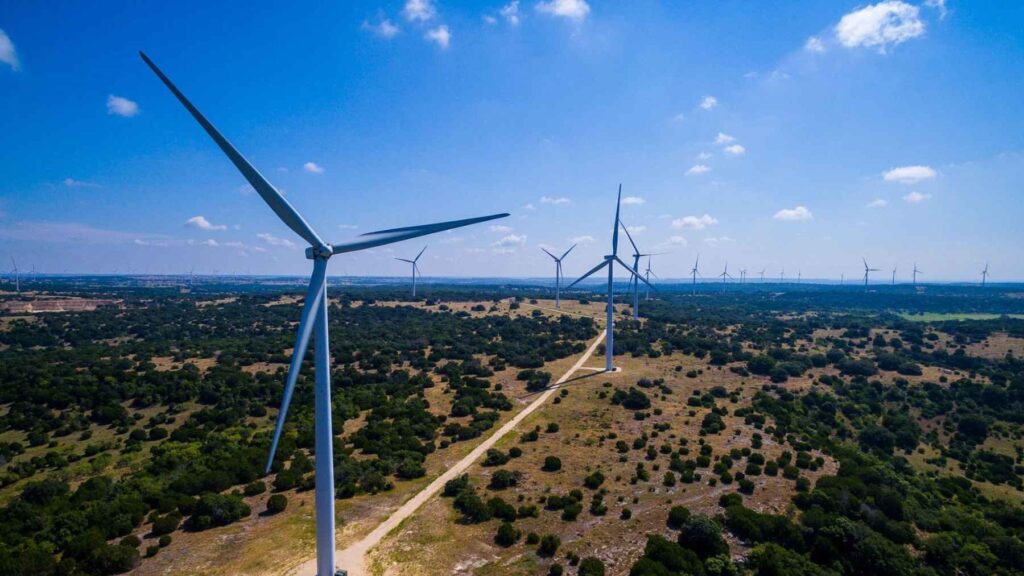
Radar works by sending out radio waves and reading the echoes that return. Spinning turbine blades create changing signals known as Doppler clutter, while large steel towers add strong reflections that can make aircraft or other moving objects harder to distinguish on some systems, according to an official federal assessment. Think of it as trying to spot one moving object through a field of flashing reflections.
For more than a decade, developers and military officials usually handled those conflicts project by project. Possible solutions included changing turbine locations, limiting operations in certain conditions, or paying for radar improvements, but the new concern involves small and slow drones that may demand sharper detection. Filtering out turbine signals could, in theory, also make a low-flying drone easier to miss.
The costs are piling up
The numbers have changed as more projects entered the backlog. A June economic analysis attached to the legal fight counted 106 projects in 21 states, putting about $47 billion in investment and more than 120,000 jobs at risk, while a later industry tally identified 155 projects in 24 states with 44 gigawatts of capacity. Developers now estimate that delays, broken schedules, financing expenses, and missed agreements have already added about $2 billion in costs.
Then came the calendar. Under the 2025 One Big Beautiful Bill Act and Internal Revenue Service guidance, starting construction by July 4, 2026, was critical for many wind projects seeking clean electricity tax credits, unless they can meet other timing requirements such as entering service before 2028. Missing that date can tear a hole in a financial plan negotiated years earlier, and those costs can eventually reach power buyers and the electric bill.
The freeze is now in court
Nine renewable energy groups filed a federal complaint in Oregon on May 31, arguing that the review slowdown functions as a nationwide ban even though no formal rule was announced. They want the court to order the normal process to resume. The Pentagon says the work is complex, and because it views the freeze as a delay rather than a rule, no public rulemaking is required, while its lawyers wrote, “This case at core is one of agency inaction, i.e., delay.”
Critics answer that a delay can operate like a policy when it affects an entire industry and has no stated end date. On July 16, 18 states and the District of Columbia moved to join the case, including Colorado and Washington, according to the Oregon Department of Justice litigation tracker. Their intervention does not decide the merits, but it increases pressure for a documented explanation and a workable timeline.
Offshore wind changed the stakes
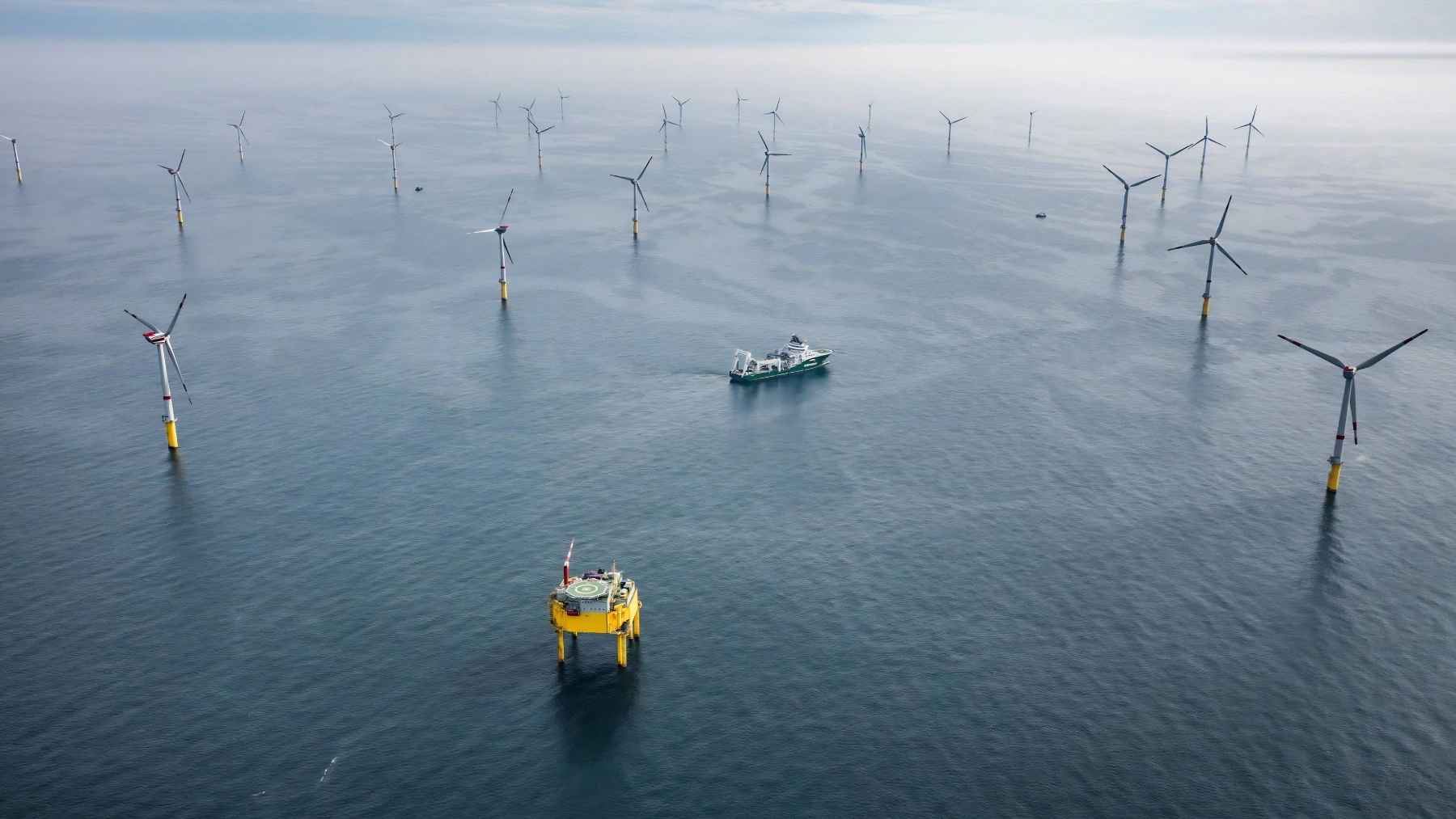
The land-based fight follows another clash over military radar. On Dec. 22, 2025, the Interior Department issued a pause affecting five offshore wind projects, citing risks described in classified defense reports. By early February, all five developers had secured preliminary court orders allowing construction to resume, and at least some judges had reviewed classified material before ruling.
Those offshore rulings do not automatically determine what will happen to onshore projects. Still, they show that judges may demand a project-specific legal and factual record rather than accept a broad national security claim on its own. The administration later announced several agreements reimbursing companies for abandoning offshore leases, and a recent tally placed the combined payments at about $2.6 billion for more than 11 gigawatts of planned capacity.
What happens next
The Oregon case could force the Pentagon to restart reviews, provide a fuller explanation, or defend the current pace under federal administrative law. No widespread cancellation of the stalled onshore projects has been reported so far, but each additional month raises financing costs and increases the risk that tax, grid connection, land, and equipment deadlines will expire. The clock matters here.
National security and new electricity supply do not have to be treated as opposite goals. For the most part, the earlier review system was designed to protect military operations while allowing individual projects to use technical fixes when possible. What the industry is asking for now is not the removal of radar safeguards, but a transparent standard, project-by-project decisions, and an end date for the freeze.
The original investigation was published by Grist.