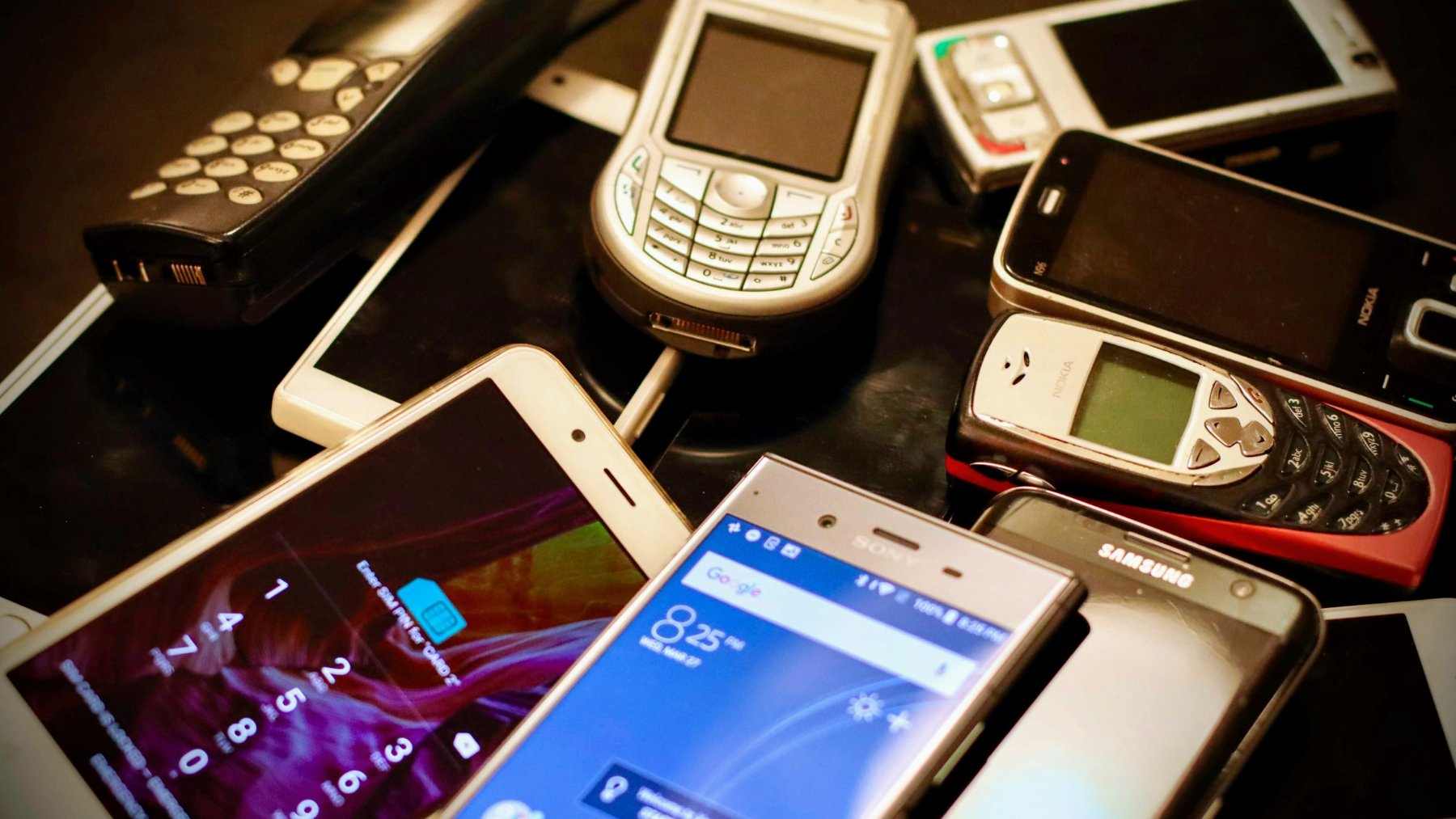
A drawer full of old phones may look like clutter, yet it can hold a surprisingly concentrated source of gold. Pound for pound, discarded mobile phones can be richer in the metal than mined ore. That is the appeal of “urban mining,” recovering useful materials from products rather than digging up new deposits.
But rich material is not the same as easy money. The Global E-waste Monitor 2024 found that the world generated 62 million metric tons of electronic waste in 2022, with just 22.3% documented as formally collected and recycled. The challenge is getting discarded equipment into systems that can recover its value safely.
What the gold comparison really means
A 2019 report from the World Economic Forum and the UN E-Waste Coalition put the contrast at 100 times more gold in a metric ton of mobile phones than in a metric ton of gold ore. That comparison concerns concentration, not guaranteed earnings from every shipment. The advantage depends on the devices and ore being compared.
The amount in one phone is still tiny. The Environmental Protection Agency cites a 2006 U.S. Geological Survey estimate that recycling one million cell phones could recover 75 pounds of gold. That works out to about 34 milligrams per phone in that estimate, not a nugget waiting behind the screen.
Billions in metals, not billions in profit
The 2024 monitor estimated that metals contained in the electronic waste generated in 2022 were worth $91 billion. That included $15 billion in gold, $19 billion in copper, and $16 billion in iron. These figures describe embedded materials, not the money recycling companies actually earned.
Its release also put the value of recoverable natural resources left unaccounted for at $62 billion. Recoverable does not mean free to recover, though. Collection, transportation, sorting, processing, and pollution controls all stand between a discarded device and a marketable metal, so the headline value should not be mistaken for a ready-made profit.
Nor does the formal recycling rate mean everything else went straight to a landfill. The monitor also describes substantial processing outside formal systems, including informal recovery. Those routes may recover valuable materials without providing the same assurance of safe treatment.
The first obstacle is getting the phone back
What good is a rich source of metal if it never reaches a recycler? The 2019 UN-backed report recommended buy-back and return systems, alongside longer-lasting product designs. Those proposals address the less glamorous side of urban mining, connecting scattered devices with businesses that can use them.
The processing technology already exists. Umicore, for example, says it samples and analyzes electronic scrap to recover valuable metals, and recommends minimum shipments of 10 metric tons for printed circuit boards. That industrial scale helps explain why a household’s role is usually to return a device through a collection program, not arrange its own refining.
The 2024 monitor identified shorter product life cycles, limited repair options, design shortcomings, and inadequate waste-management infrastructure among the problems widening the recycling gap. It projected annual e-waste generation of 82 million metric tons by 2030, up from 62 million in 2022. “Business as usual can’t continue,” lead author Kees Baldé said in the report’s March 2024 release.
Recycling must not create another pollution problem
Recovering gold is not automatically an environmental win. The World Health Organization warns that unsafe practices such as open burning and acid baths can release pollutants into air, soil, dust, and water. The damage can extend beyond the people handling the waste to neighboring communities.
Children and pregnant women are particularly vulnerable to hazardous exposures from informal recycling, according to WHO. The point is not simply to recover more metal at any cost, but to do so without shifting the damage onto workers and nearby families. A higher gold yield cannot, by itself, establish that a recycling operation is safe.
What to do with the phone in your drawer
A device that still works may have more to offer than its raw materials. Consider continued use, repair, or donation before sending usable electronics for recycling. EPA notes that donation and recycling can conserve resources and avoid pollution associated with obtaining and manufacturing new materials.
For equipment that has reached the end of its useful life, check manufacturer, retailer, or community collection options and remove personal information before handing it over. Phones and other devices containing lithium-ion batteries should not go in household garbage or ordinary recycling bins, EPA warns. Check the collection program’s instructions for the equipment it accepts.
The gold comparison is compelling, but the more useful takeaway is that valuable materials need a reliable route back into use. Opening the drawer is only the first step.
The Global E-waste Monitor 2024 was published on the International Telecommunication Union website.