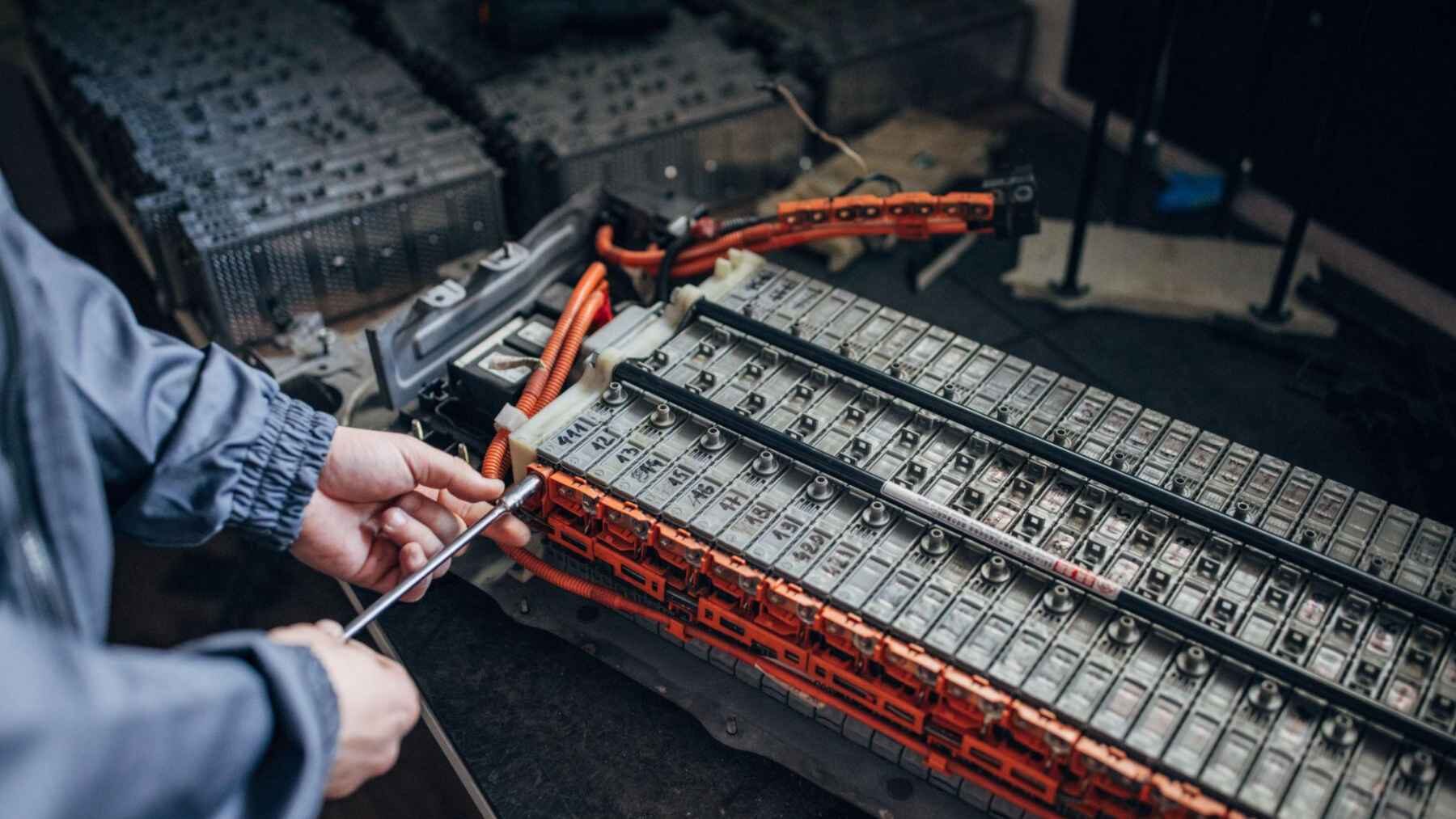
A tired electric vehicle battery may not be as “dead” as it looks. Researchers have developed a recycling method that can restore spent lithium-ion battery cells to as much as 95 percent of their original capacity, without first shredding the battery into powder.
The approach, developed at Cornell University, targets one of the main reasons batteries fade in normal use. Instead of destroying the valuable parts inside, the process cleans and reuses the electrodes, the internal pieces that help store and release energy. The team says the method could cut recycled cell manufacturing costs by 56 percent and reduce some environmental impacts compared with common recycling routes.
A battery problem hiding in plain sight
Lithium-ion batteries power phones, laptops, electric cars, and large energy storage systems. After years of charging and discharging, they lose capacity, which means less driving range, shorter screen time, or weaker backup power when people need it most.
But in many cases, the battery’s inner structure is not completely ruined. The bigger problem is a stubborn buildup on the electrodes. Think of it like grime on a window. The glass is still there, but less light gets through.
That buildup is called the electrode-electrolyte interphase. In simple terms, it is a thin chemical layer that forms as the battery works. A small amount is useful, but too much can block the flow of charged particles and make the battery act old before its materials are truly worn out.
The bath that cleans electrodes
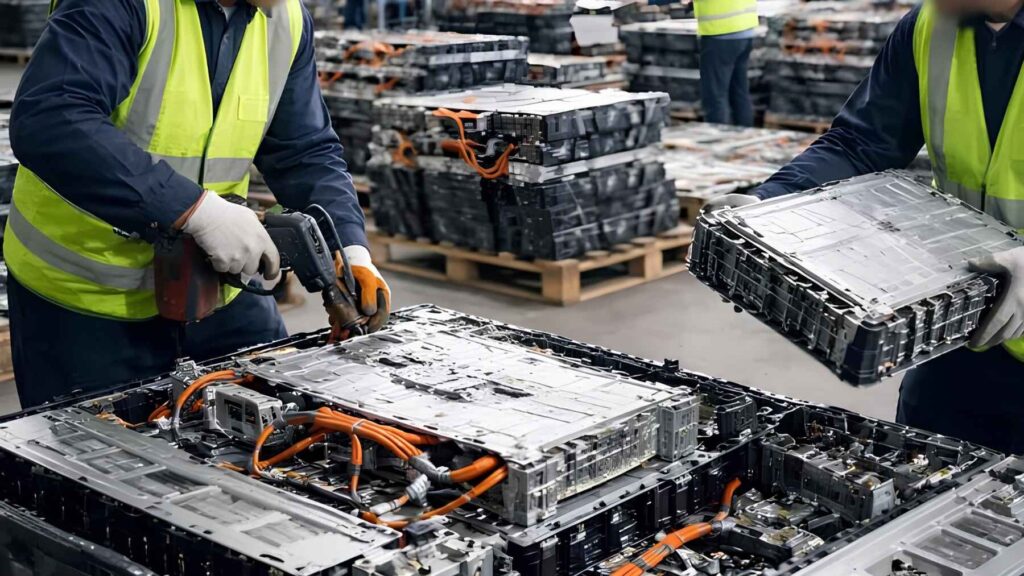
The new method is called Direct Electrode-to-Electrode Regeneration, or DEER. In practical terms, that means the researchers remove the used electrodes while keeping them intact, then place them in an electrochemical solution that strips away the unwanted layer.
That is a big shift from standard recycling. Today, many old batteries are smelted at high heat or crushed into a dark powder known as black mass. Those methods can recover valuable metals, but they also erase the carefully built structure of the electrodes.
“We repair them, as is, without shredding or powdering them,” said Vibha Kalra, who led the project. The image is simple enough to grasp. Instead of tearing down a house for bricks, the team is trying to clean the walls and make the house livable again.
Why 95 percent matters
The headline number is hard to ignore. In tests, regenerated cells recovered up to 95 percent of their initial capacity, according to the published study. Even after a second regeneration cycle, a third-life battery still retained about 90 percent of its original capacity.
For electric vehicles, that could matter because many packs are retired when they fall to roughly 70 to 80 percent state of health. That does not mean every battery is ready for this method tomorrow, but it does suggest a large amount of useful material may still be sitting inside retired packs.
There is another angle here. If battery recycling becomes cheaper and less energy hungry, it could help lower pressure on critical minerals such as lithium, nickel, cobalt, and manganese. These materials are costly, politically sensitive, and not endlessly available.
A shorter recycling loop
Traditional battery recycling often takes the long way around. First the battery is discharged and dismantled. Then cells are crushed, separated, treated, and turned back into raw materials that must be made into new components all over again.
DEER tries to shorten that loop. The electrode remains an electrode. That sounds obvious, but in battery recycling it is a major departure from the usual process.
The ReCell Center, a national collaboration focused on lithium-ion battery recycling, describes direct recycling as a way to recover, regenerate, and reuse battery components without breaking down their chemical structure. That is the same larger idea behind this work, although the Cornell-led team focuses on removing the damaging interphase layer that blocks performance.
The cost and climate angle
By the team’s analysis, DEER could reduce the cost of recycled cell manufacturing by 56 percent compared with pyro and hydro-based recycling methods. Pyro methods use high heat. Hydro methods often rely on liquid chemical processing.
That could be important for the electric car market, but also for the batteries that store solar and wind power. Nobody wants the clean-energy transition to depend on a waste stream that is expensive, dirty, or difficult to manage.
The U.S. Environmental Protection Agency notes that recycling used lithium-ion batteries can keep valuable critical minerals in circulation and help prevent disposal problems, including fire risks when batteries are mishandled at the end of life. That is not just an industrial concern. It is the kind of thing that can affect workers, neighborhoods, and the local waste system.
What still needs to happen
The study is promising, but it is not a finished industrial system yet. The researchers are now looking at larger batteries and other forms of degradation, including lithium loss, which can also limit battery life.
That distinction matters. If a battery is physically damaged, badly abused, or affected by several failure mechanisms at once, cleaning the interphase layer may not solve everything. Real-world batteries have messy histories.
Still, this work offers a clearer path than simply smashing old cells and starting over. Kiwon Kim, Shuwen Yue, and collaborators including Sabine Gallagher used testing and modeling to show that electrode-level reuse can be more than a lab curiosity. The next test is scale.
Old batteries may get another life
At the end of the day, the study suggests that some “dead” lithium-ion batteries may be closer to dirty than destroyed. That changes the way we think about recycling.
For drivers, the technology will not instantly make every old EV battery cheap to restore. For manufacturers, though, it points to a future where valuable battery parts are treated less like trash and more like precision components worth saving.
That could make battery recycling cleaner, faster, and more practical. Not perfect. But much closer to the circular battery economy everyone keeps talking about.
The main study has been published in Energy and Environmental Science.