The space industry is moving fast again, and not always smoothly. Blue Origin has begun rebuilding its damaged Florida launch pad after a New Glenn rocket exploded during a ground test, while Relativity Space is aiming for a privately supported Mars science mission in 2028. At the same time, a Chinese rocket body has broken apart in low Earth orbit, adding another reminder that the sky above us is becoming crowded with machinery and debris.
That matters because orbit is not an empty storage closet. It is part of Earth’s working environment, packed with satellites that help with weather forecasts, satellite internet access, disaster response, farming, navigation, and climate science. The latest rocket-industry briefing reviewed by ECONEWS shows one clear pattern, new launch plans are accelerating, but cleanup and safety are struggling to keep pace.
Blue Origin rebuilds after New Glenn blast
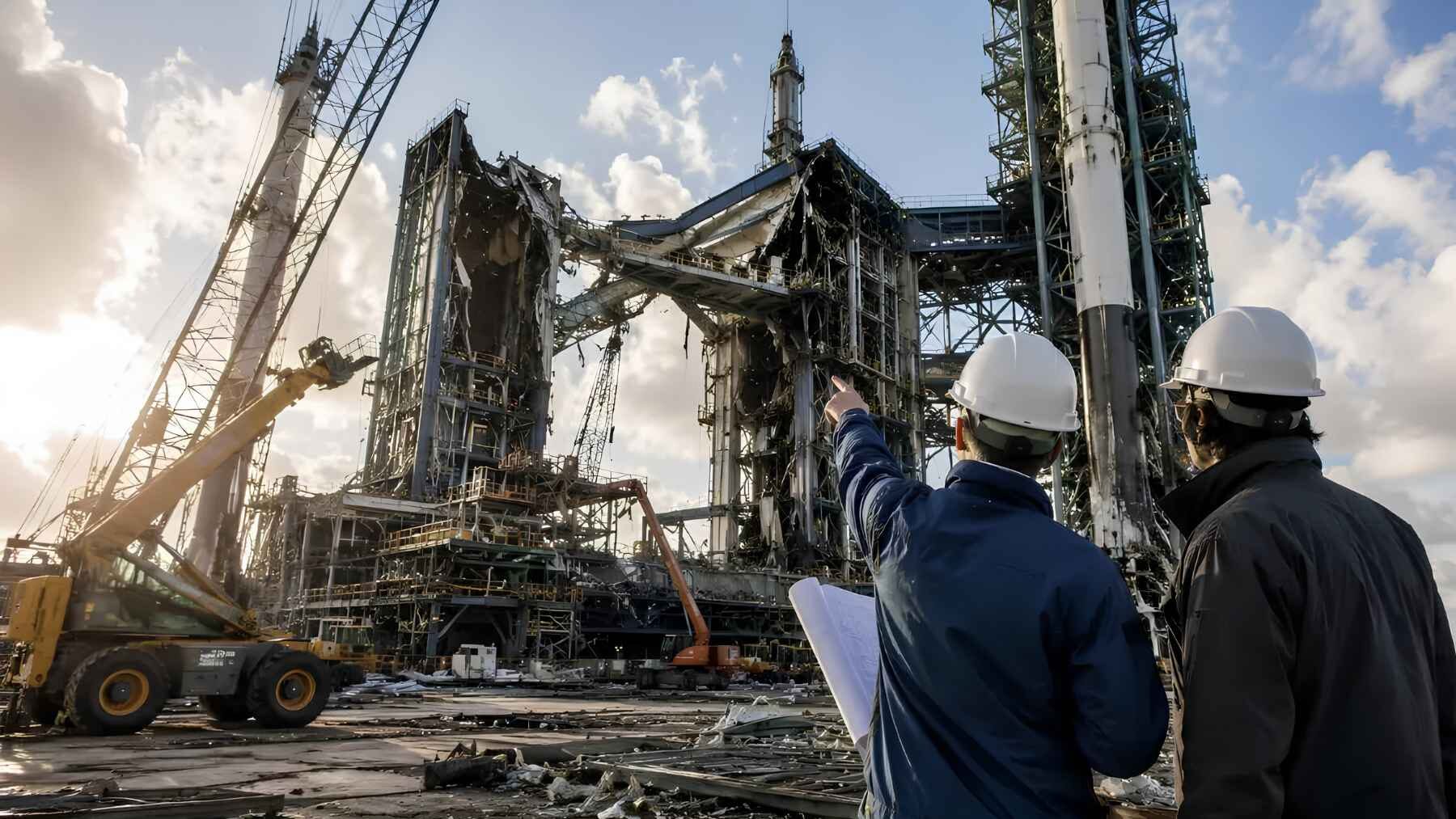
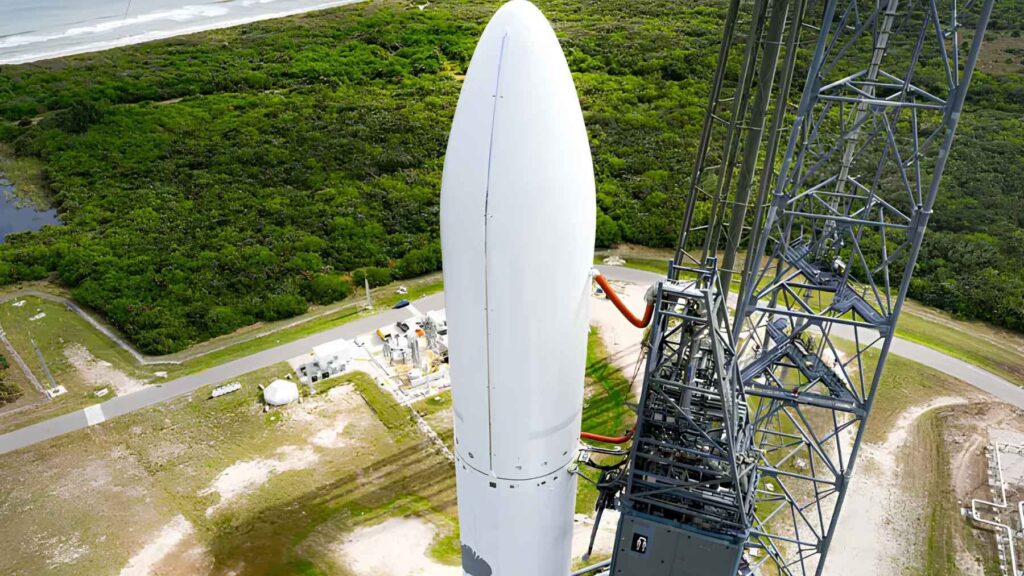
Blue Origin’s recovery effort is now underway at Launch Complex 36 in Cape Canaveral, Florida. CEO Dave Limp said reconstruction began after crews cleared debris from the site, with the company still targeting another New Glenn launch before the end of 2026. Reuters reported that the uncrewed rocket exploded on May 28 during an engine-firing test, and no injuries were reported.
Jeff Bezos described the accident as “a gut punch for the whole team,” but also said key infrastructure survived, including some propellant systems. That matters for NASA too, since New Glenn is tied to Blue Origin’s Blue Moon lunar lander program and the company’s Mark 1 mission is expected to fly early next year. In practical terms, a launch pad repair is not just a construction project. It can ripple into Moon plans, satellite schedules, and the future pace of commercial spaceflight.
And there is another side to it. Every launch site sits on Earth first, often near coastlines, wetlands, public areas, or protected land. Rocket programs are built to reach space, but the noise, heat, fuel systems, and blast zones are very much local issues.
A fresh debris warning in low Earth orbit
The more urgent environmental warning came from above. U.S. Space Forces Space confirmed the breakup of a Chinese Zhuque-2E rocket body launched from China’s Jiuquan Satellite Launch Center on June 9, 2026. A related TraCSS notice said the breakup likely happened at 0847 UTC and that tracked pieces are being added to routine conjunction assessment, the process used to help spacecraft avoid collisions.
The rocket report cited at least 51 tracked objects linked to the breakup, while orbital-debris analysts estimated the event may have produced 100 to 150 fragments. That may sound small compared with the size of space, but low Earth orbit is not the empty highway people imagine. It is more like rush-hour traffic with no shoulders, no tow trucks, and objects moving at extreme speeds.
The good news is that the debris is low enough that atmospheric drag may pull much of it down within months or about a year. The bad news is simpler. Each breakup adds more objects for satellites, space stations, and operators to dodge.
Space pollution is now a numbers problem
ESA’s latest space environment statistics show why one breakup matters. As of April 21, 2026, space surveillance networks were regularly tracking about 45,740 objects, while models estimated 1.2 million debris pieces between roughly 0.4 inches and 4 inches, plus 140 million smaller fragments between about 0.04 inches and 0.4 inches.
That is the part most people do not see when they check a weather app or follow a satellite internet launch online. Modern life depends on orbital infrastructure, yet orbital infrastructure depends on keeping enough room to operate safely. ESA has warned that Earth orbit is becoming polluted by human-made objects ranging from dead satellites and rocket stages to tiny fragments and droplets.
What happens when the junk keeps multiplying? Generally, operators can maneuver active satellites away from known threats. Tiny debris can be hard to track, however, and dead rocket bodies cannot politely move out of the way.
Mars science gets a commercial push
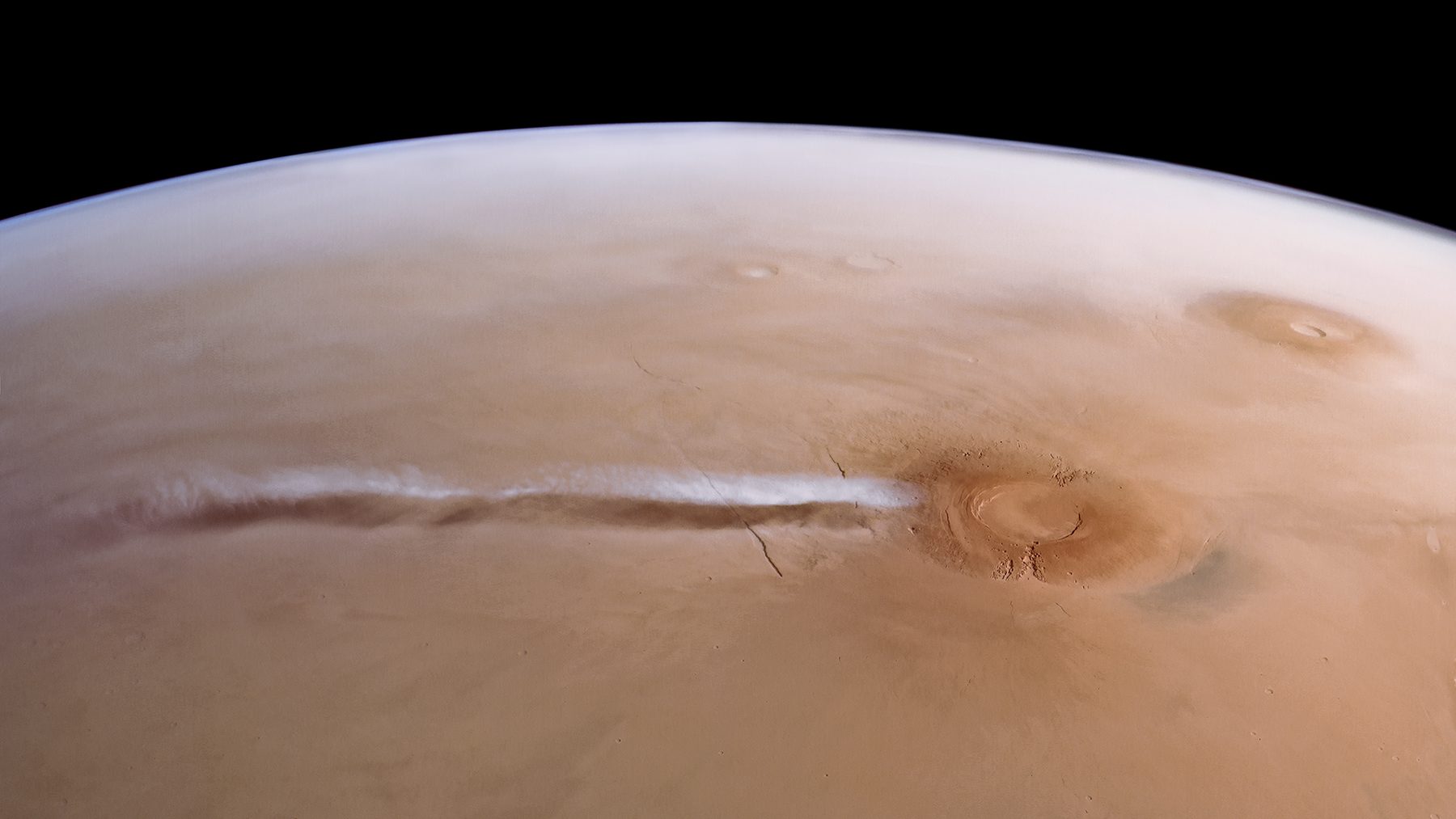
Meanwhile, Relativity Space is trying to move beyond launch services and into planetary science. NASA announced a public-private partnership on June 17, 2026, under which NASA will provide the Aeolus atmospheric science payload while Relativity supplies the spacecraft, rocket, and cruise operations needed to deliver it to Mars.
Aeolus is scheduled to launch in 2028 and is designed to provide the first integrated daily global view of Martian winds, temperatures, dust, and clouds. NASA says those measurements can improve models of Mars’ atmosphere and help reduce risk for future crewed and uncrewed landings. It is science, yes, but it is also weather forecasting for another planet.
That is where the story gets interesting. The same launch industry creating congestion around Earth is also building tools to understand other worlds. The challenge is making sure the road to Mars does not make the neighborhood around Earth harder to use.
Smaller rockets feel the pressure too
The pressure is not limited to the biggest players. Isar Aerospace, one of Europe’s closely watched launch startups, has repeatedly delayed the second test flight of its roughly 92-foot Spectrum rocket. The latest attempt was scrubbed after engineers detected unusual behavior in the vehicle’s fluid systems.
France’s Latitude has also shifted its public branding, removing the name Zephyr from its website and referring to its roughly 62-foot vehicle as “Our Launcher.” The rocket is designed to carry up to about 441 pounds to low Earth orbit, with a debut planned for the second half of 2027. Small launchers may sound modest, but they add to the same traffic system once they start flying regularly.
Japan, on the other hand, notched a success. JAXA said its H3 Launch Vehicle flight No. 6 launched from Tanegashima Space Center on June 12, 2026, flew as planned, and placed its second stage into the intended orbit.
The next space race needs cleanup rules
None of this means spaceflight should stop. Satellites help us track hurricanes, monitor drought, measure sea levels, map wildfires, and connect people in remote areas. Mars missions can teach scientists how planets change over time, including why one world stayed habitable while another became cold and dry.
Speed alone, however, is not a space policy. At the end of the day, the launch boom needs better debris prevention, better end-of-life disposal, and more transparent tracking. Otherwise, today’s breakthroughs could become tomorrow’s orbital traffic jam.
The official notice was published on TraCSS.gov.