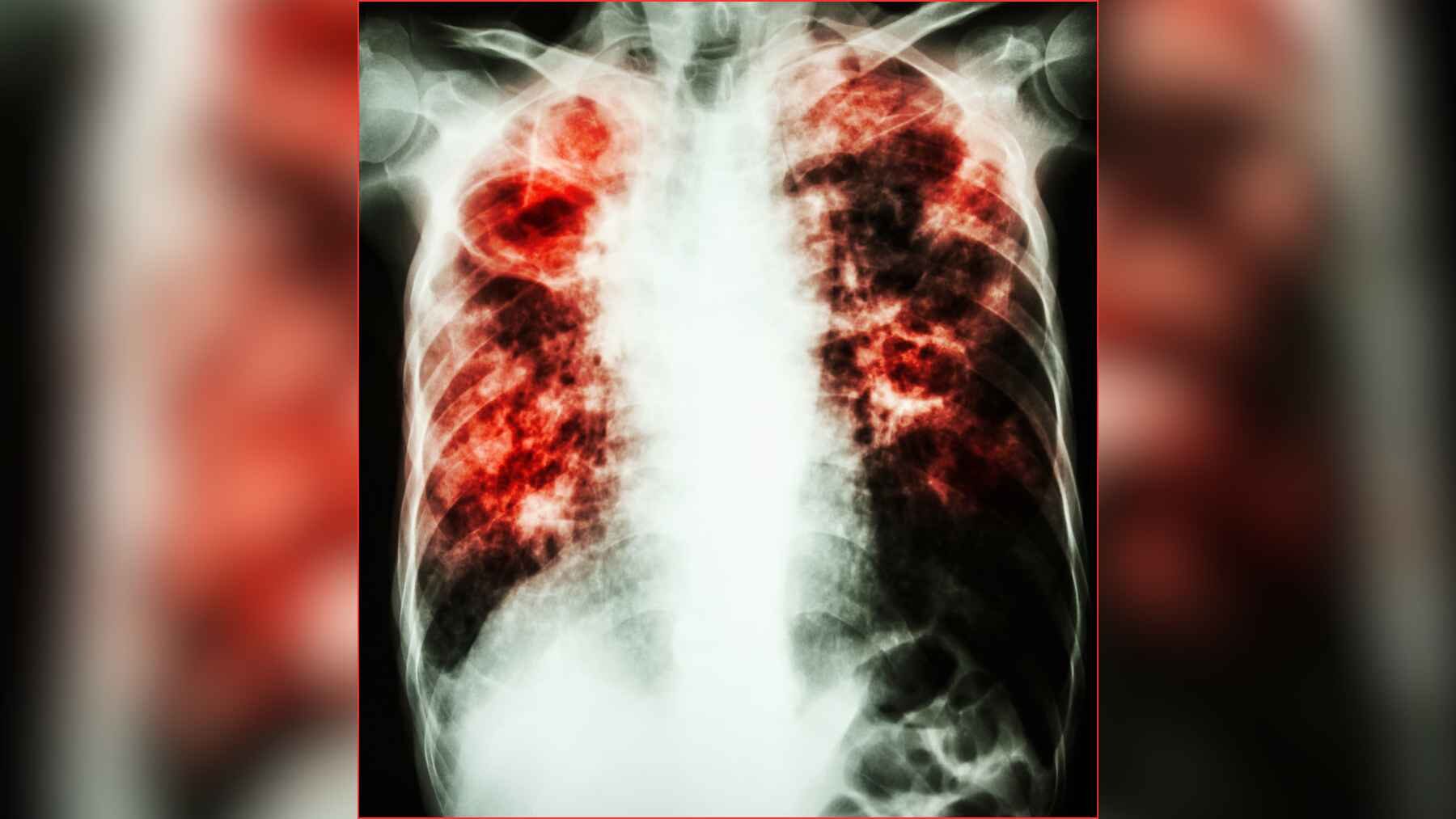
Tuberculosis treatment can look simple from the outside. A patient is diagnosed, receives antibiotics for several months, and waits for the infection to clear. Inside the lungs, however, the bacteria may be telling a more complicated story.
A new study suggests that the genetic diversity of Mycobacterium tuberculosis inside a patient at the time of diagnosis may help predict who is more likely to face treatment failure, death, or relapse. That matters because TB remains a huge global threat, with the World Health Organization estimating that 10.7 million people fell ill and 1.23 million people died from the disease in 2024.
A hidden signal in TB
The research followed 364 people in South Africa who had newly diagnosed pulmonary TB that was sensitive to rifampicin, one of the key first-line TB drugs. Patients received the standard six-month treatment and were monitored for up to two years for unfavorable outcomes.
Instead of looking only at whether the main TB strain was drug-resistant, the team searched for low-frequency genetic differences inside each infection. These differences, known as “unfixed variants,” are mutations that appear in only part of the bacterial population inside one person.
Why bacterial diversity matters
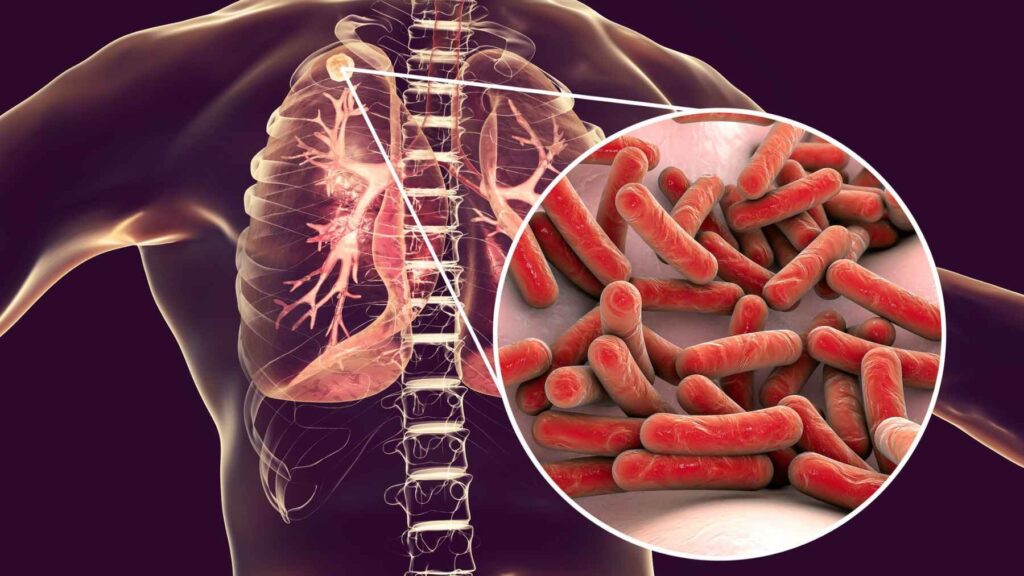
Think of it this way. An infection is not always one identical army of bacteria marching in perfect order. Sometimes, it is more like a crowded room, with slightly different versions of the same pathogen trying to survive.
That variety may matter because antibiotics create pressure. If a bacterial population has more genetic options, at least in theory, it may have more ways to tolerate stress or adapt during treatment. In this study, true unfixed variants were uncommon, but they were enriched in genes linked to pathogen adaptation and drug tolerance, including transporter proteins and two-component regulatory systems.
The risk rose above a threshold
Most patients did not show much bacterial diversity. The number of unfixed variants ranged from 0 to 20, with a median of 1 per patient. Still, the pattern became important among patients with more than 3 unfixed variants at diagnosis.
After adjusting for known clinical risks, including HIV status, previous TB, baseline smear positivity, and lung involvement on imaging, baseline bacterial diversity remained an independent predictor of worse outcomes. For patients above that 3-variant threshold, each additional 5 unfixed variants was linked to more than double the risk of an unfavorable outcome, with an adjusted hazard ratio of 2.36.
A possible tool for personalized treatment
Effectively, this could one day help doctors spot patients who need closer follow-up. Two people can both have rifampicin-sensitive TB, yet one infection may carry more hidden bacterial variety than the other.
That does not mean the finding is ready to change treatment tomorrow. The study is a preprint and still needs peer review, and the results should be tested in other populations. The idea is powerful, however, because genome sequencing is already moving closer to routine TB care in many settings.
TB diagnosis is already changing
WHO recommends rapid diagnostic tests as the initial tests for people with signs and symptoms of TB, because these tools can guide treatment decisions within 48 hours. That is a major step forward compared with older methods that could take much longer.
This new work asks a different question. Once sequencing data is available, can it do more than identify resistance? Could it also help estimate whether a patient’s infection is more likely to come back, linger, or fail treatment?
The South African cohort matters
The study builds on the TRUST research program in Worcester, South Africa, a prospective cohort focused on TB treatment outcomes and related risk factors. The program includes follow-up during treatment and after treatment, along with clinical, behavioral, radiographic, and genomic data.
That depth is important. TB outcomes are shaped by many things, including immune status, prior disease, adherence, alcohol use, nutrition, and access to care. A genetic warning sign is useful only if it still matters after those real-world factors are taken into account.
A living ecosystem inside the body
There is also a bigger scientific lesson here. TB is often discussed as a single pathogen, but this study treats infection more like a tiny ecosystem. Inside one patient, bacteria can differ, compete, and possibly respond to treatment in slightly different ways.
It is a small shift in perspective, but a meaningful one. Like weeds adapting in a sidewalk crack, bacterial populations may use whatever variation they have to survive pressure. Antibiotics are that pressure.
What patients should remember
None of this means patients should change their medication or stop treatment early. WHO warns that TB medicines need to be taken daily for 4 to 6 months, and stopping early or without medical advice can push bacteria toward drug resistance.
For patients, the message is still clear. Finish the prescribed treatment, keep follow-up appointments, and report symptoms if they return. For doctors and public health teams, the message may be more complex. The bacteria’s genetic details at diagnosis could carry clues that standard tests miss.
A cautious but promising clue
At the end of the day, this study does not replace clinical judgment. It adds a possible early warning light, one that could help clinicians decide who may need more careful monitoring or, someday, a more individualized treatment plan.
The next step is validation. Larger studies in different countries will need to show whether the same signal holds across health systems, TB lineages, and patient groups. For now, the finding gives researchers a fresh way to look at an old disease.
The study was published on medRxiv.