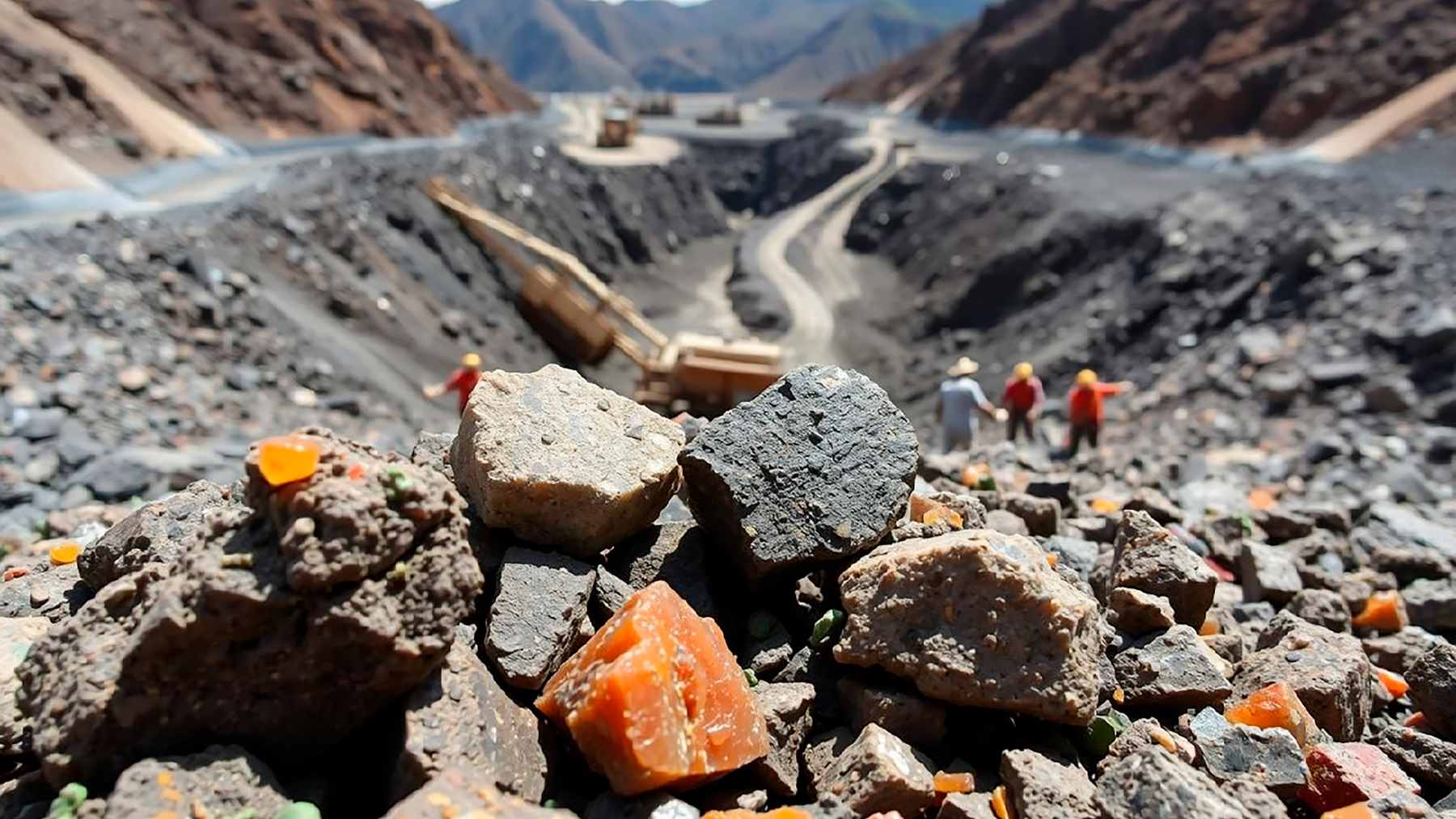
China has confirmed a major lithium ore discovery in central Hunan Province, and the number is hard to ignore. The Jijiaoshan mining area in Linwu County holds about 540 million short tons of lithium-bearing rock, including roughly 1.44 million short tons of lithium oxide, according to Hunan authorities.
The find matters because lithium is no longer a niche mineral tucked away in geology reports. It sits inside electric car batteries, grid storage systems, phones, laptops, and many of the devices people plug in every day. With global lithium demand still rising, this Hunan deposit gives China another domestic source at a time when battery supply chains are being watched closely.
A massive find in Hunan
The discovery was reported from the Tongtianmiao section of the Jijiaoshan mining area, in Chenzhou’s Linwu County. Officials described it as an altered granite-type deposit, which means the lithium is locked in hard rock that has been changed by natural chemical processes over deep geological time.
This is not just a lithium story. The same deposit also contains rubidium, tungsten, tin, niobium, and tantalum, metals used in electronics, aerospace, industrial tools, and advanced manufacturing. That mix can matter because a mine with several valuable minerals may be able to spread costs across more than one product.
Why lithium matters
Why should anyone outside mining care? Because lithium is one of the quiet materials behind the energy shift, from electric cars in traffic to large batteries that help store power when solar panels and wind farms are producing more than the grid needs.
The International Energy Agency reported that lithium demand rose by nearly 30% in 2024, much faster than the average pace seen in the 2010s. The agency also warned that critical mineral refining has become more concentrated, not less, with the top three refining countries increasing their share in recent years.
For China, the Hunan find fills a strategic gap. The country already has huge battery factories and strong processing capacity, but it has relied heavily on imported ore for part of its supply. Xinhua reported that the China Geological Survey placed China’s lithium reserves at 16.5% of the global total, ranking it second worldwide after new reserve gains.
How the rock will be mined
There are two main ways to get lithium out of the ground. Some producers pump salty underground water to the surface and let evaporation concentrate the lithium, while others mine hard rock, crush it, and process the minerals inside it.
Jijiaoshan belongs to the hard rock side of that split. That can give planners a steadier schedule than brine projects that depend on long evaporation periods and local climate, though hard rock mining also brings dust, waste rock, energy use, and water concerns.
This is where geology meets factory planning. A battery materials plant does not want mystery deliveries or sudden delays. It wants a predictable flow of ore, the same way a household wants the electric bill to arrive without a surprise spike.
From discovery to permit
The work behind the discovery was led by the Mineral Resources Survey Institute of Hunan Province, under the Hunan Geological Institute, along with Hunan Dazhonghe Lithium Mining. Yang Qizhi, chief engineer at the survey institute, said the team began full target selection work in 2022 and completed more than 295,000 feet of drilling in difficult mountain terrain.
Project leader Chen Zhiqiang said the team used large drones to move drilling equipment, a practical answer to steep ground and limited transport access. Xu Yiming, a professor at the institute, said the find would help Chenzhou build a stronger new energy base.
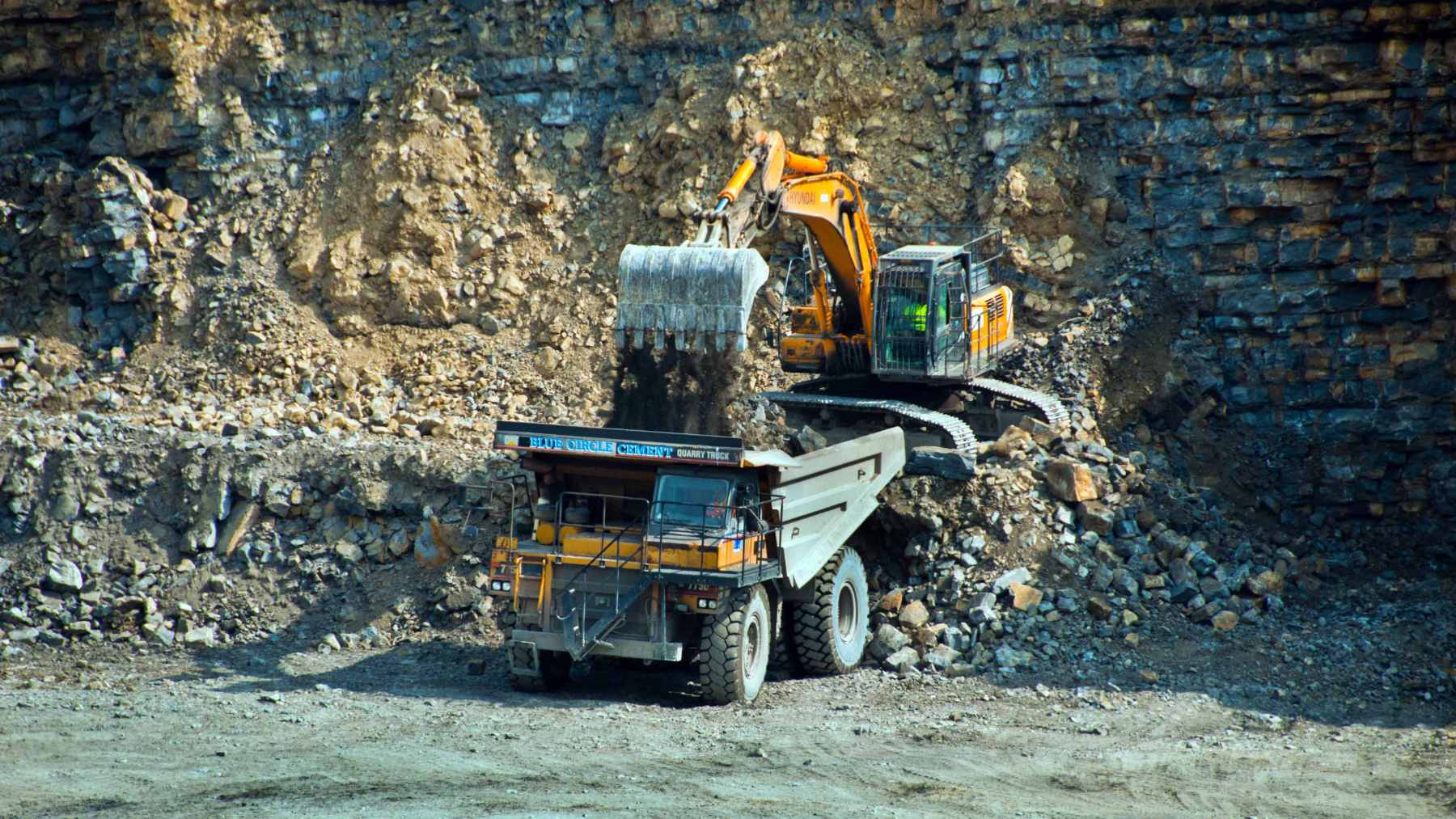
The project has also moved beyond the discovery stage. In December 2025, Hunan officials said Linwu County’s Jijiaoshan lithium mine had received a mining license from China’s Ministry of Natural Resources, with a planned annual mining scale of about 22 million short tons and expected yearly output of about 88,000 short tons of lithium carbonate.
The numbers need caution
Big resource figures make strong headlines, but they are still only the beginning. In mining, a resource is an estimate of what is in the ground, while a reserve is the portion that can be mined profitably and legally after more technical work.
Hunan’s later reporting said the deposit averages 0.268% lithium oxide and equals about 3.57 million short tons of lithium carbonate equivalent, a battery industry measure that helps compare different sources.
That grade is not described as top tier, but local experts said shallow ore bodies, thick mineral zones, and recoverable byproducts could improve the project’s economics.
There are still questions. Engineers will need to prove the best processing route, control tailings, recycle water where possible, and limit dust and truck noise for nearby communities. The trouble is, getting lithium for cleaner technologies can still leave a real footprint on the places where it is mined.
What it means globally
A larger domestic supply could strengthen China’s mine-to-battery chain. It may also push rivals in Australia, South America, North America, and Europe to move faster on their own projects, especially as governments look for more resilient supply lines.
Still, one discovery does not solve every supply problem. The International Energy Agency says lithium markets look better supplied in the near term, but rapidly growing demand could push the market into deficit by the 2030s if new projects do not arrive on time.
The bigger lesson is simple. Lithium is becoming infrastructure, not just a mineral, and each major deposit changes the map a little. For the most part, Jijiaoshan gives China more room to plan, but the real test will come in the mine, the processing plant, and the environmental controls built around them.
The official announcement has been published by the Hunan Provincial Department of Natural Resources.