A new policy paper argues that NASA should add an unusual safeguard to its future Moon Base, a high-security biocontainment facility that would screen extraterrestrial samples before they ever reach Earth. The idea is simple but striking. If a spacecraft brings back material from the Moon, Mars, or farther out, the first stop should be the Moon, not our planet.
That does not mean scientists have found alien microbes. They have not. The point is caution, especially as sample-return missions become more common and space agencies begin looking harder at places that may have once supported life, or might still hold traces of it in hidden environments.
A firewall before Earth
Biocontainment is the science of keeping potentially risky biological material sealed away from people and the environment. On Earth, that can mean special air systems, sealed rooms, protective suits, and strict handling rules. On the Moon, the proposed facility would use distance as one more layer of protection.
Frederick I. Moxley, director of Strategic Threat Analysis and Research Laboratories in Idaho, described the proposed lunar site as “a firewall between Earth and any potentially hazardous live organisms.” The facility would rely on advanced robots to open, move, and study samples, lowering the chance that astronauts or technicians would be exposed.
Why the Moon matters
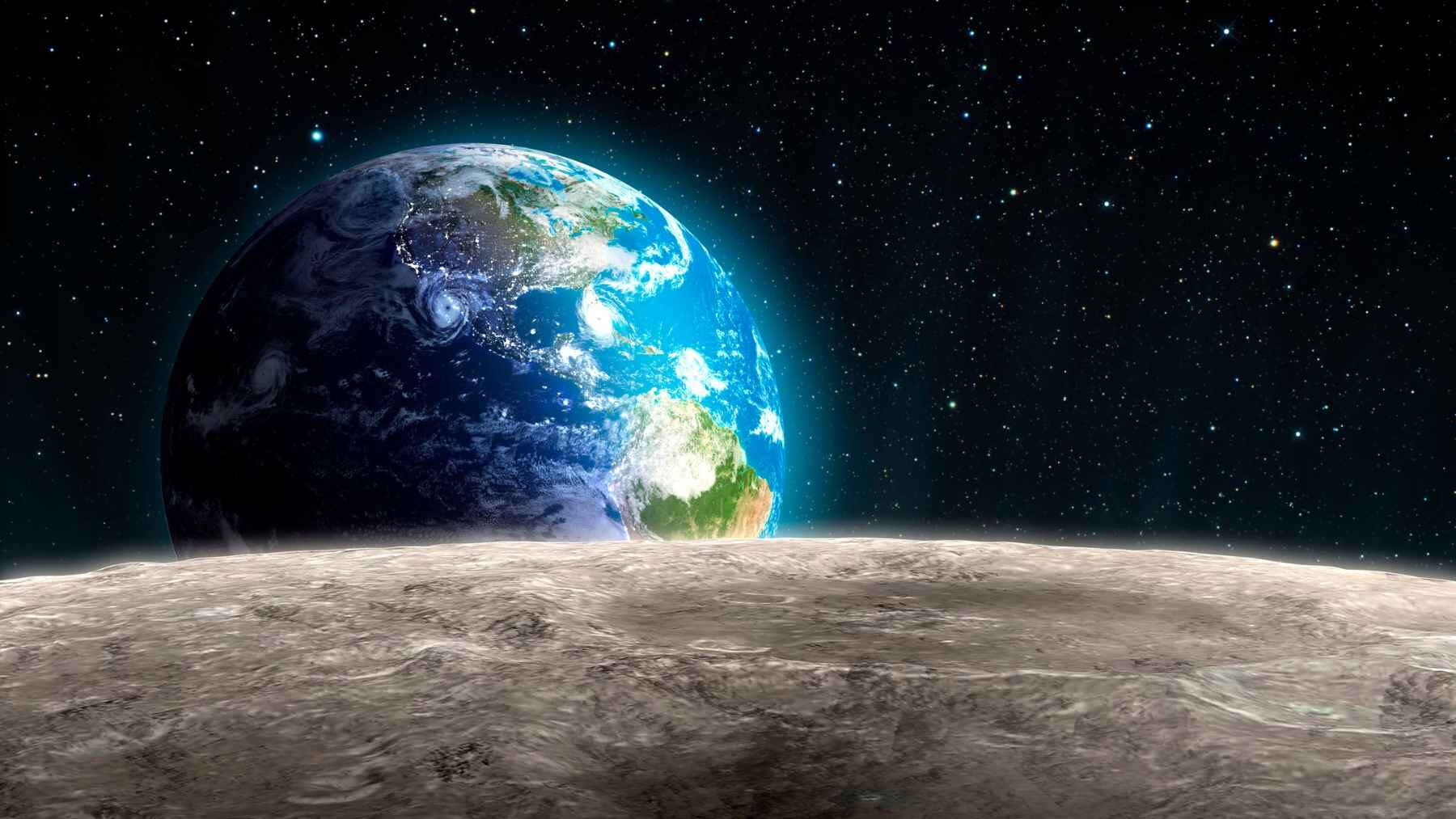
The Moon is close enough for regular missions, but far enough to act as a buffer. It has no known biosphere, no forests, oceans, farms, pets, or cities where an unknown organism could spread. That makes it a kind of cosmic mudroom before the front door of Earth.
NASA is already planning a Moon Base near the lunar South Pole, where astronauts would live, work, and test technologies for future Mars missions. The new proposal asks whether that outpost should also include a quarantine and research center, built not just for exploration, but for planetary safety.
The invasive species warning
Why worry about a microbe that may not even exist? The authors point to a familiar Earth problem, invasive species. These are organisms that arrive in a new place and spread in ways that damage ecosystems, crops, water systems, or native wildlife.
Anthony Ricciardi, a James McGill Professor of Biology and director of the Bieler School of Environment at McGill University, has studied biological invasions for years. He warned that an organism introduced in the “wrong place at the wrong time” can spread with long-lasting consequences. That does not prove alien life would behave that way, but it explains why the paper calls for a strong precautionary approach.
Space is getting crowded
This debate is arriving at a busy moment. Governments and private companies are moving beyond Earth orbit with more landers, rovers, crewed missions, and plans for long-term stays. What once sounded rare is starting to look like routine traffic.
NASA already uses the term planetary protection for rules meant to stop contamination between Earth and other worlds. For samples from places considered possible sites for life, the agency says the strictest requirements apply, including complete containment and housing in a Biosafety Level 4 lab, the highest level used for dangerous biological material.
The Genesis lesson
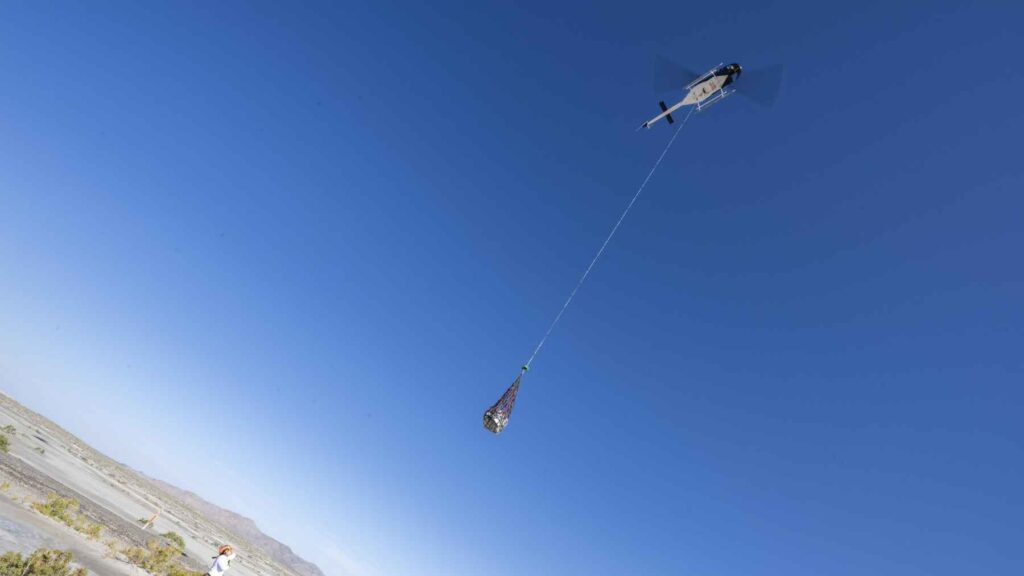
Space agencies plan carefully, but spacecraft still fail. One reminder came on September 8, 2004, when NASA’s Genesis sample return capsule crashed in Utah after its parachute system did not deploy. The capsule hit the ground at an estimated 193 mph, and NASA later said it was badly damaged and contaminated.
Scientists still recovered useful data from the mission, so the story was not a total loss. But it showed something important. A capsule carrying valuable material can come home in the wrong way, and when the cargo is more sensitive, the stakes rise quickly.
Robots instead of risk
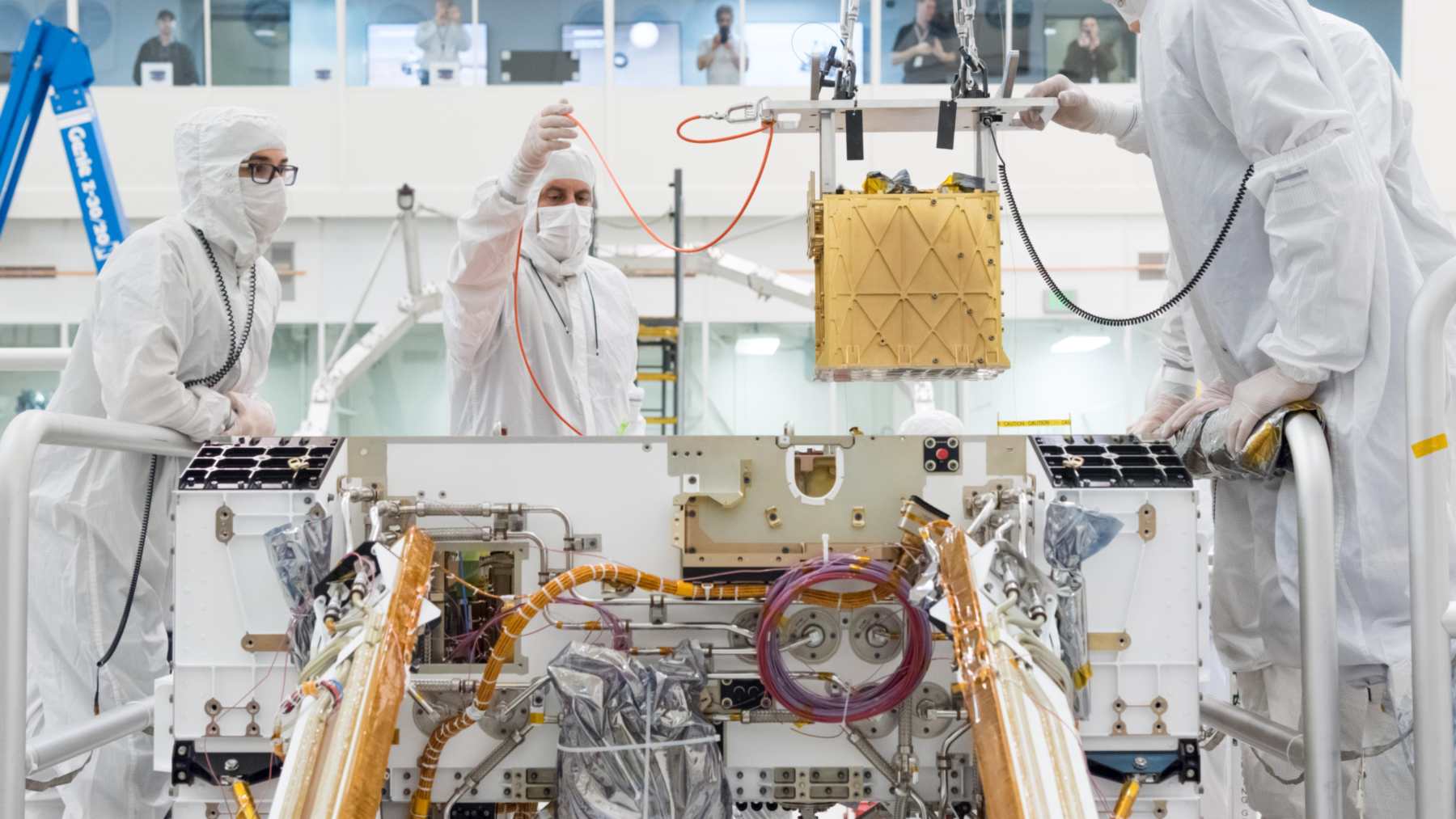
The lunar facility proposed in the paper would not look like a normal laboratory with people walking around sample trays. Instead, robotic arms and sealed systems would do the dangerous work. Think of it as a clean room, a quarantine station, and a remote science lab wrapped into one.
In practical terms, that means material from Mars or another target could be studied without opening a direct path to Earth’s air, water, or soil. If nothing risky is found, researchers could eventually clear parts of the sample for transport home. If something unexpected appears, it stays off-planet.
What happens next
For now, this is a recommendation, not an approved NASA construction plan. It also raises hard questions. Building and operating a lunar biocontainment lab would be expensive, technically complex, and difficult to maintain in a place with radiation, abrasive dust, and extreme temperature swings.
Still, the paper’s central point is hard to ignore. If humanity is serious about searching for life beyond Earth, it also has to be serious about what happens after that search succeeds. The Moon, the authors argue, “may become humanity’s first line of biological defense.”
The main study has been published in Ambio.