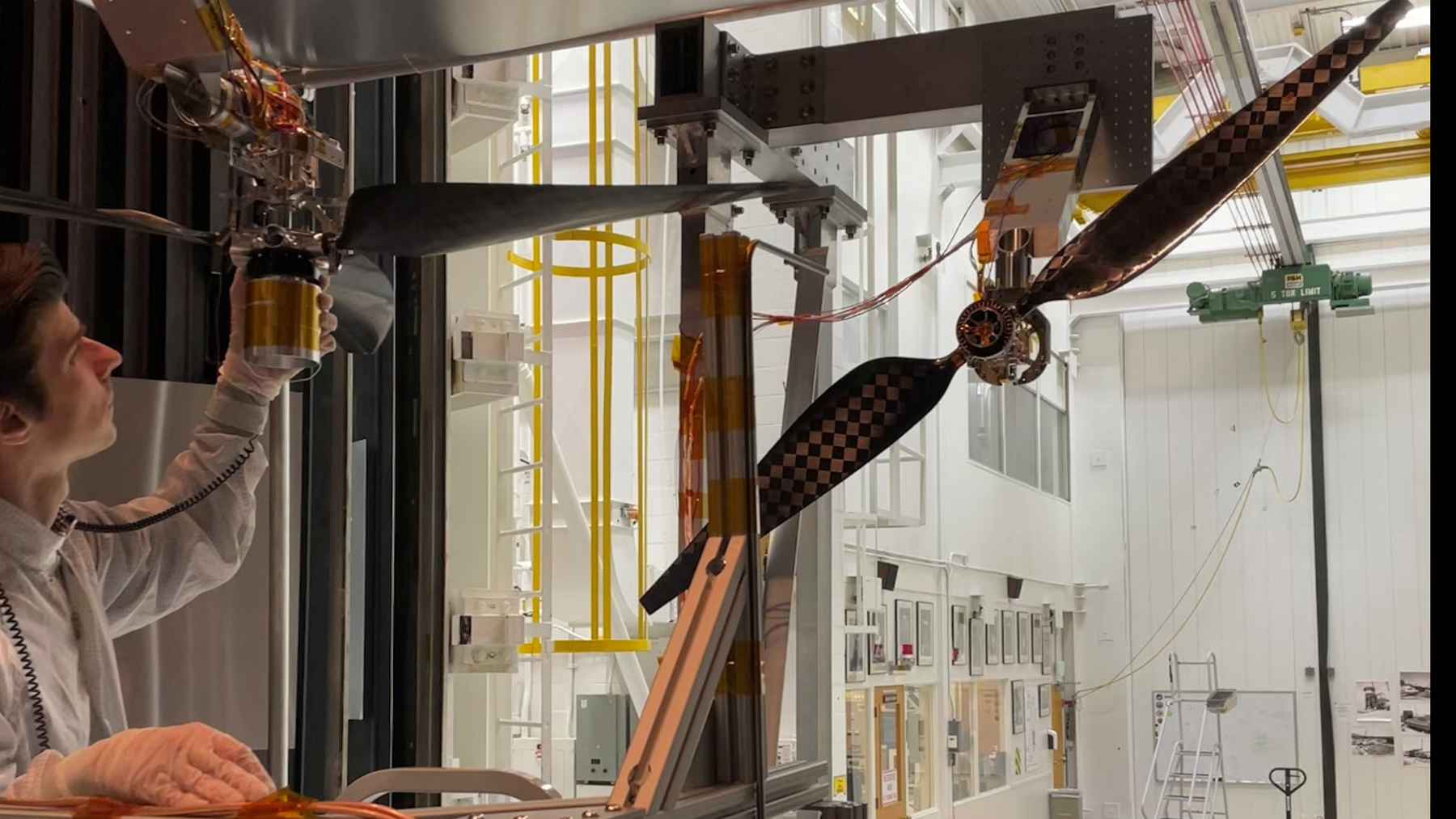
A helicopter blade built for Mars has done something that sounds more like a jet test than planetary exploration. In a simulated Martian atmosphere at NASA’s Jet Propulsion Laboratory (JPL) in Southern California, engineers pushed next-generation rotor tips past Mach 1, reaching Mach 1.08 during a March test campaign.
The real story is not only speed. Data from 137 runs suggest future Mars helicopters could gain about 30 percent more lift, enough for larger batteries, sensors, and science instruments that Ingenuity could never haul. That could move Mars aviation from a clever scout to something closer to airborne field work.
Why Mach 1 matters
What is Mach 1, really? It simply means the speed of sound in the air around a moving object. On Earth at sea level, that is about 760 mph, but in Mars’ cold, carbon-dioxide-rich air, NASA says it is closer to 540 mph.
That means Mach 1.08 in Mars-like air is a little above 580 mph. That speed was reached not by a sleek airplane, but by the tips of a spinning rotor. Tiny details matter there, because shock waves can shake blades, reduce lift, and turn a controlled flight into a mess.
Inside the chamber
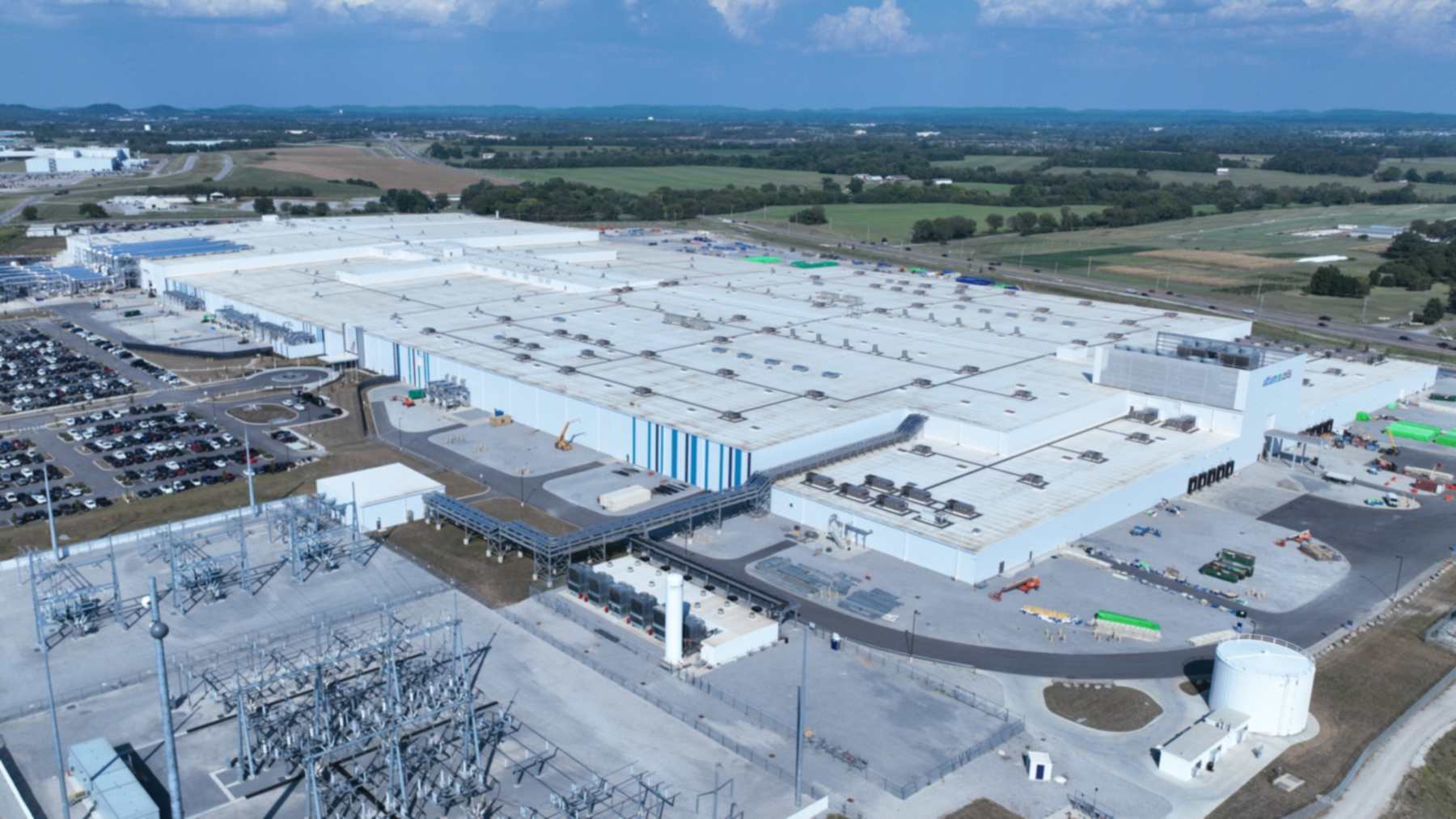
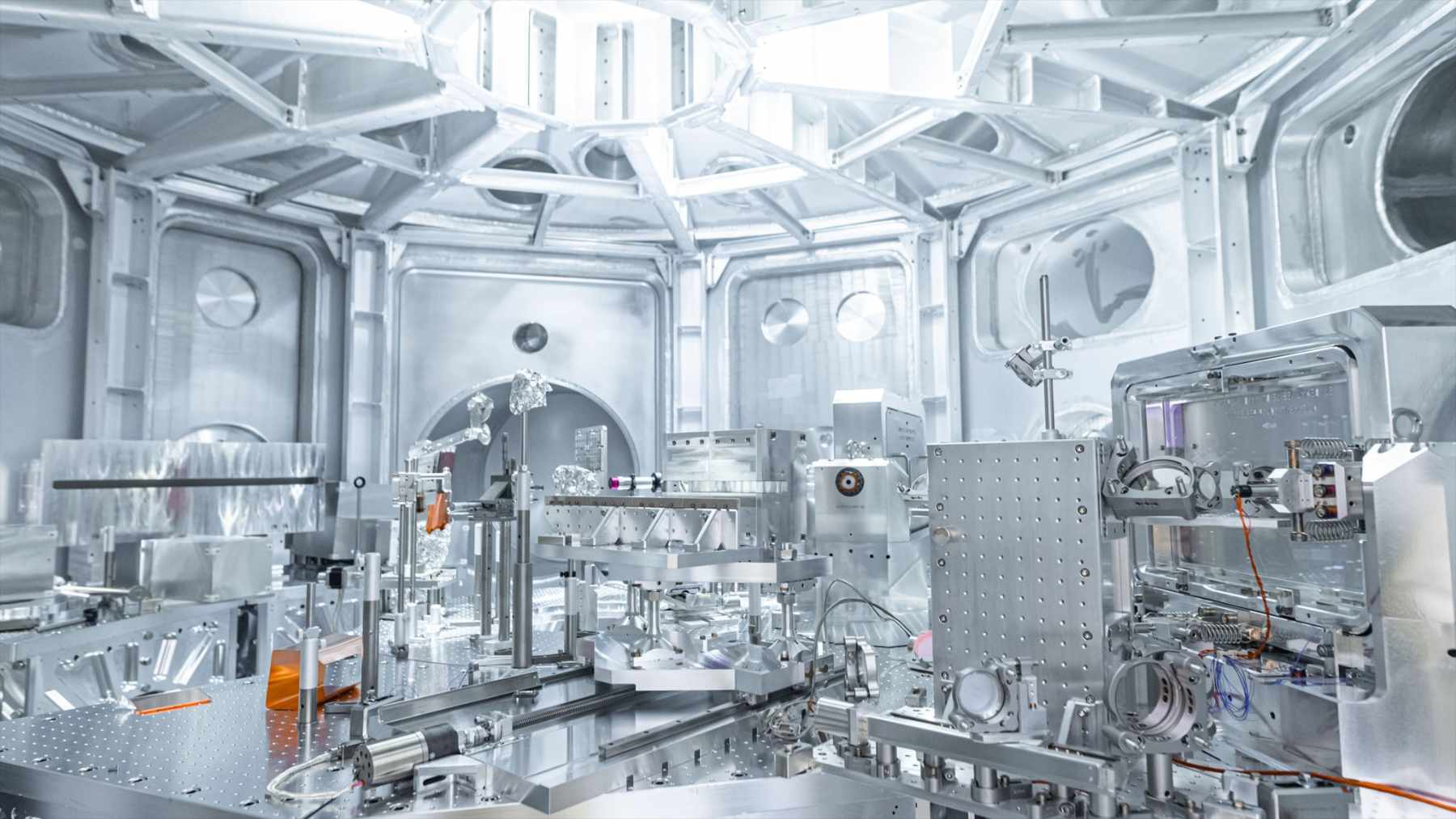
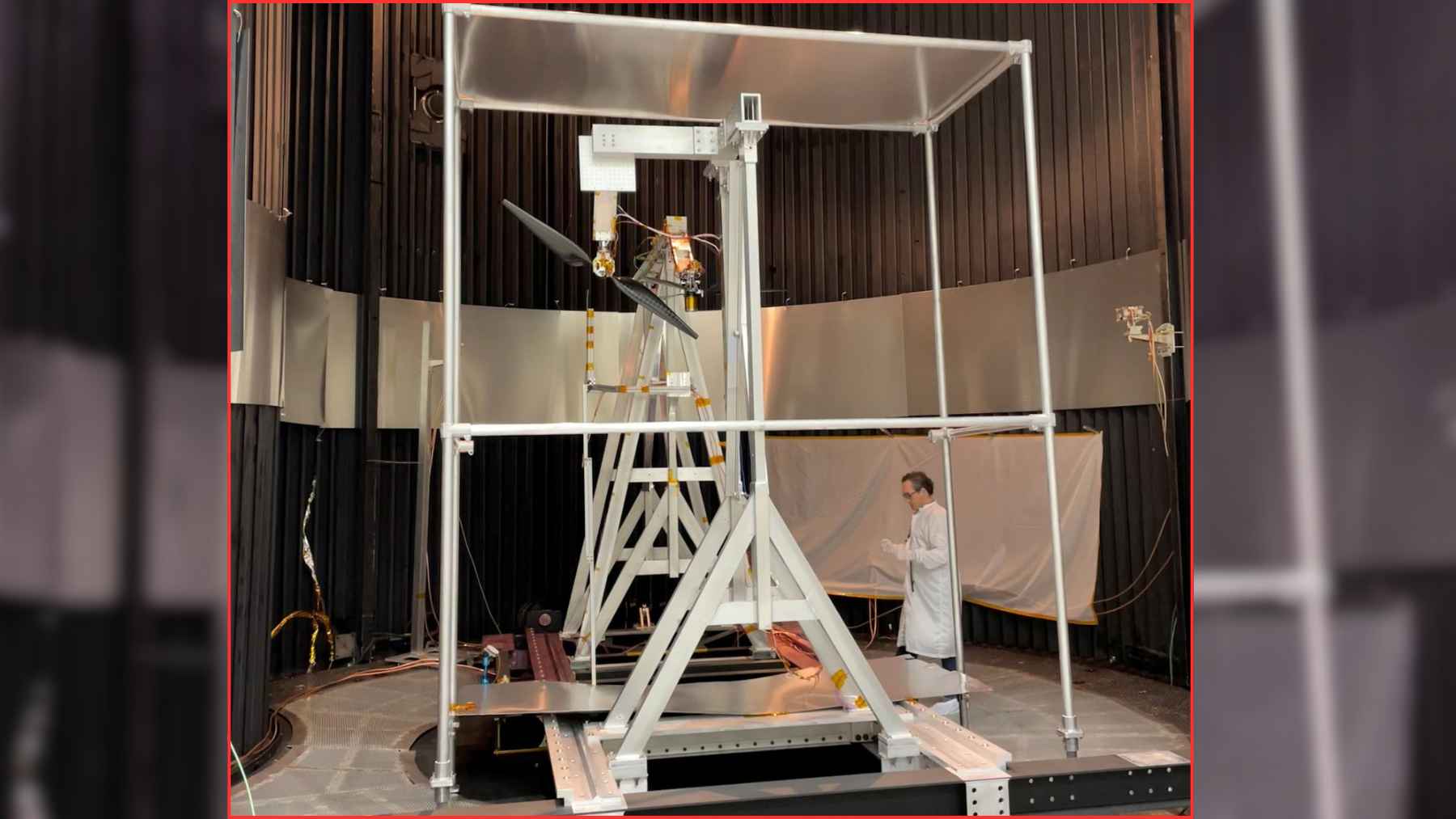
The work took place inside the 25-Foot Space Simulator, a chamber at the Caltech-managed JPL that is 25 feet wide and 85 feet tall. It was built for environmental testing under simulated space conditions, including extreme cold, high vacuum, and intense solar radiation.
For this Mars rotor campaign, engineers evacuated the air and replaced it with carbon dioxide at Martian pressure. Then they spun a three-bladed rotor, developed and manufactured by AeroVironment, while a second fan supplied a headwind. The setup was a little like testing a drone inside a giant freezer with barely any air to bite into.
At 3,750 revolutions per minute, the blade tips reached Mach 0.98 before the headwind pushed them beyond the sound barrier. JPL’s Jaakko Karras led the rotor test, and the team lined part of the chamber with sheet metal in case the blades came apart. They did not.
Why Mars makes flight hard
Mars looks open and quiet from orbit, but flying there is brutally difficult. Its atmosphere is about one percent as dense as Earth’s, which means rotor blades have far fewer air molecules to push downward. Less air means less lift.
That is why Mars helicopters must spin fast, use large or efficient blades, and stay light. On Earth, many helicopters can avoid the sonic edge because the air is thick enough to do the work. On Mars, the same job demands a harder push.
The next-generation carbon-fiber blades concept has been building for years. In 2023, JPL reported that next-generation carbon-fiber blades were longer and stronger than Ingenuity’s, but warned that vibration-causing turbulence can grow as blade tips near supersonic speeds.
From Ingenuity to cargo
This is where Ingenuity enters the picture. The 3.97-pound helicopter was designed for no more than five flights in 30 days, but it finished with 72 flights, 128.8 minutes of flying time, and 10.5 miles covered before its final flight in January 2024.
Still, Ingenuity was a technology demonstrator, not a full science aircraft. It carried flight hardware and cameras, but NASA says it did not carry science instruments. Its lithium-ion batteries were sized for one 90-second flight per Martian day.
Future aircraft could be different. NASA says the 30 percent lift boost could support heavier scientific payloads, advanced sensors, and larger batteries. In practical terms, that means a helicopter could spend less of its life simply proving flight and more of it investigating places a rover may never reach.
Samples and SkyFall
One possible use is sample handling. NASA’s Sample Recovery Helicopters concept would add wheels and a gripping system to an Ingenuity-style aircraft so it could pick up sample tubes left on the Martian surface and carry them toward a lander. Each vehicle would be about 5 pounds on Earth and could fly up to about 2,300 feet.
There is a catch. The broader Mars Sample Return plan has been hit by budget turbulence, and a January 2026 Congressional Record entry said the agreement did not support the existing program while providing $110 million for Mars Future Missions. So, the rotor breakthrough may matter even if the exact sample-return architecture changes.
NASA also points to SkyFall, a mission concept designed to carry three next-generation Mars helicopters to the Red Planet in December 2028. The test team’s findings are being folded into that design, according to the agency. That is a pretty direct handoff from lab data to mission planning.
What comes next
Shannah Withrow-Maser, an aerodynamicist at NASA’s Ames Research Center in Silicon Valley, framed the result as a step toward flying in more demanding environments. “We thought we’d be lucky to hit Mach 1.05, and we reached Mach 1.08 on our last runs,” she said. She also noted that the team is still digging into the data, which is a reminder that this is not a finished vehicle yet.
That caveat matters. The test proved the blades could survive a harsh chamber run, but a mission-ready helicopter still has to survive launch, cruise, landing, dust, cold nights, and many repeated flights far from any repair shop.
Even so, the direction is clear. Ingenuity showed that powered flight on Mars was possible. These new supersonic rotor tests suggest the next step may be flying with real cargo, real instruments, and a job list that looks less like a stunt and more like exploration.
The official press release has been published by NASA’s Jet Propulsion Laboratory.