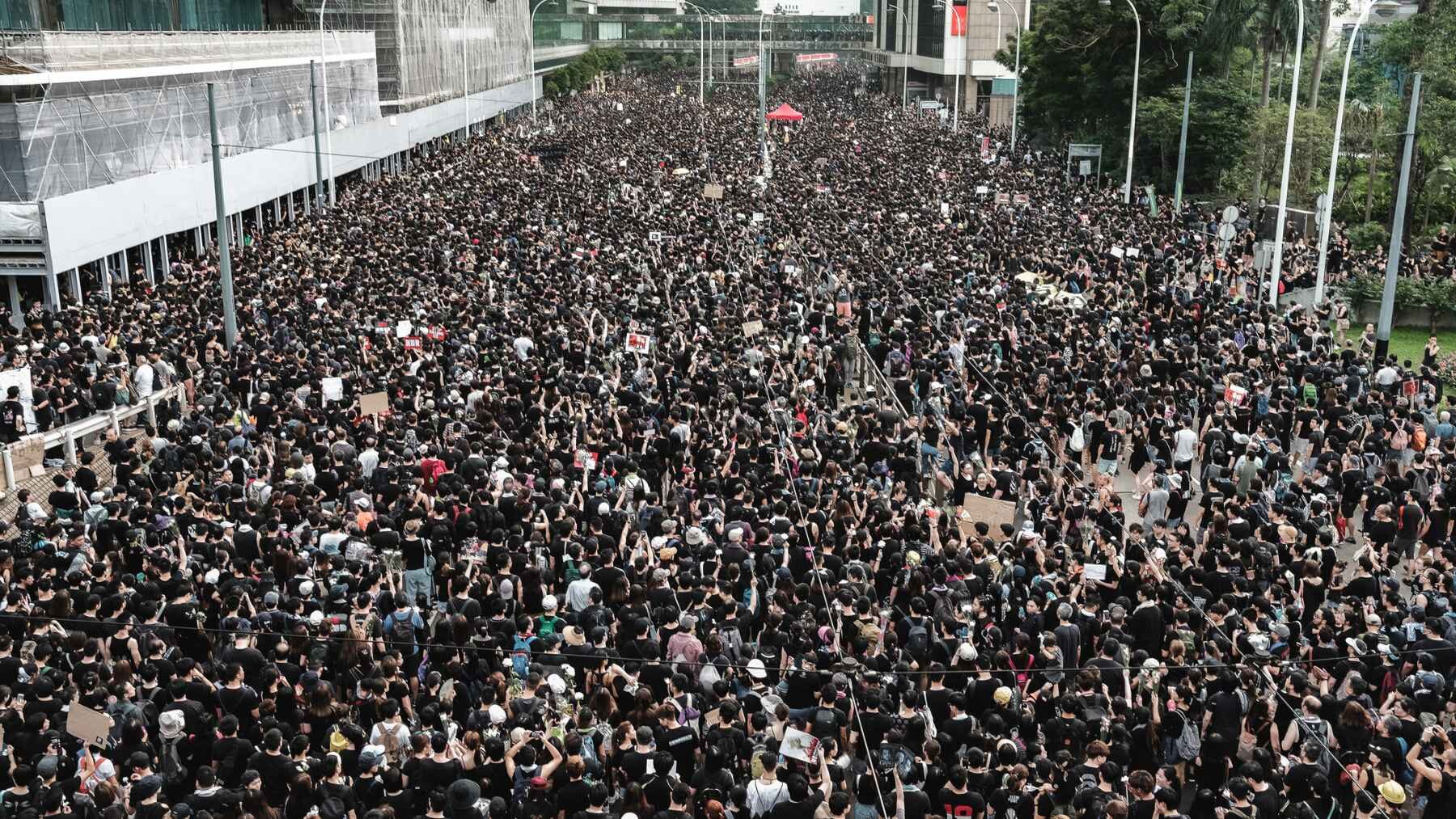
Cities have always done something strange to human life. Put more people into the same space, and ideas, habits, rumors, jobs, and diseases all seem to move differently.
A new modeling study suggests the reason may not be only money, technology, or institutions. In a preprint posted June 17, 2026, Christopher K. Tokita, an independent researcher in Los Angeles, found that population density alone can reorganize social networks, shifting them from local clusters to a more connected web with a popular core.
Density changes the social wiring
The work used an agent-based model, which is basically a simplified digital society. The model kept the number of people fixed, kept individual behavior fixed, and changed only how close people were placed to one another.
The rule was simple. People were more likely to connect with someone nearby and with someone who already had many social contacts. Think of it like a school, a busy office, or an apartment building where familiar faces matter, but popular people still attract attention.
That setup allowed Tokita to isolate density from the usual explanations for city life. In the paper, he writes that population density itself can act as a “structural force” shaping how people connect and how collective behavior unfolds.
From clusters to a connected core
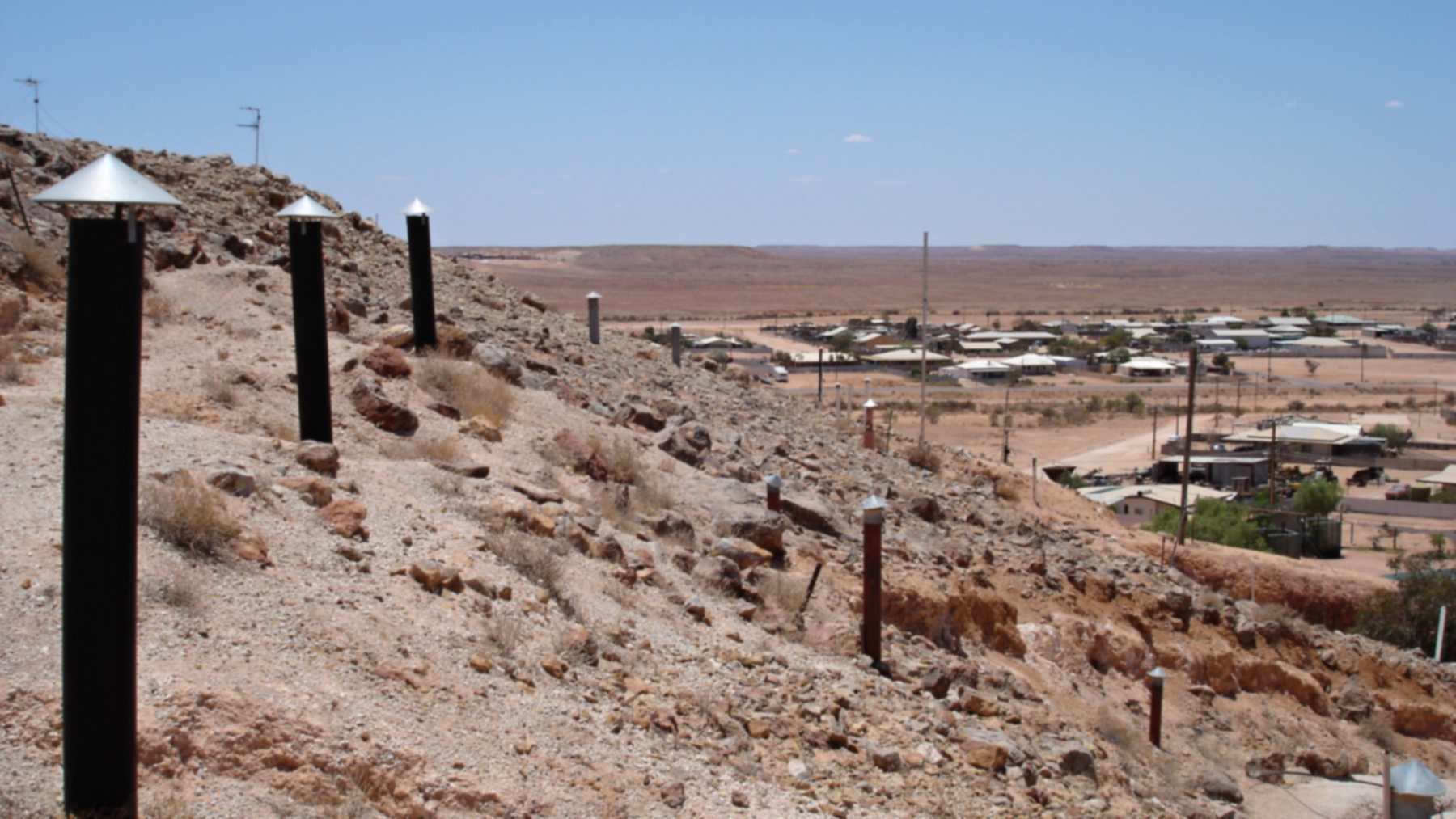
At low density, physical distance had more control. People tended to form local clusters, much like neighbors who see the same faces at the corner store, the bus stop, or the school gate.
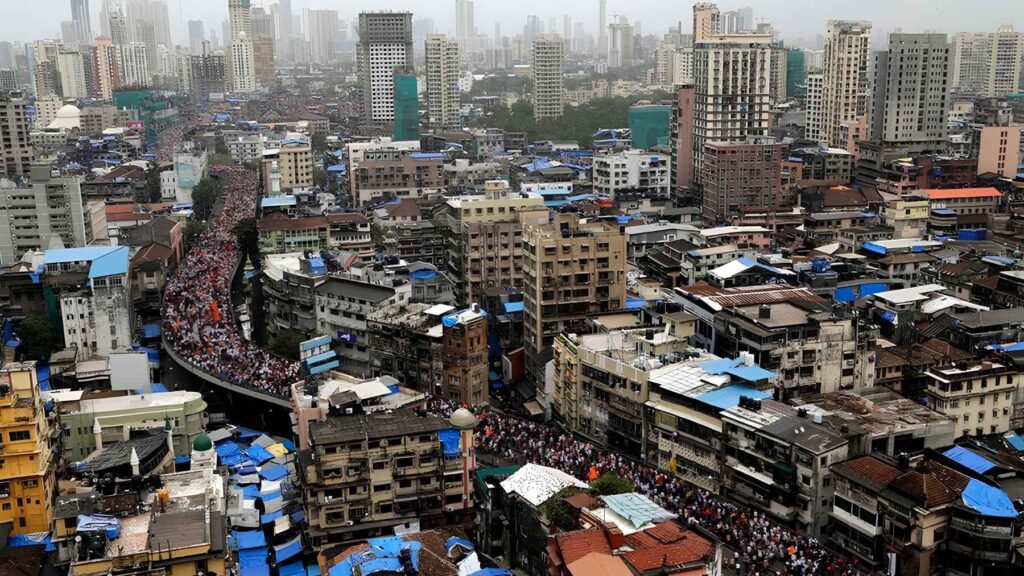
At high density, popularity began to matter more. A few well-connected people became bridges across the network, pulling separate groups into a single structure.
The striking part is that the shift did not just creep in evenly. Once density crossed a narrow range, the network changed quickly from neighborhood-style groups to a more integrated system with shorter social distances.
What spreads depends on the signal
Contagion here does not only mean infection. It means anything that moves from person to person, from news and gossip to social norms, protests, health behavior, or workplace habits.
Simple contagions need only one exposure. In the simulations, these reached most people faster in denser networks because the social path from one person to another got shorter.
Complex contagions need backup. A new norm, a risky choice, or collective behavior often feels safer when several people around you are doing it too. In Tokita’s simulations, density did not make these changes move much faster; instead, it made them spread farther and reach majority adoption more reliably.
Why cities feel like accelerators
This finding fits a wider body of research on why cities can feel like accelerators. A 2007 study in the Proceedings of the National Academy of Sciences by Luís Bettencourt and colleagues found that measures tied to wealth creation and innovation tend to grow faster than population size as cities get larger.
A 2013 Nature Communications study by Wei Pan and colleagues also modeled how density-driven social ties can raise social connection density and information flow in cities. Tokita’s work takes a narrower angle by stripping away city size, economic specialization, institutions, and behavior differences.
It also touches research on complex contagion. Damon Centola’s 2010 Science study found that behavior change could spread more readily in clustered social networks than in random ones. Tokita’s model adds a twist. When density makes the network more integrated, complex contagions may not move faster, but they can stick across more of the social landscape.
The connected core has a tradeoff
One of the more human parts of the model is the connected core. In denser networks, a smaller group of highly connected people ended up linked to one another while less connected people sat around that core.
That can matter because the center of a network often has better access to information, opportunities, and influence. It is not hard to picture the real-world version, such as the coworker who hears everything first, the friend who knows everyone, or the local organizer who can get a message across town fast.
For the rest of the network, the result can cut both ways. A useful warning or a new tool may travel widely, but so can bad information, disease, or pressure to follow a harmful norm. The same closeness that makes crowded trains, noisy cafes, and packed campuses feel intense may also make social transmission more powerful.
A model, not a map of every city
This is still a model, not a full portrait of any real city. It does not include rent, traffic, language, inequality, politics, culture, or the fact that real people choose friends for many reasons.
That limitation is also the point. By removing so much, the study asks whether density has power even before those forces enter the picture. The answer, at least in the simulation, is yes.
Future work could test the idea with real social data or controlled experiments. The paper also suggests the same logic could apply beyond humans, wherever proximity and popularity shape connections, including social insects, fish schools, bird flocks, or primate groups.
Cities as social machines
Ultimately, the study reframes density as more than crowding. It is a social force that can shorten distance, build hubs, speed some contagions, and make other behaviors take root more reliably.
That could help explain why cities have long been engines of change, from ancient Uruk to the modern metropolis. The crowd is not just a crowd. It is a network being rewired.
The main work has been published on arXiv.