Home batteries are booming across Australia, yet most are still working alone. The latest national electricity market review found that only about 24% of solar-and-battery households in the regions studied had joined a virtual power plant, even though participants recorded the lowest median electricity bills.
That gap is not simply about money. Families may spend thousands of dollars on solar and storage, learn to manage the system, and then receive an offer asking them to hand part of that control to another company. For many owners, trust is the missing ingredient.
How a virtual power plant works
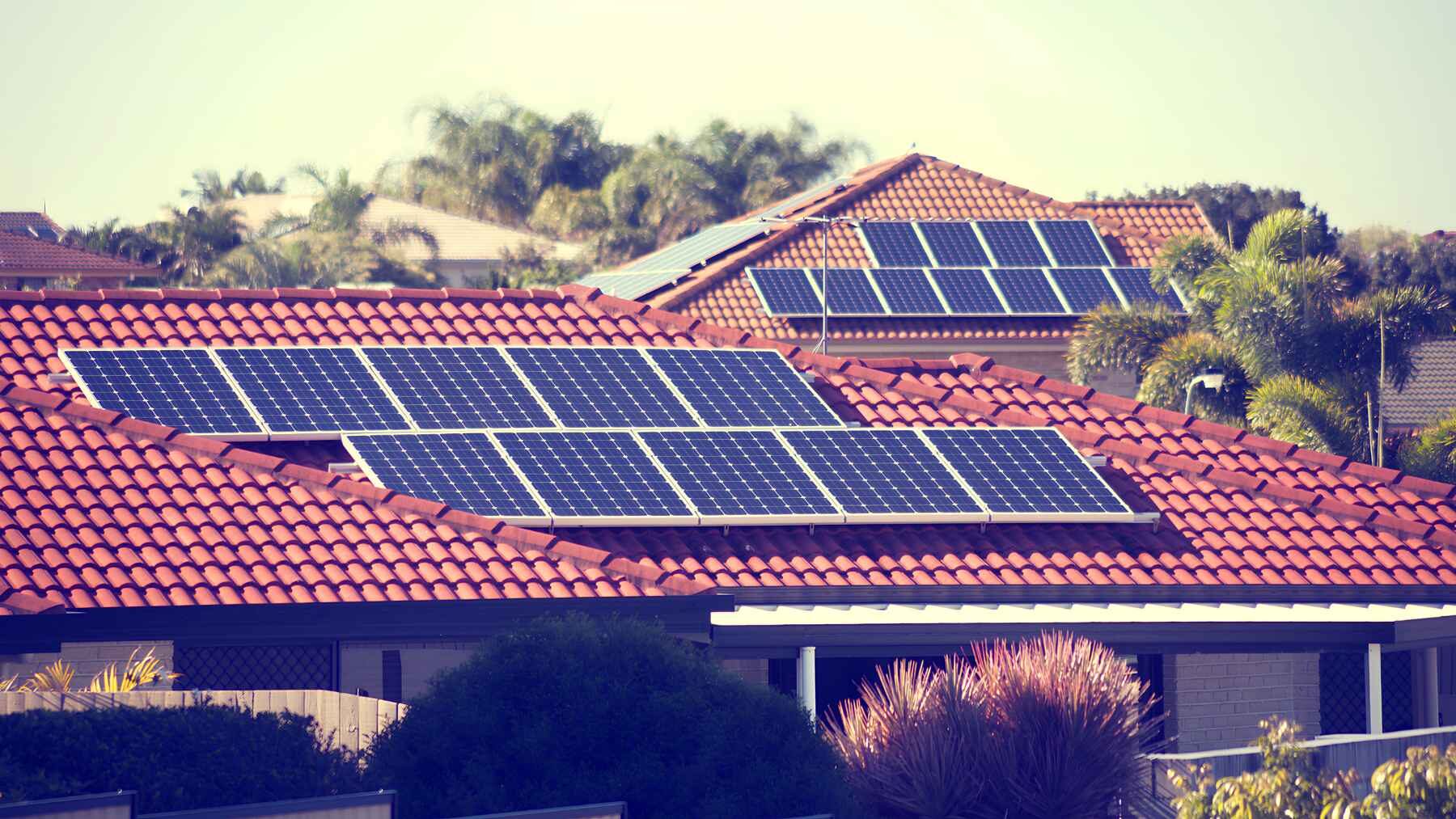
A virtual power plant is not a single building filled with turbines. It is a network of home batteries, rooftop solar systems, and sometimes other devices connected through software and coordinated as one larger power source.
When demand rises, the operator can draw small amounts of stored power from many batteries at the same time. When rooftop solar is plentiful, the system can store more of that energy for later rather than wasting it.
In practical terms, this can reduce pressure on the grid during the busy evening period, when lights, ovens, cooling systems, and chargers switch on. One battery cannot transform the market, but thousands acting together can make a difference.
The savings are hard to ignore
The Australian Competition and Consumer Commission found that during the 2025 to 2026 financial year, households with solar and batteries had median annual bills that were 20 to 52% lower than those of regular customers. Converted from Australian dollars at the Reserve Bank of Australia’s July 24, 2026 exchange rate, that equals roughly $230 to $634 in U.S. dollars.
Virtual power plant customers did even better. Their median annual bills were 57% to 63% lower, equal to about $532 to $762 in U.S. dollars, although the result varied by region and does not guarantee identical savings for every household.
So why are roughly three out of four battery owners still staying away? Robbie Campbell, chief executive of Plico, believes the offer often arrives too late. “The value proposition seems very small compared with what you have already paid for your solar and battery system,” he said.
Control is the sticking point
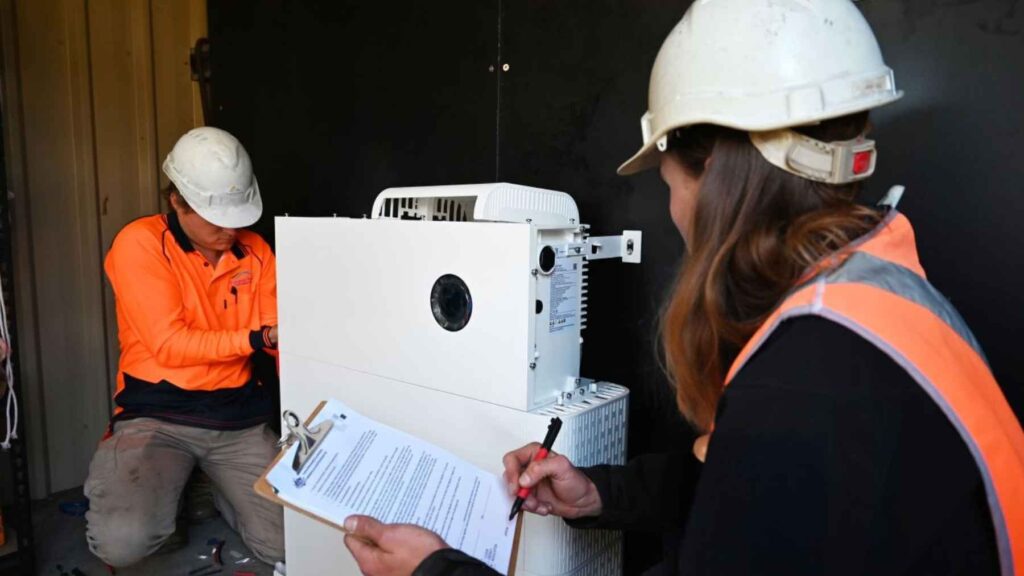
Most virtual power plant plans have been added to an existing electricity retail or battery business. A household buys an expensive system, becomes comfortable managing it, and is later asked to surrender some control in exchange for bill credits or another payment.
That can feel like giving someone the spare keys to a new car without knowing exactly when they will use it. Owners may worry about how often the battery will be discharged, how much backup power will remain, whether extra use could shorten its life, and what happens if they leave.
Limited interoperability creates another obstacle. In simple terms, a battery may not work smoothly with another provider’s software, making switching difficult. The regulator has called for stronger protections and clearer rules covering contracts, compensation, battery use, and exit rights.
A different way to sell the service
The business founded in Western Australia in 2017 reversed the usual order. Solar panels, batteries, financing, customer support, and virtual power plant participation were designed as one package rather than adding the service later.
Customers can buy the equipment outright or finance it over five to ten years. Under the model described by Campbell, repayments are designed to stay below the household’s previous electricity costs, with the aim of delivering savings from the first day.
The same provider remains responsible for the hardware, financing, and energy service. That creates a longer relationship than a simple electricity contract, although it is not proof that every customer will save the same amount. Results still depend on energy use, equipment, prices, and contract terms.
Local market differences matter
Western Australia operates outside the National Electricity Market and follows different rules, retailer structures, and incentives from the eastern regions examined by the regulator. Its experience therefore cannot be copied directly across the country.
The federal analysis covered New South Wales, Victoria, South Australia, and southeastern Queensland. Still, the broader sales lesson may travel well. A service introduced after a family has already paid for its system can look like a request to give something up, while one included from the beginning becomes part of the purchase.
Trust could determine the grid’s next step
An earlier draft from the Australian Energy Market Operator assumed about 53% of consumer batteries would participate by 2050 and estimated that coordination could avoid roughly $5 billion in additional investment when converted to U.S. dollars. The final 2026 plan later revised the avoided utility-scale storage estimate to about $3.5 billion while still expecting just over half of consumer battery capacity to be coordinated.
Without that participation, more large batteries and other grid infrastructure may have to be built. That does not make every virtual power plant contract a good deal, but it explains why governments and grid planners care about what happens behind the meter.
At the end of the day, clever software cannot replace confidence. Clear contracts, fair compensation, compatible equipment, and firm limits on battery use may decide whether millions of private systems become a shared resource or remain separate energy islands. The technology is ready, but the relationship with customers still needs work.
The official report has been published by the Australian Competition and Consumer Commission.